You can build a solid cardinal feeder in an afternoon using a single cedar board, a handful of screws, and basic tools. The best style for cardinals is a platform or hopper feeder with a wide, open tray, because cardinals are larger birds that need room to perch and turn around while eating. Tube feeders with tiny ports frustrate them. Get that part right, fill it with black oil sunflower seeds, hang it 5 to 6 feet off the ground near shrubs or trees, and you will have cardinals showing up within a few days.
How to Make a Cardinal Bird Feeder Step by Step

Marcus Brennan
4 May 2026
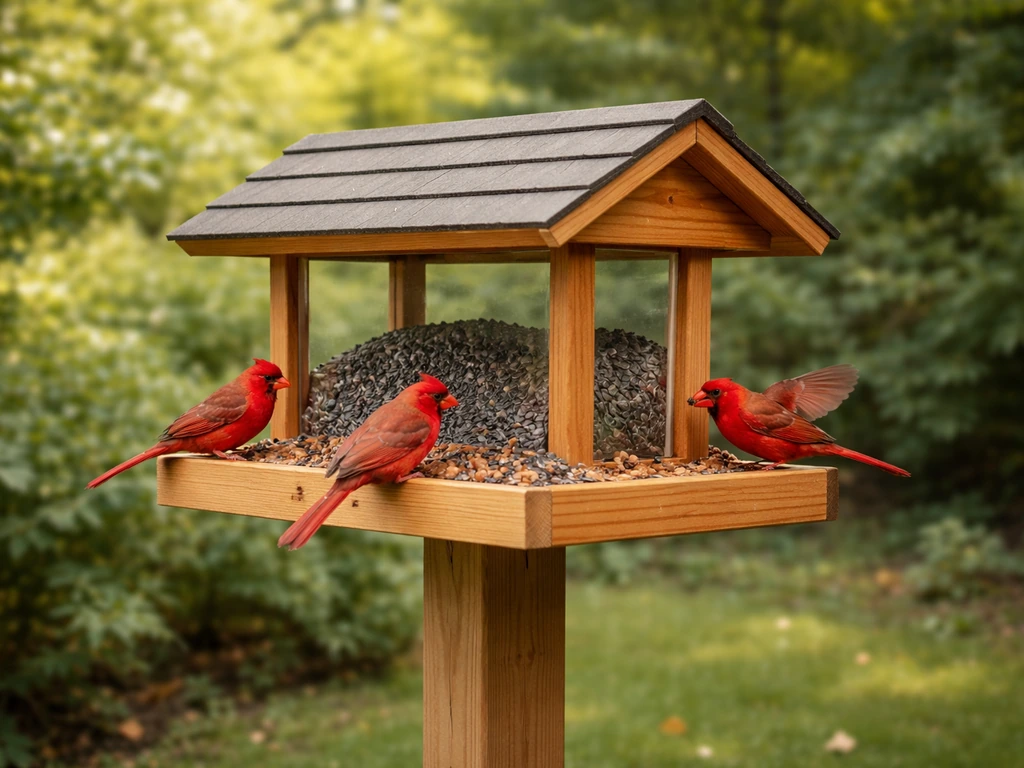
Choosing the right cardinal feeder style and placement
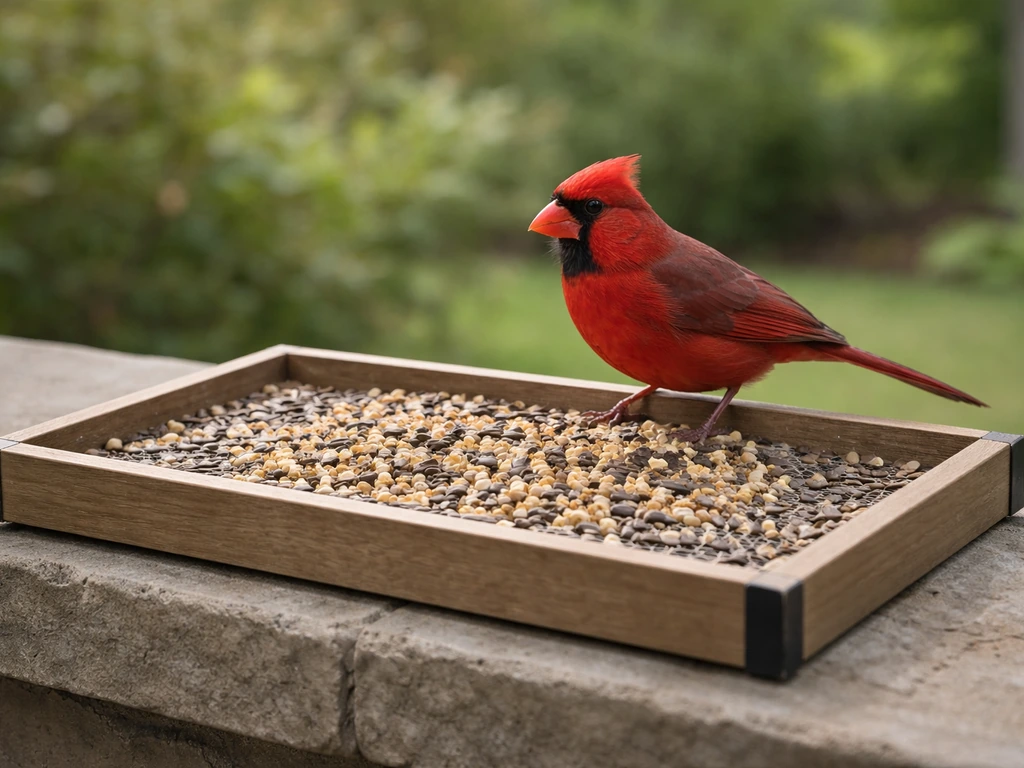
Cardinals are big, stocky birds, and they are a little awkward at feeders that were designed for smaller species. A male northern cardinal is about 8 to 9 inches long. That means tube feeders with cramped perches are mostly a no-go, and small hanging feeders that swing a lot will put them off too. The three styles that actually work for them are platform feeders, hopper feeders, and wide tray feeders.
A platform feeder is a flat raised surface where food is spread out openly. Cardinals love these because there is nothing in their way. The downside is that seed gets wet fast in rain. A hopper feeder solves that problem: it has walls and a roof that form a protected seed reservoir, with a small tray or ledge around the base where birds eat. That combination of shelter and open perching space is probably the best all-around choice for cardinals. If you are building your first feeder and want something even simpler, a basic tray feeder works just fine too.
For placement, cardinals are not the boldest birds. They prefer to feel sheltered, which means a feeder positioned 5 to 10 feet from a dense shrub, hedge, or tree line gives them a safe escape route and will attract them faster than a feeder sitting out in the open middle of your yard. They also tend to feed more at dawn and dusk than midday, so a spot with morning or late-afternoon light is ideal.
Materials and tools checklist
For this build, you are making a basic hopper-style cardinal feeder from a standard cedar fence picket, which you can pick up at any home improvement store for a few dollars. Cedar is naturally rot-resistant and holds up well outdoors without paint or sealant. Pine works too and costs less, but you will want to seal it. Avoid pressure-treated lumber since the chemicals can be harmful to birds.
- 1 cedar fence picket (5.5 inches wide x 6 feet long x 0.75 inch thick) or equivalent lumber
- 1 piece of acrylic sheet or thin plexiglass, roughly 5 x 8 inches (for the seed windows, optional but useful)
- 1.25-inch exterior wood screws (about 20)
- Wood glue (waterproof/exterior grade)
- Small staple gun and staples, or small finishing nails
- Screw eye or 3-inch lag hook for hanging
- Sandpaper (80 and 120 grit)
- Circular saw or hand saw
- Drill with pilot bit and countersink bit
- Tape measure and pencil
- Square
- Clamps (2 or more)
- Optional: linseed oil or exterior wood stain for pine boards
Total material cost is typically under $15 if you already have tools. If you are working from recycled wood, check that it is not treated, painted with lead-based paint, or rotting. A single fence picket gives you almost every piece you need for this build with minimal waste.
Step-by-step build instructions
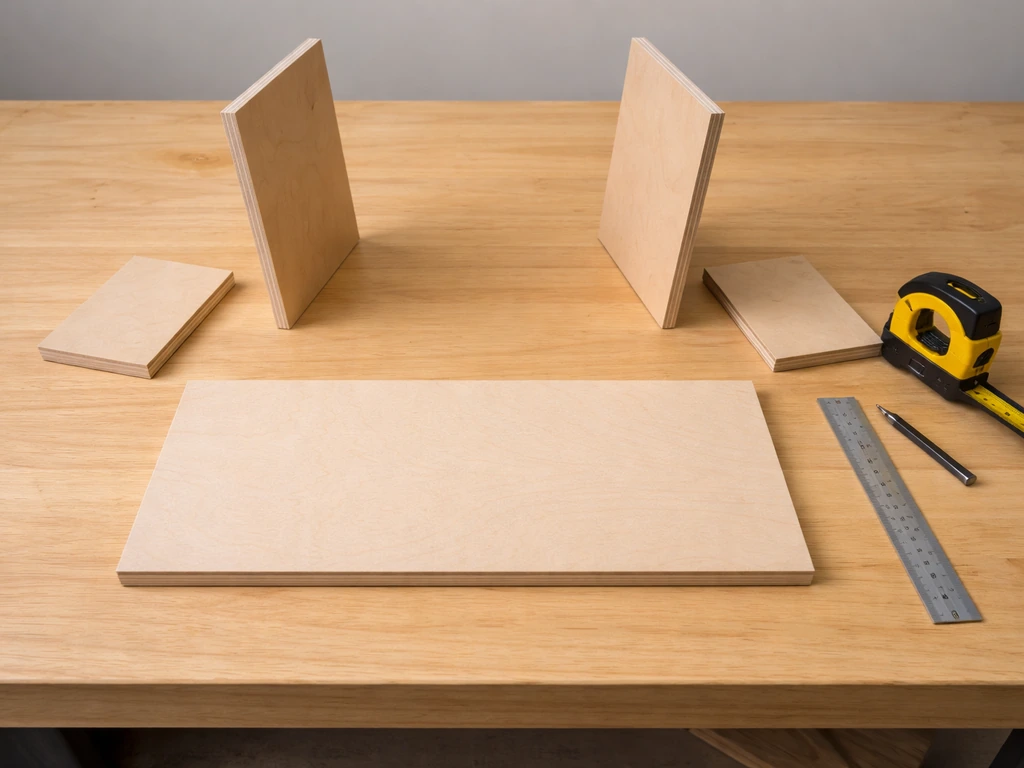
This is a simple box-style hopper feeder. It has a base tray, two side walls, two angled end pieces, and a roof. If you are interested in a budget alternative, see how to make a bird feeder out of egg carton using simple recycled materials. If you also want a shoe-box style option, you can adapt the same hopper and tray ideas into a smaller feeder that is still easy to clean. The whole thing measures roughly 12 inches long by 7 inches wide by 12 inches tall when finished, which is a comfortable size for cardinals. Plan on about 2 to 3 hours for your first build.
Cut your pieces
- Base tray: 12 inches x 7 inches. Cut this first. Drill four or five small drainage holes (about 3/8 inch) spaced across the bottom so water does not pool.
- Side walls: two pieces, each 12 inches x 6 inches. These run along the long sides of the base.
- End panels: two pieces, each 5.5 inches wide x 8 inches tall, cut with a 30-degree angle at the top to form the roof pitch. If you skip the angle, a flat roof works too, just expect more water pooling.
- Roof panels: two pieces, each 8 inches x 7 inches. These lean together at the peak and overhang the tray by about 1.5 inches on each side, which helps keep rain off the seed.
- Floor ledge strips (optional): two pieces, 12 inches x 1 inch, glued along the front and back edge of the base tray to keep seed from rolling off while still leaving a small gap for drainage.
Sand and prep
Run 80-grit sandpaper over all cut edges, then finish with 120-grit. Smooth edges matter because rough ones hold moisture and split faster. If you are using pine, now is the time to apply a coat of linseed oil or exterior stain on all outer surfaces and let it dry before assembly.
Assemble the box
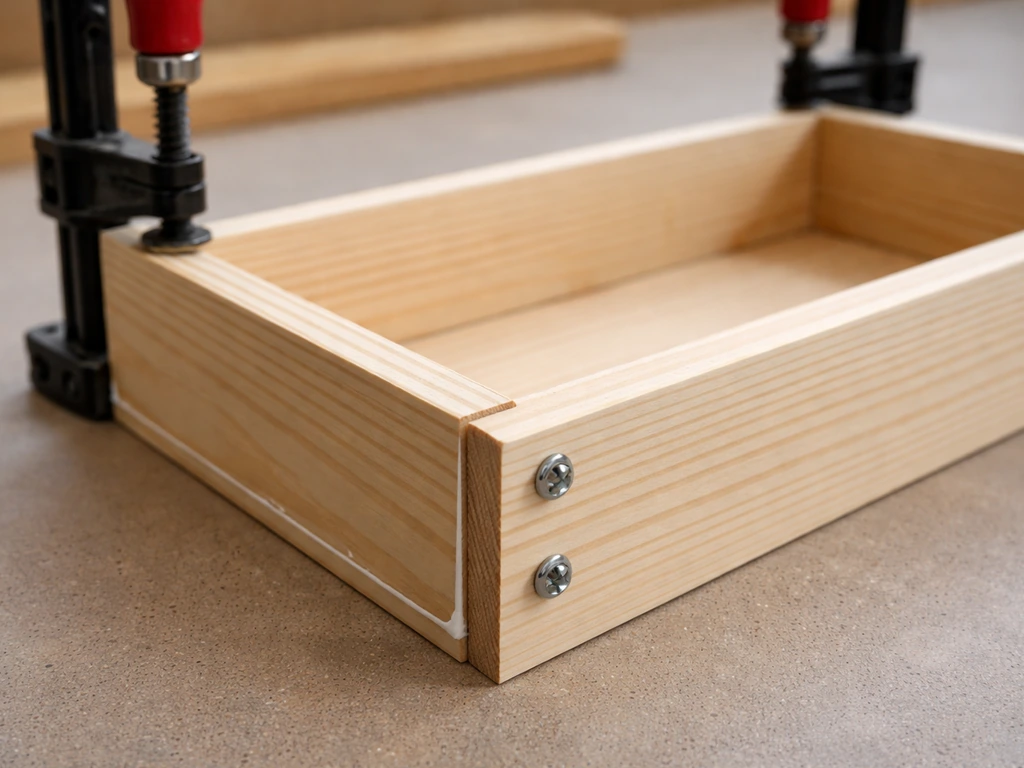
- Attach the two side walls to the long edges of the base tray. Apply a thin bead of wood glue along the edge, clamp in place, then drive two 1.25-inch screws through the side wall and into the base at each end. Pre-drill pilot holes to avoid splitting.
- Drop the end panels into position at each short end of the box. Glue and screw through the side walls into the end panels, two screws per corner.
- Check the box is square by measuring corner to corner diagonally. Both measurements should match. Adjust before the glue sets.
- Attach the roof panels. Lean them against each other at the top with about a 1-inch overlap at the ridge. Glue and nail or screw from the inside through the end panels up into the roof. A small ridge cap piece (a 12-inch strip of thin wood or folded aluminum flashing) glued along the peak keeps water from seeping through the joint.
- If you are adding acrylic seed windows, cut two openings in each end panel about 2 inches wide by 4 inches tall, positioned so the bottom of the opening sits about 0.5 inch above the base tray. The acrylic slides into a groove (a router kerf or thin wooden guide strips work) so you can see seed levels from outside.
- Attach a screw eye into the center of the roof ridge for hanging, or drill through the roof and add a lag hook rated for outdoor use.
Filling it correctly for cardinals
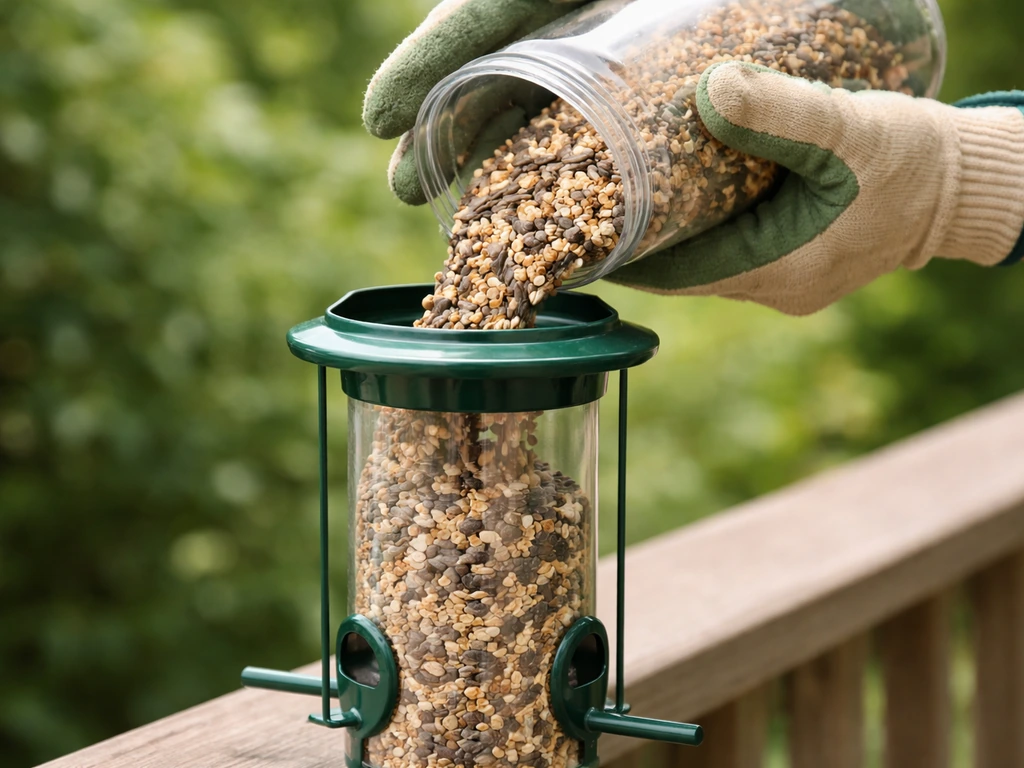
Black oil sunflower seeds are your best bet. Audubon specifically recommends them for northern cardinals, and in my experience they are the seed that cardinals will come back for consistently. Black oil seeds have a thinner shell than striped sunflower seeds, which makes them easier for birds to crack open, and they are high in fat and energy. Fill the hopper so seed sits about 0.5 to 1 inch above the base tray. Do not overfill because seed that sits at the top of a deep hopper can clump and bridge, blocking flow.
Cardinals will also eat safflower seeds, cracked corn, peanuts (shelled or in pieces), and suet. Audubon also notes that northern cardinals’ best bet for birdseed is black oil sunflower seeds, and that they will eat blank" rel="noopener noreferrer">peanuts, cracked corn, and suet. Cornell’s All About Birds (Northern Cardinal Life History) notes that northern cardinals eat many kinds of birdseed, particularly black oil sunflower seed. Safflower is worth mixing in because squirrels tend to dislike it, which gives you a natural pest deterrent. Cracked corn is cheap filler but attracts a lot of sparrows and grackles, so use it sparingly if you want to favor cardinals. Avoid mixed seed blends with a lot of milo or red millet. Cardinals will sort through them and leave a mess of rejected seeds on the ground.
Never leave wet or moldy seed in the feeder. Molds can produce toxins that are genuinely harmful to birds. If the seed looks gray, clumped, or smells off, dump it and clean the tray before refilling. In humid weather, check it every few days.
Hanging and placement guidance for reliable visits
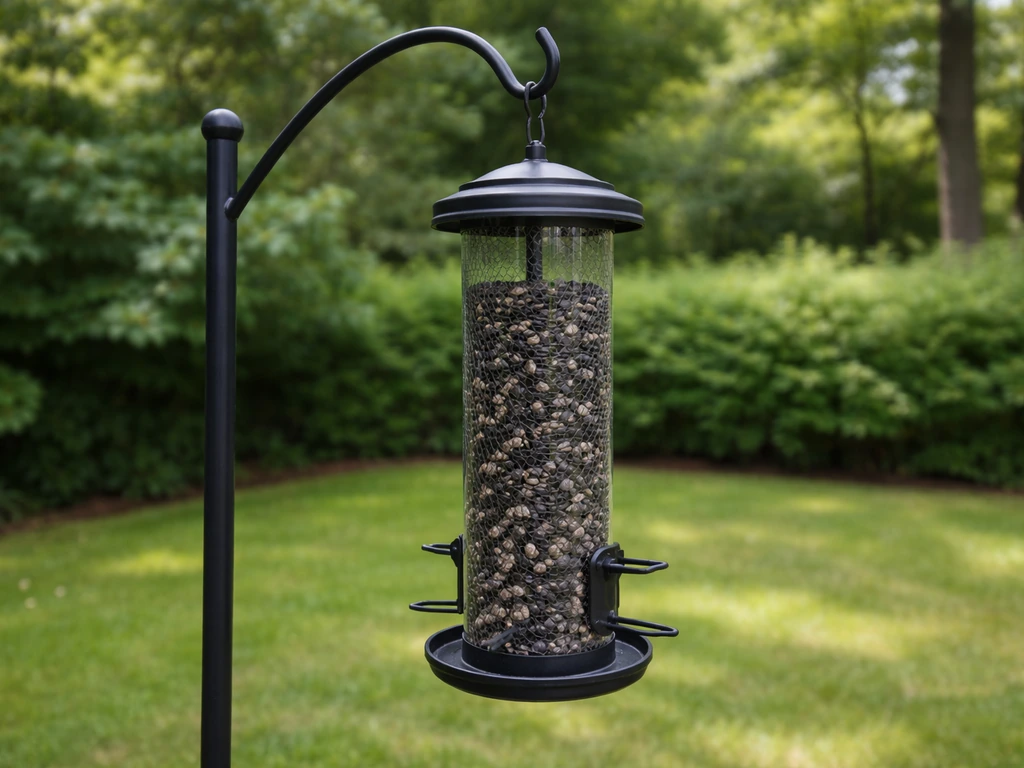
Height matters more than most people expect. Cardinals are ground and low-feeder birds by nature, so mounting the feeder between 5 and 6 feet off the ground is the sweet spot. Too high and they feel exposed. Too low and they are nervous about predators, especially cats.
Position the feeder 5 to 10 feet from dense shrubs, hedges, or a tree line. Cardinals will perch in cover and watch the feeder before committing to land, so that buffer zone of nearby vegetation is important. At the same time, do not hang the feeder directly against a tree trunk or branch that gives squirrels an easy bridge onto the feeder.
For hanging, use a sturdy shepherd's hook rated for at least 5 pounds, or a bracket screwed into a fence post or deck railing. Avoid thin wire hooks that let the feeder spin in wind. Cardinals will bail on a feeder that swings unpredictably. If you hang from a tree branch, use braided nylon cord and add a weight or stabilizer so it does not pendulum in the breeze.
Cardinals are not shy about feeding close to the house, and they will sometimes come within 5 to 10 feet of a window if the feeder is positioned there. If you want to watch them from inside, a bracket mount on a window frame or fence near a window is a good option, just add window decals or tape strips to prevent bird strikes.
Weatherproofing, cleaning, and maintenance
Cedar holds up well on its own for several seasons, but a coat of exterior linseed oil or tung oil once a year will extend the life of the wood significantly. Apply it in spring before the wet season. If you built from pine, re-apply your exterior stain or sealant annually. Never use paint on the inside surfaces of the seed reservoir or tray, because flaking paint can end up in seed.
The roof joint is the spot most likely to leak. If you see water getting into the hopper, run a bead of exterior silicone caulk along the outside of the ridge seam. Do not caulk the inside. The drainage holes in the base tray are your backup plan if rain gets in.
Clean the feeder thoroughly at least once a month, and more often in warm weather. Empty out all old seed, scrub the tray and seed ports with a stiff brush and a solution of one part bleach to nine parts water, rinse completely, and let it dry fully before refilling. A damp feeder with residue from old seed is a recipe for mold and disease, and once birds associate a feeder with bad seed they stop coming back.
Inspect the screws and joints once a season. Exterior screws can back out as wood expands and contracts. Tighten anything loose and replace any screw that has rusted through. The roof panels are the most likely to loosen first since they take the most weather stress.
Troubleshooting and pest-proofing for cardinal feeders
The two biggest problems with cardinal feeders are squirrels and sparrows. Squirrels are relentless and will chew through wood if they smell sunflower seeds. Here is what actually works, and what does not.
| Problem | What to try | Does it work? |
|---|---|---|
| Squirrels raiding the feeder | Mount on a smooth metal pole with a baffle below the feeder | Yes, consistently effective |
| Squirrels raiding the feeder | Hanging from a cord with a spinning baffle above | Works if cord is at least 8 feet from any branch or roof edge |
| Squirrels raiding the feeder | Hot pepper (capsaicin) mixed into seed | Partially effective; requires regular reapplication after rain |
| Squirrels chewing the wood | Metal edge trim or hardware cloth over chewable corners | Yes, stops chewing damage |
| House sparrows taking over | Switch to safflower seeds only | Reduces sparrow visits noticeably; cardinals still eat safflower |
| Starlings at the tray | Reduce tray lip height so it is harder for them to perch | Helpful but not foolproof |
| Seed getting wet and clumping | Check drainage holes are clear; add roof overhang if too short | Yes, overhang of 2+ inches helps significantly |
| Cardinals not visiting | Move feeder closer to shrubs or tree line | Usually fixes it within a few days |
| Cardinals not visiting | Try a different seed, switch to black oil sunflower if using mix | Very effective |
If squirrels are your main issue, the most reliable fix is a smooth steel pole with a wide dome baffle positioned about 4 feet off the ground. The pole should be at least 10 feet away from anything a squirrel can leap from. That combination stops the vast majority of squirrel raids without needing any gadgets or sprays.
If cardinals are visiting but not staying long, the feeder is probably too exposed. Add a low shrub or potted evergreen nearby as cover. You can also try positioning the feeder so it faces away from a busy window or door that cardinals might find startling. They tend to be creatures of habit, and once they find a reliable, safe spot they will return every day at roughly the same time.
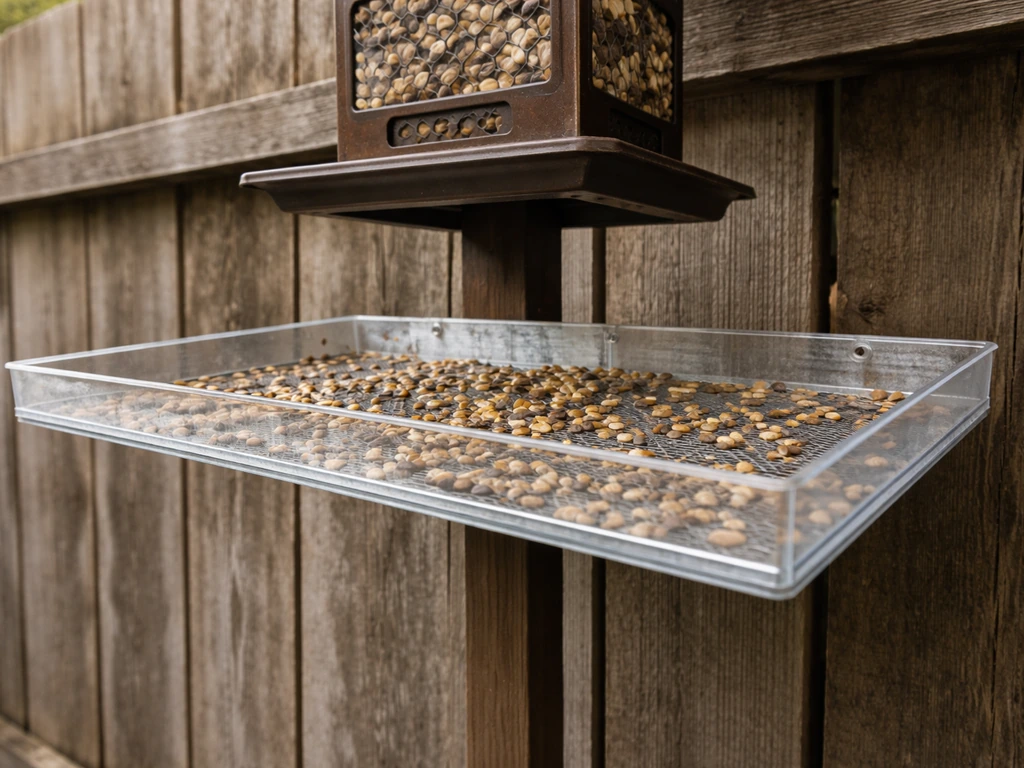
One last note: if you enjoy this build, the same basic tray and hopper design can be scaled up or simplified for other projects. A simpler flat tray feeder uses just the base piece with edge strips and no roof at all, which is quick to make and easy to clean. And if you are interested in catching the seed mess that falls below, adding a seed catcher tray below your feeder is a natural next step that keeps your yard tidier and reduces waste. You can also add a seed catcher tray under your feeder to collect spilled seed and keep your yard tidy.
FAQ
Can I make a cardinal bird feeder without a roof, and still get cardinals to use it?
Yes, a simple open tray can work, but you will usually have to protect it from rain and sun. If you go roofless, keep the feeder under an eave or in a shaded spot and plan on more frequent seed changes, because wet seed clumps and cardinals will quickly avoid it.
What feeder size should I aim for so cardinals can perch comfortably?
For most yards, a hopper with an open feeding tray about 7 inches wide gives cardinals room to shift and brace their feet. If you scale down, prioritize tray width and perch space over overall height, since cramped surfaces discourage landing and lead to dropped seed.
How can I prevent seed bridging in the hopper?
Keep the hopper fill level in a shallow band above the tray, about 0.5 to 1 inch, and avoid overpacking. Also, check that the wood is smooth and dry after finishing, because trapped moisture or rough inner surfaces can help seed stick and form bridges.
Is black oil sunflower seed always the best choice, or can I rotate foods?
Black oil sunflower seed is the most consistent staple, but rotating can help during supply shortages or seasonal changes. If you mix in other foods, introduce them gradually over several days so birds do not reject the feeder when they notice an unfamiliar seed mix.
What should I do if I see cardinals eating, but there is lots of seed waste on the ground?
Some waste is normal, but heavy scatter often means the seed is too coarse for the birds to crack efficiently or the tray is too deep. Try switching to black oil sunflower seeds and keep the feeding surface level by not letting the seed sit too high in the hopper.
My feeder attracts sparrows and not cardinals. How do I adjust?
First, avoid cheap filler-heavy mixes that cardinals sort through, especially blends with milo and red millet. Next, increase cover by moving the feeder 5 to 10 feet from a dense shrub or hedge so cardinals feel safe to approach, while sparrows have less ability to dart in and out.
How often should I clean the feeder, if the weather is humid?
In humid or rainy stretches, clean more often than monthly, typically every 1 to 2 weeks. The key is removing damp residue and old shells, scrape off buildup on the tray edges, then fully air-dry before refilling to prevent mold and bacterial growth.
Bleach-water cleaning works, but is there a safety tip for handling and drying?
Yes, rinse thoroughly after scrubbing, then let the feeder dry completely with airflow before adding new seed. Leftover bleach smell or residue can discourage birds, and damp surfaces can react with seed oils and speed up residue buildup.
Do cardinals need a special type of perch, or will they use the tray edges?
They usually do fine with perching on the tray edges and side walls of a hopper feeder. If your build has very slippery surfaces, lightly roughen the outside of the feeding edges or ensure you do not apply a glossy finish there, because slick surfaces can reduce gripping.
How do I choose between shepherd’s hook mounting and bracket mounting?
Use a shepherd’s hook if you want flexibility and can prevent swinging with a stabilizer or weight, and ensure it is rated for the feeder’s full load plus wind. Choose a bracket mount for a steadier feeding station, especially if your area has frequent breezes or if cardinals keep visiting but fail to stay.
What’s the best way to reduce bird strikes near windows when using a feeder?
Use window decals or tape strips at eye level on the glass and place the feeder so it is not directly facing the window from inside. Also, avoid a clear line of sight through interior reflections, because cardinals may interpret reflected space as a safe approach path.
Can I paint the feeder to make it last longer?
Avoid paint on any surfaces inside the seed reservoir and the tray. If you want a longer life outdoors, use exterior linseed oil or tung oil on all relevant wood faces, and keep finishes dry and cured before loading seed.
How do I troubleshoot leaks in the roof joint?
If you notice water entering the hopper, focus on the roof ridge seam first. Apply exterior silicone caulk along the outside of the seam only, then test with a controlled hose run or light rain observation to confirm that the seed reservoir stays dry before refilling.
What is the most humane and effective way to handle squirrels chewing the feeder?
The most reliable method is a smooth metal pole with a wide dome baffle positioned about 4 feet off the ground, kept at least 10 feet from launch points like branches, fences, or nearby structures. This blocks climbing and jumping without relying on repellents that squirrels often ignore.