You can make a genuinely eco-friendly bird feeder from wood scraps, a plastic bottle, a milk jug, or even a pinecone you picked up outside. The key is choosing non-toxic materials, skipping chemical finishes, filling it with quality seed, and keeping it clean enough that it helps birds instead of harming them. Choosing the right color matters too, and it helps to pick natural, non-toxic colors that match your backyard so birds feel safe what color should i paint my bird feeder. This guide walks you through all of it, from picking a build to hanging it in the right spot and maintaining it long-term.
How to Make an Eco Friendly Bird Feeder Step by Step
Marcus Brennan
15 May 2026
What 'eco-friendly' actually means for a bird feeder
The phrase gets thrown around a lot, but for a bird feeder it really comes down to four things: the materials you build with, any coatings or finishes you use, how long the feeder lasts before it becomes waste, and whether the whole setup supports birds without polluting the space around them. A recycled plastic bottle feeder can absolutely be eco-friendly. A brand-new cedar feeder coated in the wrong sealant might not be.
- Materials: natural wood, untreated lumber, recycled bottles or jugs, pinecones, natural twine or wire
- Coatings and finishes: nothing that leaches chemicals near food, water, or birds (more on this below)
- Durability: a feeder built to last several seasons creates far less waste than a cheap one you replace every summer
- Minimal waste in use: choosing the right seed, storing it correctly, and keeping the feeder clean so seed doesn't rot and end up in the trash
The U.S. Fish & Wildlife Service is clear that natural, chemical-free materials are the standard for safe backyard wildlife feeding. That guidance applies to both what you put inside the feeder and what you build it from. If you're also thinking about budget, there's real overlap between eco-friendly and cheap: reusing what you already have at home is both. If you want a truly budget-friendly option, start with a plastic bottle or milk jug feeder and use untreated, bird-safe materials cheap.
Pick the right design and materials (and know what to skip)
Before you start building, the single most important decision is what not to use. A lot of common DIY materials that seem fine are actually a problem when birds are eating within inches of them every day.
Materials that work well
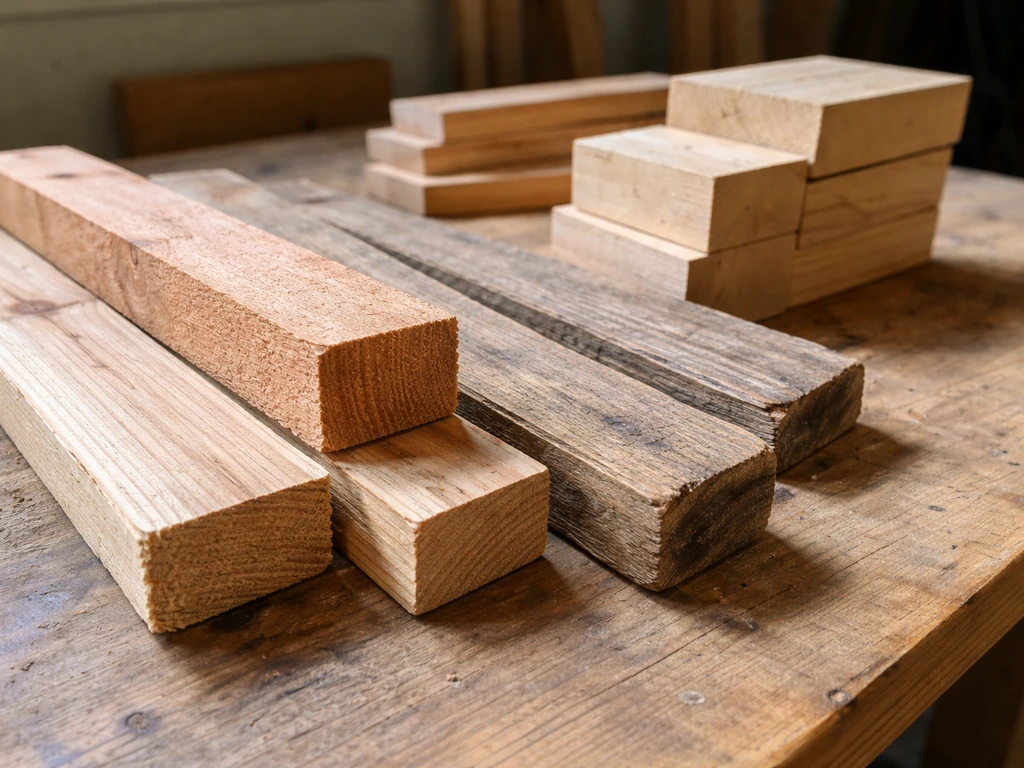
- Untreated cedar or pine: naturally rot-resistant (cedar especially), no added chemicals, easy to work with for beginners
- Reclaimed or scrap wood: free, already broken in, and keeps material out of the landfill
- Clean plastic bottles and milk jugs: HDPE plastic (the kind used in milk jugs and most soda bottles) is considered food-safe and doesn't leach at room temperature
- Pinecones: zero waste, zero cost if you find them outside, and a great entry-level project
- Natural fiber twine, jute cord, or galvanized wire for hanging
What to avoid
- Pressure-treated lumber: NestWatch, the National Pesticide Information Center, and others flag this clearly. Pressure treatment uses pesticide and fungicide chemicals that can leach, and they have no place near a bird's food source.
- Painted interiors or food-contact surfaces: even 'exterior' paints contain compounds you don't want near seed. If you paint, paint only the outside and let it cure fully before hanging.
- Toxic wood stains and sealants on food-contact areas: a linseed oil finish on exterior surfaces is generally considered safer than synthetic sealants, but when in doubt, leave food-contact surfaces bare wood.
- Styrofoam or non-recyclable foam: breaks into microparticles birds can ingest, and it degrades fast outdoors anyway.
- Galvanized hardware near acidic foods (like orange halves for orioles): the zinc can react, but for standard seed feeders standard hardware is fine.
If you're comparing this to other DIY feeder projects like making a bird feeder from old dishes, the same rule applies: make sure whatever glue, grout, or adhesive you use is fully cured and non-toxic before seed ever touches it. If you're using old dishes for a feeder, double-check that any glue, grout, or adhesive is fully cured and non-toxic before you add seed making a bird feeder from old dishes.
Three builds you can actually do this weekend
Build 1: Plastic bottle or milk jug feeder (15-20 minutes, no tools needed)
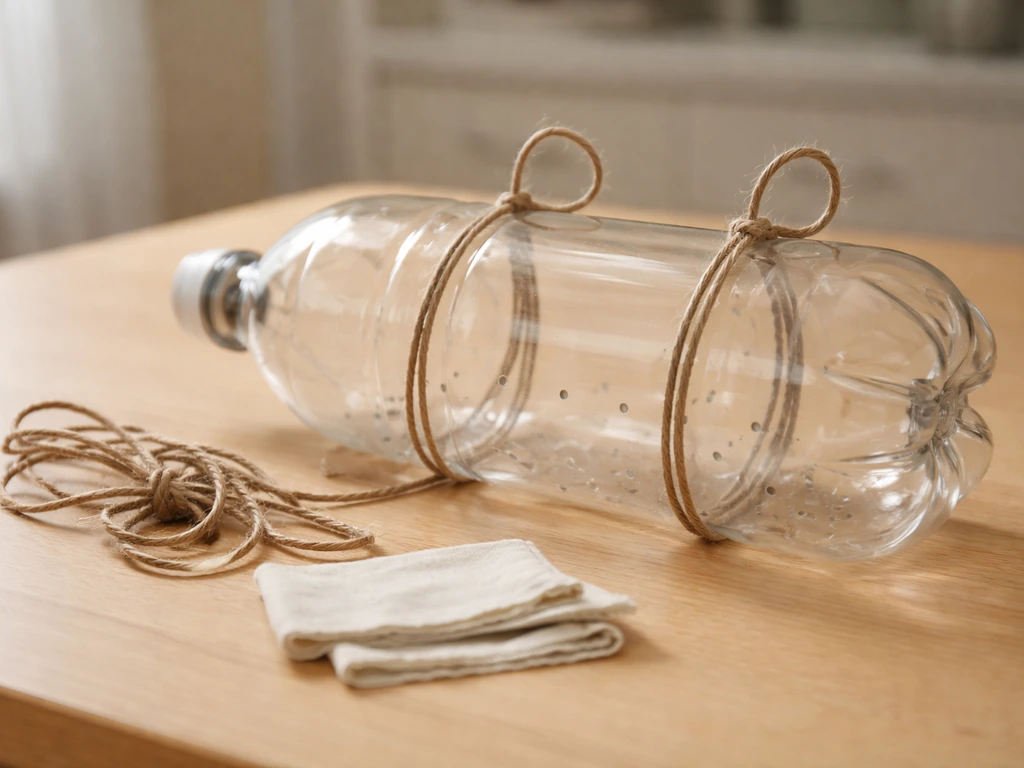
This is the lowest-barrier build. A clean 2-liter bottle or a gallon milk jug works equally well. The milk jug gives you more seed capacity; the bottle is lighter and easier for apartment balconies.
- Wash the bottle or jug thoroughly with soap and hot water. Rinse well and let it dry completely.
- Using scissors or a craft knife, cut two to four small feeding holes about 1 inch in diameter, positioned roughly 2 to 3 inches up from the base. This keeps seed from spilling out all at once.
- Directly below each feeding hole, push a sturdy wooden chopstick, bamboo skewer, or short stick through the container so it sticks out about 3 inches on each side. These are your perches. Make the entry hole just slightly wider than the stick so it holds snugly.
- Punch a small hole in the cap or near the top of the jug and thread galvanized wire or natural fiber cord through it for hanging.
- Fill with seed through the top opening (or through the feeding holes if the cap is wired shut), cap it, and hang it up.
The main limitation of bottle feeders is that the plastic degrades in UV light over time. Inspect them every few months and replace when the plastic becomes brittle or discolored. Because these cost nothing to make, replacement isn't a big deal.
Build 2: Simple wood platform feeder (45-60 minutes, basic tools)
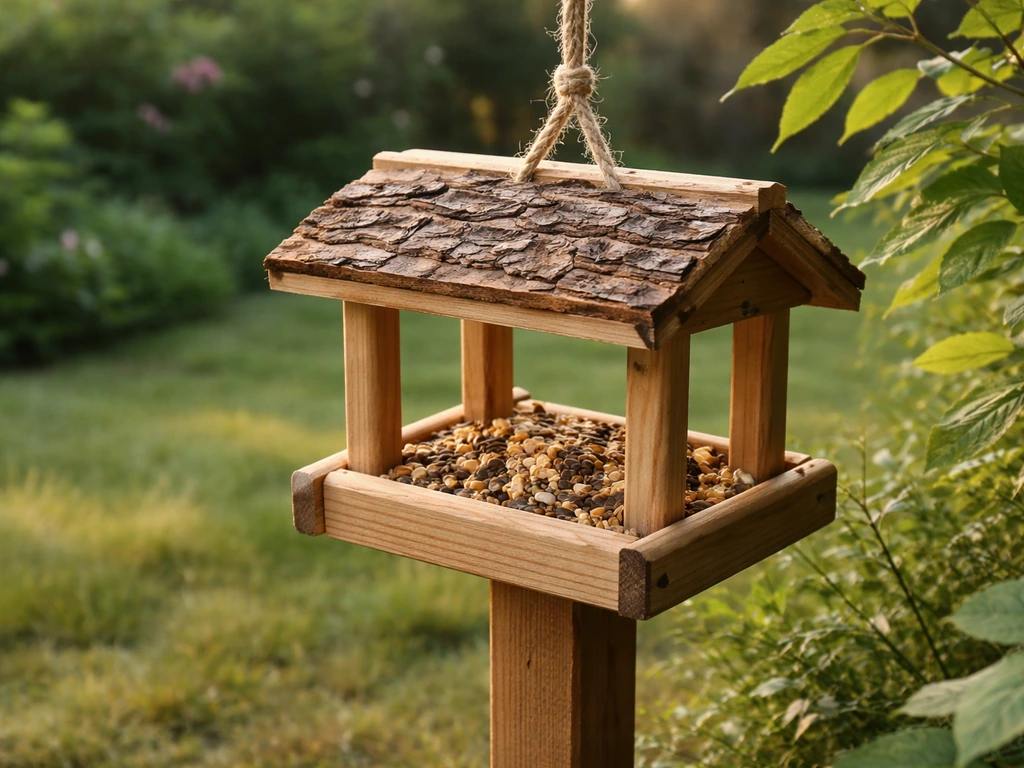
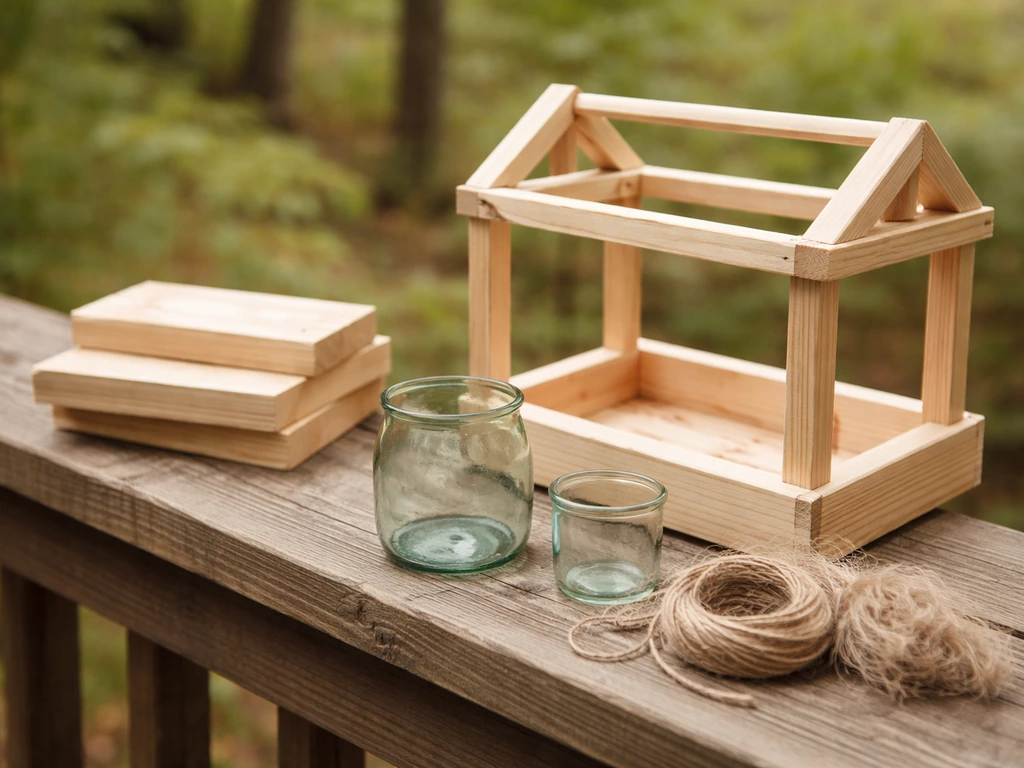
A flat platform feeder is the most versatile design you can build. It attracts the widest range of species and is easy to clean. You need a piece of untreated lumber (cedar is ideal) roughly 10 inches by 14 inches, four short strips of wood about 1 inch tall for the side rails, a drill, screws, and sandpaper.
- Cut or obtain a flat board roughly 10x14 inches. Sand all edges smooth so birds don't catch their feet.
- Drill several small drainage holes (about 1/4 inch diameter) across the floor of the platform. This is the single most important structural detail: without drainage, seed sits in water and molds within days.
- Attach the four short side rails around the perimeter using screws or wood glue. Leave at least one corner or gap open on each side so birds can land and exit easily, and so water can drain.
- Drill a hole or add a screw eye to each corner of the underside of the platform and run wire or cord through them to hang it level.
- Optional: apply a coat of raw linseed oil to the exterior surfaces only (not the food surface) and let it cure for at least 48 hours before use.
If you have more scrap wood available, you can add a simple roof (two angled pieces of cedar) to keep rain off the seed. That alone dramatically reduces how often you'll deal with wet, clumped seed.
Build 3: Pinecone feeder (10 minutes, no tools, great for kids)
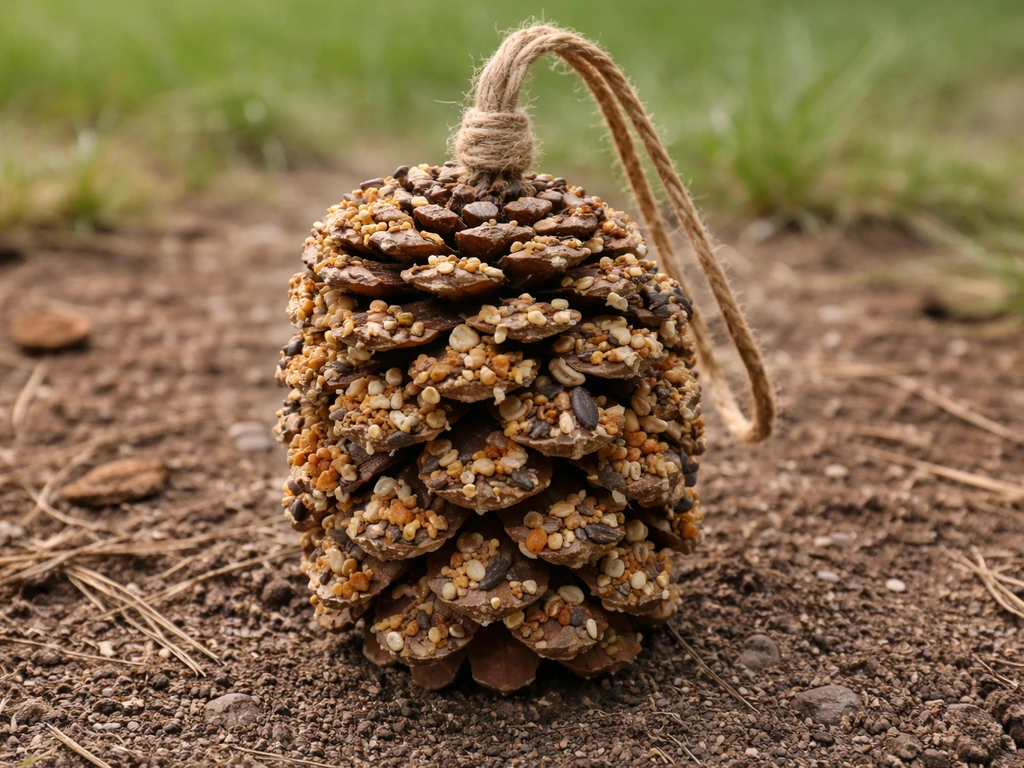
Find a large, dry, open pinecone. Tie a 12-inch length of natural twine or jute around the top of the cone with a secure knot, leaving enough length to hang it. Roll the cone in peanut butter (check that it contains no xylitol, which is toxic to wildlife) and then roll it in black-oil sunflower seed or a wild bird seed mix until it's well coated. Hang it from a branch. That's it. This isn't a long-term feeder, but it's a genuinely zero-waste introduction to backyard feeding and a fun project to do with kids. Replace it when the food is gone or when it gets wet and starts to look moldy.
How to hang or mount it so birds (and you) stay safe
Location matters more than most people realize, mostly because of window collisions. Audubon and the U.S. Fish & Wildlife Service both point to the same practical rule: place feeders either within 3 feet of a window or more than 30 feet away. The logic is simple. A bird that hits a window from 3 feet away doesn't have enough momentum to cause serious injury. A bird launching from 30+ feet away is flying in open airspace, not on a collision course with glass. The danger zone is everything in between, where birds build full flight speed aimed at a reflection.
Beyond window placement, choose a spot with nearby shrub or tree cover within 10 to 15 feet. Birds want a quick escape route if a predator shows up. At the same time, don't hang it so deep inside a shrub that cats or other predators can hide right underneath it. A clear line of sight from the feeder to the nearby cover is the sweet spot.
Hanging methods by build type
| Feeder type | Best hanging method | Notes |
|---|---|---|
| Bottle or jug feeder | Wire or twine from a branch or shepherd's hook | Keep it steady; swinging in wind spills seed |
| Wood platform feeder | Four-point wire suspension or mounted on a post | Post mounting is most stable and easiest to baffle |
| Pinecone feeder | Natural twine from a tree branch | Hang where it can spin freely without hitting the trunk |
| Any feeder near a window | Suction-cup window mount or bracket within 3 feet | Closer to glass reduces collision risk significantly |
For pole-mounted feeders, a smooth metal pole at least 5 feet tall is the foundation of good squirrel-proofing (more on that in the pest section). If you're in a windy area, a shepherd's hook with a stabilizing stake or a weighted base keeps bottle feeders from spinning constantly and dumping their seed.
Eco-friendly food choices and how to fill smart
The most eco-friendly seed is the one birds in your area actually eat, because uneaten seed is just waste. Black-oil sunflower seed is the single best all-around choice: it attracts the widest variety of birds, has a thin shell that smaller birds can crack, and is calorie-dense so birds get real nutrition from a small amount. Safflower seed, nyjer (thistle), and peanuts in the shell are all good secondary options depending on which species visit your yard.
- Buy seed in bulk from a farm supply or wild bird store to reduce packaging waste
- Store seed in a sealed metal or hard plastic container to keep moisture and rodents out
- Never fill the feeder more than birds will eat in two to three days, especially in wet weather
- Audubon is direct on this: the feeder must be completely dry before you refill it. Pouring fresh seed on top of damp seed is how mold starts.
- Avoid seed mixes with fillers like milo, red millet, or cracked wheat in most regions. Birds toss them out, they pile up under the feeder, and they attract pests.
Cleaning schedule and long-term maintenance
The Cornell Lab and the U.S. Fish & Wildlife Service both land on the same baseline: clean feeders at least once every two weeks. For example, the RSPB recommends thorough, regular cleaning and disinfecting feeders and baths, using a mild bleach solution or non-toxic disinfectants to help protect bird health clean feeders at least once every two weeks. Clean more often during wet weather, heavy use periods, or any time you see sick or lethargic birds at the feeder. Iowa DNR also recommends cleaning up spilled seed and droppings on the ground below the feeder at the same time, because disease spreads there too.
How to clean a feeder properly
- Empty all remaining seed into the trash (not compost if it looks wet or moldy).
- Disassemble the feeder as much as possible.
- Scrub all surfaces with hot soapy water and a dedicated feeder brush. Get into every corner where seed dust and droppings collect.
- Rinse thoroughly with clean water.
- For disinfection, soak or wipe down with a solution of 1 part bleach to 9 parts water. This ratio comes directly from Cornell Lab and is effective without being unnecessarily harsh.
- Rinse again completely after the bleach solution.
- Let the feeder air dry fully, ideally in sunlight, before refilling. This step is non-negotiable: a damp feeder will mold within days.
For bottle and jug feeders, the narrow openings can make scrubbing tricky. A long-handled bottle brush works well, or you can shake a small amount of soapy water vigorously inside and rinse repeatedly. If you can't get the interior truly clean, it's probably time to make a new one. Since the materials cost nothing, that's a perfectly reasonable call.
When to repair or replace
Wood feeders can last many seasons if you let them dry between rains and keep them clean. Watch for cracks that trap moisture and can't be cleaned, soft or rotting spots on the platform floor, and perches or rails that have come loose (a bird landing on an unstable perch is a fall risk). Bottle feeders should be replaced when the plastic turns cloudy, brittle, or starts to crack. Pinecone feeders are by nature single-use, which is fine.
Pest-proofing and troubleshooting the common problems
Squirrels
Squirrels are persistent, and a little humility helps here: they will find most feeders eventually. The most effective solution is a smooth metal pole (at least 5 feet tall) combined with a baffle. Audubon recommends baffles placed both above and below a pole-mounted feeder, and Massachusetts Audubon adds that a good baffle can't be easily climbed or gnawed through, which rules out most plastic options. A metal torpedo baffle or dome baffle below the feeder on the pole is the standard approach. Position the feeder at least 10 feet horizontally from any structure, fence, or branch a squirrel could jump from.
Ants
Ants are primarily a problem for hummingbird feeders with liquid nectar, but they'll also go after wet or sugary seed. For seed feeders, the main prevention is keeping the feeder dry and not overfilling it so seed doesn't pile up and ferment. For any feeder with a sweet component, ant moats (small water barriers hung above the feeder on the hook) physically block ants from reaching the food without any chemicals.
Wet and moldy seed
If seed gets wet, don't just add more seed on top and hope for the best. Empty the feeder completely, toss the wet seed in the trash, and clean the feeder before refilling. A Birdnet guidance document on feeder hygiene is explicit about this: wet seed goes in the trash, not back in the feeder. Adding drainage holes to your wood platform feeder and choosing a design with a roof overhang (or hanging under a natural overhang) solves most of this before it starts.
Raccoons and larger animals
Raccoons are mainly a nighttime problem. The simplest solution is to take feeders in at night if you're in an area with active raccoons. If that's not practical, a pole with a large dome baffle (at least 15 inches in diameter) makes it very difficult for raccoons to reach the feeder from below. Avoid placing feeders near decks, railings, or overhanging branches that give raccoons a direct route in from above.
Birds aren't coming
Give a new feeder at least two to three weeks before worrying. Birds discover new food sources by observation, and it takes time. Make sure the feeder is visible from above (open sky nearby, not buried under a dense canopy) and that the seed is fresh. Old, stale seed has less scent and fewer birds will be attracted to it. Also check that there's nearby cover: if your feeder is in the middle of an open lawn with no shrubs or trees within 20 feet, most birds will skip it because they don't feel safe landing there.
Your next steps
Pick one of the three builds based on what you have available right now. If you have a spare bottle and five minutes, start with the bottle feeder. If you have scrap wood and a free afternoon, build the platform feeder. If you want something instant and zero-commitment, grab a pinecone.
If you want to take it further, learn how to decorate a bird feeder in a way that still keeps the materials safe for backyard birds. Hang it in the right spot (within 3 feet of a window or more than 30 feet away), fill it with black-oil sunflower seed, and mark your calendar to clean it in two weeks.
From there it's just iteration: notice which birds visit, adjust the seed mix if needed, troubleshoot any pest problems as they come up, and replace or repair parts when the feeder shows wear. Old bird feeders often need repair first, and if you spot damage you can use the same replace-or-repair logic discussed here to decide what to keep and what to retire replace or repair parts when the feeder shows wear.
The whole system gets easier after that first season, and you'll have a genuinely useful, low-waste setup that actually helps the birds in your yard.
FAQ
Can I use natural oils or stains to protect a wood bird feeder and still keep it eco-friendly?
Use only finishes that are specifically labeled non-toxic and food-safe for animals, and apply them sparingly. If you cannot confirm the finish is bird-safe after full cure, skip it. Untreated wood that dries between rains is often the safer eco choice than an uncertain sealant.
What should I do if the feeder attracts birds but also keeps bringing sick or lethargic birds?
Stop adding seed, remove the current supply, and do a thorough clean of the feeder and the area under it. Replace any seed that may be contaminated, and pause feeding for a short window (for example, a day or two) if you see repeated unhealthy behavior. Then restart with fresh seed and stricter cleaning frequency.
Is it better to use a lot of seed for longer periods, or refill small amounts often?
Refill small amounts more often to reduce waste and spoilage. If seed is building up, especially at the edges or in damp conditions, birds may leave it behind and it can become moldy. A smaller fill also helps you notice which species are actually eating.
How do I know whether my feeder design will cause unsafe feet or stuck bills for birds?
Avoid smooth, slippery perches, gaps where a toe can get trapped, and sharp screw ends. Check that birds can grip easily and that there are no loose rails that wobble when you gently push them. Platform designs should have a stable floor and enough space for landing without crowding.
Can I compost seed and droppings instead of throwing them away?
In most cases, it is safer to not compost material from feeders that may carry pathogens, especially if you have seen sick birds. Bag and dispose of wet or moldy seed and visible droppings. If you do compost, do it separately from food waste compost and maintain hot composting conditions, if you know your system reaches high temperatures.
What is the safest way to prevent mold or fermentation in a wood platform feeder?
Add drainage and encourage faster drying by improving airflow under and around the feeder. A roof or overhang reduces wet seed exposure, and you should empty and scrub the feeder promptly when seed clumps. Do not top off with fresh seed over wet or stale material.
How should I handle leftover seed that birds did not eat?
Keep unused seed sealed and dry until the next refill, but discard any portion that got wet or that you suspect has been contaminated by moisture, droppings, or insects. Using stale seed also lowers visitation since scent and freshness decline, so consider only storing for a short period and rotating stock.
Do I need to rinse feeders with water only, or can I use soap?
Mild, non-fragranced dish soap can help with oily residue, but rinse thoroughly so no soapy film remains. For bottle and jug feeders, soap plus repeated rinsing works best, then fully dry before refilling. If you smell lingering soap, rinse again.
How often should I clean a pinecone or other temporary feeder?
Remove it once it becomes wet, begins to look moldy, or after the food is gone, rather than trying to keep it “going.” Because the material is single-use, cleaning it for reuse usually defeats the point and increases the chance of keeping spoiled food around.
What spacing should I use for multiple feeders so they don’t conflict with each other?
Give feeders enough separation that birds and pests are not competing at close range, and watch how cats and squirrels can use nearby cover. A practical approach is to stagger locations with clear escape cover and avoid placing multiple feeders directly under the same branch or structure line where one predator route can serve them all.
Next Articles
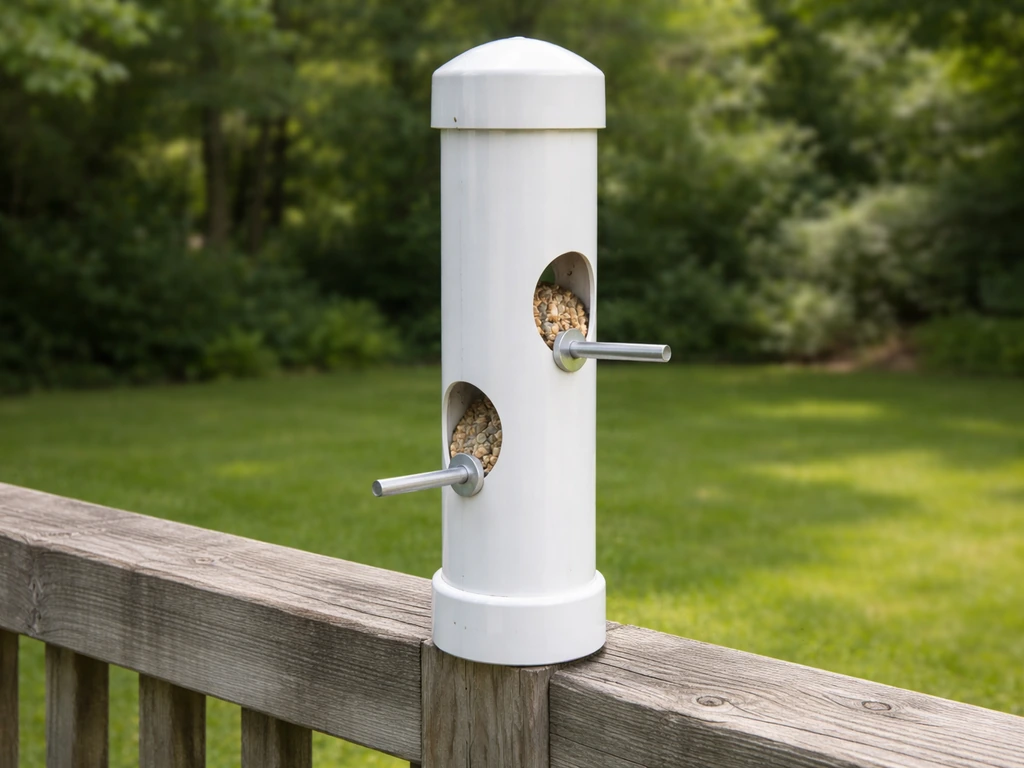
How to Make a Bird Feeder Out of PVC Pipe Step by Step
Step-by-step guide to build a PVC bird feeder with ports, perches, sealing, safe mounting, and easy cleaning tips.
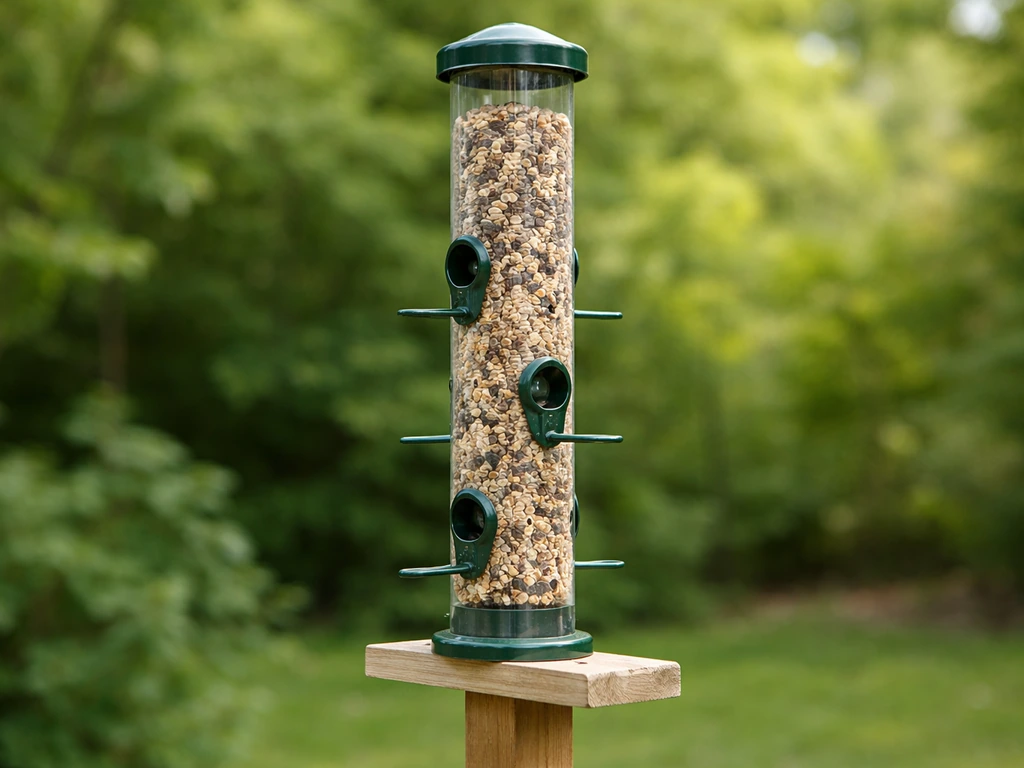
How to Make a Tube Bird Feeder Step by Step
Step-by-step how to make a tube bird feeder with materials, safe mounting, maintenance, and fixes for leaks and clogs.
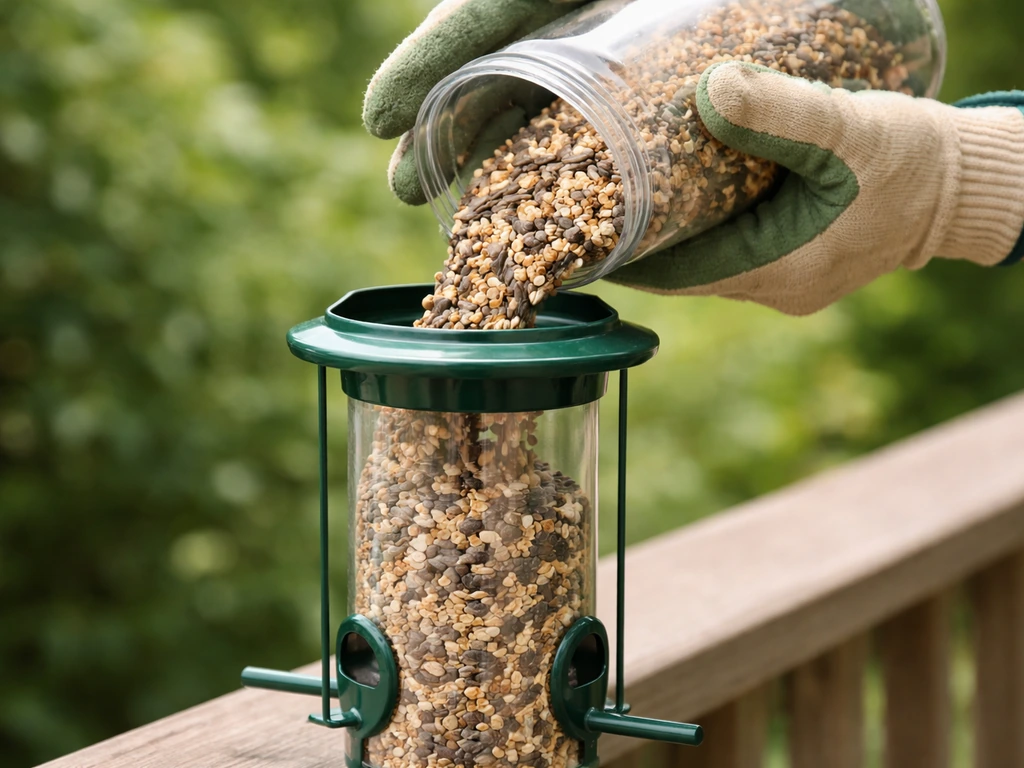
How to Put Bird Seed in a Bird Feeder Step by Step
Step-by-step guide to add bird seed to hopper, tube, platform, and suet feeders, avoiding spills and jams.