You can make a bird feeder ball at home in about 30 minutes using rendered fat (suet), birdseed, and a simple mold. Melt the fat, stir in your dry ingredients, press the mixture into a ball shape around a hanging cord, and let it set in the fridge until firm. That's the core process. Everything else below is about doing it right so the ball holds together outdoors, attracts the birds you want, and doesn't spoil or bring in pests.
How to Make a Bird Feeder Ball Step by Step
Marcus Brennan
12 May 2026
What a fat ball actually is and why birds love them
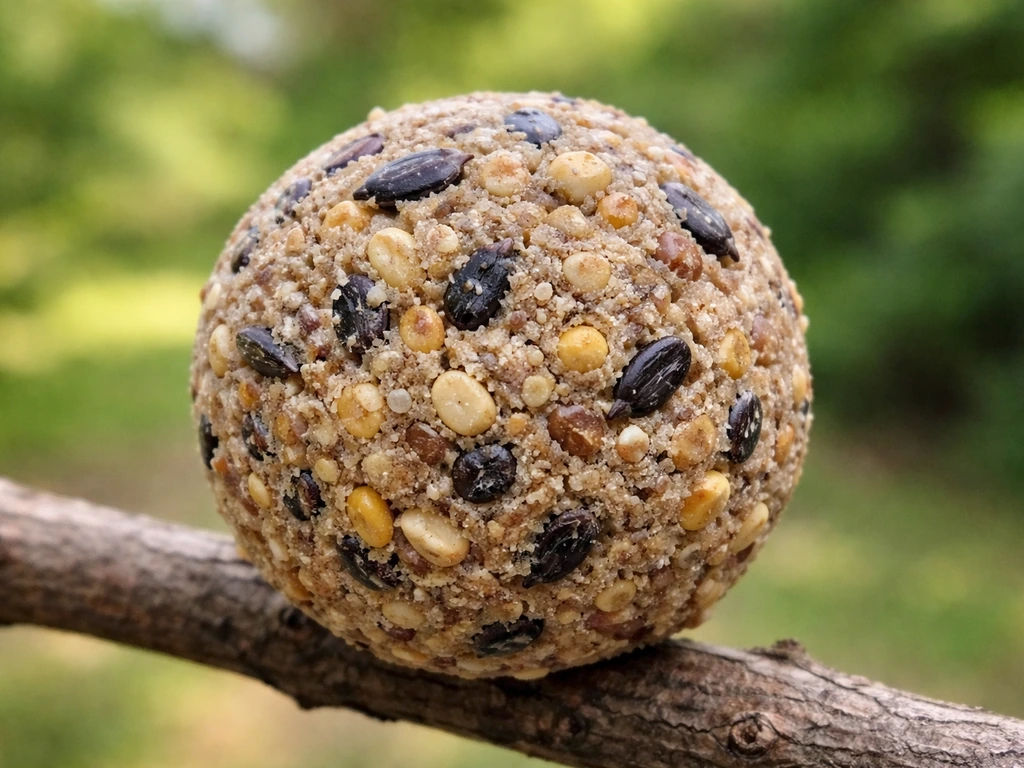
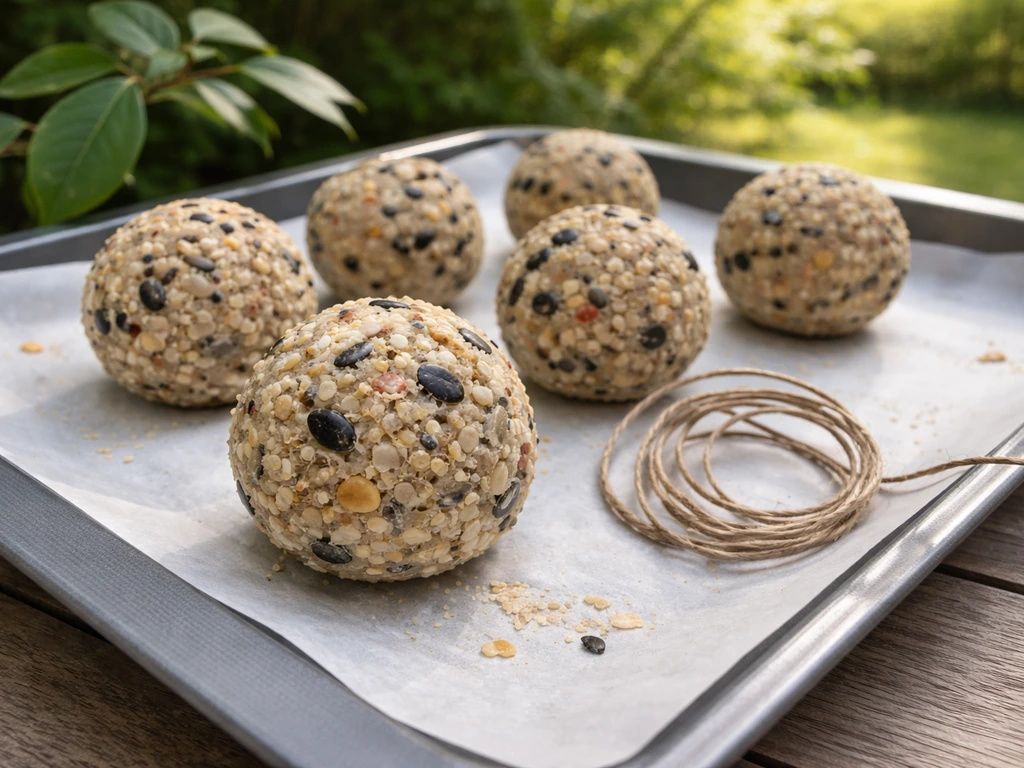
A bird feeder ball, usually called a fat ball or suet ball, is a compact sphere of rendered animal fat mixed with seeds, nuts, or other bird-friendly ingredients. Birds don't digest it the way humans process food, they burn through the calories fast, especially in cold weather when they need dense, high-energy fuel just to stay warm overnight. Suet is higher in easily digestible fat and calories than seed-only foods, which is why it's such a reliable cold-season offering.
The birds you'll attract depend a little on where you live, but fat balls are particularly popular with woodpeckers, chickadees, nuthatches, titmice, and jays. Starlings also love them, sometimes aggressively so, more on managing that below. These are mostly insect-eating or foraging birds that naturally seek out fat and protein sources in the wild, so a well-made fat ball fits right into what they're already looking for.
What you'll need: materials and ingredients
The ingredient list is short, but the quality of what you use matters. Using the wrong fat is the most common mistake beginners make, so pay attention to this part.
The fat (your binder)
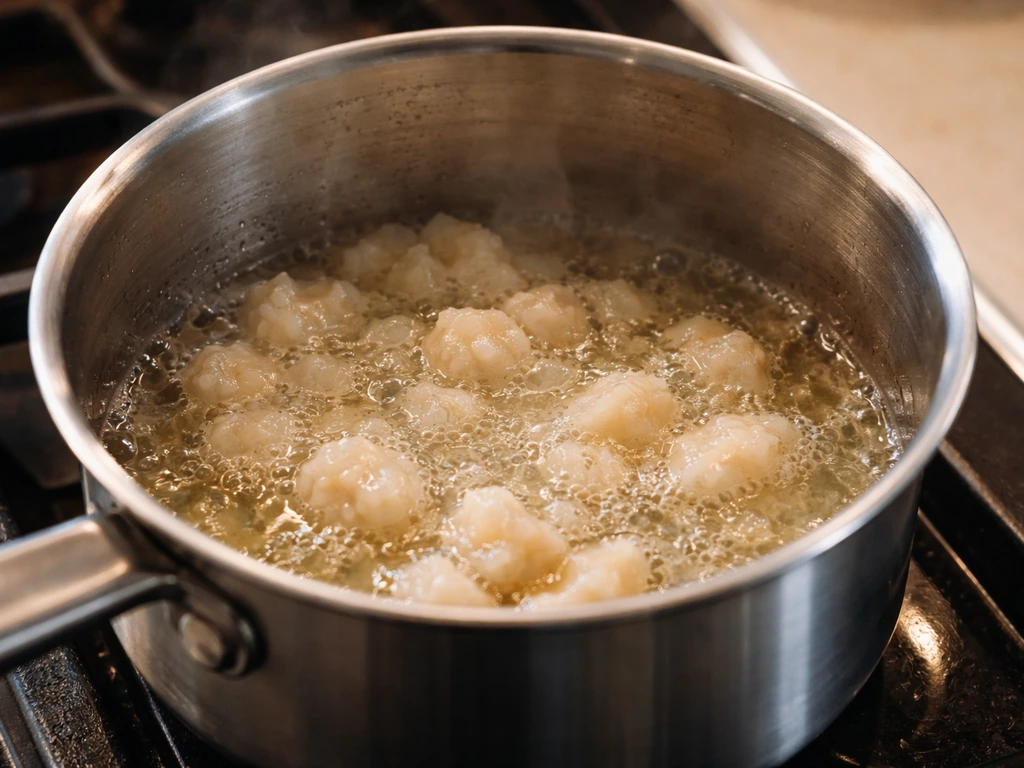
True suet is the hard, raw fat found around the kidneys and loins of beef or mutton. You can often get it cheaply or even free from a butcher. The reason you want this specific fat, rather than general cooking fat or lard from a tub, is melt point. Hard suet has a higher melt point than softer rendered fats, which means your fat ball stays solid on a warm day rather than turning greasy and slumping off the feeder. If you can't get raw suet, look for commercially rendered suet blocks sold at garden centers, these are specifically formulated for outdoor use. Avoid using coconut oil, vegetable shortening, or cheap cooking fats as your main binder. They're too soft and have a low melt point, which means the fat can end up coating birds' feathers and feet, which is genuinely harmful.
The dry mix-ins
- Black oil sunflower seeds (high fat, loved by almost every fat-ball species)
- Millet (good for smaller birds like chickadees)
- Peanuts, unsalted and unroasted, whole or crushed (excellent energy boost)
- Oats, plain and uncooked (a good filler that birds accept well)
- Dried mealworms (big draw for insect-eating species, optional but effective)
- Cornmeal, plain (helps bind and adds bulk)
- Raisins or dried berries, unsulphured (small amounts only, good for thrushes and robins)
Equipment
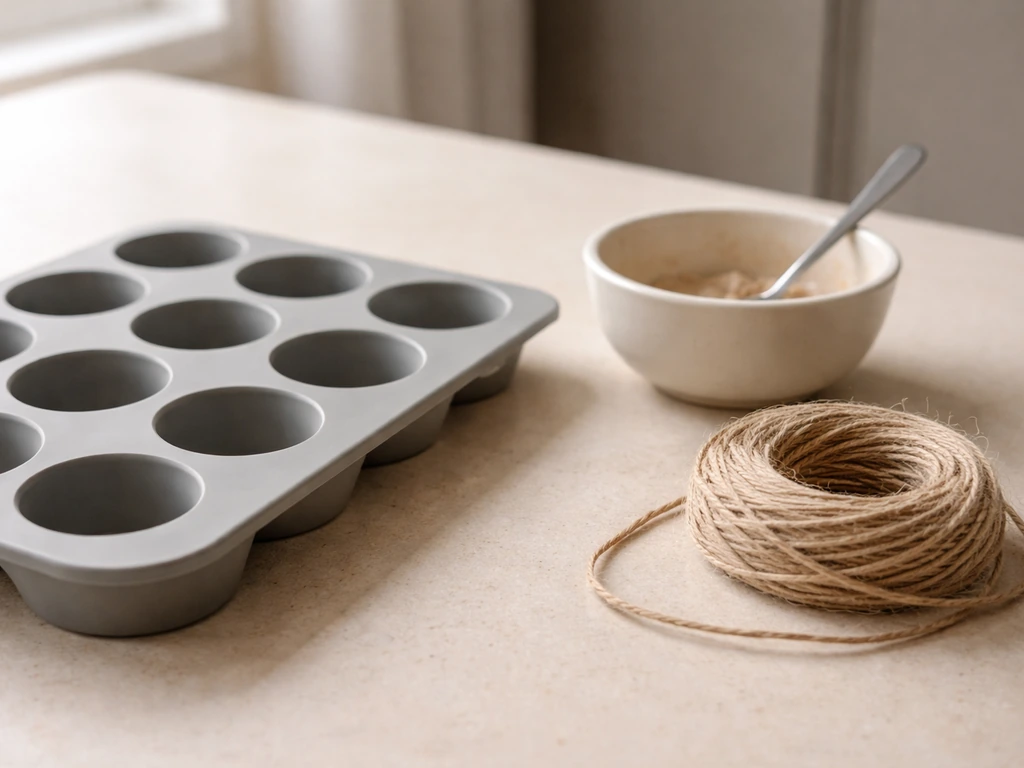
- Saucepan or microwave-safe bowl for melting fat
- Mixing bowl and spoon
- Round molds: silicone muffin tins, small plastic cups, or just your hands
- Natural jute twine, untreated cotton cord, or garden wire for hanging loops
- Refrigerator or a cool outdoor space for setting
- Parchment paper or baking tray for resting balls while they firm up
Step-by-step: making your fat balls
This whole process takes about 20 to 30 minutes of active work, plus a couple of hours of setting time (or overnight if you're not in a rush).
- Prepare your hanging cord first. Cut a piece of jute twine or cotton cord about 25 to 30 cm (10 to 12 inches) long. Tie a large knot at one end — this knot will sit inside the ball and anchor it when it sets. Set these aside.
- Melt the fat slowly. If you're using raw suet, chop it into small chunks and melt it in a saucepan over low heat, stirring occasionally. Don't rush it with high heat. If you're using a pre-rendered block, you can melt it the same way or in a microwave in 30-second bursts. You want it fully liquid but not bubbling. Strain out any connective tissue from raw suet once it's melted.
- Mix your dry ingredients. While the fat melts, combine your seeds, oats, peanuts, and any other dry add-ins in a mixing bowl. A rough ratio that works well: 1 part melted fat to 2 parts dry mix by volume. Adjust to feel — the mixture should hold together when pressed but not be swimming in fat.
- Pour and combine. Pour the warm (not scalding) melted fat over the dry mix and stir everything together thoroughly. Work quickly before it starts to cool and stiffen.
- Shape the balls. Scoop a large handful of the mixture and press it firmly around the knotted end of your hanging cord. Pack it tightly, rotating it in your palms to form a ball roughly the size of a tennis ball. If you find the mix too crumbly, press harder or let it cool slightly so it's more pliable. For a more uniform shape, press the mixture into a silicone muffin cup or small round container with the cord threaded through the center, then unmold once set.
- Set the balls. Place finished balls on a parchment-lined tray with the cord dangling off the edge, and put them in the refrigerator for at least 2 hours. Overnight is better. In winter you can set them outside in a cool spot instead.
- Test before hanging. Once set, give each ball a firm squeeze. It should feel hard and hold its shape without crumbling. If it's still soft or greasy, it either needs more setting time or the fat ratio was too high.
Shaping, setting, and weather-proofing your fat balls
The biggest failure point for homemade fat balls is the summer melt. Even a good-quality suet ball can start to go soft when temperatures climb above about 20 to 25°C (68 to 77°F). For this reason, the USDA recommends only putting out suet-based feeders during cooler months: autumn, winter, and spring. If you live somewhere with mild summers you may get away with year-round use, but watch the balls carefully as temperatures rise. A melting fat ball is messy, can coat birds' feathers, and spoils quickly.
To give your fat balls the best chance outdoors, let them set completely in the fridge before hanging, and hang them in a shaded spot during warmer weather. Placing them under a natural overhang or using a feeder dome cover helps keep off direct rain and sun. If you want to get into feeder covers and dome designs, those are separate builds worth exploring alongside fat ball setups.
If you're using a mold for a more perfect sphere, a silicone ice ball maker (the kind for cocktails) works brilliantly. You can also use similar shaping and hanging ideas when you make a bird feeder ring. Thread the cord through a small hole poked in the mold before filling, let it set, and pop it out cleanly. Reusable silicone molds also make it easy to batch-produce a dozen fat balls at once, which is worth doing if you have the ingredients.
How to hang fat balls and where to place them
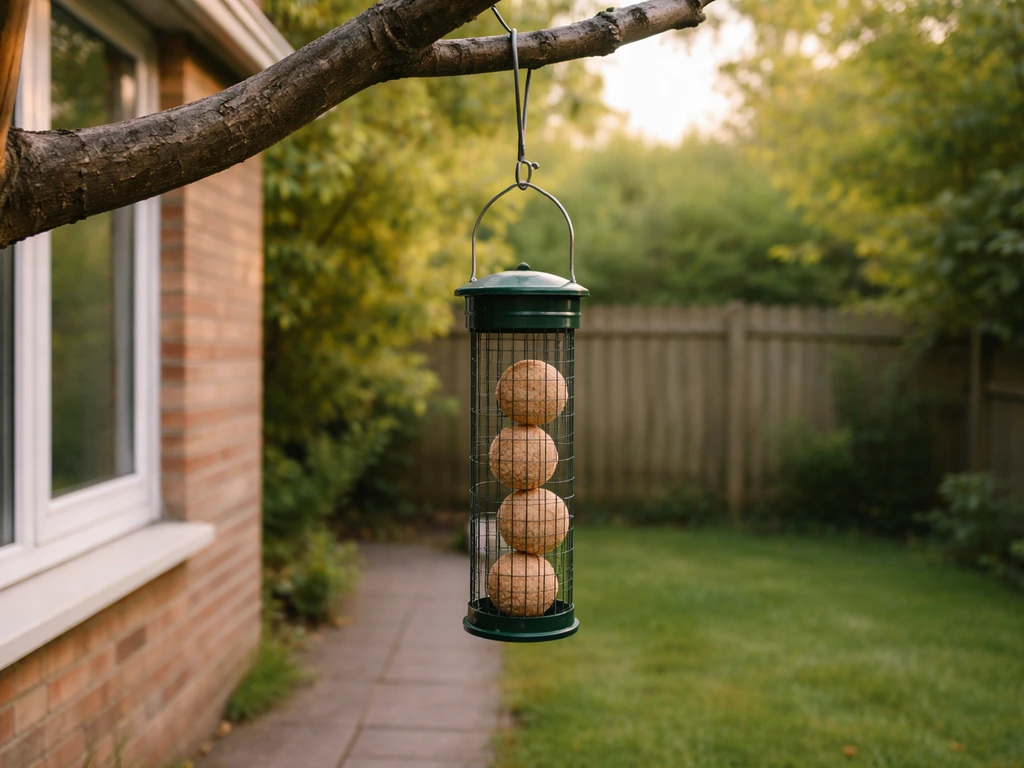
Hanging placement matters more than most people realize. Get it wrong and you'll either see very few birds or attract every squirrel in the neighborhood. Here's what actually works. If you want something more entertaining, you can also learn how to make a spinning bird feeder that moves in the breeze while still feeding birds safely.
Hang fat balls at a height of roughly 1.5 to 2 meters (5 to 6 feet) off the ground. This puts them out of easy reach for cats and most ground-dwelling pests while still being accessible to the clinging, agile birds that fat balls are designed for. Woodpeckers and nuthatches are comfortable hanging upside-down to feed, so don't worry about angle, they'll work it out.
Tie the free end of the hanging cord to a sturdy branch, a purpose-built feeder hook, or a bracket mounted to a fence post. Avoid flimsy hooks that swing wildly in wind, fat balls will knock together and crumble if they bash into things repeatedly. A simple S-hook on a fixed arm works well. You can also drop fat balls into a wire cage suet feeder, which protects the ball from being carried off whole by larger birds and gives smaller species a safe grip.
Position the feeder near cover (a hedge or shrub within a few meters) so nervous birds have somewhere to retreat, but not so close to dense vegetation that cats can use it as a launch pad. About 2 to 3 meters from cover is a good rule of thumb. Keep fat ball feeders away from seed-only feeders if you want to attract different species to each, woodpeckers especially prefer their suet station to be less busy.
Keeping things clean: maintenance and when to replace
Fat balls don't last forever, and an old, rancid one is worse than no feeder at all. In cool weather a fat ball can last one to two weeks, but in warmer or humid conditions it can go bad much faster. Check them every few days. Signs it's time to replace: the ball has gone grey or has a rancid smell, it's developed mold (usually fuzzy white, green, or black growth), or it's gone very soft and greasy. When in doubt, replace it, rotten suet can spread harmful bacteria to the birds visiting it.
For the hanging cord and any cage feeder you're using, clean them every one to two weeks. All About Birds recommends washing feeders at least once a week with hot water and a good scrub. All About Birds also advises taking suet feeders down when warm weather starts, since suet can soften and spoil more quickly in heat washing feeders at least once a week with hot water and a good scrub. For a deeper clean, use a dilute bleach solution of 1 part bleach to 9 parts water, let the feeder soak for about 15 minutes, then rinse thoroughly and allow it to dry completely before refilling. A wet feeder put back out immediately can encourage mold growth. In hot or humid weather, clean more often, every week is a reasonable minimum in summer.
Don't forget the ground underneath. Old fat and seed debris falls and accumulates, and it can harbor mold and attract rodents. Rake or clear the area under your feeder regularly, ideally every week or two. If you're finding a lot of debris, consider moving the feeder slightly every few weeks to distribute the mess and avoid creating a permanent damp patch.
Safety: what to avoid and how to keep pests out
Harmful ingredients to skip
Not everything that seems bird-friendly is actually safe. Here's what to leave out of your fat ball recipe:
- Salted or roasted peanuts — salt is harmful to birds; roasting damages the fats
- Desiccated coconut — expands in birds' stomachs and can cause serious harm
- Bread, especially white bread — nutritionally empty and can cause impaction
- Cooked oats or cooked porridge — sticks to beaks and dries in a way that can cause damage
- Honey — ferments quickly and can carry dangerous bacteria
- Polyunsaturated cooking fats, margarine, or vegetable shortening used as the main binder — these have a low melt point and can transfer onto feathers in a way that destroys waterproofing
- Chocolate or anything containing xylitol, onion, or garlic — toxic to birds
- Unrendered kitchen drippings as a main fat source — mixed fats, especially from cooked meat, spoil fast and carry bacteria
Keeping squirrels and other pests away
Squirrels will absolutely go after fat balls, and they can demolish one in minutes. The most reliable physical deterrent is a baffle, a cone or dome-shaped barrier mounted on the pole or hanging wire above the feeder. For a pole-mounted setup, blank" rel="noopener noreferrer">Audubon recommends positioning the baffle at around 4 to 5 feet off the ground. For hanging setups, a dome baffle above the fat ball (similar to a bird feeder dome design) will block squirrels from climbing down the cord. The baffle only works if it's correctly installed, a loose or too-narrow baffle is easy for squirrels to bypass.
Starlings are the other common headache with fat balls. They tend to mob suet feeders and crowd out smaller birds. Using a cage feeder with smaller mesh openings (around 40 to 50mm) allows chickadees, nuthatches, and titmice to feed through the gaps while making it awkward for larger birds. Upside-down suet feeders are also worth trying, woodpeckers and nuthatches handle them easily, but starlings, which prefer to stand upright, find them frustrating.
For rats and mice, the key is not leaving fat balls out overnight. Take any uneaten fat balls inside at dusk or use a feeder with a closing mechanism, and always clear up fallen debris from the ground. Rodents are opportunistic, if there's nothing on the ground after dark, they'll move on.
Your first batch: a quick-reference recipe
| Ingredient | Amount (makes approx. 6 balls) | Notes |
|---|---|---|
| Rendered suet or suet block | 250g (about 1 cup melted) | Hard fat only — not soft spreads |
| Black oil sunflower seeds | 150g (about 3/4 cup) | Core ingredient for most species |
| Unsalted peanuts, crushed | 75g (about 1/2 cup) | Can substitute with peanut butter, no added salt |
| Rolled oats, uncooked | 75g (about 3/4 cup) | Plain only, not instant or flavored |
| Millet or mixed small seeds | 50g (about 1/4 cup) | Optional but good for small birds |
| Dried mealworms | 2 tablespoons | Optional, great for insect-eating species |
| Jute twine hanging loops | 6 pieces, 25-30cm each | Knot one end before shaping |
Once you've made your first batch and watched the birds work through them, you'll almost certainly want to experiment. Try adjusting the seed mix for the species you're seeing most, or batch-make a larger quantity to freeze and pull out as needed throughout the colder months. Fat balls freeze well for up to three months, just wrap them individually in parchment and store in a freezer bag. Hang them straight from frozen in cool weather and they'll thaw to the right consistency within a few hours.
FAQ
Why are my bird feeder balls falling apart when I hang them?
If your mixture is crumbly after setting, it usually means the fat was too cool when the seeds were added or the ball did not set long enough. Melt the suet fully, stir thoroughly, press firmly into the mold, then refrigerate until completely firm (often 2 to 3 hours, or overnight for large batches).
How can I keep homemade feeder balls from melting in summer?
In hot weather, avoid using soft fats like lard or vegetable shortening as your main binder. If you must make balls before warmer temperatures, use a higher proportion of hard suet and freeze the finished balls immediately after they firm up, then store in the freezer until you can hang them in cooler windows.
What should I do if starlings dominate the feeder and smaller birds can’t get in?
If starlings or larger birds empty the feeder quickly, switch from open balls to a cage suet feeder, or use a feeder design that limits access. Smaller-mesh gaps (about 40 to 50 mm) help allow small cling-feeders to reach while making it harder for bigger birds to take whole chunks.
How do I stop rats and mice from eating the fat balls?
For rats and mice, the main fix is removing temptation at night. Take uneaten balls in at dusk and clear fallen debris under the feeder regularly. A baffle that blocks climbing down cords also reduces rodent access.
Can I put fat balls out all year?
You should not offer suet balls year-round in most climates. Start with cooler months and use your local temperatures as a guide, when daytime temperatures consistently climb above about 20 to 25°C (68 to 77°F), expect softness and spoilage risk, so pause or relocate to shaded, cooler spots.
What is the best distance from bushes or cover for a bird feeder ball?
Use the right placement distance, aim for roughly 2 to 3 meters from cover. Too close to dense shrubs can give cats a quick ambush route, too far away and timid birds may not use the feeder.
Do I need to clean the string/cord too, or just the balls?
Clean the cord, hook, or cage feeder at least every 1 to 2 weeks because oils and seed dust build up and can grow mold. If you see any film or stickiness, scrub with hot water first, then rinse and fully dry before refilling.
How can I tell when a fat ball has gone bad?
If you notice grey discoloration, a rancid smell, or fuzzy growth, discard the ball immediately and do not rinse it and reuse it. Old, rancid suet can spread harmful bacteria, so replace the entire batch and clean the feeder area.
How long can I store homemade feeder balls in the freezer, and how should I use them?
Fat balls can be frozen up to around three months. Wrap them individually in parchment, store in a freezer bag, then hang them straight from frozen in cool weather so they thaw slowly without turning overly greasy.
Will a baffle work reliably against squirrels, and what can go wrong?
If you want more control over mess and squirrels, use a properly sized baffle above the ball or above the cord, and mount it so there is no gap. A loose or narrow baffle is easy for squirrels to bypass.
How do I adjust the ingredient mix based on which birds visit my yard?
When changing your seed mix, make small adjustments and observe for a week. Start with ingredients suited to the birds you’re seeing most, since different species favor different textures and access points, and keep the fat-to-seed ratio high enough to keep the ball firm.
Next Article
How to Make a Tube Bird Feeder Step by Step
Step-by-step how to make a tube bird feeder with materials, safe mounting, maintenance, and fixes for leaks and clogs.