A wingspan bird feeder is a wide, open platform or tray-style feeder built with enough horizontal space for birds to land, spread their wings slightly, and feed without crowding. If you want an easy starting point, this wingspan feeder approach is also a practical option when you’re figuring out how to make a bird feeder cage. For most backyard birds like cardinals, jays, and mourning doves, that means a feeding surface at least 12 to 18 inches across.
How to Build a Wingspan Bird Feeder Step by Step
Marcus Brennan
12 May 2026
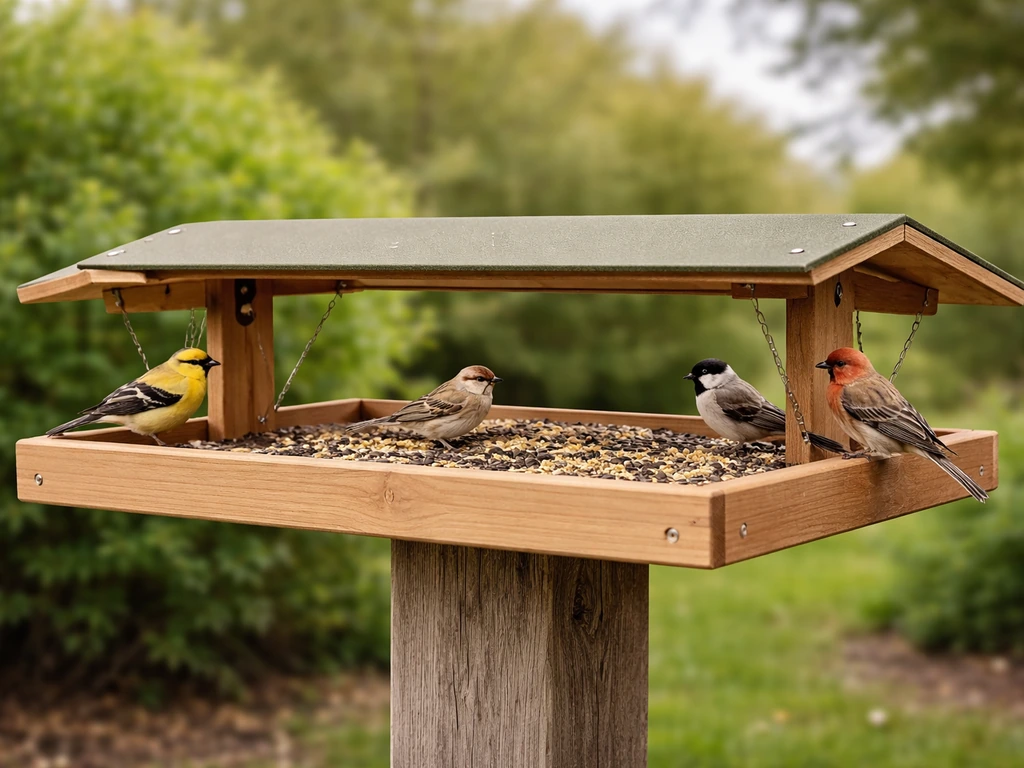
You build one using basic lumber, a few tools, and an afternoon, and then hang it 5 to 6 feet off the ground, away from squirrel launch points, with a baffle on the pole below it. If you want to target bigger birds with a larger design, follow the step-by-step guide for how to make a big bird feeder. Here's exactly how to do it.
What a wingspan feeder actually is (and how to size it right)
People use the term "wingspan feeder" loosely, but the idea is simple: it's a feeder designed with enough open landing area that birds don't feel pinched or jostled. Tube feeders and small hopper feeders work fine for chickadees and finches, but larger birds like northern cardinals (wingspan 9 to 12 inches), blue jays (wingspan 13 to 17 inches), or mourning doves (wingspan 14 to 18 inches) need more room. A cramped perch means they'll skip your feeder entirely and find somewhere easier.
In practice, a wingspan feeder usually takes one of two forms: a large open platform tray (basically a flat deck with low rails and drainage holes) or a wide hopper feeder (a box with a roof, walls that funnel seed down to a tray, and a generous feeding ledge around the perimeter). Both work. The platform is simpler to build and easier to clean.
The hopper protects seed from rain better, which matters if you're refilling every few days and don't want moldy seed. If you're building for bigger birds like jays and doves, a platform with 16 to 18 inches of usable deck space is the sweet spot. If you want to target cardinals specifically, 12 inches square is workable but 14 to 16 inches is noticeably better.
The depth of the tray matters too. Go at least 1 inch deep on the sides so seed doesn't blow off, but not so tall that birds can't see over the edge while feeding, 1.5 inches is a good wall height for an open platform. If you want to build a hopper-style wingspan feeder instead, it's similar to a birdhouse box with the bottom two sides open, a peaked roof to shed rain, and a wide ledge tray below. That style takes a bit more work but keeps seed fresh longer, which is the same principle behind purpose-built hopper feeders sold commercially.
What you'll need: materials and tools
For a basic 16 x 16 inch open platform feeder, here's what to gather. You don't need expensive lumber, cedar is ideal because it resists rot naturally, but pressure-treated pine or even repurposed fence board works fine if you seal the wood with an exterior finish.
- One piece of 1x6 cedar or pine board, at least 4 feet long (for the deck and side rails)
- One piece of 1x2 board, about 6 feet long (for low side walls/rails)
- Exterior wood screws, 1.25 inch and 1.5 inch lengths
- Waterproof wood glue (optional but helps joints last)
- 1/4 inch drill bit for drainage holes
- Drill or screwdriver
- Hand saw or circular saw
- Sandpaper (80 or 120 grit)
- Exterior wood sealant or paint (non-toxic, water-based)
- Eye hook or mounting hardware for hanging (if pole-mounting, a flange or lag screw)
- Chain or braided wire rated for at least 10 pounds (for hanging)
If you're budget-conscious, a pallet board or old fence plank cut to size works surprisingly well. Just make sure there are no nails or staples left in the wood, and sand any rough edges so birds don't snag a foot. Total material cost for a from-scratch build runs roughly $10 to $20 if you're buying new lumber. If you're pulling from scraps, it's basically free.
How to build it: step-by-step
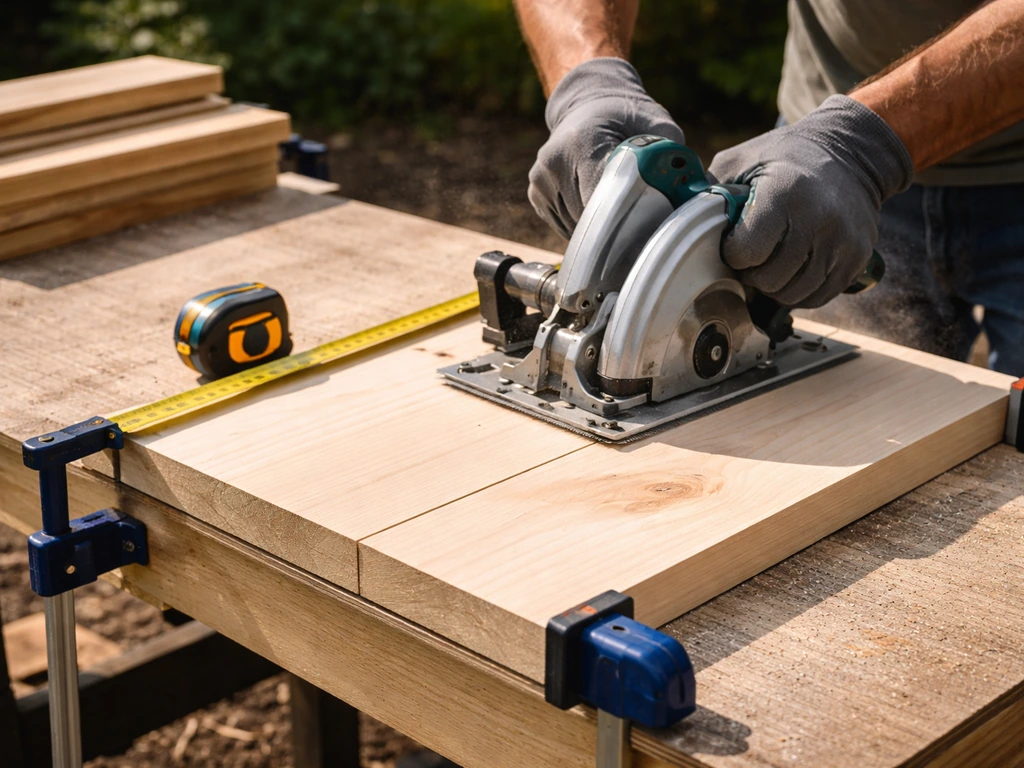
This build is for a 16 x 16 inch open platform feeder, which takes about two hours including drying time. Adjust dimensions up or down based on the birds you're targeting.
- Cut your deck piece: Cut the 1x6 board down to create a 16 x 16 inch square. You may need to rip two pieces and screw them side by side if your board is only 5.5 inches wide — that's fine, just line them up flush and glue/screw them together first.
- Drill drainage holes: Before assembling anything, drill at least 6 to 8 holes (1/4 inch diameter) across the deck surface in a rough grid pattern. This is non-negotiable — standing water in a seed tray causes mold and bacterial growth fast. Space the holes about 3 to 4 inches apart.
- Sand the deck: Run 80-grit sandpaper over all surfaces, then follow with 120-grit. Pay attention to corners and edges where birds will perch. Splinters are a real hazard for bird feet.
- Cut and attach the side rails: From the 1x2 board, cut four pieces at 16 inches each. These become the low walls around the platform perimeter. Screw them on edge along each side of the deck, flush with the top surface. Use two 1.25-inch screws per rail piece, pre-drilling the holes to avoid splitting. Rail height will be about 1.5 inches, which keeps seed in without blocking birds' sightlines.
- Leave one corner or one short section open: On at least one side, leave a 3 to 4 inch gap in the rail. This lets rain run off easily and also lets birds step on and off the platform from below rather than always flying straight in. It's a small detail that actually helps visit rates.
- Apply exterior sealant: Coat all outer surfaces with one thin layer of non-toxic exterior wood sealant or exterior latex paint. Let it dry fully — usually 24 hours. Do not seal the interior deck surface where seed will sit, or use only a food-safe finish there. The goal is protecting the wood, not coating the seed contact area with chemicals.
- Add mounting hardware: For pole mounting, screw a flat flange bracket to the underside center of the deck. For hanging, screw a heavy-duty eye hook into a centered point on the underside and run chain or braided wire through it. Make sure whatever hardware you use can hold at least 5 to 10 pounds (the feeder weight plus a full load of seed).
- Do a level check: Before heading outside, set the feeder on a flat surface and eyeball it. A slightly unlevel platform means seed slides to one side and stays wet. Adjust by adding a thin wood shim under a rail if needed.
If you want to step up to a hopper-style wingspan feeder, the build is similar but adds two angled side panels that funnel seed down to the tray, plus a peaked roof. That design is worth doing if you're in a rainy climate or want to reduce how often you refill. The construction logic is the same: wide tray, drainage holes, low rails, solid mounting. The difference is you're also building a seed reservoir above the tray.
Where and how to hang it
Placement is where a lot of people get this wrong, and it makes a big difference in both bird visits and bird safety. The two main concerns are predator access and window collisions.
Height-wise, aim for 5 to 6 feet off the ground on a pole. That's high enough that cats can't easily reach a perching bird, and low enough that you can comfortably reach in to clean and refill. If you're hanging it from a tree branch, the same rough height applies, but keep in mind that trees give squirrels easy launch points. Squirrels can jump roughly 6 feet straight up and easily leap from a tree or structure, so a feeder hung from a branch is basically a squirrel buffet unless you take extra steps.
For window placement, the research on this is counterintuitive but solid: the safest spot near a window is actually very close to it, within 3 feet. When a feeder is 15 to 30 feet from a window, birds that flush from the feeder can build up enough speed to fatally strike the glass.
At under 3 feet, they simply can't accelerate enough to cause serious injury. So either place your feeder well away from windows (more than 30 feet), or right up close. Audubon also recommends reducing window strikes by placing feeders and birdbaths within 3 feet of the nearest window or more than 30 feet away [place feeders and birdbaths within 3 feet of the nearest window or more than 30 feet away](https://www. audubon.
org/news/think-you-have-bird-friendly-backyard-think-again). That middle distance is the danger zone.
For the pole itself, use a smooth metal pole if possible. Squirrels struggle to grip metal. Then add a baffle, a cone-shaped or cylinder-style physical barrier mounted on the pole below the feeder. A good baffle sits about 4 feet off the ground and is wide enough (at least 15 to 18 inches in diameter) that squirrels can't reach around it or over it. This setup won't stop every squirrel every time, but it reduces raiding dramatically and is a lot less frustrating than constantly chasing them off.
What to fill it with and how to keep it fresh
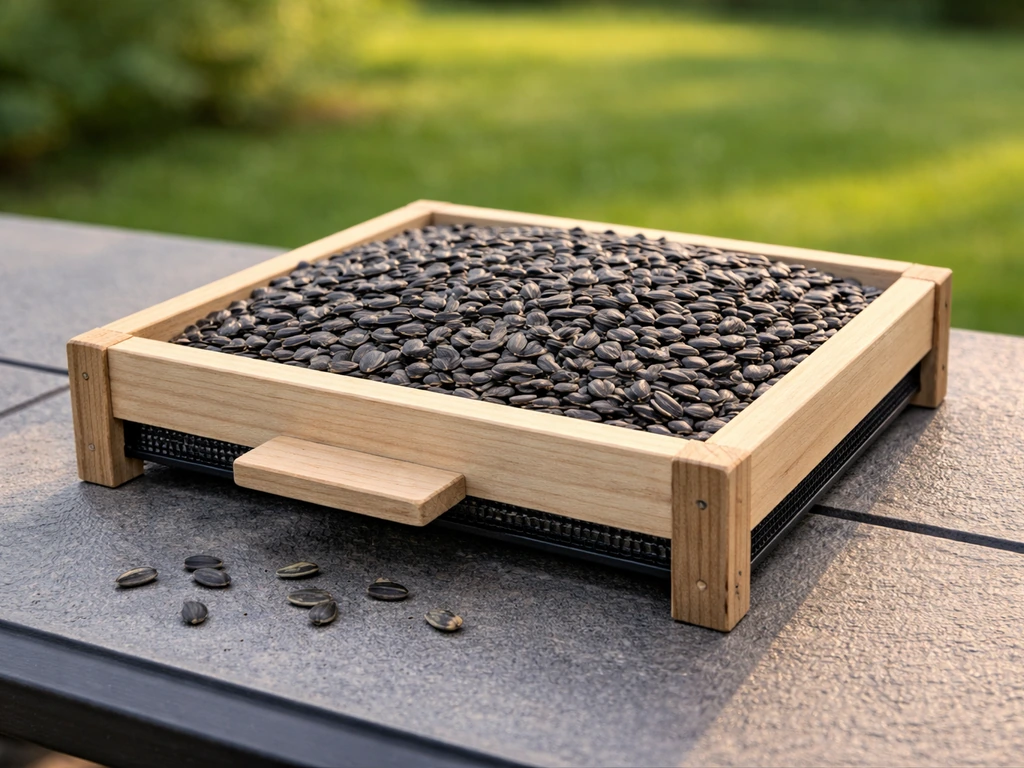
For a wide platform feeder, black oil sunflower seed is the single best all-around choice. It attracts the widest variety of birds, including cardinals, chickadees, nuthatches, and finches. For larger birds like jays and doves, add some safflower seed or cracked corn to the mix, mourning doves in particular prefer to feed on spilled seed on the ground below the feeder, so a little overflow isn't a problem. Avoid cheap filler mixes loaded with milo or oats; most birds toss those aside and they just rot on the tray.
Refill frequency depends on your bird traffic, but plan on checking it every 2 to 3 days. Don't let seed sit for more than a week without stirring or replacing it, especially in humid weather. Wet seed mats together and grows mold quickly, and moldy seed can make birds sick. If you notice the seed clumping or smelling musty, dump it all and start fresh.
Cleaning is something people skip and really shouldn't. A good rule of thumb is a thorough scrub every two weeks, and more often during heavy use or wet stretches. To disinfect, use a diluted bleach solution, about 1 part bleach to 9 parts water, or roughly 1 tablespoon of household bleach per gallon of water. Scrub the tray and rails, let the solution sit for about 15 minutes, then rinse thoroughly and air dry completely before refilling. This kills the bacteria and mold that spread disease between birds at shared feeders. Skipping this step is one of the main ways backyard feeders do more harm than good.
Keeping pests out and birds safe
Squirrels are the biggest nuisance for most people. The most reliable long-term fix is the pole-plus-baffle setup described above. Place the pole at least 10 feet away from any tree, fence, or structure they can jump from (remember, squirrels can launch horizontally too). A baffle that squirrels can't cling to or gnaw through is key, metal baffles outlast plastic ones significantly. Greasing the pole might feel satisfying but doesn't last and makes a mess. Stick with the mechanical barrier.
Ants are a secondary problem, especially if you add any sugar-based food or if you're also running a hummingbird feeder nearby. For platform seed feeders, ants are less of an issue than with nectar feeders, but if they show up, an ant moat, a small water-filled cup that hangs above the feeder on the chain, creates a water barrier they can't cross. Keep the moat filled with fresh water and check it weekly.
For bird safety beyond windows, make sure there are no sharp edges or exposed nail heads on your build. Check the feeder every month or so for splinters as the wood weathers. Also watch for hawks that might perch near the feeder and ambush birds, placing the feeder within about 10 feet of a shrub or dense bush gives smaller birds an escape route. They'll feel safer and visit more consistently.
Not getting birds yet? Here's what's actually going on
Low visit rates after a new feeder goes up is extremely common, and it's almost never because birds don't want to come. It usually takes one to three weeks for birds in the area to find and trust a new feeder. Be patient for the first two weeks before making any changes.
If you're past that window and still not seeing birds, work through this list:
- Location: Is the feeder in an exposed, open area with no nearby cover? Birds won't consistently visit a feeder where they feel vulnerable. Move it within 10 feet of a shrub, hedge, or small tree.
- Seed quality: Old or low-quality seed is a common culprit. Smell it — if it smells stale or musty, replace it with fresh black oil sunflower seed.
- Squirrel interference: Even if you don't see squirrels actively raiding, they may be visiting at night or early morning and scaring off birds with their scent. Check for gnaw marks on the feeder or disturbed seed.
- Too much noise or foot traffic: Feeders placed near a frequently used door, driveway, or play area will see fewer visits. Birds need to feel the area is calm. Give it a few days with reduced human activity nearby.
- Wrong seed for target birds: If you're hoping to attract jays or cardinals and loaded up with nyjer (thistle) seed, you won't see them. Match the seed to the bird.
- The feeder is too wet or moldy inside: Dump and clean it, re-drill drainage holes if they've clogged with debris, and refill with dry seed.
- The feeder is moving too much: A wildly swinging feeder in wind makes birds nervous. Add a stabilizing second hook point or a short length of rigid wire to reduce spin.
If you're building for a specific species, it helps to think about what else that bird wants from a feeder. Blue jays, for example, love peanuts and large seeds and strongly prefer a feeder with a wide, stable landing surface, similar to the wingspan platform built here. To make a bird feeder for blue jays specifically, use a wide, stable landing surface and choose larger seeds like peanuts.
If your interest leans toward a specific species like jays or bluebirds, the feeder dimensions, seed choices, and placement details shift a bit for each one. But for a general-purpose wingspan platform that welcomes the widest range of backyard visitors, the 16 x 16 inch open tray with sunflower seed, a clean routine, and a squirrel baffle will serve you well.
If you also want to make it a true blue jay or bluebird feeder, tailor the opening size, seed type, and hanging spot to that species.
Give it two full weeks after setup before drawing any conclusions. Keep the seed fresh, the tray clean, and the baffle in place, and the birds will show up.
FAQ
What’s the easiest way to make sure my wingspan feeder actually fits the birds I want?
For a platform-style “wingspan” feeder, aim for a wide, flat deck with enough rail height that seed stays in place, but low enough for birds to see over it and perch comfortably. A common mistake is building tall sides or a cramped top rail, which makes larger birds feel exposed and causes them to skip the feeder.
Can I use pressure-treated wood for a wingspan bird feeder?
If you use pressure-treated pine, wait until it has fully dried and cure any exterior finish according to the label before refilling. Uncured wood can off-gas and deter birds, and it also increases the chance that seed stains the surface and traps moisture.
How should I add drainage holes, and what happens if I get it wrong?
Drainage holes should be placed low on the deck and kept clear of seed buildup. If water pools, seed will mold faster, and birds may avoid the feeder due to stale, damp seed underfoot.
What surface mistakes most often cause birds to stop using a homemade feeder?
Use a smooth, hard surface for the tray area. Rough cuts and splinters create tiny snags that birds dislike, and they also trap wet seed. Before assembly, sand every edge birds can touch, then re-check after weathering once a month.
What’s the best height for a wingspan feeder if I’m trying to balance safety and maintenance?
If you hang the feeder too low, it can become easy prey for cats and also encourages squirrels to spend more time on the setup. If you hang it too high, you might not notice clumping or mold early, so check from your normal access height at least every 2 to 3 days.
My feeder ends up in the “danger zone” between windows, what can I do?
The window rule is about the distance between the birds’ takeoff point and the glass. If you cannot place the feeder very close or very far, add a physical visual break, such as window decals, to reduce sudden reflections that confuse birds, and keep the feeder location consistent rather than moving it daily.
How do I know my squirrel baffle is the right size and height?
A baffle that’s too narrow lets squirrels reach around it or climb the pole above it. If your pole is smooth, squirrels still may get through, so choose a baffle diameter of at least 15 to 18 inches and mount it at about 4 feet off the ground.
What’s the safest way to disinfect the feeder without harming birds?
Avoid cleaning with a strong, undiluted disinfectant or scented additives, because residue can irritate birds and contaminate seed. After bleach disinfection, rinse thoroughly and air dry completely so the tray does not smell or feel damp when refilled.
How should I choose seed when I want multiple species, not just one?
Sunflower seed tends to attract the most variety, but you can create a “starter blend” by mixing mostly black oil sunflower with a smaller portion of safflower or cracked corn. This reduces waste if some birds ignore certain components, and you can fine-tune after you’ve observed which species actually claim the feeder.
How long should I wait for birds to show up before changing anything?
If the seed is staying dry but birds still don’t visit, the most common cause is time and learning, not design. Give it 2 full weeks, keep the feeder in the same spot, and only make one change at a time (like seed type or placement), otherwise you reset the birds’ adjustment period.
What should I do if my seed looks clumped or smells musty?
If you’re seeing clumping or musty odors, don’t just stir it. Dump and replace the seed, then scrub the tray more often until the weather improves, because mold spores spread quickly on shared surfaces.
What build-safety checks should I do after the feeder weathers a few weeks?
Avoid metal parts with sharp edges and make sure any fasteners are countersunk or covered. Also check monthly for loosened screws or raised wood grain, since both can scrape feet or legs, which birds tolerate poorly.
Can I modify the wingspan feeder to protect from rain, and still keep it bird-friendly?
Yes, but use the same “open deck” principle. If you add a canopy or walls, keep the feeding ledge wide and allow direct landing space, otherwise dominant birds crowd the smaller ones. Also consider using a more sheltered hopper style in rainy climates so seed stays usable between refills.