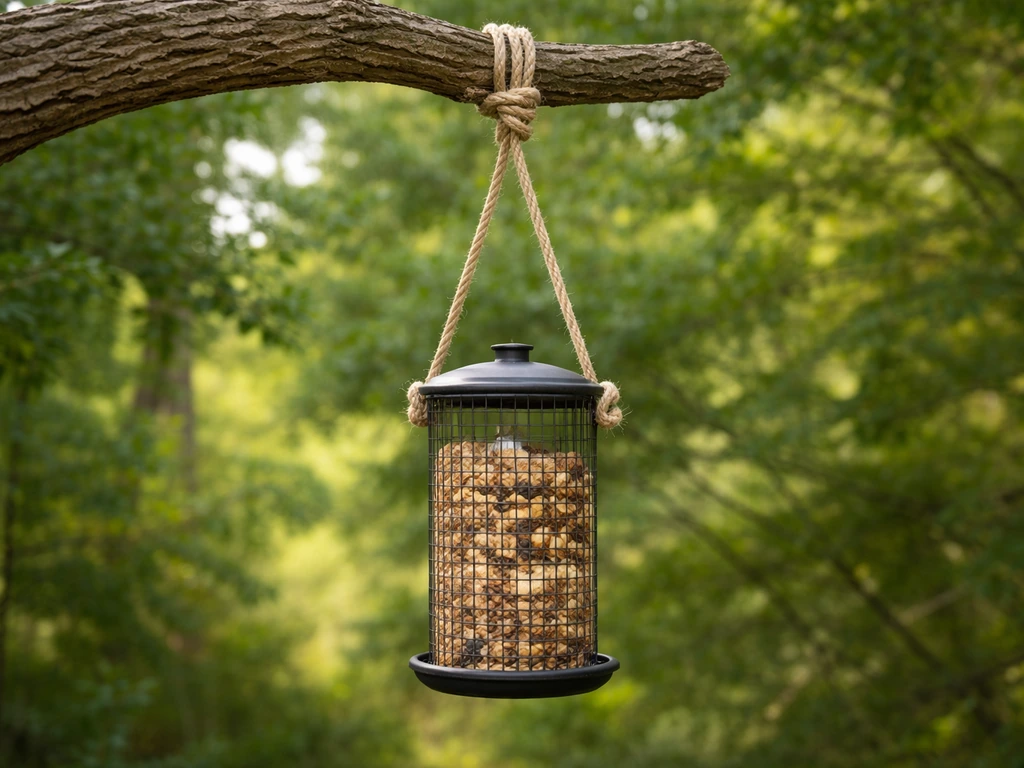
Use a 3/8-inch braided nylon or polyester rope, tie a bowline or figure-eight on a bight to form a fixed loop at the feeder's hanger, and hang it 5 to 10 feet off the ground, at least 10 feet away from any branch, fence, or roofline a squirrel could launch from. That's the core of it. Everything below fills in the details so your feeder stays level, doesn't swing like a pendulum, and holds up through rain, wind, and seasons.
How to Hang a Bird Feeder With Rope: Step by Step
Marcus Brennan
30 Apr 2026
Choose the right rope for a bird feeder
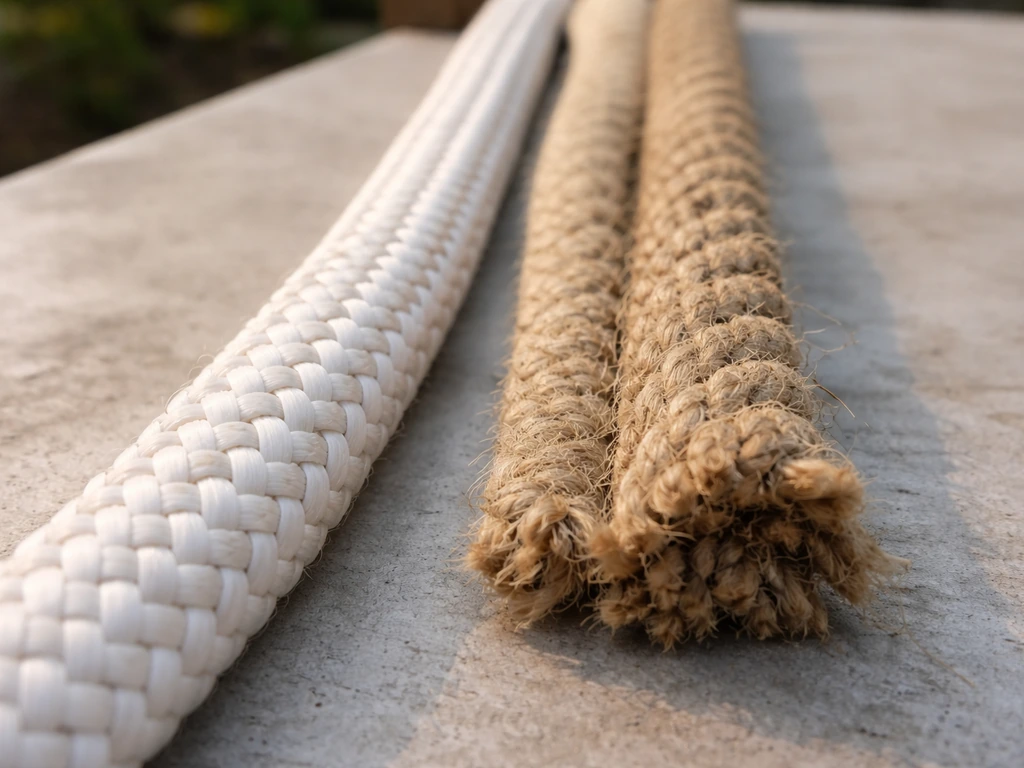
Not all rope is equal, and the wrong choice will cost you. Natural fiber ropes like jute or cotton look great but absorb moisture, rot within one season in most climates, and can fray badly enough to drop your feeder without warning. Synthetic ropes are almost always the better call for an outdoor, load-bearing setup.
Braided polyester is my first recommendation. It handles UV exposure well, doesn't stretch much (which keeps the feeder at a consistent height), and resists mildew. Braided nylon is a close second. It's slightly stretchier than polyester, which can absorb shock in windy conditions, but that stretch also means the feeder may creep lower over time. Paracord (550 cord) works in a pinch and is widely available, but go with a thicker braid for anything heavier than a small tube feeder.
| Rope type | Weather resistance | Stretch | Best for | Avoid if |
|---|---|---|---|---|
| Braided polyester | Excellent (UV stable) | Very low | Most feeder types, long-term hangs | You need knot flexibility in cold |
| Braided nylon | Good | Moderate | Windy spots, shock absorption | Precise height control is important |
| Paracord (550) | Good | Low-moderate | Light feeders, temporary rigs | Feeder weighs more than 2–3 lbs full |
| Natural fiber (jute/cotton/sisal) | Poor | Low | Decorative only, indoor use | Any outdoor or year-round application |
For thickness, 3/8 inch is the sweet spot for most standard tube, hopper, or platform feeders. It's thick enough to tie clean knots, hold a full feeder (seed is heavy), and grip comfortably if you're adjusting it by hand. For very small feeders like pinecone or mesh sock feeders, 1/4 inch is fine. Go up to 1/2 inch if you're hanging something large or building a two-point rig across a span.
One thing people overlook: check the rope's listed working load limit before you buy. A feeder full of sunflower seeds can easily weigh 5 to 8 pounds. Factor in wind load and occasional bird traffic, and you want rope rated well above that. Most 3/8-inch braided polyester is rated for 200+ pounds working load, so you have plenty of margin.
Pick a safe, bird-friendly hanging location
Location does more work than most people realize. A well-tied feeder in a bad spot will still attract fewer birds, get raided by squirrels constantly, and potentially cause window strikes. Spend a few minutes getting this right before you tie anything.
Window distance rules
The window-strike risk is real, and the placement rule is simple: hang your feeder either within 3 feet of a window or more than 10 feet away. Inside 3 feet, birds don't build up enough speed to hurt themselves if they do hit the glass. Beyond 10 feet, they have enough space to detect and avoid the window. The dangerous middle zone is roughly 3 to 10 feet out, where birds fly fast enough to do real damage on impact.
Squirrel jump-off zones
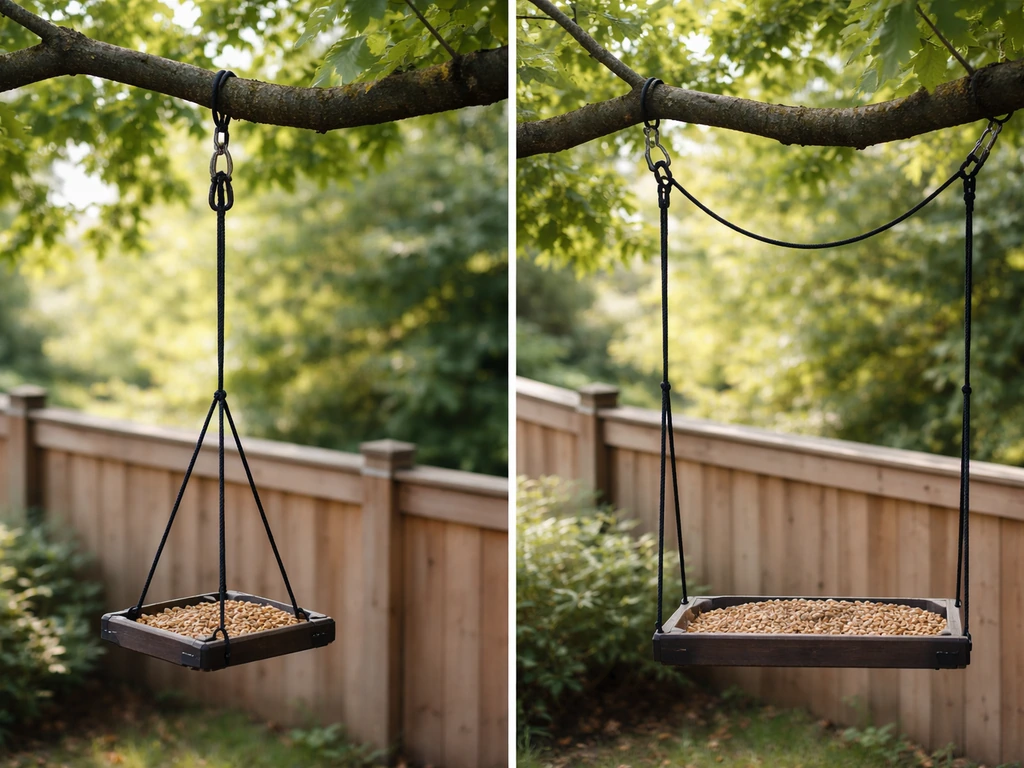
Squirrels can jump roughly 10 feet horizontally and drop from above with ease. Any branch, roofline, fence post, or railing within 10 to 15 feet of your feeder is a potential launch pad. Aim for a spot that's as open as possible. If you're hanging from a tree branch, position the feeder at least 12 feet out from the trunk and at least 4 feet below the branch it's tied to. That combination makes a direct leap much harder, though a baffle is still the belt-and-suspenders move.
Shelter without being boxed in
Birds want some nearby shelter to retreat to between visits, so hanging completely in the open 50 feet from any shrub or tree isn't ideal either. A spot that's 8 to 15 feet from a shrub hedge, tree line, or brush pile gives birds a quick escape route from hawks without being so close to the canopy that squirrels own the space. It also gives you a good sightline for watching from a window or patio.
Best hanging setups with rope (single vs two-point support)
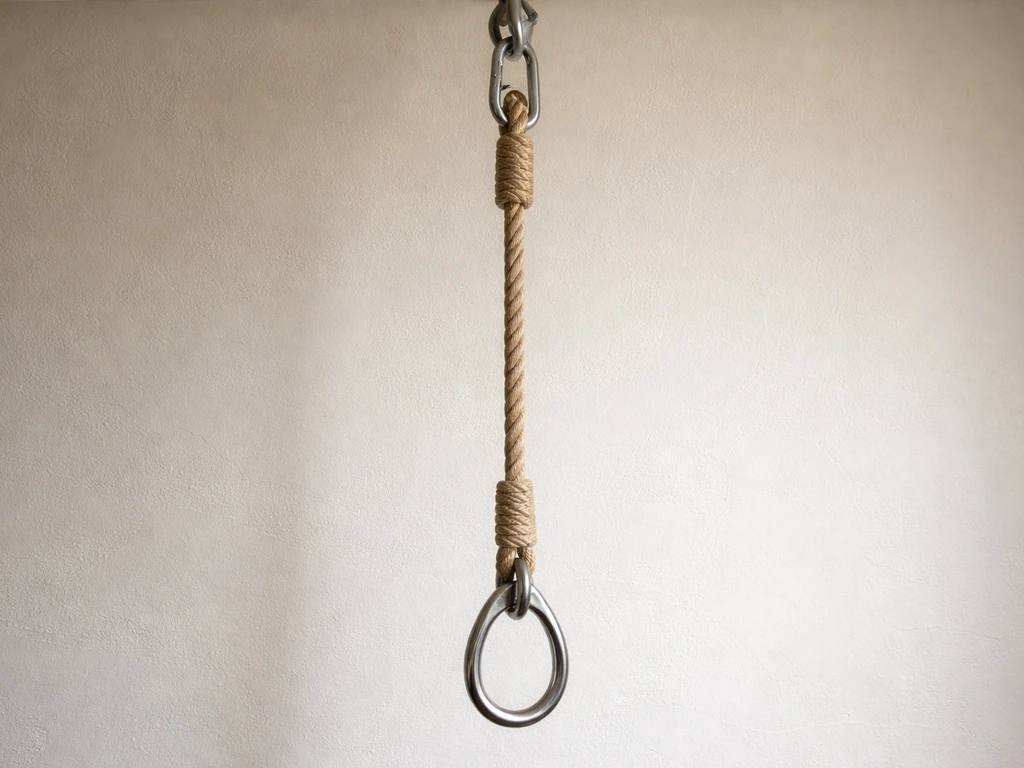
How you rig the rope matters as much as what rope you use. If you want a wall-mounted setup specifically, the same rope choices and safe rigging principles apply, just with sturdier anchors how to make a wall mounted bird feeder. The two main options are a single-point drop and a two-point horizontal span, and each suits different situations.
Single-point drop
This is the most common setup: one rope runs from a branch, hook, or beam down to the feeder's hanging loop. It's simple, quick to adjust, and works for almost any feeder style. The main downside is swing. If you're starting from scratch, this guide on how to make a hanging bird feeder will help you put all the pieces together. In wind, a single-point hang acts like a pendulum, which spills seed and can stress the knot over time. You can reduce this by keeping the rope short (less hanging length means less arc) and making sure the feeder itself isn't top-heavy.
Two-point horizontal span
A two-point setup runs a rope horizontally between two anchor points (two trees, a tree and a post, or a post and a building overhang), and the feeder hangs from the midpoint of that span via a shorter drop rope. This is more stable in wind, keeps the feeder more level, and makes squirrel access harder if the span is long enough. It does take more rope and a bit more planning. For the horizontal line, use a trucker's hitch or a taut-line system to keep tension across the span. A slack main line will sag and swing just as badly as a single-point.
If you're working with a pulley system for easy lowering and raising (useful for tall placements or heavy feeders), that's a related but slightly different setup worth exploring on its own. If you want easy lowering and raising, plan a pulley setup that matches your rope and feeder weight pulley system.
Anchor options
- Tree branch: Natural and easy, but inspect the branch for deadwood. A dead branch can fail under load. Choose one at least 1.5 inches in diameter.
- Shepherd's hook or pole: Great for open yards with no suitable trees. Rope still works here as the drop from the hook to the feeder.
- Porch beam or pergola: Convenient for close-up viewing. Just be aware of the window-distance rules and keep cats in mind.
- Fence post: Lower and less ideal for squirrel-proofing, but workable for ground-level feeders or if the fence is far from other launch points.
How to tie and secure the feeder (knots and attachment details)
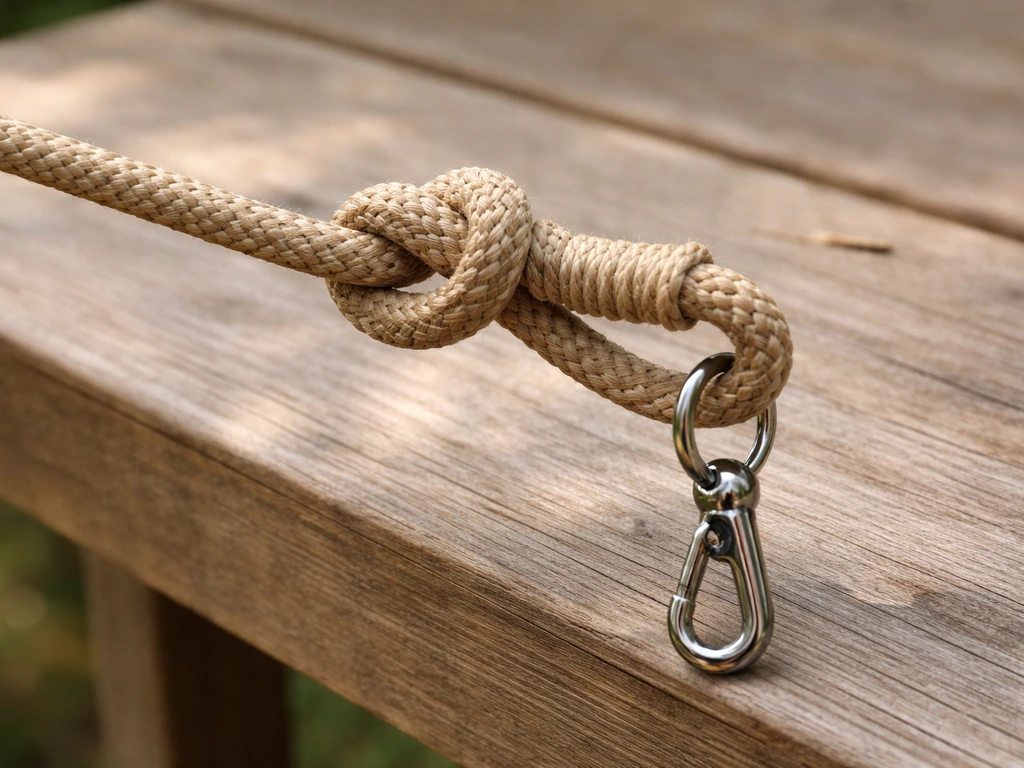
This is where most people wing it and regret it later. A slipped knot drops your feeder and probably breaks it. A poorly chosen knot is hard to untie when you need to refill or move things. Here are the three knots worth knowing for this job.
Bowline: your go-to loop knot
The bowline forms a fixed loop that won't tighten under load and won't slip loose. It's the most practical knot for attaching rope directly to a feeder's hanging loop or wire. The mnemonic: the rabbit comes up through the hole, around the tree, and back down the hole. Once you've tied it a few times it takes about 10 seconds. The loop stays the same size no matter how much weight you put on it, and it unties easily when you want to remove or adjust the feeder.
Figure-eight on a bight: bomber and easy to inspect
Fold the rope back on itself to create a bight (a doubled section), then tie a figure-eight shape with that doubled section. The result is a strong, recognizable loop that's easy to visually confirm is tied correctly. It's slightly bulkier than a bowline but holds extremely well under repeated loading, making it a great choice for heavier feeders or anywhere you want zero doubt about the connection.
Clove hitch: for attaching to branches or rails
The clove hitch wraps around a branch or bar and is quick to tie and adjust. It's great for fixing the rope's position on a horizontal branch. That said, a clove hitch can loosen over time under shifting loads, so back it up with a half-hitch or two below it if the feeder will hang there for weeks at a time. Think of it as adjustable and fast rather than bombproof.
Attaching to the feeder itself
Most feeders have a wire hanger loop, a built-in hook, or a hole through the top. If there's a wire loop, thread the rope through and tie your bowline or figure-eight below it. If there's a hook, create a rope loop with the bowline and just clip it over. For feeders with a hole (like many DIY builds from mason jars or milk jugs), run the rope through and tie a stopper knot below so the feeder can't slide off. A simple overhand knot on a doubled rope works well as a stopper. If you are specifically making a pinecone bird feeder, use this same knot and attachment approach to keep the pinecone securely hung and stable.
Set height and placement for target birds and viewing
Height affects which birds show up, how safe they feel, and whether squirrels can get to the feeder easily. These are the general guidelines that work in most North American backyards.
| Bird type | Recommended feeder height | Notes |
|---|---|---|
| Chickadees, titmice, nuthatches | 5–10 feet | Comfortable at mid-height; will use tube or hopper feeders |
| Cardinals, finches, sparrows | 5–6 feet (eye level) | Prefer lower, platform-style or hopper feeders |
| Woodpeckers | 6–10 feet | Often prefer suet cages mounted against tree trunks |
| Ground-feeding birds (juncos, doves) | Ground to 2 feet | Platform feeders or scattered seed work best |
| General mixed feeding | 5–8 feet | Good balance of predator safety and bird accessibility |
A feeder that's too low (under 4 feet) is vulnerable to cats, and squirrels treat anything near ground level as easy pickings. Too high (above 10 feet without a pulley) becomes hard to refill safely. Five to eight feet hits the sweet spot for most setups: it's above typical cat-pounce height, below the squirrel's most confident jump zone, and easy to reach with a small step stool.
For your own viewing pleasure, hang the feeder where you'll actually see it. A spot visible from your kitchen window, patio chair, or home office makes the whole project more rewarding. Orienting it so the morning light falls on it (east or southeast exposure) gives you better daytime views and is easier to photograph.
Pest-proofing and keeping the setup stable
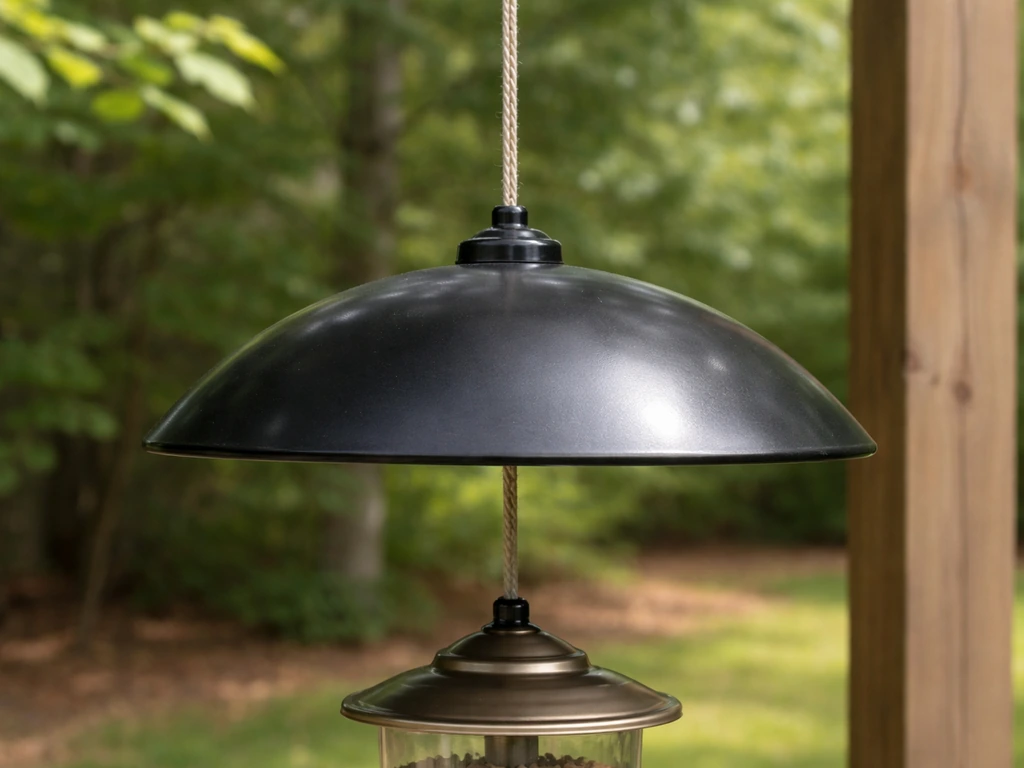
Even a perfectly hung feeder will get squirrel attention eventually. Here's how to make the setup genuinely discouraging rather than just slightly annoying to them.
Baffles and physical barriers
A baffle is the single most effective anti-squirrel tool. For rope hangs, a dome baffle above the feeder blocks squirrels from climbing down the rope. Thread the rope through the center of the dome baffle before tying it to the feeder, so the baffle sits above and slides down snugly. If you're hanging from a pole or shepherd's hook, a cylinder baffle around the pole works better. No amount of strategic placement fully replaces a baffle if you're in a squirrel-heavy yard.
Stopping swing
A swinging feeder spills seed, scares birds off mid-visit, and stresses the knot over time. The two most effective fixes are shortening the rope (less length between the anchor and the feeder means a shorter pendulum arc) and lowering the feeder's center of gravity. Make sure the seed load is in the lower half of the feeder, not top-heavy. For tube and hopper feeders, full is actually more stable than half-empty. On a two-point span, spreading the anchor points wider and keeping the drop rope short minimizes swing significantly.
Rope wear from birds and weather
Woodpeckers and larger birds sometimes peck at rope, especially natural fibers. Braided polyester and nylon resist this better, but no rope is immune to UV degradation over multiple seasons. Where the rope wraps around a branch or hook is where abrasion concentrates. Add a small piece of rubber tubing or garden hose over the rope at the contact point to reduce wear. It looks a little rough but adds months to the rope's life in that spot.
Troubleshooting and ongoing maintenance checks
Even a well-hung feeder develops problems over time. Here's what to look for and how to fix it when something isn't working.
Feeder keeps swinging or won't stay centered
If you're on a single-point hang and the feeder spins or swings constantly, the rope is probably too long. Shorten it by retying a few inches higher. If the feeder is tilted to one side (not level), the rope isn't centered on the hanger. Re-thread it so the attachment point is directly above the feeder's center of gravity, not off to one edge.
Rope is fraying or looks worn
Check the rope at least once a month during active feeding seasons and every two weeks in winter (freeze-thaw cycles are hard on rope). Look specifically at the contact point against the branch or hook and at the knot itself. If you see fraying, fuzzing, discoloration from UV damage, or any soft/weak-feeling spots, replace that section. Don't try to extend a frayed rope's life with tape. A feeder falling from height can break the feeder and injure any bird perching on it when it drops.
Feeder is too high or too low after hanging
This is easy to fix if you use a bowline or figure-eight, since both untie cleanly. Retie the anchor knot with more or less rope above it. If you're dealing with a clove hitch on a branch, slide it along the branch to reposition before re-securing. Keep the adjustment process simple by leaving a foot or two of extra rope above the feeder knot when you first hang it, coiled and tied off, so you can drop or raise the feeder without fully re-rigging.
Seasonal checks and adjustments
Do a full inspection at the start of spring and again before winter. In spring, check for rope damage from ice, look for mold or mildew on natural-fiber sections, and re-tie any knots that shifted over the winter. Before winter, consider whether the anchor branch is still sound (storms take out branches), and whether the feeder placement still makes sense with leaf-off conditions changing your squirrel-barrier situation. Trees with full canopy block squirrel jump lines in summer that open back up in November.
Birds aren't using the feeder
If you've hung the feeder but birds aren't finding it after a week or two, consider the location first. If you're hanging a pine cone bird feeder, double-check that you used the right rope and a safe, stable spot so it stays in place. Is it too exposed with no nearby cover? Is it too close to a window, creating reflection glare that makes birds nervous?
Try moving it 5 to 10 feet and give it another week. Seed type matters too. Black-oil sunflower attracts the widest range of species and is the best default if you're just getting started. Also check that the rope and feeder aren't making noise or movement in the wind that's spooking birds during their initial scouting visits.
FAQ
What’s the safest way to keep a rope knot from slipping or loosening over time?
Tie a loop knot that creates a fixed diameter under load, like a bowline or figure-eight on a bight. After installation, leave a short extra “service” length above the knot (coil it), so you can re-tie or adjust later without rebuilding the whole rig.
Should I use a rope or a chain if I’m in a very windy area?
Rope is fine if it’s braided polyester or nylon, but wind increases swing and abrasion at contact points. If you use rope, reduce hanging length, center the hanger over the feeder’s center of gravity, and add abrasion protection at the anchor. Chain can reduce stretch, but it can also concentrate wear at hooks and may feel harsher to birds during swing.
How do I tell if my rope is the right thickness for my feeder’s weight?
Use 3/8 inch braided rope for most tube, hopper, and platform feeders because it grips knots reliably under seed load. For very small feeders use 1/4 inch, and if your setup is large or uses a wider two-point span, go closer to 1/2 inch. If you’re unsure, check the rope’s working load rating rather than relying only on diameter.
Can I hang a feeder with rope from a tree branch without damaging the branch?
Yes, but position matters. Avoid tying directly around thin, weak, or heavily decayed branches, and keep the attachment point at least 4 feet below the branch you tie to when hanging from a tree. After storms or strong freezes, inspect the branch for cracks or looseness, since branch failure is a common cause of falls.
What should I do if my feeder swings like a pendulum, even with the right rope?
Make the rope between anchor and feeder shorter (reevaluate hanging length), and keep the feeder’s weight lower in the body (avoid top-heavy configurations). For extra stability, switch from a single-point drop to a two-point span with a taut main line so the drop rope only has a small, controlled length.
Is a baffle required if I already placed the feeder away from branches and fences?
Placement helps, but it often isn’t enough in squirrel-heavy yards. A dome baffle that sits above the feeder, with the rope threaded through its center, blocks squirrels from climbing down the rope. If you skip a baffle, expect more seed raids and more rope damage where squirrels grip and chew at the line.
How often should I inspect the rope and knots?
Check at least once a month during the feeding season, and every two weeks in winter due to freeze-thaw stress. Pay special attention to the contact point against the anchor, look for fraying or fuzzing, and feel for any soft or weak sections. Replace damaged rope instead of patching with tape.
What if the feeder is tilted or not level after tying it?
Re-thread or re-tie so the rope attachment sits directly over the feeder’s center of gravity, not offset to one side. A tilted hang usually means the loop knot is not centered on the hanger or the rope has twisted during tying.
Can I use paracord (550 cord) for a heavier feeder?
Paracord can work for lightweight feeders in a pinch, but for anything heavier, it’s better to use a thicker braided rope because knots are more secure and abrasion tolerance is better. If you do use thinner cord, you must still verify an appropriate working load rating and expect less margin for wind and repeated loading.
Why are birds not coming to the feeder even though it’s hung correctly?
First reassess location and distance from cover, plus window safety. Then verify the seed type, black-oil sunflower is a strong default for attracting many species. Also confirm the rope and feeder are not making noticeable noise or moving excessively in wind during the birds’ initial scouting period.
How can I reduce wear at the anchor point where the rope touches wood or metal?
Add a small protective sleeve over the rope at the contact area, like a short piece of rubber tubing or garden hose. This reduces abrasion at the exact spot where UV, grit, and rubbing concentrate, extending rope life and lowering the chance of sudden fraying.
What’s the right height for hanging if I use a longer ladder or plan to refill often?
Aim for roughly 5 to 8 feet for most backyard setups, because it’s generally safe from cat-pounce range and still reachable with a step stool. If you go above that without a pulley system, refilling becomes awkward and riskier, and you may be tempted to reach in ways that bump the feeder or disturb the birds.