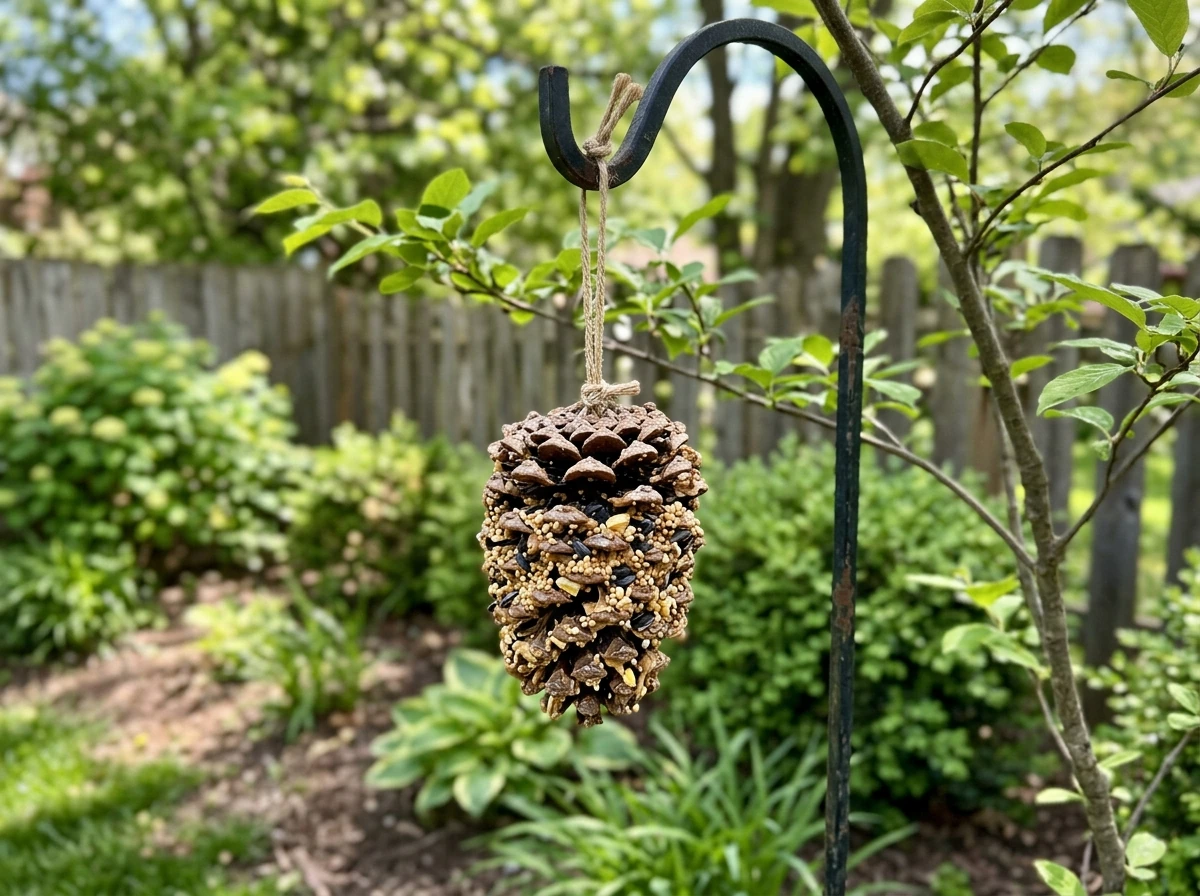
A pinecone bird feeder is one of the easiest DIY feeders you can make, and it genuinely works. Birds love them, they cost almost nothing, and you can put one together in about 15 minutes. There are two versions worth knowing: a plain pinecone feeder where the cone itself holds loose seed in its scales, and the more popular peanut-butter-and-seed version where you coat the cone in a sticky binder so the seed actually stays put. This guide covers both, plus how to prep your pinecones so they don't fall apart, how to hang them properly, and how to keep them from turning into a squirrel snack bar or a sticky mess.
How to Make a Pinecone Bird Feeder Step by Step
Marcus Brennan
23 Mar 2026
What you need before you start
You don't need to buy much. Most of what you need is already at home or easy to find for free.
The pinecones
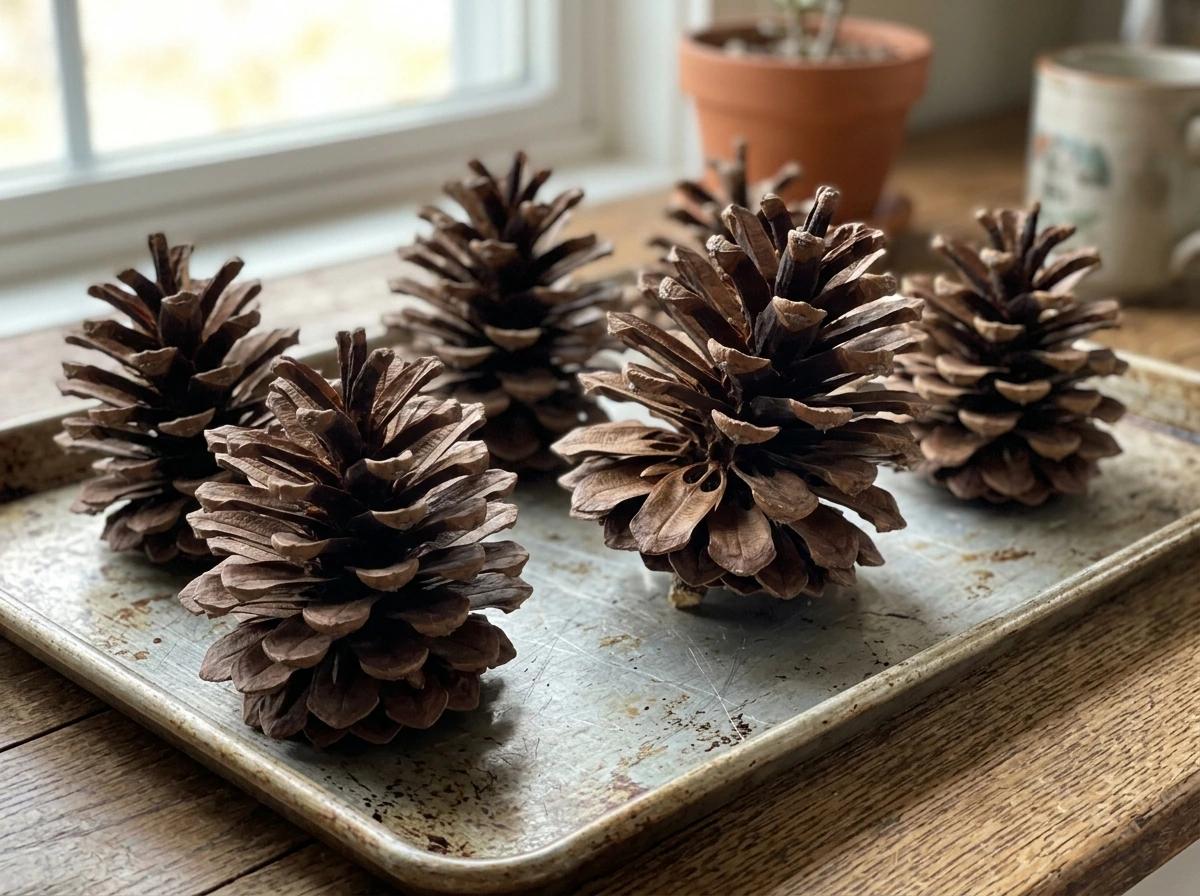
Go big and go open. Large pinecones with scales that are already spread apart hold the most seed and give birds the best surface to cling to and peck from. If your cones are tightly closed, you can coax them open by placing them in a 300-degree oven for about 10 minutes. This also kills any bugs or larvae hiding inside, which is worth doing if you picked them up off the ground. Before you bake them, rinse off any dirt or debris. After baking, let them cool completely before you do anything else with them.
If you want the coating and seed to stay on longer, use cones that have been dried out fully so they won't open any further after you coat them. A cone that keeps opening after you've applied seed will pop seeds off as it expands, which defeats the whole point.
Everything else you'll need
- Large, open pinecones (pine or fir cones both work well)
- Peanut butter, unsalted sunflower butter, soy butter, or vegetable shortening (your binder/coating)
- Wild bird seed mix (a standard mixed seed or black oil sunflower seed works great)
- A butter knife or craft stick for spreading
- A shallow tray, plate, or sheet of wax paper for rolling
- Twine, jute, or thin rope for hanging (about 12 to 18 inches per cone)
- Scissors
- Optional: a baking sheet and oven for prepping closed or bug-containing cones
- Optional: gloves if you don't want sticky hands
One note on peanut butter: use plain, unsalted peanut butter when you can. Standard supermarket peanut butter is fine for most backyard songbirds. Avoid anything with added sweeteners or artificial flavoring. If anyone in your household has a nut allergy, sunflower butter or vegetable shortening works just as well as a binder and still gives seeds something to stick to.
Build a plain pinecone bird feeder
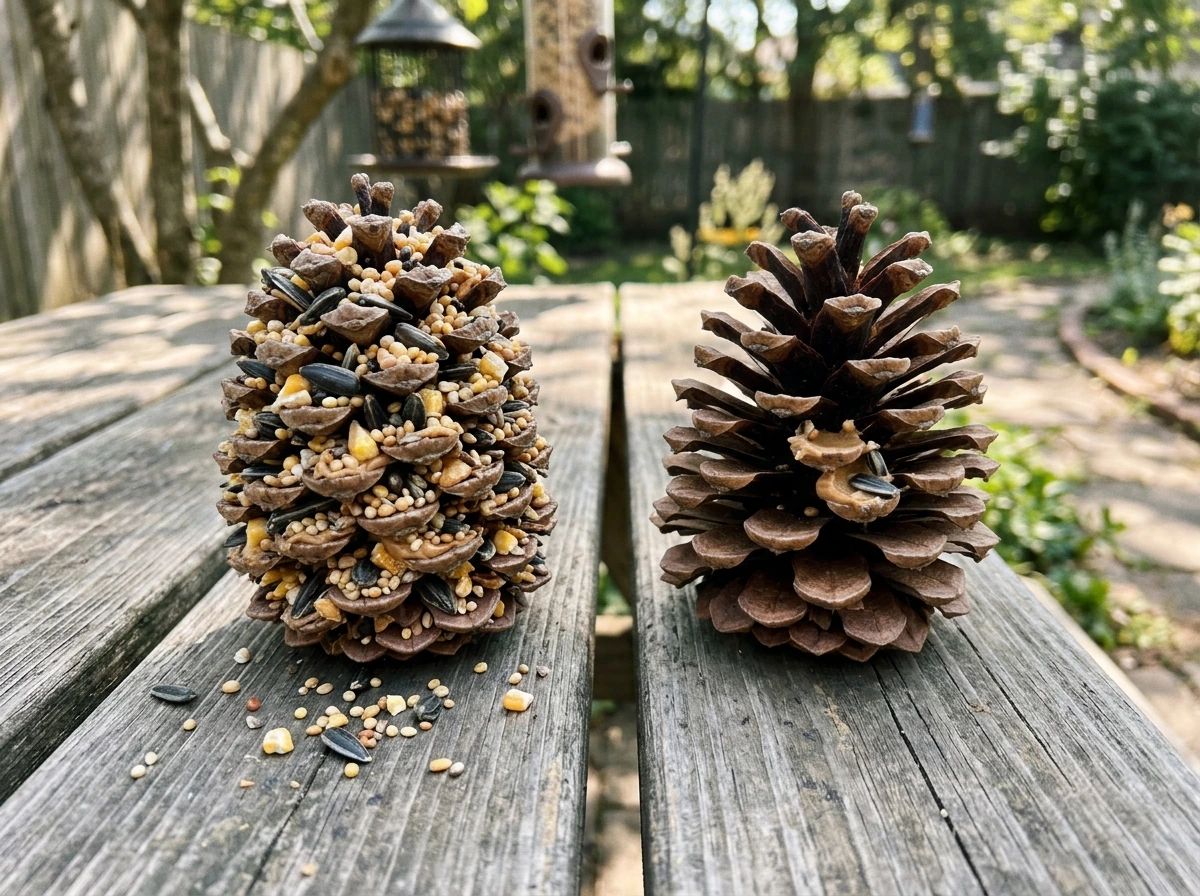
The plain version skips the sticky coating entirely. It works best with very large, open cones where the scales create natural pockets for loose seed. This is a good starting point if you're doing this project with young kids or want to avoid the mess of peanut butter completely.
- Prep your cone: rinse off any dirt, bake at 300°F for 10 minutes if needed to open the scales or kill bugs, then let it cool completely.
- Tie your hanging cord: cut a 12- to 18-inch length of twine and tie it securely around the top of the cone, looping it several times around the base of the top scales so it doesn't slip. Knot it tightly.
- Load the cone with seed: hold the cone over a tray and pour or spoon bird seed into the gaps between the scales. Tap the cone gently to help seed settle into the crevices.
- Give it a shake: hold it upside down briefly to let any loose seed that won't stay fall off now rather than later.
- Hang it outside right away. There's no drying time needed.
Be honest with yourself: the plain version drops seed fast. Birds will clean it out in a day or two, and a lot of seed will fall to the ground before a bird even gets to it. It's still worth doing because ground-feeding birds like juncos and sparrows will gladly clean up what falls. But if you want a feeder that lasts longer and keeps seed better, the peanut-butter version below is the one to make. If you want to start with a simple plan, follow these steps to make a hanging bird feeder that keeps the seed in place the peanut-butter version below is the one to make.
Build a peanut butter pinecone bird feeder
This is the classic version, and it's the one birds go absolutely wild for. The peanut butter (or shortening) acts as a sticky binder that holds the seed in place and also gives birds a high-fat food source that's especially valuable in fall and winter.
- Prep your cone first: rinse it, bake at 300°F for 10 minutes if it's closed or came off the ground, and let it cool completely. A warm cone will melt your peanut butter and make a runny mess.
- Tie your hanging cord: cut 12 to 18 inches of twine and tie it firmly around the top of the cone before you coat it. It's much harder to tie a knot once your fingers are covered in peanut butter.
- Apply the coating: use a butter knife or craft stick to spread peanut butter (or your chosen alternative) into the gaps and crevices between the scales. You want to press it in, not just smear it on the surface. Work it into the crevices. The Massachusetts Audubon approach of pressing the binder into the cone's crevices is the right one, since surface-level coating falls off faster.
- Cover every scale you can reach. Thorough coverage means more seed sticks and birds have more to eat.
- Roll in bird seed: pour your bird seed onto a shallow tray or a plate and roll the coated cone through it, pressing gently so seed sticks on all sides. You can also spoon seed over it and press it in by hand. Keep going until the cone is well covered.
- Refrigerate for about an hour: this step, recommended by the RSPB, firms up the coating so seed stays put when you hang the feeder. It makes a real difference, especially on warm days. Place the cone on a plate or tray in the fridge.
- Hang it outside once the coating feels firm to the touch.
That's the whole process. Start to finish (not counting fridge time) it takes about 15 minutes. If you're making a batch, prep all your cones at once, roll them all, and refrigerate them together on a baking sheet.
How to hang and place your pinecone feeders
Where you put these matters more than most people expect. A poorly placed pinecone feeder will either go untouched by birds or get raided by squirrels within hours, see our tips on how to hang a suet bird feeder for placement and setup. Here's how to get placement right, then follow steps for how to hang a mason jar bird feeder if you want to try a different feeder style. how to make a hanging bird feeder
Picking the right spot
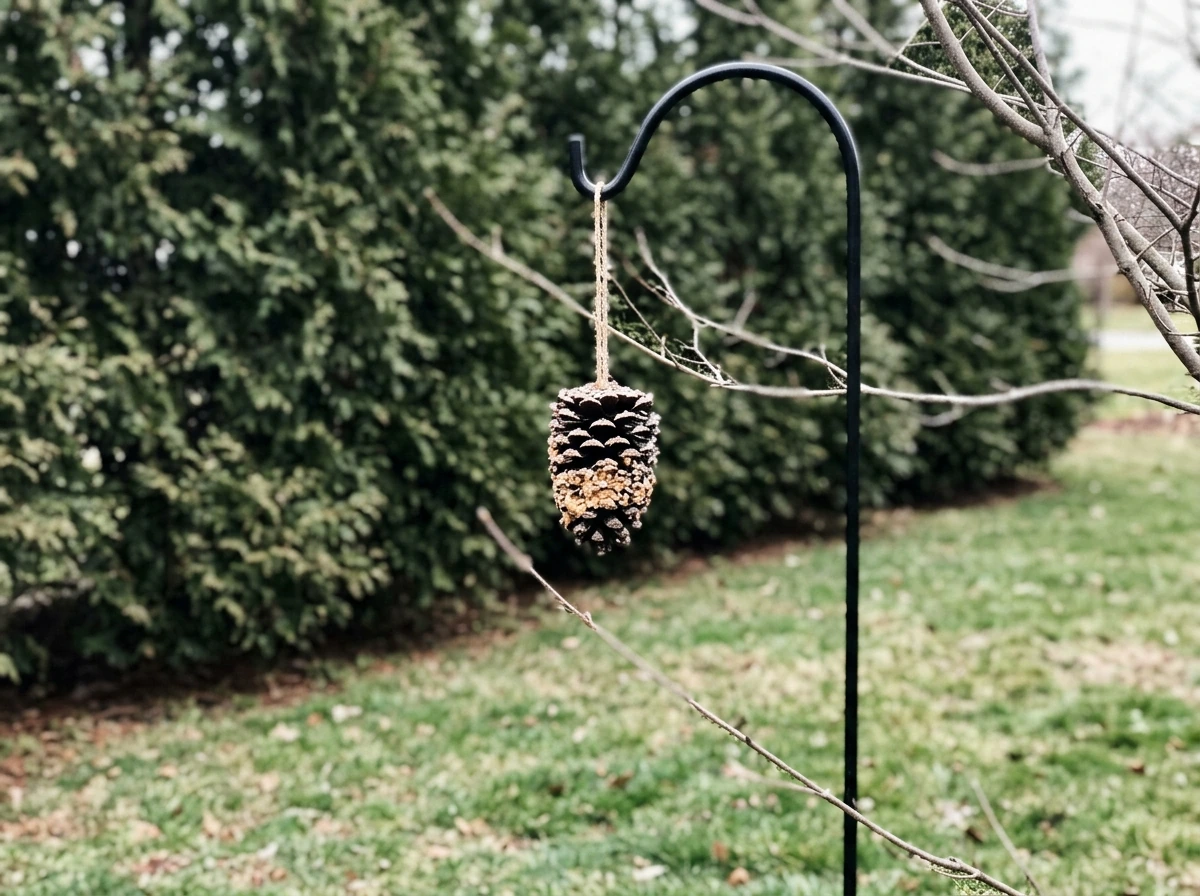
Hang pinecone feeders within about 10 feet of a shrub, hedge, or small tree. Birds like to perch nearby and approach cautiously before landing on a feeder. But don't tuck the feeder so deep into a bush that you can't see it or that predators can sneak up on feeding birds undetected. how to make a wall mounted bird feeder
Height matters too. Hanging between 5 and 7 feet off the ground keeps the feeder accessible for you to re-coat and maintain, while still being above easy reach for neighborhood cats and most other ground-level predators.
What to hang them from
Tree branches, shepherd's hooks, porch overhangs, and dedicated feeder poles all work. If you're hanging multiple feeders, space them at least 5 feet apart to reduce competition between birds. For more detailed options on attaching and securing feeders from different structures, the article on "how to hang bird feeders" on this site go deeper on hardware and setup choices.
Squirrel-proofing from the start
Squirrels will find a peanut-butter pinecone feeder within a day, probably sooner. The most reliable defense is a baffle: a disc or cone-shaped guard mounted on the pole below the feeder that prevents squirrels from climbing up. If you use a pole-mounted setup, Perky-Pet’s squirrel baffle instructions describe positioning the baffle hub on the pole at an approximate height as part of the setup concept [pole-mounted squirrel baffle hub positioning](https://www. perkypet.
com/media/wysiwyg/pp/pdf/bfusinstructions_340-B. pdf). If you're hanging from a branch, a cylindrical baffle above the feeder works the same way. Beyond baffles, keep the feeder at least 10 feet from any horizontal surface a squirrel can jump from, including fences, rooftops, and tree trunks.
A feeder hung on a wire stretched between two poles is harder for squirrels to reach than one hanging from a branch directly above.
Keeping things safe and not too messy
There are a few things worth knowing before you hang these feeders, especially around safety for the birds and mess control for you.
Fat and feathers don't mix
One thing that catches people off guard: if you smear peanut butter or fat heavily on the outside of a cone in thick, gloopy layers, birds can accidentally get it on their feathers. Birds cannot remove oils from their feathers the way they can remove water, and coating feathers with fat reduces their ability to insulate and waterproof.
The fix is straightforward: press the coating into the cone's crevices rather than piling it up on the surface, and press seed firmly into the coating so it forms a textured, seed-covered surface rather than a slick, greasy one. A cone that's properly made should feel seedy and rough on the outside, not oily or slick. After your refrigerator set time, the surface should be firm.
Managing the mess
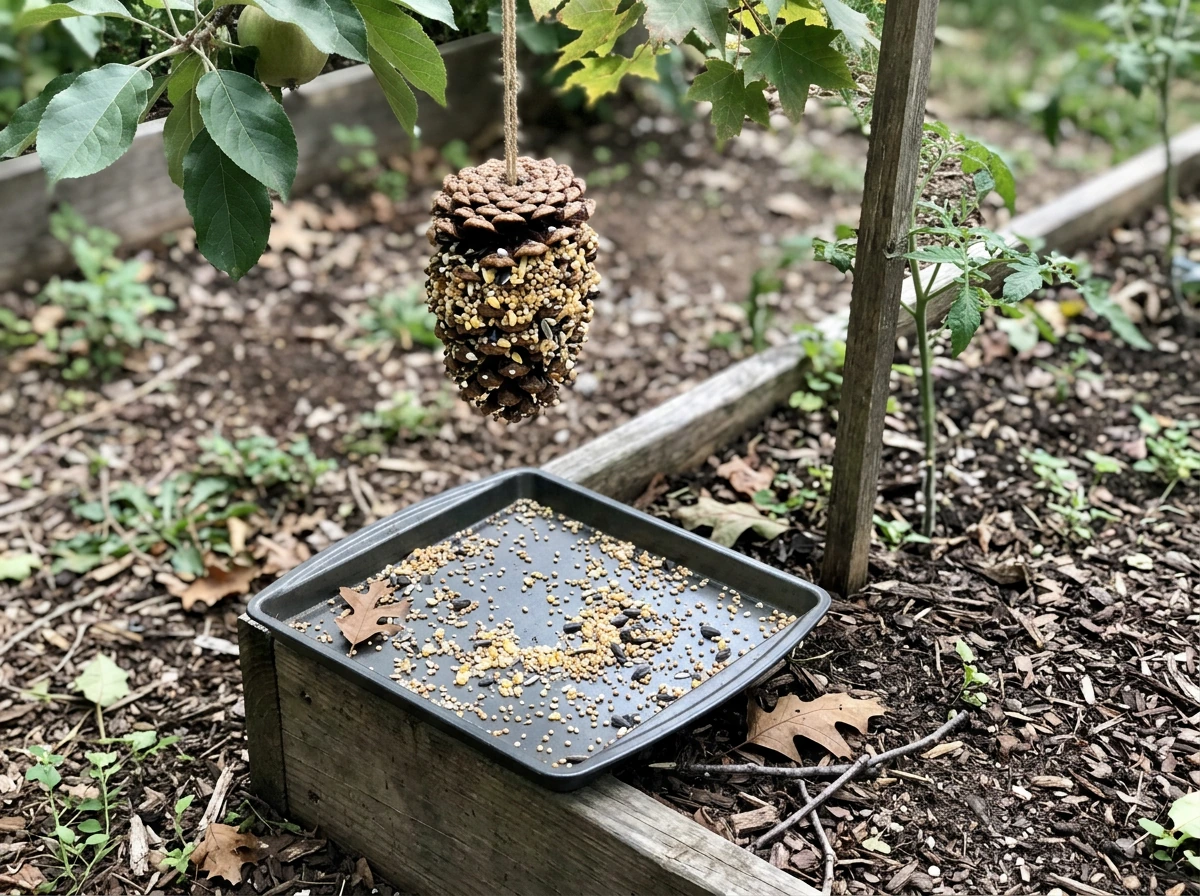
Seed will fall. It always does. Put something under the feeder, whether that's a large tray mounted below it or just a spot in the garden where fallen seed won't rot into your deck boards. Spilled seed on hard surfaces can get moldy quickly, especially in wet weather, and moldy seed is bad for birds and attracts rodents. Clean up fallen seed from patios and decks every few days.
Wash your hands thoroughly after handling peanut butter or shortening during the build. If you're doing this project with kids, set up on a table with newspaper or a plastic tablecloth underneath to contain the mess.
What to avoid putting on the feeder
- Sweetened peanut butter, flavored nut butters, or anything with added sugar or artificial sweeteners
- Honey (it ferments quickly and can harbor harmful bacteria)
- Seed mixes with lots of filler grains like milo or red millet that most songbirds ignore and leave to rot
- Cooking oils or liquid fats that don't firm up and will stay slick on the surface
- Salted nuts or salted sunflower seeds
Keeping the feeders working over time
Pinecone feeders don't last forever, but with a bit of attention they'll keep birds coming back reliably. Here's what to watch for and how to fix it.
When the seed gets hard or crusty
After a few days outside, especially in cold weather, the coating can harden significantly and birds may have trouble pecking seed loose. If you notice birds visiting but not eating much, run your finger across the surface. If it feels like concrete, that's the problem. Bring the cone inside for 20 to 30 minutes to let it soften slightly, then either re-coat it with a thin layer of fresh peanut butter and press in new seed, or just let it warm up enough that birds can work at it again. In warmer weather, hardening is less of an issue, but soft coating attracts more insects and goes rancid faster.
Mold and rancid coating
In humid or rainy weather, mold can develop on the seed coating within a week. If you see any dark spots, fuzziness, or the coating smells off, take the feeder down and discard it. Don't try to salvage a moldy cone. The good news is these feeders are cheap to make, so replacing them isn't a big deal. In wet climates, try hanging feeders under a porch roof or a wide tree canopy to extend their life. Making smaller batches more often is smarter than making one feeder and trying to keep it going for weeks.
Squirrels eating everything overnight
If you're waking up to a bare or missing feeder every morning, squirrels are almost certainly the culprit. Revisit your placement first: is the feeder within jumping distance of a fence, tree trunk, or roof line? Move it if so. Add a baffle if you haven't already. Some people accept that squirrels will always win on a simple hanging cord and switch to hanging pinecone feeders inside a wire cage style outer feeder, which lets small birds in but blocks larger animals. It's a bit more setup but it solves the problem.
Weather and seasonal notes
Peanut butter pinecone feeders are most valuable in fall and winter when birds need high-calorie food and natural sources are scarce. In summer, the coating can go soft and rancid fast, especially in heat above 80°F. If you're making these in summer, use shortening instead of peanut butter (it holds up better in heat), refrigerate the cone a bit longer before hanging, and plan to replace the feeder every 3 to 4 days rather than every week or two. In winter, these feeders can last up to two weeks if the weather is consistently cold and dry.
How often to clean up and replace
Check the feeder every 2 to 3 days. Once the seed is mostly gone, the cone is bare, or you see any signs of mold, replace it. Clean up fallen seed under the feeder at least once a week. Cornell Lab of Ornithology recommends [cleaning your feeder about once every two weeks](https://www.
birds. cornell. edu/k12/maintaining-your-classroom-feeder/) to help keep birds safe. If you're using a pole or shepherd's hook to hang your cones, wipe it down occasionally so droppings and debris don't build up.
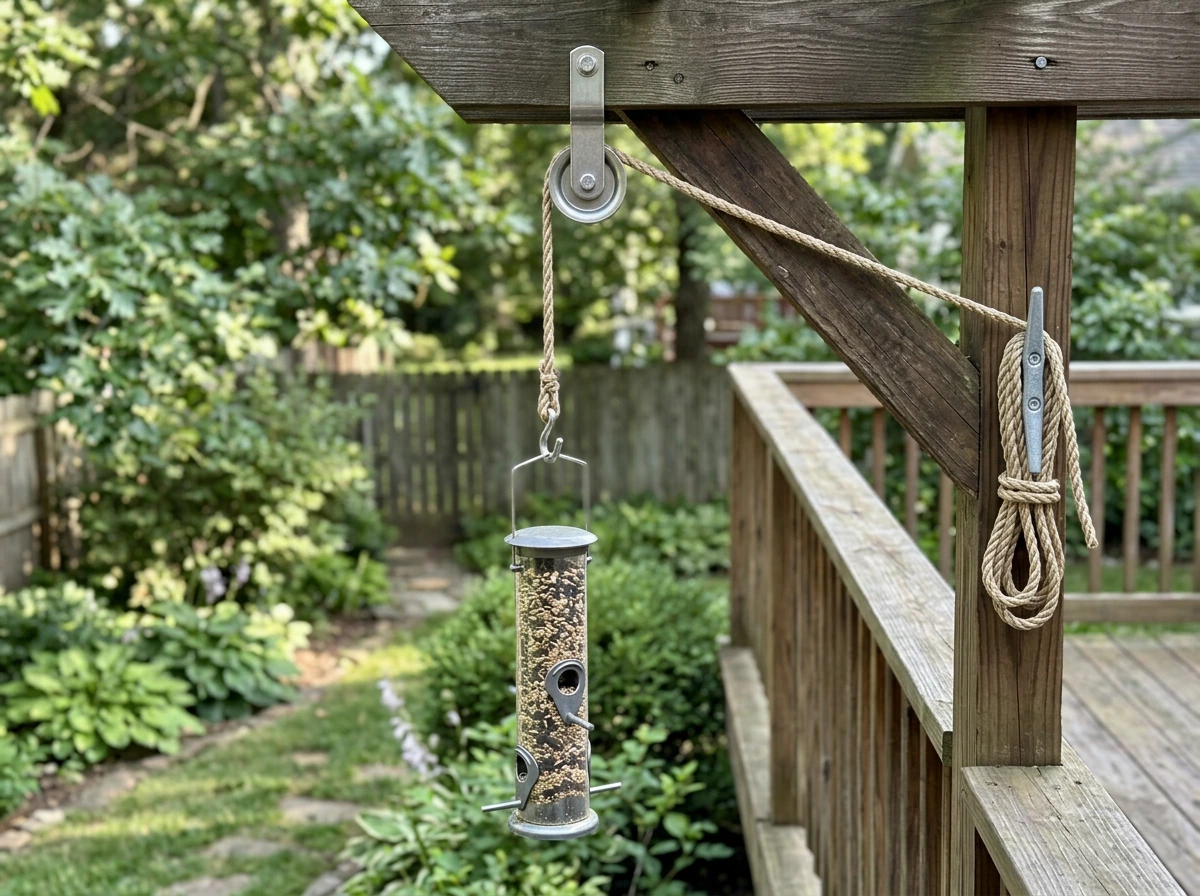
If you're using a pole or shepherd's hook to hang your cones, you can also use the same pulley setup ideas from our guide on how to hang a bird feeder with a pulley to keep the height adjustable. Keeping the area clean reduces the risk of disease spreading between birds and keeps rodents from moving in below.
The whole system: prep, coat, refrigerate, hang, monitor, replace. Once you've done it a couple of times it takes maybe 20 minutes total, and your yard will have a steady stream of chickadees, nuthatches, woodpeckers, and finches to show for it. Start with two or three cones, see which spot in your yard gets the most bird traffic, and build from there. how to hang a bird feeder with rope how to hang a bird feeder with rope
FAQ
How long should I refrigerate a peanut-butter pinecone bird feeder before hanging it?
Refrigerate long enough that the outside feels firm when you touch it, not tacky. If it still smears, give it more time because soft coating lets seed fall off faster and increases the chance birds get greasy on their feathers.
Can I use birdseed that is already mixed (with dried fruit or other bits) or should I stick to plain seed?
Stick to mostly plain seed so it holds up well and birds can peck effectively. Very sugary or oily add-ins can make the feeder more attractive to insects and can go rancid sooner than basic seed blends.
What’s the best way to stop the pinecone from “opening more” after I coat it?
Use pinecones that are fully dried and keep them from warming up too much right before coating. After baking and cooling, coat promptly, and don’t leave cones in a hot car or near a heater, because they can reopen and push seeds out.
My feeder feels rough but seed still drops quickly. What am I doing wrong?
Most often the seed is not pressed firmly into the binder, or the coating layer is too thin in some spots. Aim for a textured, seed-covered surface, then press again after seeding so the seeds lock into the crevices instead of sitting loosely on top.
Is it safe to use salted peanut butter or peanut butter with added sweeteners?
Avoid salted and sweetened varieties when possible. Salt can be harsher on birds over time, and added sugar can increase stickiness on feathers, attract more insects, and shorten the feeder’s lifespan due to faster rancidity.
What should I do if a bird gets coated with peanut butter or fat on its feathers?
Remove the feeder from the area immediately and clean it up so birds are not repeatedly exposed. Birds cannot “wash” oils off the way they can shed water, so minimizing exposure is the best next step until the feeder is remade with a less messy binder technique.
Can I make a pinecone feeder for hummingbirds or larger birds?
Pinecone feeders are mainly for seed-eating small birds, not hummingbirds. If you want to target larger birds, adjust seed type to what those birds eat (for example, larger sunflower pieces), but expect different access behavior and you may need a sturdier hanging setup to prevent rapid squirrel raiding.
How do I choose between the plain pinecone method and the peanut-butter method?
Choose plain cones if you want minimal mess and you have ground-feeding birds in your yard. Choose peanut-butter when you want seed retention and longer feeding time, especially in fall and winter when birds need higher-energy food and natural supplies are lower.
Can I hang a pinecone feeder in rain or should I protect it with shelter?
Rain increases mold risk and can soften the binder. If you live in a humid area, hang under light shelter (porch roof or canopy) or plan to replace more frequently, because even a week can be enough for visible mold growth on damp seed coatings.
How often should I clean fallen seed under the pinecone feeder?
Clean at least weekly, and more often if you notice dampness or moldy patches. Spilled seed can rot and mold on decks or patios, and it also attracts rodents, which can undermine the feeding area.
Do I need to worry about disease or parasites from old pinecone feeders?
Yes. If you see dark fuzz, off smells, or moldy seed, discard the feeder rather than trying to salvage it. Also wipe down hanging hardware occasionally to reduce buildup of droppings and debris that can spread issues between birds.
What’s the safest height to hang it if I have cats and also want birds to access it easily?
Keep it around 5 to 7 feet off the ground as a practical range, then reduce predator access by avoiding placement that cats can jump to from nearby ledges or branches. If you notice repeated cat attempts, raise it slightly and add a baffle so squirrels and other climbers cannot reach the feeder easily.
Next Article
How to Hang a Bird Feeder With a Pulley System
Step-by-step guide to hang a bird feeder with a pulley, including setup, routing, safe lifting, and troubleshooting.