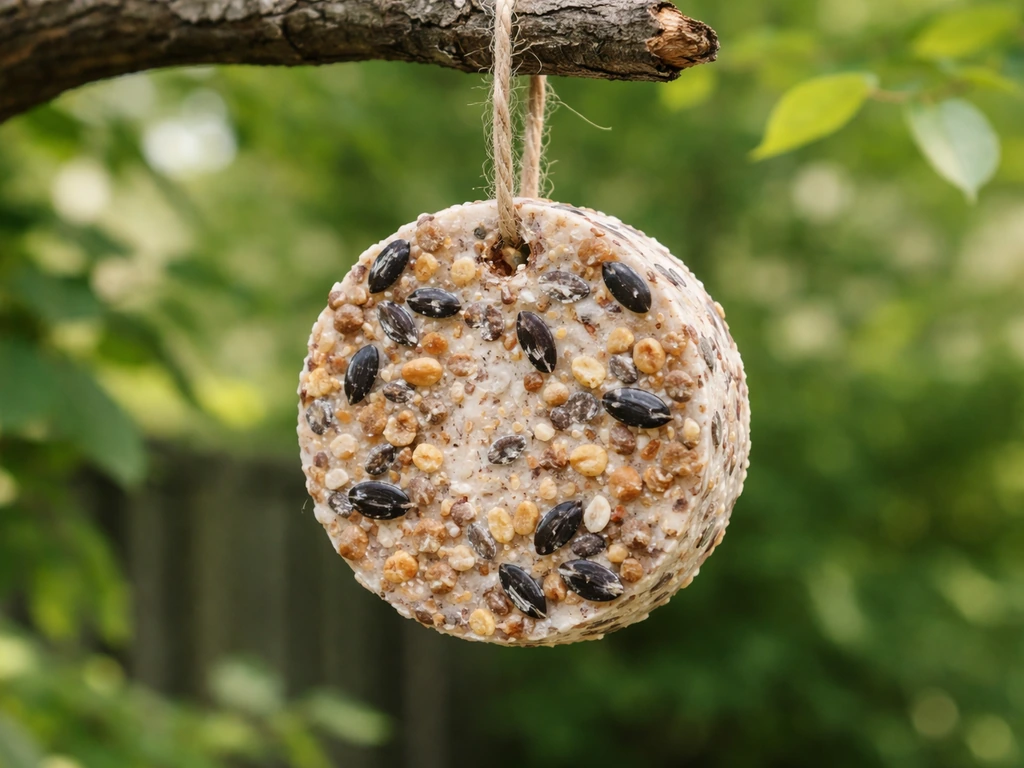
Yes, you can absolutely make a bird feeder with lard, and it works really well. Lard is a solid animal fat that behaves almost identically to suet in a feeder. Birds like woodpeckers, nuthatches, chickadees, starlings, and wrens are drawn to high-fat foods, especially in cold weather when they need extra calories to stay warm. You can use plain lard as a simple hanging fat cake, or mix it with seeds, oats, or dried fruit to make a loaded energy bar for your garden birds. Either way, it takes about 20 minutes of active work plus a couple of hours in the fridge, and the materials cost almost nothing.
How to Make a Lard Bird Feeder with Seeds
Marcus Brennan
7 May 2026
Can you use lard for bird feeders (and what kind)?
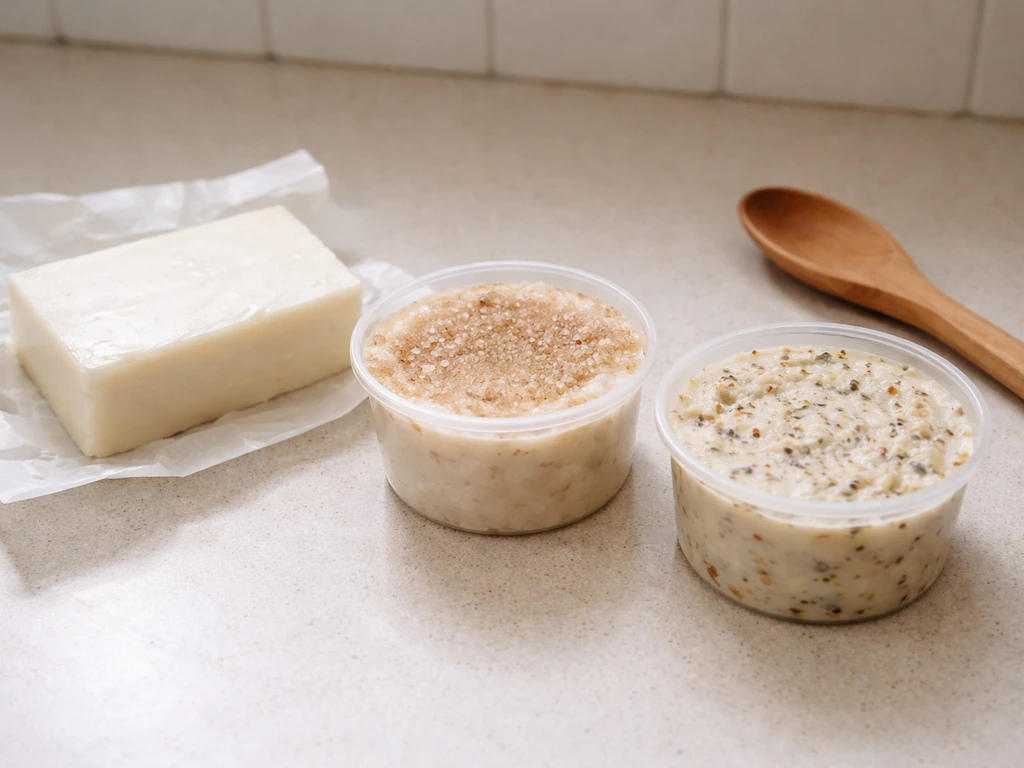
Plain white cooking lard, the kind sold in blocks at the grocery store, is the right stuff. It's rendered pork fat, it sets firm at room temperature (and firmer in the fridge), and birds digest it easily. Cornell Lab of Ornithology puts animal fat in the same category as suet, calling it a high-energy food particularly valuable in cold weather. The U.S. Fish and Wildlife Service has even recommended raw beef fat as a winter feeding option for wild birds, so the concept is well established.
What you want to avoid is salted lard, seasoned cooking fat, or drippings from a cooked meal. Salt is harmful to birds in any real quantity, and cooked fat can go rancid faster and may contain spices, onions, or other ingredients that can make birds sick. Check the label: plain, unsalted lard is what you need. Vegetable shortening like Crisco is sometimes suggested as a plant-based alternative, but it doesn't have the same nutrient density as real animal fat, so lard or beef suet will always be the better choice for birds.
Materials and safety notes for lard-based feeders
You don't need much to get started. Here's what to gather before you begin:
- Plain unsalted lard (a 500g/1lb block is plenty for a first batch)
- A mold: a small yogurt pot, a silicone muffin tray, a clean coconut shell half, or even a pine cone
- String or jute twine (at least 30cm/12 inches per feeder) for hanging
- A mixing bowl and wooden spoon
- Optional additions: wild bird seed mix, sunflower seeds, rolled oats, dried mealworms, raisins, or grated cheese (unsalted)
- A saucepan or microwave-safe bowl for melting
- Parchment paper or cling film to line molds
A quick safety note: melted lard is hot, so use oven mitts and keep kids at arm's length during the melting step. Let it cool slightly before pouring into molds. Also, lard-based feeders are best made and used in cool or cold weather.
A winter bird-feeding handout also recommends using DIY melted-fat bird cakes in cold weather, since plain lard or suet re-solidifies after warming and provides the intended energy for birds [Lard-based feeders are best made and used in cool or cold weather. ](https://static1. squarespace. com/static/5c8a8211f8135a6ff307adb1/t/60102733d0ed117b8c68ddbe/1611671354180/Bird%2BFeeding%2Bfor%2BWinter%2Bv3.
pdf). In summer heat above about 20°C (68°F), the fat softens, drips, and can go rancid quickly, which is bad for birds and messy for you. Stick to autumn and winter feeding with lard, and store unused batches in the freezer.
Step-by-step: making a basic lard bird feeder
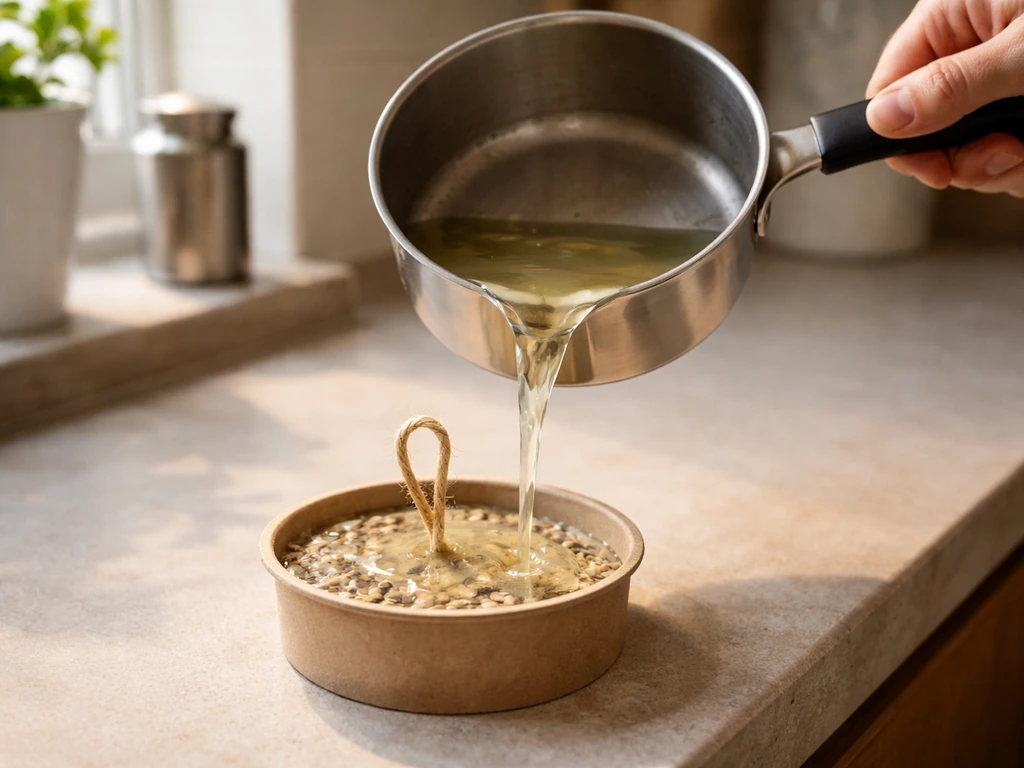
This is the simplest version: a pure lard fat cake with a string looped through it. You can also adapt the same lard-and-seed method to a Bundt pan to create a ring-shaped feeder that’s easy to hang and portion simple hanging fat cake. The whole process takes about 10 minutes of hands-on time plus 2 hours to set in the fridge.
- Cut your lard into rough chunks and place them in a saucepan over low heat, or in a microwave-safe bowl. Melt slowly, stirring occasionally, until fully liquid. Don't let it boil.
- While the lard melts, prepare your mold. A small yogurt pot works perfectly. Line it with cling film if you want easy removal later. Thread a 30cm length of string through the bottom of the pot (poke a hole with a skewer), tie a knot on the inside to anchor it, and let the rest hang out the top.
- Let the melted lard cool for 5 to 10 minutes until it's warm but not scorching. You're aiming for the consistency of thick cream: still pourable but not boiling hot.
- Pour the lard into your mold around the string. Fill it to about 1cm from the top.
- Place the mold in the fridge (or outside in cold weather) for at least 2 hours until completely solid. If you're in a hurry, 45 minutes in the freezer works too.
- Once set, peel away the mold. You should have a solid fat cake with a string hanging from one end. Give the string a tug to check it's firmly embedded.
- Hang it from a branch, a feeder hook, or a bracket using the string. Done.
If the fat cake crumbles when you remove the mold, it either needs more time to set or the lard was too warm when poured. Pop it back in the fridge and try again in an hour. Minor cracks don't matter at all: birds won't notice.
Step-by-step: lard and seeds feeder variations
Adding seeds, oats, or other foods to the lard mix creates something closer to a traditional fat ball or suet cake, and it's genuinely more attractive to a wider range of birds. If you want a true finch feeder, you can adapt this by using a seed blend that attracts finches finch bird feeder. The RSPB describes this kind of mix as a bird food cake, combining fat with seeds and other foods, and it's one of the most effective cold-weather feeds you can offer.
The basic ratio is roughly 1 part lard to 2 parts dry mix by volume. So if you melt 250g of lard, you'd stir in about 500g (or two cups) of mixed dry ingredients before pouring into molds.
Classic lard and seed mix
- Melt 250g of plain lard as described above and let it cool slightly.
- In a large mixing bowl, combine: 1 cup of wild bird seed mix, half a cup of black sunflower seeds, and half a cup of rolled oats.
- Pour the warm lard over the dry mix and stir thoroughly until everything is coated.
- Spoon or pour the mixture into molds with strings pre-threaded, pressing it down firmly to eliminate air gaps.
- Refrigerate for 2 to 3 hours until completely hard.
- Remove from molds and hang immediately, or store in the freezer for later use.
Lard, mealworms, and fruit mix (great for robins and wrens)
- Melt 250g of lard and cool slightly.
- Mix in: half a cup of dried mealworms, half a cup of raisins or dried berries (no added sugar), and half a cup of oats.
- Stir well, pour into molds, and set as above.
- This mix is especially good for insect-eating birds like robins, wrens, and thrushes that may not be as drawn to pure seed feeders.
Pine cone lard feeder
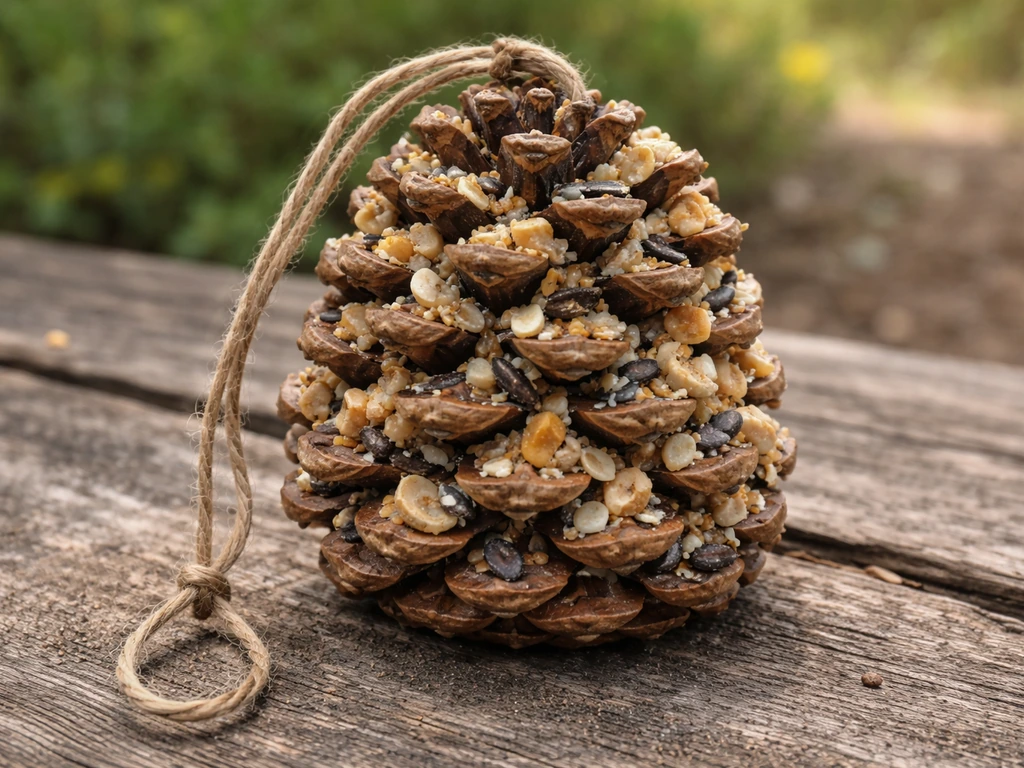
Tie a length of string around the base of a pine cone and dip it into the warm lard-and-seed mixture, or press the mixture into the gaps between the scales with your fingers. Hang to dry in a cool spot for an hour or two. This is a great option if you want a feeder with zero waste and a natural look. It also works really well for clinging birds like nuthatches and treecreepers. If you enjoy pine cone projects, the same hanging technique applies to many other feeder types.
How to hang and place it for birds
Location matters more than most people think. A feeder that's in the wrong spot will sit ignored for weeks, and it's easy to assume the birds don't want it when really they just haven't found it or don't feel safe.
- Hang it roughly 1.5 to 2 metres off the ground, high enough to deter cats but low enough to see from a window.
- Position it within about 2 to 3 metres of a shrub, hedge, or tree. Birds like to perch nearby and assess the area before flying in to feed. If the feeder is isolated in open space, many birds will be too nervous to use it.
- Avoid placing it directly against a fence or wall where cats can easily jump and wait. A hanging feeder on a branch or a freestanding pole with a baffle works much better.
- Hang it in a spot with some shelter from wind and direct rain. Constant rain will soften and spoil the lard faster.
- Keep it away from your house windows by either less than half a metre or more than 3 metres. Birds hitting windows is a real problem, and those two distances dramatically reduce collision risk.
- If you have multiple feeders (seeds in a separate tube feeder, for example), space them out rather than clustering everything together. This reduces competition and gives more birds a chance to eat.
For hanging methods, a simple S-hook on a branch or a dedicated bird feeder bracket screwed into a fence post both work well. Jute twine tied directly to a branch is fine too, though it degrades over a season. Avoid thin wire or nylon string, which can cut into bark over time or injure birds if they get tangled. If squirrels are a known problem in your garden, a hanging position at least 1.5 metres from any surface they can jump from (and a metal baffle below or above the feeder) will help enormously.
Maintenance, cleanup, and shelf life
Lard feeders are low maintenance but they do need some attention, especially as temperatures shift.
- In cold weather (below about 10°C / 50°F), a fat cake will last 2 to 4 weeks outside before it needs replacing. In mild or warm weather, check it every few days.
- Signs it's gone bad: it smells rancid, turns yellowish or oily, or develops visible mold. Remove and dispose of it in the bin (not compost, as the fat can cause problems).
- You can refreeze unused fat cakes with no problem. Make a batch, use one or two, and freeze the rest in a zip-lock bag. They'll keep for 2 to 3 months in the freezer.
- Clean the hanging string or hook occasionally, especially if mold or fat residue builds up. A quick wipe with a cloth dipped in hot water is enough.
- If you're using a mesh suet cage (a wire basket style feeder), wash it with hot water and a mild dish soap between refills. Let it dry fully before adding fresh fat cakes.
- Don't top up an old, partially consumed fat cake with new lard: always replace fully. Old fat mixed with new creates an ideal environment for bacterial growth.
Troubleshooting: birds not using it, mess, and pests
Birds are ignoring the feeder
The most common reason is location. If it's newly hung, give it at least a week before drawing conclusions: birds need time to find new food sources, especially if you're establishing a feeding station from scratch. Try moving it closer to a hedge or tree if birds seem to be passing the area without stopping.
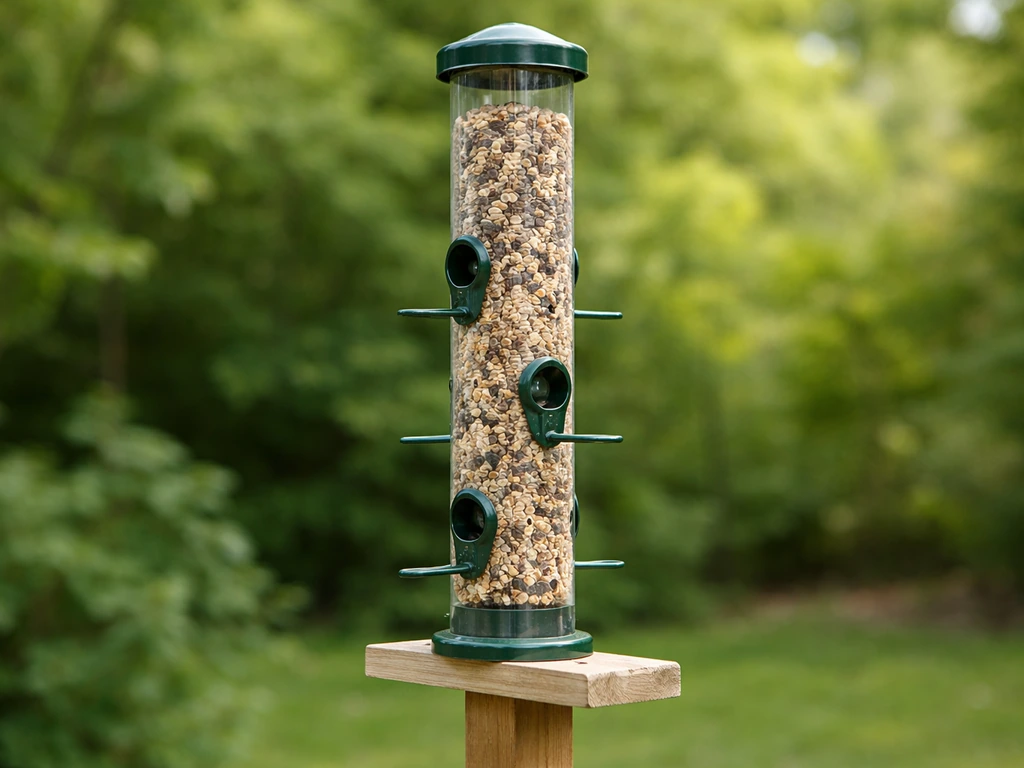
You can also add a seed feeder nearby (like a tube feeder with sunflower seeds) to attract birds to the general area first, then they'll discover the lard feeder once they're comfortable. If you want the exact how-to for a mealworm-based setup, see how to make a mealworm bird feeder as a related option seed feeder nearby (like a tube feeder with sunflower seeds).
If you want a feeder style that uses sunflower seeds specifically, you can also look into how to make a sunflower seed bird feeder.
Another possibility: the mix is too hard. In very cold weather, extremely firm fat cakes are tough for smaller birds to peck. Adding more seed or oat material to the mix softens the texture slightly and gives birds more to grip onto. A seed-heavy mix like the classic lard and seed recipe above is often more immediately popular than a plain fat cake.
The feeder is dripping or making a mess
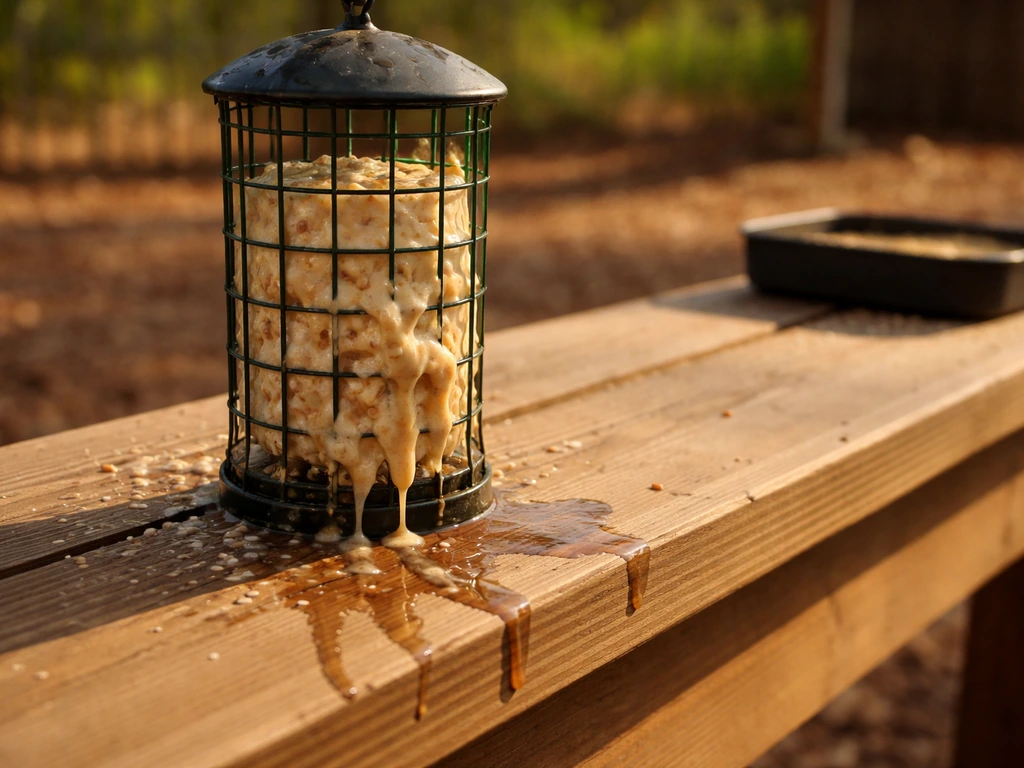
This means it's too warm. Lard starts to soften above about 20°C (68°F) and melts quickly in direct summer sun. If you're getting drips and greasy marks, bring the feeder in and refrigerate it, or simply wait for cooler weather. Lard feeders really are a cool-season project. For summer feeding, suet pellets or a seed-based feeder (like a sunflower seed feeder) are better options.
Squirrels or large birds are dominating it
Squirrels love fat cakes as much as birds do. The best deterrents are position and a physical baffle. Hang the feeder at least 1.5 metres from any fence, post, or branch a squirrel can use as a launch pad, and at least 1.5 metres below any overhead branch. A cone-shaped metal squirrel baffle above or below the feeder on a pole also helps a lot. If starlings or pigeons are hogging it, a mesh cage that holds the fat cake but only allows smaller birds to peck through the gaps is a very effective solution and costs a few dollars at most garden centres.
The fat cake falls apart when removed from the mold
Two things usually cause this: not enough lard relative to the dry ingredients, or not enough setting time. If your mixture looks more like a crumble than a pourable slurry when you're mixing it, add more melted lard before pouring. And always let fat cakes set for a full 2 hours minimum in the fridge, or 45 minutes in the freezer. If you're pressing the mixture into a pine cone or a coconut shell, there's no structure issue at all since those hold their shape naturally.
Mold is appearing quickly
Mold on fat cakes is usually caused by moisture getting into the mix. Make sure your dry ingredients (seeds, oats, dried fruit) are genuinely dry before combining with the lard. Damp seeds or fruit will cause the fat cake to spoil much faster. Also check that your hanging spot doesn't expose the feeder to constant rain or dripping from a roof. A small overhang or sheltered spot can dramatically extend the life of each cake.
FAQ
Can I use salted lard or drippings if I want to save money?
Use plain, unsalted lard only, and avoid anything that has salt, spices, onion, or seasoning. If you are unsure whether a block is salted or flavored, check the ingredient list and choose the product labeled “plain” or “unsalted.”
Is it safe to feed lard to birds in spring or mild weather?
Yes, but only if you keep the feeder in cool conditions and check texture often. In warm weather the fat softens and can drip, so if you must feed during mild spells, make smaller cakes more frequently and refrigerate unused mix between uses.
My fat cake has cracks or hollow spots, can I fix it?
If the mold bottoms out and a seam forms, you can often re-melt and re-pour after chilling the remainder. The bigger fix is preventing gaps, make sure the mix is fully molten before pouring and that your molds are dry and set on a level surface in the fridge.
Should I add water, broth, or more oil to help the seeds bind?
Most birds do not need additional “soup” or liquid, the fat cake should be firm when hung. If you want easier pecking, increase the dry mix slightly within the 1:2 lard to dry ratio rather than adding water or extra liquid.
What’s the safest way to melt lard without burning it?
Do not microwave lard directly in a container where it can superheat, instead melt gently using a double boiler or short heat bursts. If it starts smoking or develops an odd smell, discard it and start again with fresh lard.
How should I store homemade lard feeder cakes between uses?
Store shaped, unused cakes wrapped to block fridge odors and freezer burn, then thaw in the fridge before hanging. Avoid thawing at room temperature, soft thawing can cause crumbling and more mess when you hang it.
How often should I replace a lard feeder, and how do I know it’s gone bad?
Replace the feeder when it becomes greasy, smells rancid, or develops fuzzy growth. In practice, cold-season feeders often last longer if sheltered from rain, and you can extend life by scraping off crumbs and rebuilding rather than leaving old pieces to collect moisture.
What should I do if my feeder is melting and dripping after I hang it?
If you see drips, try a more seed-forward mix and use a sheltered hanging spot with an overhang. Also avoid direct midday sun, and switch to a smaller portion cake so it firms quickly between feeding checks.
Where exactly should I hang the feeder so birds feel safe?
Don’t place it right next to a window or glossy glass surface where birds can collide. A good rule is to hang feeders near protective vegetation for cover, and keep them away from thick shrubless open areas where birds feel exposed.
Birds come close but won’t eat, how can I make the surface easier to peck?
Add a short layer of dry seed or oats on top before it sets, or use molds with texture so birds can grip the surface. If birds are visiting but not eating, the cake may be too smooth or too hard for smaller beaks, and a slightly higher dry ratio usually helps.
Can I freeze the mixture before it sets, or only after it hardens?
Yes, but treat it like a batch food and keep it cool. Freeze extra portions soon after setting, then only thaw what you’ll hang within a short window so the fat does not spend hours at room temperature.
Next Article
How to Make a Tube Bird Feeder Step by Step
Step-by-step how to make a tube bird feeder with materials, safe mounting, maintenance, and fixes for leaks and clogs.