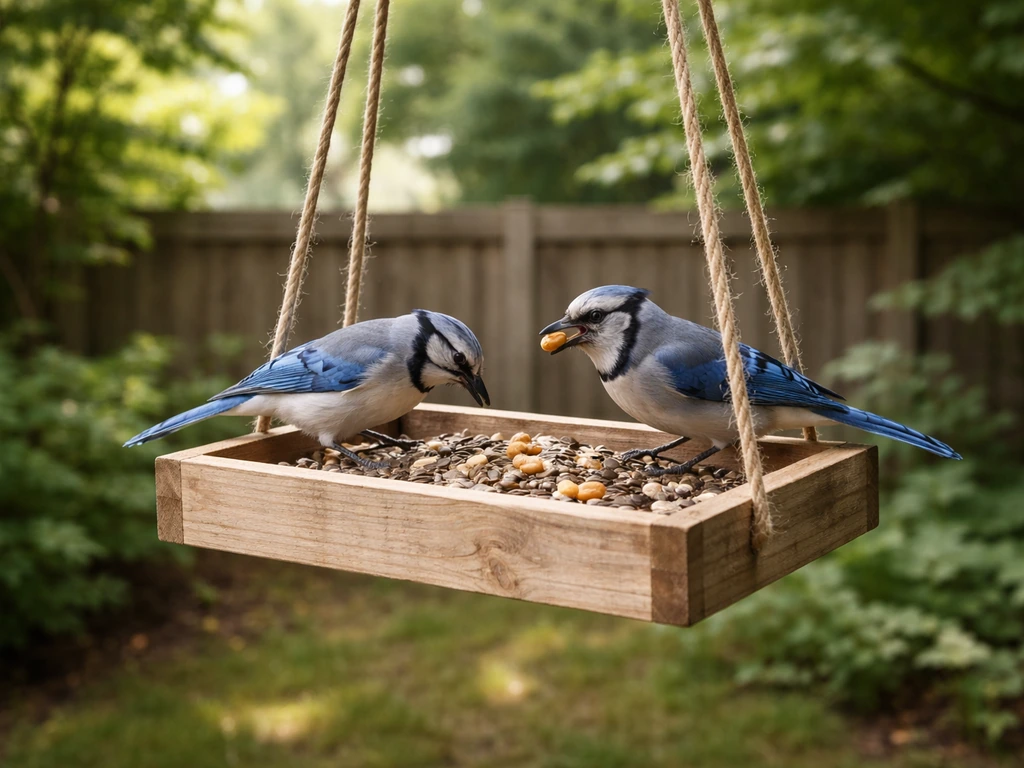
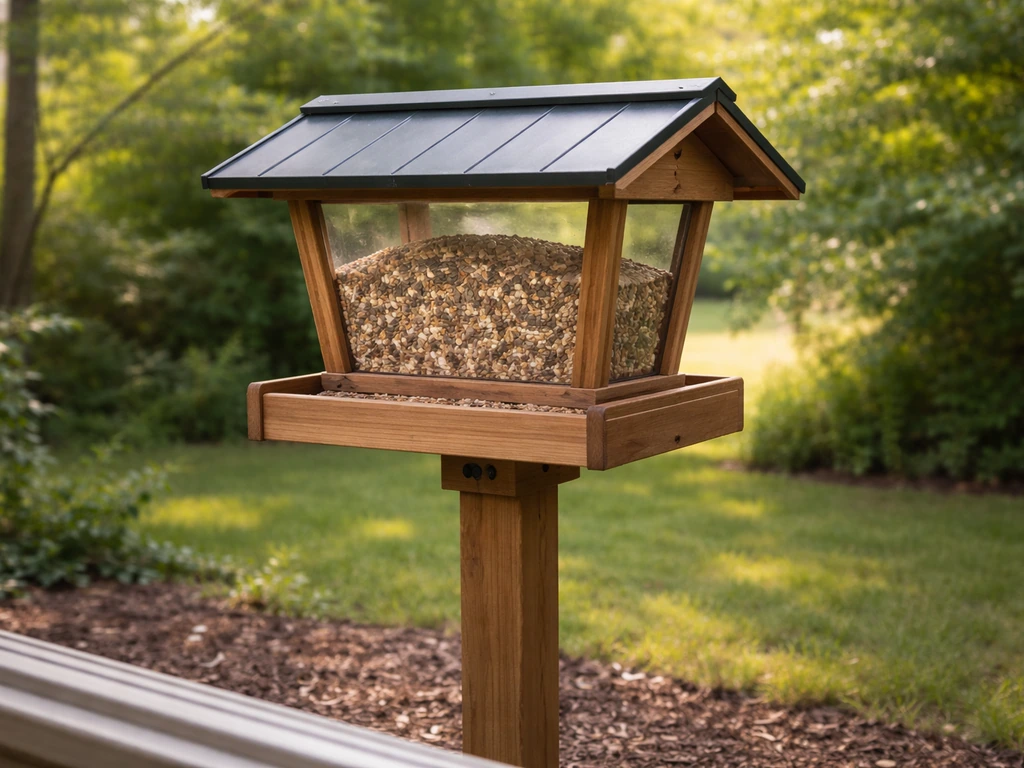
The best big DIY bird feeder is a hopper-style build made from cedar or pine, roughly 10 to 16 inches long, with a seed reservoir that holds 5 pounds or more. You mount it on a 1.5-inch steel pole, add an 18-inch squirrel baffle at 4 to 5 feet off the ground, and keep the pole at least 8 feet from any tree, railing, or structure a squirrel could leap from. That setup gives you the seed capacity to go days between refills, protection from weather and pests, and a feeder that actually draws birds reliably. Here is exactly how to build it, hang it, and keep it running.
How to Make a Big Bird Feeder: Step-by-Step Guide
Marcus Brennan
3 Jun 2026
Choosing the Right Design for a Big Feeder
Before you cut a single board, it helps to understand why feeder design matters at scale. The three main styles you will see are platform/tray feeders, hopper feeders, and tube feeders. When you are going big, each has real tradeoffs.
| Feeder Style | Seed Capacity | Weather Protection | Pest Risk | Best For |
|---|---|---|---|---|
| Hopper | High (5+ lbs easily) | Good (enclosed reservoir) | Moderate (baffle needed) | Most backyard birds, less frequent refills |
| Platform/Tray | Medium (spread thin) | Poor (open to rain/snow) | Higher (exposed seed) | Attracting wide variety including ground feeders |
| Tube | Low-Medium | Good (enclosed) | Low (narrow openings) | Finches, small songbirds |
For a genuinely large feeder, a hopper is the right choice. For the full DIY instructions, see how to build wingspan bird feeder as a practical next step. It encloses the seed in a reservoir with sloped sides that funnel seed down to open feeding trays on each side.
This keeps most of the seed dry, reduces waste compared to open platforms, and lets you scale up volume without the mold risk you get when seed sits wet in an open tray. Platform feeders do attract a wider variety of birds including ground feeders like mourning doves and juncos, but at large scale they are hard to keep clean and wet seed becomes a real mold problem fast.
Tube feeders are great for finches but their narrow design does not scale well to high capacity. Stick with the hopper.
On size, a target of roughly 10 inches wide, 16 inches long, and 9 inches tall is a good benchmark. That footprint is large enough to hold well over 5 pounds of seed, stable enough to mount on a standard feeder pole, and manageable enough for one person to build in an afternoon. Going much bigger than this creates problems: the feeder gets heavy when full, which stresses your mounting hardware, and the seed at the bottom can sit long enough to go stale or moldy before birds finish it.
If a full woodworking build feels like too much right now, a large milk jug or two-liter bottle feeder is a legitimate starting point. For upcycled milk-jug feeder designs, Mass Audubon advises not cutting the feeder too low because you need space for a perch so birds can access it comfortably Mass Audubon’s milk-jug feeder guidance advises not cutting too low. It will not hold 5 pounds of seed, but it is free, takes 20 minutes, and teaches you the placement and pest-proofing principles you need before committing to a bigger build. You can always upgrade later.
Materials and Tools You Will Need
For a Wood Hopper Feeder
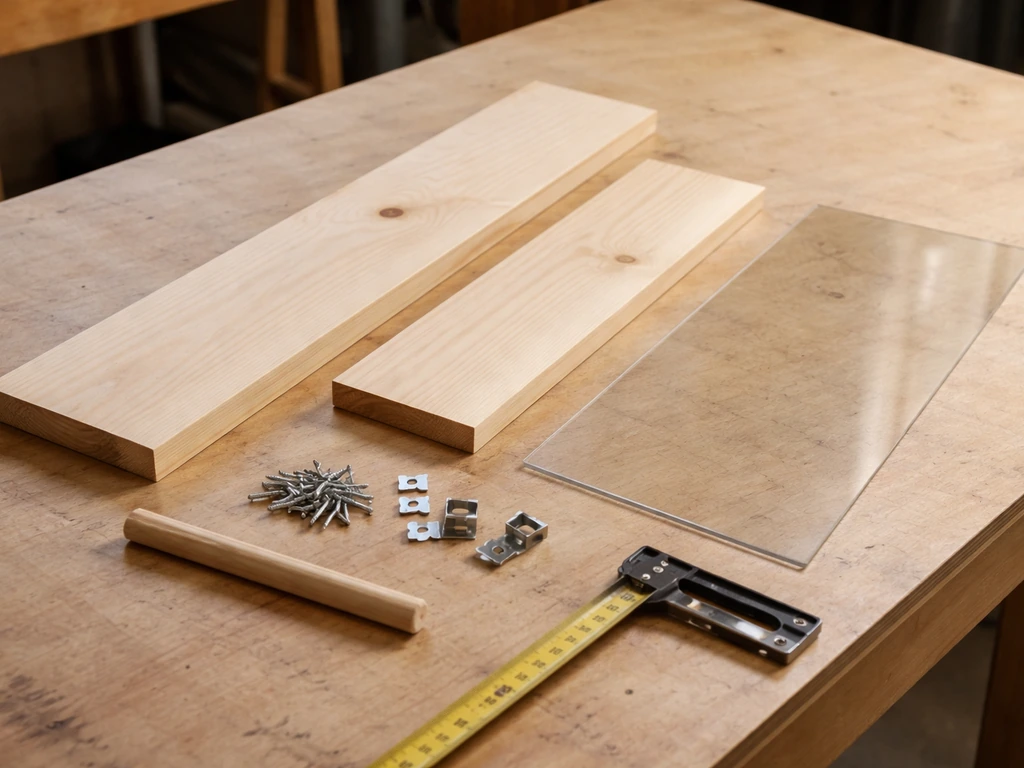
- Cedar or pine boards: one 1x6 at 8 feet long (for the sides, roof panels, and base) and one 1x4 at 4 feet long (for the seed funnel/tray sides)
- Plexiglass or acrylic sheet: two pieces at roughly 4" x 8" for the seed-visible side panels (optional but helpful for monitoring fill level)
- Exterior wood screws: 1.5-inch and 2.5-inch sizes
- Waterproof wood glue
- Exterior-grade paint or wood sealant (clear polyurethane or linseed oil both work)
- Small screw eyes and a short length of galvanized chain or heavy-duty wire if hanging; a pipe flange if pole-mounting
- Hardware cloth with 1/2-inch mesh, 19-gauge (a small offcut from a 48-inch roll is plenty for a mesh tray bottom if you want drainage)
- Staple gun or small U-shaped wire staples for attaching hardware cloth
- Table saw or circular saw, drill, square, sandpaper (80 and 120 grit)
For an Upcycled Plastic or Milk Jug Feeder
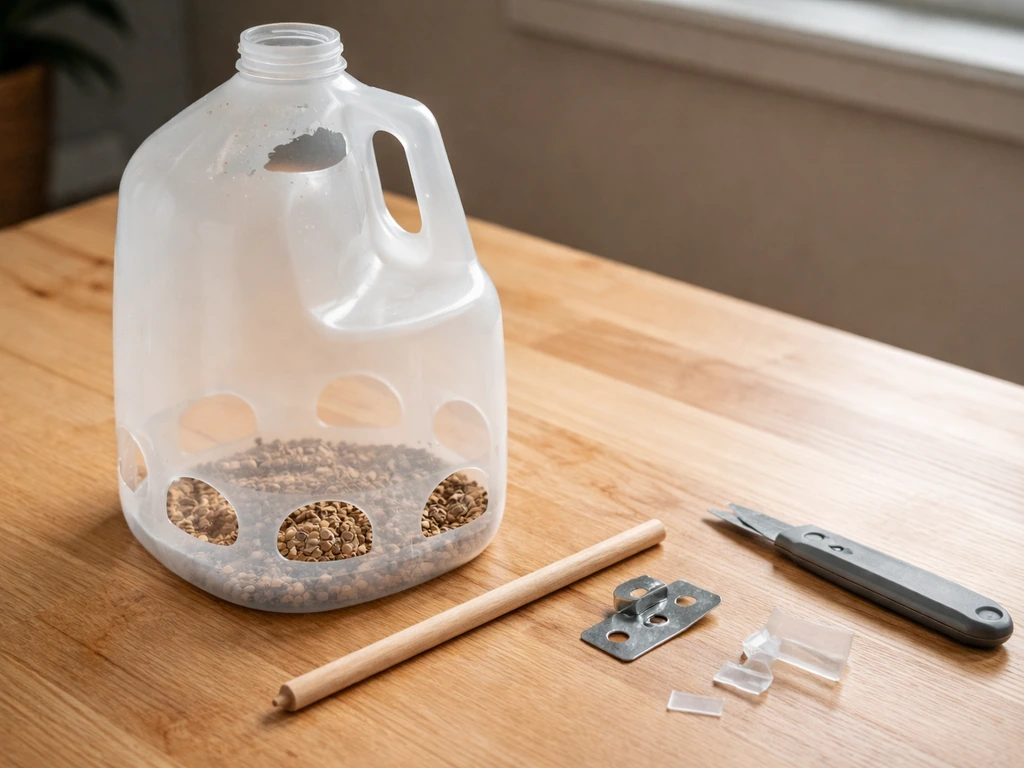
- One gallon milk jug or large 2-liter plastic bottle (clean and dry)
- A sharp craft knife or scissors
- A wooden dowel or pencil for the perch (about 8 inches long, 1/4-inch diameter)
- Strong twine or wire for hanging
- A nail or skewer for poking drainage holes
Cedar is the best wood choice if you can afford it. It resists rot and insects naturally without any treatment, which matters because a large feeder stays wet longer after rain than a small one. Pine works fine but needs a good coat of exterior sealant. Avoid pressure-treated lumber entirely since the chemicals can harm birds.
How to Build a Large Hopper Feeder: Step by Step
Plan for about 3 to 4 hours from first cut to finished feeder. Here is the full build sequence.
- Cut your base first. Rip a piece of 1x6 cedar to 10 inches wide and 16 inches long. This is your floor. If you want drainage, cut it slightly smaller and staple a piece of 1/2-inch hardware cloth across the bottom instead of solid wood. The mesh lets water drain but is tight enough that seed does not fall through.
- Cut the two long side walls at 16 inches long by 9 inches tall. These are the main structural walls. Cut the two short end walls at 10 inches wide by 9 inches tall. Sand all edges to 120 grit.
- Cut the seed funnel panels. These are two angled boards inside the box, sloping inward from the top of each long wall down toward a 2-inch gap at the bottom center. Think of a letter V inside the box. The angle does not need to be precise, but roughly 45 degrees works well. This is what channels seed down to the open tray edges as birds eat.
- Drill pilot holes and assemble the box. Screw the short end walls between the long side walls using 2.5-inch screws and waterproof glue. Then screw the funnel panels in place inside. Attach the base last.
- Build the roof. Two roof panels meeting at a center ridge, overhanging the sides by at least 2 inches on each side and 3 inches on the ends. This overhang is what keeps rain off the seed trays. Attach a ridge board at the peak and screw the panels to it. If you want a removable roof for cleaning, use small barrel bolts or wing nuts instead of permanent screws.
- If using acrylic side panels for seed visibility, cut them to fit the triangular gaps between the funnel boards and the side walls, and attach them with small screws or weatherproof silicone.
- Sand the whole feeder one more time, then apply two coats of exterior sealant or exterior paint. Let it dry completely before adding seed. Wet paint or fresh sealant fumes can deter birds.
Quick Milk Jug Build (Beginner Option)
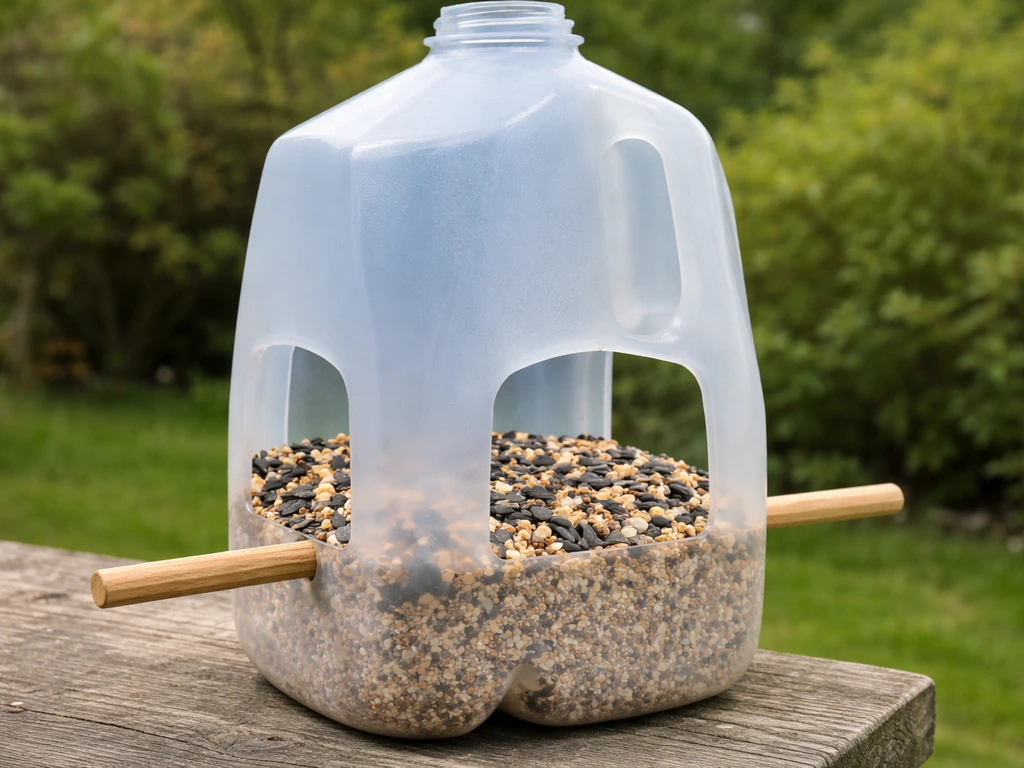
- Clean and dry your milk jug completely. Any dairy smell will keep birds away.
- Cut a feeding hole on each flat side of the jug: roughly 2.5 inches wide, positioned a few inches up from the bottom. Do not cut too low or you will not have room for a perch below the opening.
- Poke a dowel or pencil straight through the jug just below each opening to serve as a perch. It should stick out 3 to 4 inches on each side.
- Poke 4 to 6 small drainage holes in the very bottom of the jug with a nail. Make sure they are small enough that seed cannot fall through.
- Fill with seed, replace the cap, and hang by the handle with sturdy twine. The cap keeps rain out of the top while the drainage holes let any water that gets in escape.
Hanging or Mounting Your Feeder Safely
A full hopper feeder loaded with 5 pounds of seed is heavy, and a wobbly or poorly mounted feeder is one of the fastest ways to lose bird traffic. Birds will not land on something that swings unpredictably. Here is what actually works.
Pole Mounting (Recommended for Large Feeders)
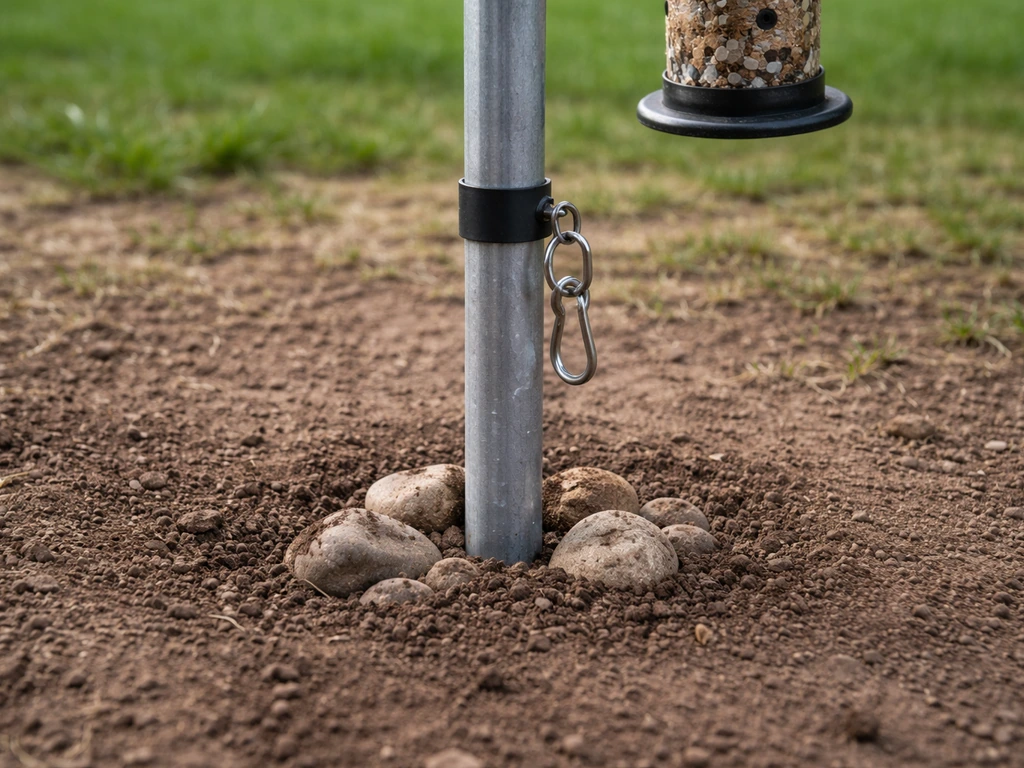
A 1. 5-inch diameter steel shepherd's hook or dedicated feeder pole is the most stable option. Drive the pole at least 12 inches into the ground, ideally 18 inches if your soil is loose. Mount your feeder to the top using a pipe flange screwed into the feeder base, or use a mounting arm that clamps to the pole.
The pole needs to be at least 8 feet away from any tree, fence, railing, or structure a squirrel could jump from. Squirrels can clear 8 to 10 feet horizontally, so closer than that and no baffle will save you. Place your squirrel baffle (18-inch diameter minimum) on the pole at 4 to 5 feet off the ground.
Blain's Farm & Fleet also discusses using pole-mounted baffles, including pipe baffle designs, to block squirrels and raccoons from accessing feeders on taller setups Place your squirrel baffle (18-inch diameter minimum). The feeder itself should sit high enough that the baffle is well below it but still above a squirrel's realistic jumping height from the ground.
Hanging from a Branch or Overhang
If you are hanging from a tree branch, use galvanized chain rather than rope. Rope rots, stretches, and eventually drops your feeder. Use a chain rated for at least 20 pounds, attach it with a heavy-duty screw eye into the feeder's roof ridge, and use a carabiner at the branch end so you can unhook it easily for cleaning. Hanging feeders sway more than pole-mounted ones, which some birds handle fine but others find annoying. Robins and woodpeckers tend to prefer more stable perches, while chickadees and finches do not mind. If you are targeting a wider range of species, pole mounting is the better call.
Window Safety and Placement
Place the feeder either within 3 feet of a window or more than 30 feet away. Birds startled from a feeder too close to a window can strike it, but at very close range they do not build up enough speed to cause injury. The dangerous middle zone is 5 to 30 feet out. This matters especially with a big feeder that will draw more birds and more activity.
Weatherproofing and Seed Capacity Tips
The bigger your feeder, the more important weatherproofing becomes. A large feeder that gets rained into can ruin several pounds of seed at once, which is wasteful and creates a serious mold risk. A few things make a real difference.
- Build roof overhangs of at least 2 to 3 inches on all sides. This is the single most effective rain defense and costs nothing extra if you plan it into your cut list from the start.
- Seal all wood joints with waterproof exterior glue in addition to screws. Water infiltrates joints first, and that is where rot starts.
- Add drainage to your seed tray. Either use hardware cloth as the tray floor, or drill 1/4-inch drainage holes through a solid wood tray floor every 3 inches. This lets any water that does get in drain out before it soaks your seed.
- Apply exterior sealant or paint to all surfaces, including the inside of the seed reservoir. Bare wood inside a seed reservoir absorbs moisture from seeds themselves and starts to mold over time.
- Do not overfill a large feeder. It feels counterintuitive, but filling a 5-pound feeder to the top means the bottom seed sits there the longest. Fill it to about 80 percent capacity and refill more often during wet weather.
- Store your bulk seed in an airtight, dry container, not the bag it came in. A sealed galvanized trash can or sealed plastic bin keeps seed fresh and pest-free between refills.
Troubleshooting: When Things Go Wrong
The Feeder Wobbles or Leans
This almost always comes down to the pole not being driven deep enough, or the ground being soft. If the pole wobbles, add a concrete collar at the base: dig a small hole around the pole, pour in a bag of fast-setting concrete, and let it cure for 24 hours. Alternatively, buy a ground socket anchor designed for feeder poles, which you can remove in winter. A leaning feeder dumps seed out of the tray, makes birds nervous, and eventually falls. Fix it before you add seed.
Birds Are Not Visiting
If no birds visit within a few days of setup, start with location. Is the feeder visible from above and near some cover? Birds are more comfortable feeding within 10 to 15 feet of shrubs or tree cover they can retreat to, but they also need a clear sightline to spot predators. If placement looks good, check the seed.
Cheap mixed birdseed with a lot of milo or red millet is largely ignored by most birds. Sunflower seeds (especially black-oil sunflower) attract the widest variety. If you are targeting specific species, the builds for blue jays or bluebirds have their own seed and feeder-style preferences worth looking at separately. If you want to attract blue jays specifically, use a feeder build that matches their preferred openings and seed choices builds for blue jays.
If you want a bluebird feeder instead of a general hopper feeder, the build details and seed preferences are different.
Too Much Seed Waste on the Ground
Seed waste under a large feeder is a bigger problem than with small feeders simply because there is more of it. It attracts squirrels, rats, and other pests. The fix has two parts. First, avoid mixed seed blends where birds toss aside what they do not want. Stick to a single high-quality seed like black-oil sunflower or safflower. Second, add a seed tray or catch tray below the main tray to capture falling shells and debris. Clean this tray every week. If waste still builds up on the ground, rake it out and dispose of it rather than letting it accumulate.
Squirrels and Raccoons
A large feeder is a bigger target for pests. The 18-inch pole baffle placed at 4 to 5 feet on the pole handles squirrels climbing up. For squirrels jumping from above (from a tree or roof), a dome baffle at least 18 inches in diameter mounted above the feeder works well. Make sure your pole is the right distance from any jump-off points first, because no baffle beats a squirrel that can simply land on the feeder from a branch. Raccoons are a nighttime problem. If you are seeing your feeder disturbed overnight, bring it in after dark or switch to a baffled pole setup where the raccoon cannot get a grip.
Mold or Wet Seed in the Reservoir
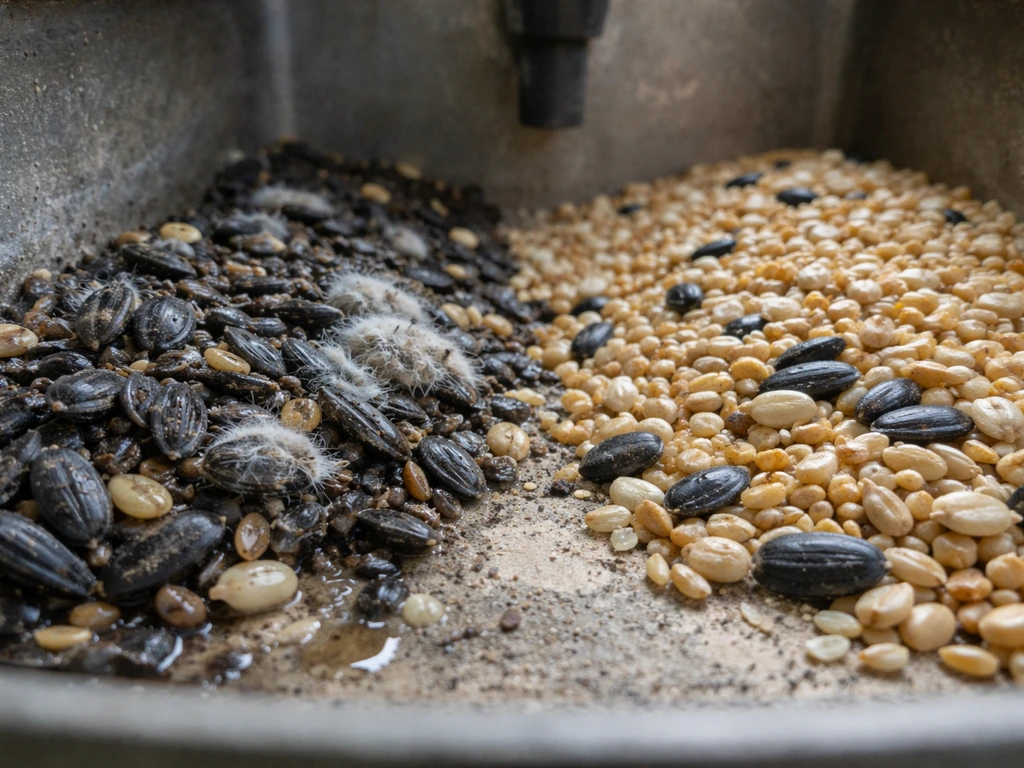
This is the most common failure mode for large feeders in humid climates. Seed that sits in the bottom of a reservoir and gets damp turns moldy fast and can make birds sick. If you are finding clumped or smelly seed at the bottom after refills, you have a drainage or cleaning frequency problem. Make sure drainage holes are clear, reduce your fill level so seed turns over faster, and increase cleaning frequency during wet weather.
Keeping Your Feeder Clean and Making Improvements Over Time
A large feeder cleaned rarely is worse than a small feeder cleaned often. Audubon recommends cleaning seed feeders at least every two weeks as a baseline, and every time you refill if the feeder has been emptied. In hot or wet weather, bump that up to weekly. The cleaning process is straightforward: empty any remaining seed, scrub all surfaces with a stiff brush, soak in a diluted bleach solution (1 part bleach to 9 parts water) for a few minutes, rinse completely, and let the feeder dry fully before adding fresh seed. This last step matters: adding seed to a damp feeder is how mold starts.
After a few weeks of watching how birds use your feeder, you will probably spot a few things to tweak. Common upgrades include adding a wider seed tray on one side if certain birds (like larger jays) are having trouble landing, adding a second pole-mounted baffle if squirrel pressure is high, or building a hinged roof panel for easier cleaning access. A [feeder cage](/feeding-station-plans/how-to-make-a-bird-feeder-cage) around the outside, sized to allow smaller birds in while blocking larger ones, is another popular addition that can dramatically change which species visit. Cage-style builds are a whole separate project worth looking into if you want to get specific about who you are feeding.
One upgrade that almost always pays off is improving seed storage. If you are filling a large feeder regularly, you are buying seed in volume, and seed stored in the original paper bag gets damp, grows mold, and attracts pests in the garage. A sealed galvanized can or a lidded plastic bin stored in a cool, dry spot keeps seed fresh for the whole season.
The first few days after installing a new large feeder are the most important for establishing bird traffic. Sprinkle a small amount of seed on top of the feeder and on the ground nearby to signal to birds that it is a food source. Once the regulars find it, word spreads quickly through your local bird population. Check the pole stability, baffles, and roof overhang after the first rain.
Large feeders put more stress on all of these than small ones, and it is much easier to tighten a screw or reset a leaning pole on day three than after the feeder has been sitting crooked for a month. From there, it mostly runs itself, and the only job is keeping seed fresh and the feeder clean.
FAQ
How heavy will a 5-pound hopper feeder be when fully loaded?
Plan your feeder base and pole for the full load, not just “about 5 pounds.” When the seed reservoir is full and the roof and tray add weight, you can easily end up in the 20+ pound range. If your pole wiggles even slightly, birds often stop using it, so prioritize a deep-set pole (or a ground socket anchor) before you add seed.
Can I use sealed pine instead of cedar, and what parts should I seal?
Use cedar or pine with exterior sealant only where needed, but avoid any interior finishes that can off-gas. If you seal pine, let it cure fully outdoors before filling the feeder. Also, if your feeder stays wet after rain, untreated wood rots sooner, so sealant quality and cure time matter.
What should I do if the seed in the bottom reservoir gets moldy fast?
If you see clumped seed at the bottom, do not just dump and refill. First, empty and scrub, then verify drainage holes are actually clearing water and not blocked by seed husks. Next, reduce how much seed you add at one time so seed turnover is faster during humid spells, then increase how often you clean.
Can I make a big bird feeder using plastic bottles instead of wood?
Yes, but you still need to address pests and safety rules. For a pole-mounted build, you can keep the same hopper concept and still use a 18-inch squirrel baffle at 4 to 5 feet. However, verify the bottle or jug cannot tip when full and that the hanging method does not cause sway. Milk jugs are also much harder to seal against rain.
How do I prevent seed waste and pests under a large feeder?
Big feeders can reduce the need for frequent refills, but they can also increase seed waste if the wrong seed is used. Stick to a single seed type, especially black-oil sunflower or safflower, and add a catch tray below the feeding area. Clean the catch tray weekly, then rake and remove any remaining waste so it does not keep attracting pests.
My feeder is built, but no birds are coming. What should I check first?
If you are getting no visits after a few days, change only one variable at a time. Start by confirming placement (near cover but with a clear sightline), then switch to a more widely accepted seed like black-oil sunflower. Avoid high-milo mixed blends, and keep the feeder stocked consistently during the adjustment period.
What window placement is safest for birds, especially with a large feeder?
For birds near windows, do not rely on luck in the 5 to 30 feet “danger middle.” Either place it within 3 feet of a window, so birds do not build up speed, or put it more than 30 feet away. Also consider adding window decals if you cannot move the feeder.
If I hang the hopper feeder from a tree, what hardware should I use and why?
Chain hanging is safer long-term than rope, but you still need correct hardware so it does not twist. Use a rated chain and a screw eye in a solid roof ridge area, then add a carabiner so you can remove it quickly for cleaning. If the feeder sways, birds may avoid it, so choose an attachment point that keeps it as upright as possible.
My squirrel baffle stops climbing but squirrels still raid it. What else should I do?
If squirrels are reaching from above, a side baffle can fail. Add a dome baffle mounted above the feeder (at least 18 inches in diameter) and then re-check your pole distance from all jump-off points like branches and roofs. The distance rule matters most, because a squirrel that lands directly can bypass any baffle.
How do I handle raccoons, not just squirrels?
Raccoons are the exception that often requires a daytime solution plus a night solution. If you see nighttime disruption, bring the feeder in after dark or use a baffled pole setup designed so a raccoon cannot get a grip. Regular day cleaning alone usually does not solve the problem.
How often should I clean a large hopper feeder in humid weather?
Cleaning frequency depends on heat and moisture, but the rule is to prevent damp buildup. Empty and scrub surfaces, soak in a diluted bleach solution, rinse thoroughly, and fully dry before refilling. In wet or hot weather, increase to weekly, and if the feeder empties and you refill, clean again if residue has built up.
What upgrade makes a big hopper feeder easier to clean and maintain?
An easy upgrade is improving access for cleaning. A hinged roof panel or a hinged side section lets you reach drainage areas and scrub corners without removing the whole feeder. This matters because large feeders accumulate debris faster, and missed corners can seed mold problems.
How should I store bulk seed so it stays dry and does not attract pests?
Improve seed storage to prevent damp seed in the garage. Use a sealed container or lidded bin stored in a cool, dry location, and keep seed in smaller batch quantities so you do not keep opening the bag repeatedly. Fresh, dry seed reduces clumping and pests, even when you cannot control outdoor humidity.
Next Article
How to Build a Bird Feeder for Blue Jays Step by Step
Step-by-step DIY bird feeder for blue jays with placement, perch openings, maintenance, and pest-troubleshooting tips.