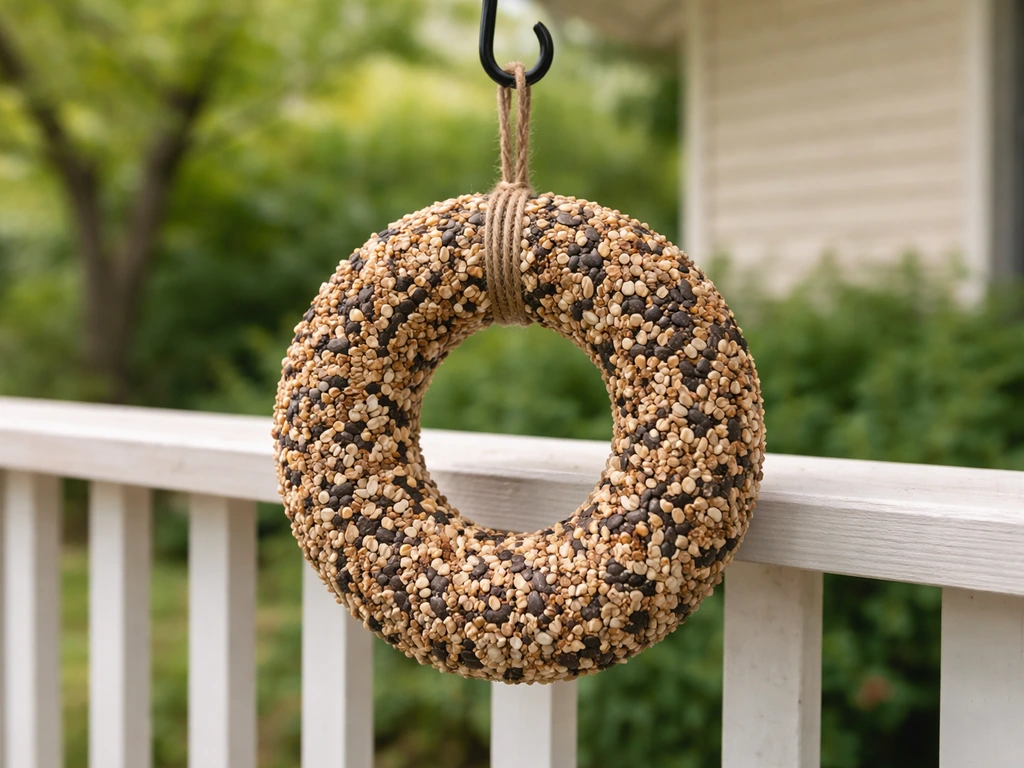
Hang your bird seed wreath from a sturdy hook or branch at about 5 feet off the ground, at least 12 feet from dense cover and 30 feet from any large windows, using a short length of chain or wire threaded through the wreath frame so the weight is distributed evenly and the whole thing can't slip or tip. That's the core of it. Everything else below is about making that setup safer, longer-lasting, and more attractive to birds.
How to Hang a Bird Seed Wreath Step by Step
Marcus Brennan
2 May 2026
Pick the safest, most attractive hanging location
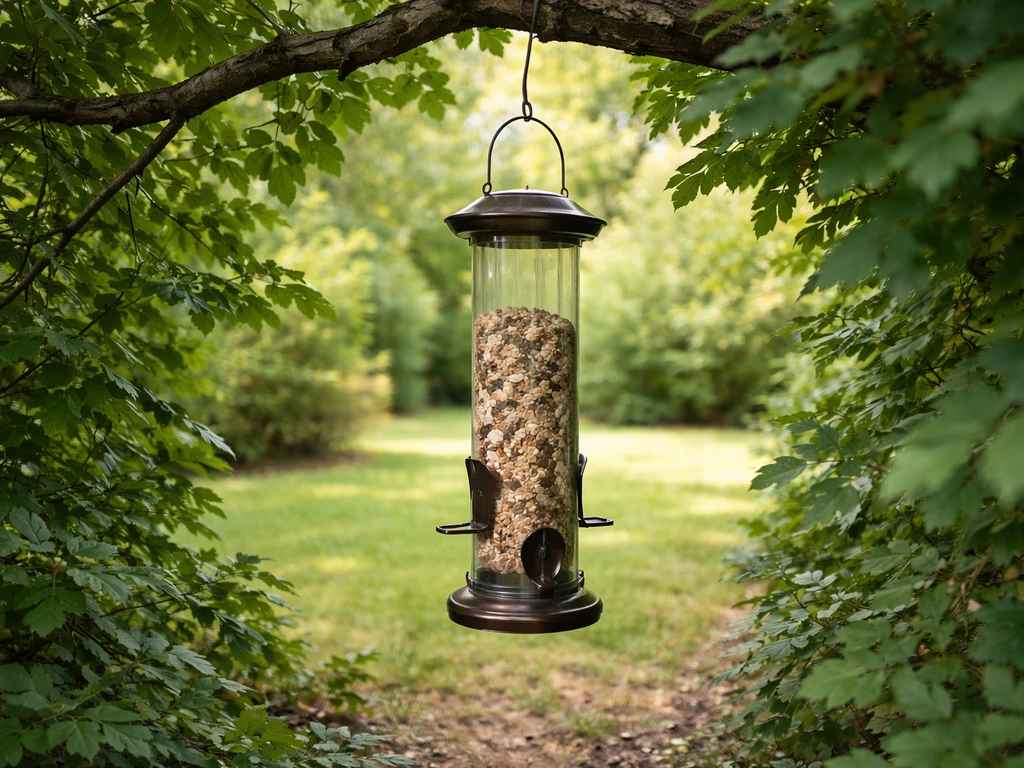
Location makes or breaks how often birds actually visit. Birds are cautious creatures, and they won't eat somewhere that feels exposed or dangerous. At the same time, you want them visible from your window so you can actually enjoy watching them.
The guideline I use is what's sometimes called the 5-7-9 rule: hang the feeder about 5 feet from the ground, at least 7 feet from any fence or vertical structure a cat could climb, and 9 feet away from any overhanging branch or roof edge that a squirrel could leap from. This isn't a magic formula, but it gives you a solid starting framework that deals with the most common predator threats at once.
Distance from cover matters too. Place the wreath about 12 feet from a brush pile, shrub, or evergreen. That gives birds a safe retreat nearby if they get spooked, without giving a cat or hawk a convenient ambush spot right next to the food. If cover is too far away, birds may avoid the feeder entirely because they feel too exposed.
Windows are the other big hazard. A feeder placed 3 feet or less from a window can actually increase bird strike risk because birds don't build up enough speed to cause fatal impacts. Audubon also warns that if feeders are within 3 feet of a window, birds may not build up enough speed to cause fatal impacts 3 feet or less from a window. Thirty feet or more is the safer distance that reduces confusing reflections. If your yard is small and 30 feet isn't possible, going closer rather than farther (within 3 feet) is actually safer than the mid-range distances of 5 to 15 feet.
- Partial shade is ideal: morning sun, afternoon shade keeps the seed from drying out or molding too fast
- Avoid spots directly under trees with lots of squirrel traffic
- Pick a location you can see from inside the house so you'll notice when it needs a refill
- Make sure you can physically reach it easily for cleaning and maintenance
Decide the right hanging setup (branch vs hook vs stand)
Before you reach for any hardware, think about what you're actually working with. A bird seed wreath is heavier than it looks, especially after rain soaks into the seed mixture. It also has a flat, circular shape that catches wind differently than a tube feeder. You need a setup that handles both weight and lateral movement.
| Hanging method | Best for | Main drawback |
|---|---|---|
| Tree branch with chain | Yards with mature trees, most stable option | Branch must be at least 1 inch thick; harder to adjust height |
| Shepherd's hook or stand | Open yards, no suitable trees; easy height control | Can tip in wind if not anchored; squirrels love pole-climbing |
| Fence or wall-mounted hook | Small yards or patios; keeps wreath very visible | Limits the 7-foot clearance from vertical surfaces |
| Deck hook or railing clamp | Apartment balconies or decks | May not handle heavy wreaths without a strong clamp rating |
For most backyard setups, a shepherd's hook with a ground stake works well and lets you position the wreath exactly where you want it without depending on tree placement. If you do hang from a branch, choose one that's alive, at least an inch in diameter, and doesn't bounce around violently in wind. A dead or thin branch is a disaster waiting to happen once the wreath gets wet and heavy.
Chain is a better long-term choice than rope or twine. Rope stretches and frays, especially in wet weather, and it's much easier for squirrels to chew through. A short length of galvanized chain with S-hooks on each end lets you clip and unclip the wreath quickly for cleaning and gives you a solid, weather-resistant connection. You can find this style of hanging chain sold specifically for bird feeders.
How to attach your hanging method to the wreath securely
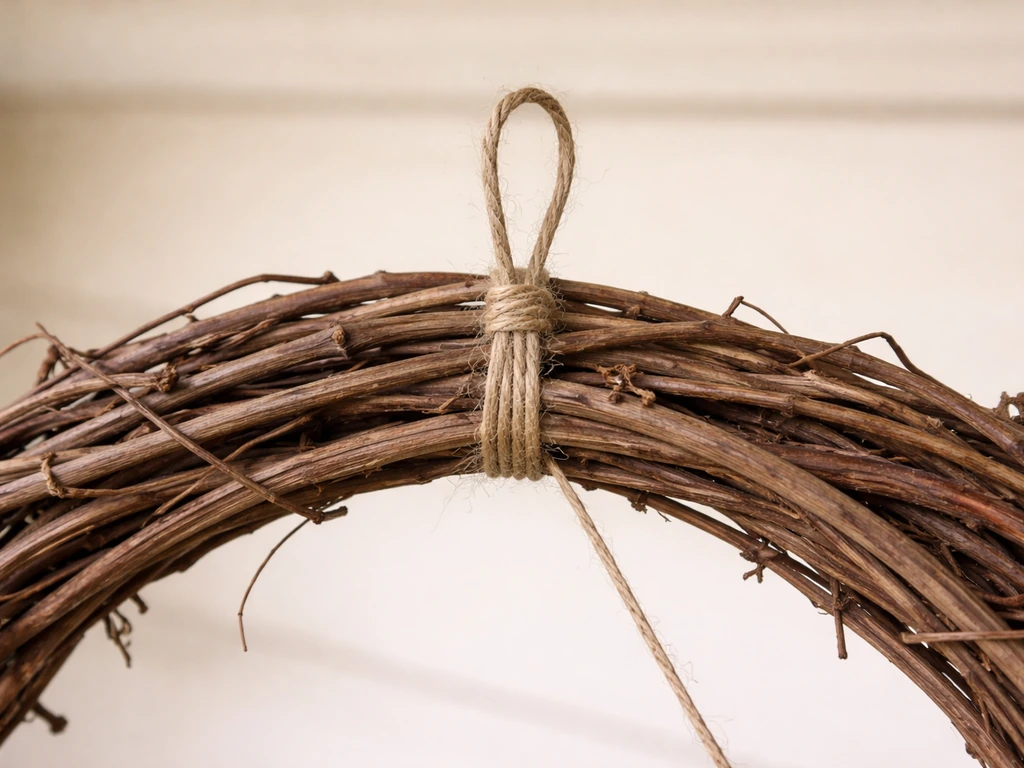
This is where a lot of people run into trouble. If you are working with a bird bottle style feeder, the same hanging principles apply, but you will need to secure the bottle so it cannot rotate or tip as it fills. Bird seed wreaths don't always have a built-in hanging loop, and even when they do, it may not be strong enough to hold the wreath's full weight without tearing the frame or pulling through the seed mixture.
If your wreath has a wire or grapevine frame, thread a piece of sturdy floral wire or a short length of galvanized wire through the frame itself at the top, rather than relying on any decorative string or twine that came with it. Twist the wire ends together at least three times and bend the sharp ends back so they don't snag. Then clip your S-hook or chain to that wire loop. This distributes the load across the frame rather than putting all the tension on one attachment point.
Zip ties are a surprisingly good option here. Thread a cable tie through the wreath frame at the 12 o'clock position, loop it around your hanging hook or chain, and cinch it tight. Give it a firm tug to test it. If one tie doesn't feel beefy enough, daisy-chain two together to create a larger, stronger loop. UV-resistant zip ties hold up reasonably well outdoors, though you'll want to check them every month or so.
For commercial-style bird seed wreaths (like the Mr. Bird Wildfeast wreath, which has its own hanging setup considerations), check whether the wreath's center hole is wide enough to loop wire through cleanly. If you’re working with a how to hang Mr Bird Wildfeast wreath, double-check that the center hole and frame wiring can handle the full weight before you clip your chain or loop. Some pressed-seed wreaths are more fragile than they look, and pushing wire through rough seed can crack the disk. In that case, use a wide wire loop that cradles the wreath from below at two points rather than pulling up from one.
Height, angle, and spacing tips for easy bird access
Five feet off the ground is the sweet spot for most wreath setups. It's high enough to discourage cats and ground-foraging pests, low enough that birds feel comfortable landing and feeding rather than hovering nervously. If you're hanging near a fence or wall, bump the height up a little to keep that 7-foot lateral clearance.
The wreath should hang level, not tilted. A tilted wreath makes it harder for birds to cling and feed, and seed is more likely to spill off one side. If your wreath tilts consistently in one direction, it's usually because the attachment point is off-center. Re-thread your wire or zip tie so the hanging point is directly above the wreath's center of gravity, which for a standard circular wreath is the middle of the ring.
Leave at least 18 inches of clear space around the wreath on all sides. Birds need an unobstructed approach path. If you're hanging multiple feeders, keep them at least 3 feet apart so dominant species don't block access for smaller birds. A bird seed wreath naturally attracts a mix of species, so giving them room to take turns without confrontation keeps the whole setup more active and enjoyable to watch.
Weather and durability: prevent sagging, rot, and seed spill
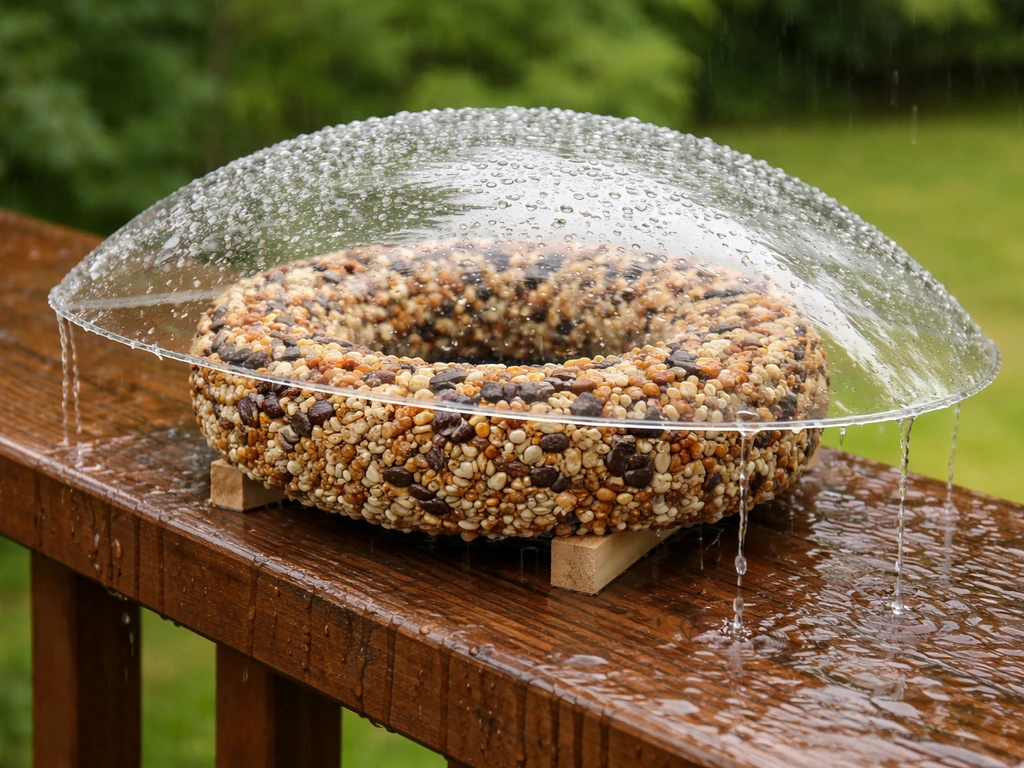
Rain is the main enemy of a bird seed wreath. Pressed seed and suet mixtures absorb moisture fast, which makes them heavier, softer, and prone to drooping or crumbling. In consistently wet conditions, a wreath can go from firm to falling apart in a few days.
The single most effective thing you can do is add a weather guard or dome above the wreath. A wide squirrel baffle mounted above the hanging point does double duty: it blocks rain from saturating the wreath and discourages squirrels from shimmying down the chain. If you don't want to buy a baffle, even a simple inverted plastic saucer loosely tied 8 to 10 inches above the wreath helps redirect rain.
Check the wire or zip tie attachment after the first rain. Wet wire can loosen in its twists, and cable ties can sometimes slip slightly under added weight. A quick tug test after the first storm saves you from finding the wreath on the ground later. If the chain or wire has developed any rust spots, replace them rather than letting corrosion weaken the connection over time.
In windy locations, shorten the chain length so there's less swing. A wreath swinging freely in a strong gust will spill seed, tire out visiting birds, and put more stress on the attachment point. Two to three links of chain rather than six or eight gives you a more stable hang with less arc.
Troubleshooting common problems (slipping, imbalance, attachment failure)
Here are the issues I've seen come up most often, and how to fix them quickly:
- Wreath keeps tilting to one side: Your attachment point is off-center. Reposition the wire or zip tie loop so it sits directly above the wreath's true center. If the wreath is irregularly shaped or has heavier decoration on one side, add a secondary attachment point on the opposite side to counterbalance.
- String or wire slipping off the hook: Switch to a locking S-hook or add a split ring (like the kind used for key chains) at the top so the connection can't bounce loose. Smooth S-hooks can work free in wind or when birds land hard.
- Wreath frame cracking or crumbling at the attachment point: The hanging load is too concentrated. Use a wire cradle that runs under the wreath at two points (like a sling) instead of pulling from one spot at the top. This spreads the weight across the frame.
- Wreath spinning constantly in the breeze: Add a small swivel between the chain and the hook. Barrel swivels from fishing supply sections work perfectly and cost almost nothing.
- Wreath dropping lower over time: The hook or branch attachment is slowly giving. Check the mounting point, not just the wreath hardware. Re-seat the shepherd's hook stake or move to a thicker branch.
- Birds not visiting after hanging: Give it 3 to 5 days. Birds are cautious about new objects. Make sure the location has nearby perching spots (a fence rail or small branch) and that you haven't placed it too close to high-traffic human activity.
Maintenance after hanging (refill, freshness, and pest-proofing)
Once the wreath is up, your job isn't done. A neglected wreath gets moldy, attracts rodents, and eventually stops bringing birds in at all. The good news is that a wreath feeder is one of the easier setups to maintain because you can see the whole surface at a glance. After that, learn how to make a Christmas wreath bird feeder so it stays sturdy and safe for visiting birds all season.
Check the wreath every few days, especially after rain. Wet seed sitting in a warm environment grows mold fast, and moldy feed can make birds sick. If you see any discoloration, gray fuzz, or an off smell, take the wreath down and let it dry completely in the sun before rehanging. If mold has gone deep into the seed mixture, it's better to replace the wreath than to try to pick out the affected sections.
Clean the area under the wreath about once a month. Audubon recommends cleaning feeders with a 1:9 bleach-to-water solution and rinsing thoroughly, which helps keep bird feeders disease-free Clean the area under the wreath about once a month.. Spilled seed and hulls pile up on the ground, and that debris is exactly what attracts rats and mice. Rake it up and dispose of it rather than leaving it to accumulate. King County public health data has linked ground-level seed waste directly to increased rodent activity near feeders, so this step is genuinely important, not just tidiness for its own sake.
For squirrel-proofing, a pole baffle below the wreath (if hanging from a stand) or a cone baffle above (if hanging from a branch or chain) are your two main tools. There's no magic spray or repellent that reliably works long-term. Physical barriers are the only thing that consistently deters them. If squirrels are a persistent problem, consider the placement again: even one nearby branch within 9 feet gives them a launch point.
If birds seem to be avoiding the wreath after a week or two, check whether it's still structurally intact. A partially eaten or crumbled wreath can look unappealing and offer poor footing. Replace it when it's more than half gone or starting to fall apart at the frame, rather than waiting for it to disintegrate entirely. Keeping a spare wreath on hand makes the swap-out quick and keeps the feeding spot continuously active, which is the best way to build a loyal group of regular visitors.
If you enjoy the wreath format, it pairs well with other hanging feeder styles nearby. A seed bell hung at a slightly different height draws in species that prefer a different feeding position, and bottle-style feeders can fill in with loose seed for ground-feeding birds that may not cling well to a wreath surface. The more variety you offer in the same general zone, the more consistent and diverse your bird activity will be.
FAQ
What’s the best way to hang a wreath if it doesn’t have a strong built-in hanging loop?
Use a wide, flat loop that cradles the wreath from below at two points, then clip your chain or S-hooks to that loop. Pulling up from a single point can crack pressed or brittle frames when the wreath absorbs rain and gets heavier.
My wreath swings a lot in the wind, what should I change?
If you live in a high-wind area or you notice seed spilling, shorten the chain length and aim for only 2 to 3 links of slack. Also make sure the hanging point is centered so the wreath doesn’t swing and tilt, which increases both spillage and stress on the frame.
How often should I re-check the hanging hardware, and what signs mean it needs replacing?
After every heavy rain, do a quick load test: tug the hanging connection firmly and re-check that the chain or wire hasn’t loosened. If your connection has rust pitting or frayed wire spots, replace the hanging hardware rather than trying to “work around” the weak section.
Can I rely on the decorative string or twine that came with the wreath?
For a metal or grapevine frame, thread sturdy wire through the top portion of the frame (not decorative string) and twist the ends at least three times. If there’s no solid frame spot near the top, add two support points by tying a cradle loop around the frame ring so the load spreads.
Can I hang the bird seed wreath on a balcony railing or near a fence?
Yes, but only if you can maintain the bird-safety distances and still keep cats and squirrels from having a launch route. If you must hang it near a fence, raise the height slightly to preserve the lateral clearance, and avoid positioning so a squirrel can leap directly onto the wreath.
What causes a wreath to hang tilted even after I tied it up?
If your wreath keeps tipping, it usually means the attachment point is off-center or the hanging loop is twisted. Re-thread the wire or reset the zip tie so the hanging point sits directly above the wreath’s center of gravity.
Where should I not hang it if I want it to last through summer rains?
Avoid placing it where water drips from gutters, roof edges, or tree limbs. Even if the overall location meets distance rules, constant splash will soak the seed mixture faster and can shorten the wreath’s lifespan dramatically.
Are zip ties safe for hanging a pressed-seed wreath, and how do I keep them from failing?
Use UV-rated zip ties only as part of the mechanical connection, not as the sole “grab” point for fragile pressed seed. Thread the tie through a frame location that won’t cut into the wreath, and if one tie feels marginal, daisy-chain two to create a stronger loop.
My yard is small, what’s the safest window distance if I can’t reach 30 feet?
If you cannot reach 30 feet from windows, don’t aim for a random mid-distance. Within about 3 feet is safer than the 5 to 15 foot range because birds are less likely to build up speed, and you can reduce reflections by angling the wreath slightly or using a window covering on peak sunny hours.
What should I troubleshoot if birds avoid the wreath after a week or two?
If birds stop visiting after a short time, check three things first: whether the wreath is more than half depleted or crumbling, whether the surface is wet and moldy (then replace), and whether the approach space is blocked by nearby feeders or branches. A fresh, intact wreath with an open approach usually restarts activity quickly.
Next Articles
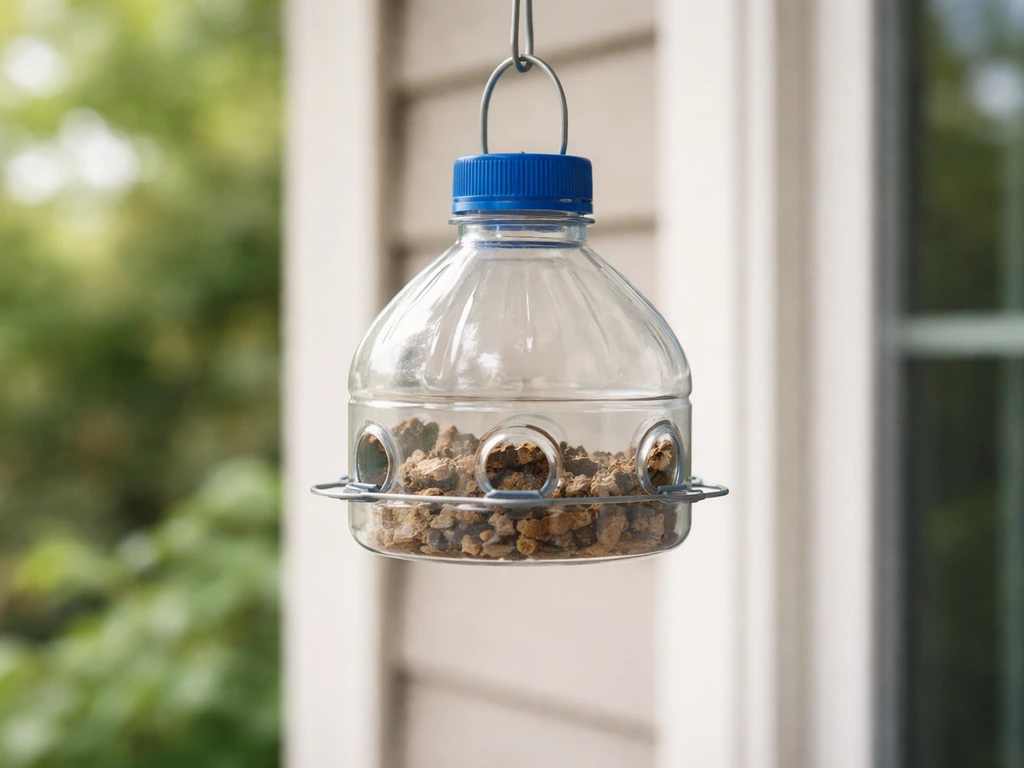
IIT Bottle Top Bird Feeder With Hanger: DIY Guide
Step-by-step DIY for an IIT bottle top bird feeder with hanger, including setup, stability, pest control, and maintenanc
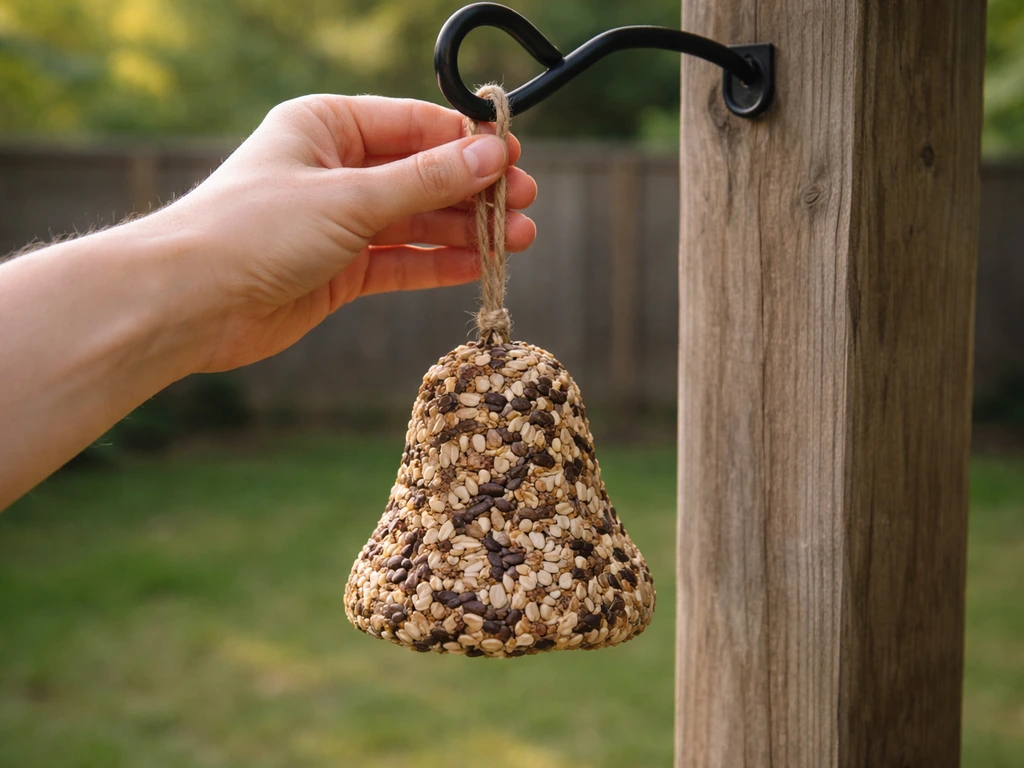
How to Hang a Bird Seed Bell: Step-by-Step Guide
Step-by-step how to hang a bird seed bell feeder, choosing location, height, hardware, secure attachment, and safe stabi
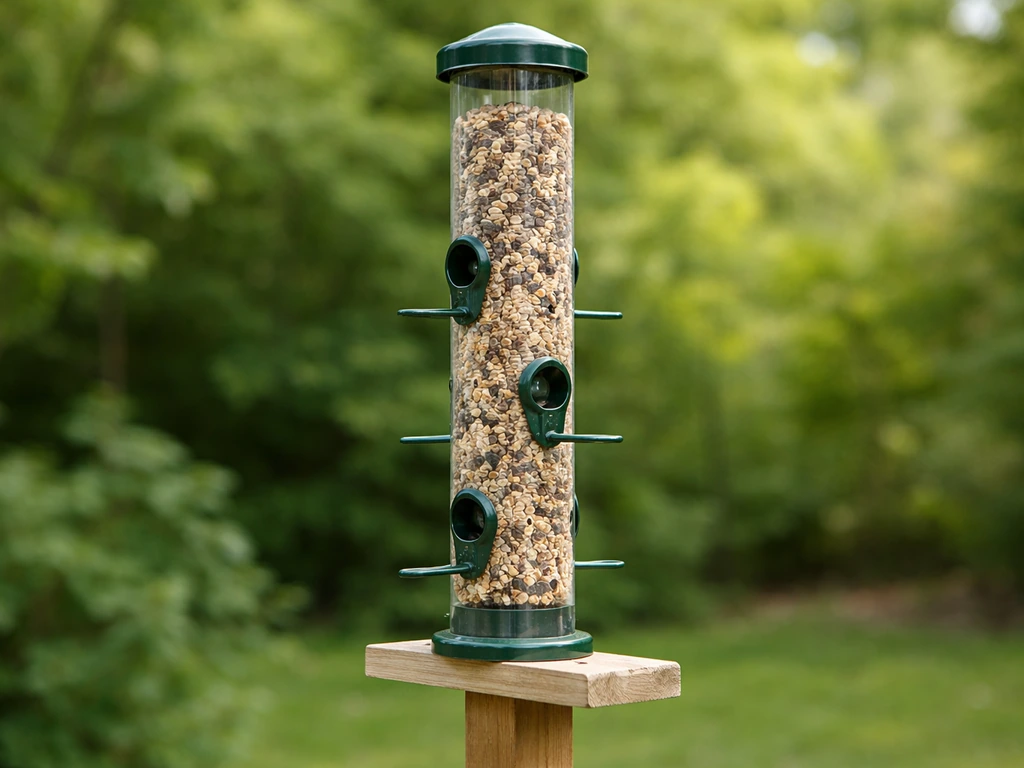
How to Make a Tube Bird Feeder Step by Step
Step-by-step how to make a tube bird feeder with materials, safe mounting, maintenance, and fixes for leaks and clogs.