The Liyala Tuckfield bird feeder is a classic beginner build from the 2000 student reader 'How To Make a Bird Feeder' blank" rel="noopener noreferrer">(Rigby, 2000), and the core method is beautifully simple: take a milk or juice carton, cut a wide feeding hole in one side, add a perch hole below it, thread some rope through the top, fill it with seed, and hang it up. That's the whole idea. If you've landed here looking to follow that exact approach, you're in the right place. I'll walk you through it completely, from picking your materials to dealing with squirrels stealing all your seed a week later.
How to Make a Bird Feeder by Liyala Tuckfield
Marcus Brennan
15 May 2026
Pick the right feeder style and gather your materials
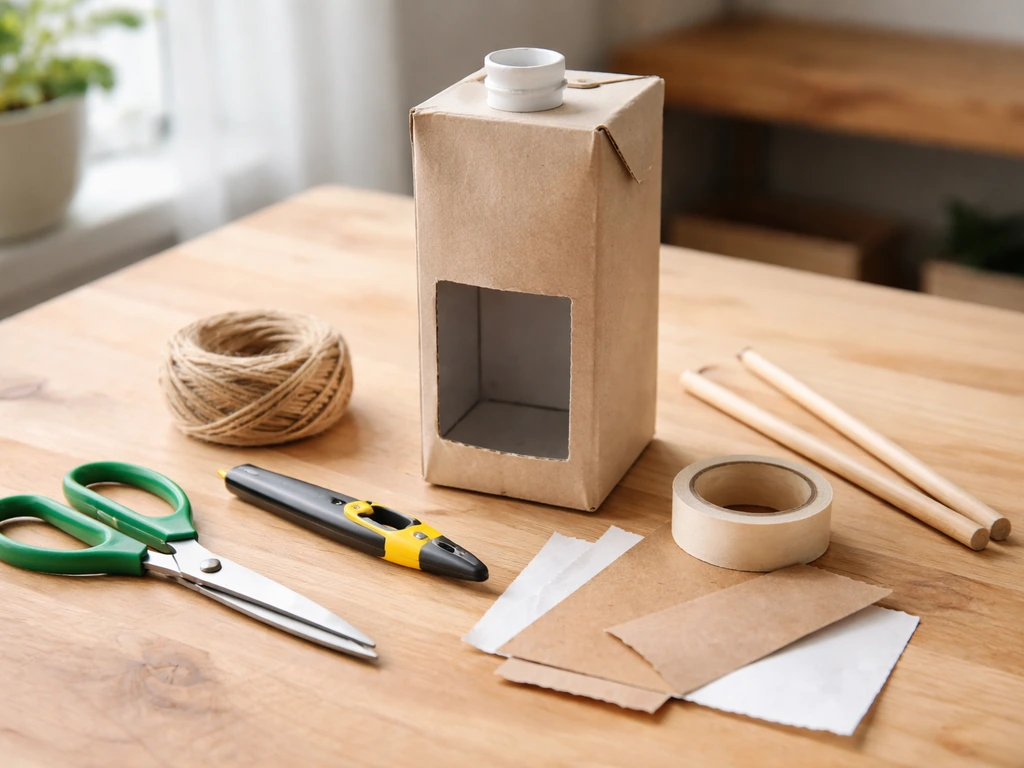
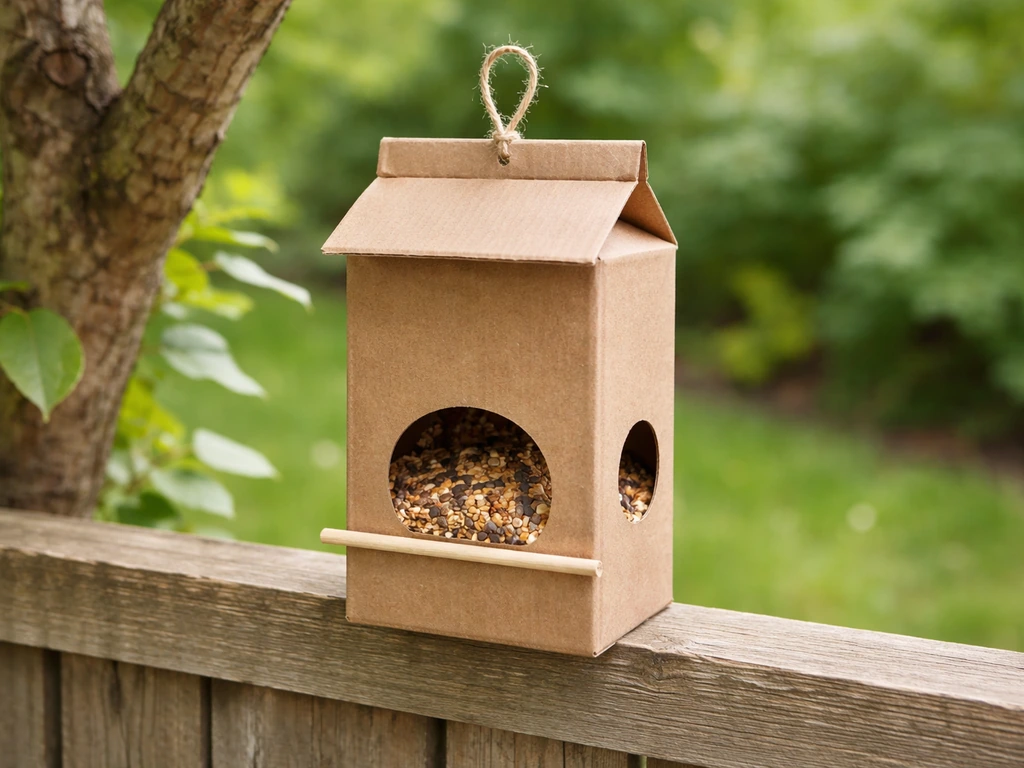
The Tuckfield method centers on a recycled carton feeder, which is genuinely one of the best starting points for beginners. It costs almost nothing, uses stuff you already have at home, and takes under 30 minutes to build. A clean, dry milk carton or juice carton (half-gallon or one-liter size works well) is your main structure. To learn more about a carton-style build specifically using a Tetra Pak, follow the same hole-and-perch method described in how to make bird feeder with tetra pack Tetra Pak carton. If you don't have one ready, a plastic bottle or even a Tetra Pak carton can work the same way, though cardboard cartons tend to hold their shape better for cutting clean holes.
Here's everything you'll need before you start cutting anything:
- One clean, dry milk carton or juice carton (half-gallon size is ideal)
- Sharp scissors or a craft knife
- A pencil or marker for tracing cut lines
- One thin wooden dowel, pencil, or stick about 6 inches long (for the perch)
- Rope, twine, or sturdy wire for hanging (at least 18 inches)
- Acrylic paint or waterproof markers if you want to decorate (optional but fun)
- Birdseed (sunflower seeds and mixed seed blends work for most backyard birds)
- A hole punch or skewer for making clean small holes
If you want the even simpler version that requires zero cutting tools, the toilet paper roll method is a great alternative: roll a cardboard tube in peanut butter, coat it in birdseed, thread a string through the center, and hang it from a branch. It's messier but genuinely works and takes about five minutes. That said, the carton feeder is sturdier, holds more seed, and lasts much longer, so it's worth the extra effort.
Step-by-step build instructions (the Liyala Tuckfield method)
Plan on about 20 to 30 minutes for this build. The steps below follow the Tuckfield approach directly, with a few practical tips added from actually doing this in a backyard.
- Rinse and completely dry your carton. Any moisture left inside will make the seed go moldy within days, which is the number one reason first feeders fail.
- Hold the carton with the spout facing up. On one flat side (the widest panel), draw a large rectangle starting about 2 to 3 inches up from the bottom. Make it roughly 3 inches wide and 2.5 inches tall. This is your feeding opening.
- Carefully cut out that rectangle using scissors or a craft knife. If you're doing this with kids, cut the hole yourself and let them handle the decorating steps.
- About half an inch below the center of that feeding hole, use a skewer or hole punch to make two small holes directly across from each other (one on each side of the carton). These are for your perch.
- Push your wooden dowel, pencil, or thin stick through both small holes so it sticks out equally on both sides. This gives birds somewhere to grip while they eat.
- At the very top of the carton, use your hole punch or skewer to make two small holes on opposite sides, near the sealed top edge. Thread your rope or twine through both holes and tie a secure knot so the feeder hangs evenly.
- If you're painting or decorating, do it now on the outside of the carton. Use waterproof paint if possible, especially if your feeder will be in an exposed spot. Let it dry fully before adding seed.
- Fill the feeder with birdseed through the top opening (open the spout if it's a regular milk carton) or through the feeding hole, leaving about an inch of clearance below the hole so seed doesn't spill out immediately.
- Close the top back up and hang it up. You're done.
Add perches, openings, and drainage so it actually lasts
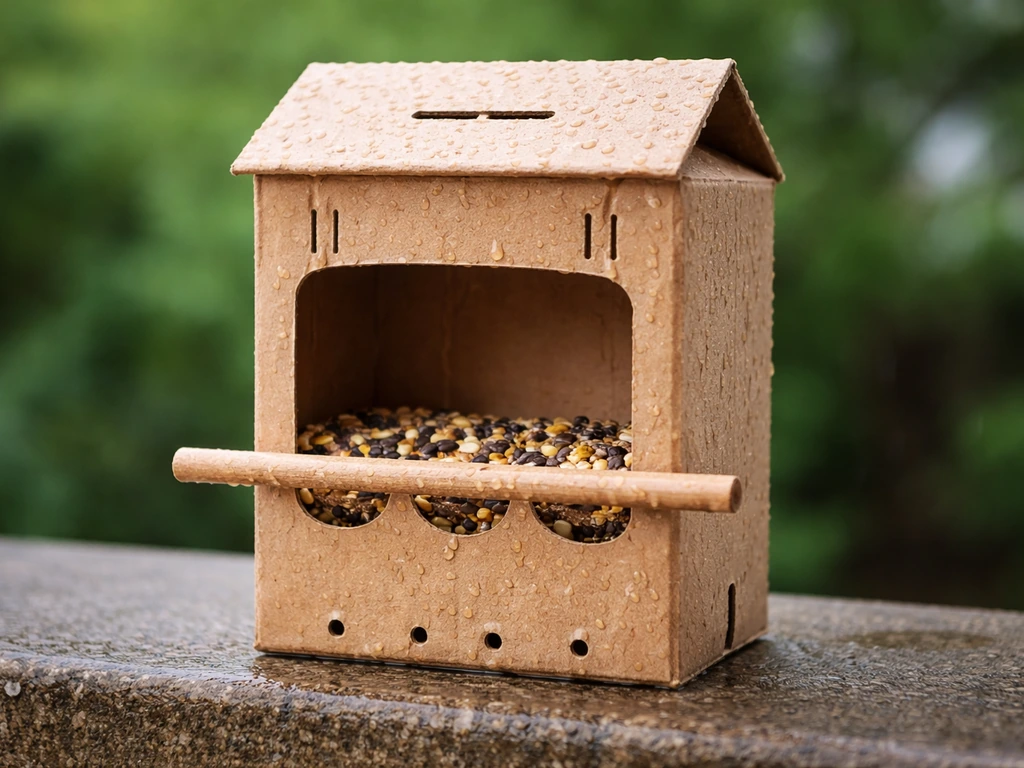
The perch is non-negotiable. Birds need something to land on before they start eating, and without it, most species will skip your feeder entirely. The dowel or stick you pushed through the small holes does the job perfectly. If it wobbles, add a small dab of waterproof glue or wrap the stick tightly with twine where it meets the carton wall.
Drainage matters more than most beginner guides admit. Rain and morning dew will soak into your feeder over time, and wet seed clumps together and grows mold fast. Punch two or three small drainage holes in the very bottom of the carton using a skewer. They don't need to be big, just enough to let water drain out so seed doesn't sit in a puddle. If you live somewhere with heavy rain, also cut your feeding opening slightly larger (about 3.5 inches wide) so air can circulate inside.
Weatherproofing a cardboard carton is honestly its biggest limitation. Painting the outside with two coats of acrylic paint helps, but a carton feeder realistically lasts one season with regular use. If you want something more durable, the same basic design can be replicated using a plastic bottle or a Tetra Pak carton, both of which are fully waterproof and will hold up much longer without any special treatment. Tin can feeders follow a very similar build logic too, using the same feeding hole and perch setup with a metal can instead. Tin can bird feeder DIY uses the same basic concepts as the carton version, just with a metal can as the body.
Where and how to hang it for safe bird access
Hang the feeder about five feet off the ground. That height keeps it accessible for most backyard birds while making it harder for cats to ambush feeding birds from below. Too low (under three feet) and ground predators are a real risk. Too high (over eight feet) and you'll have trouble refilling it and cleaning it regularly.
Position matters almost as much as height. Birds feel safest eating when there's cover nearby. Hang the feeder within about ten feet of a shrub, hedge, or tree so birds can quickly dart to safety if they feel threatened. At the same time, don't hang it right against a tree trunk or fence where squirrels can easily jump onto it. A branch that overhangs open space is the sweet spot.
If you're attaching it to a fence or post instead of a tree, use a hook or bracket and make sure the feeder can swing freely. A rigid mount means wind will stress the rope-to-carton connection and it'll tear loose faster. Let it hang with a little movement and it'll stay intact much longer. Also keep it away from windows if you can. Birds that fly into glass are often confused by reflected sky in windows within about three feet of a feeder.
Maintenance: what to do and how often
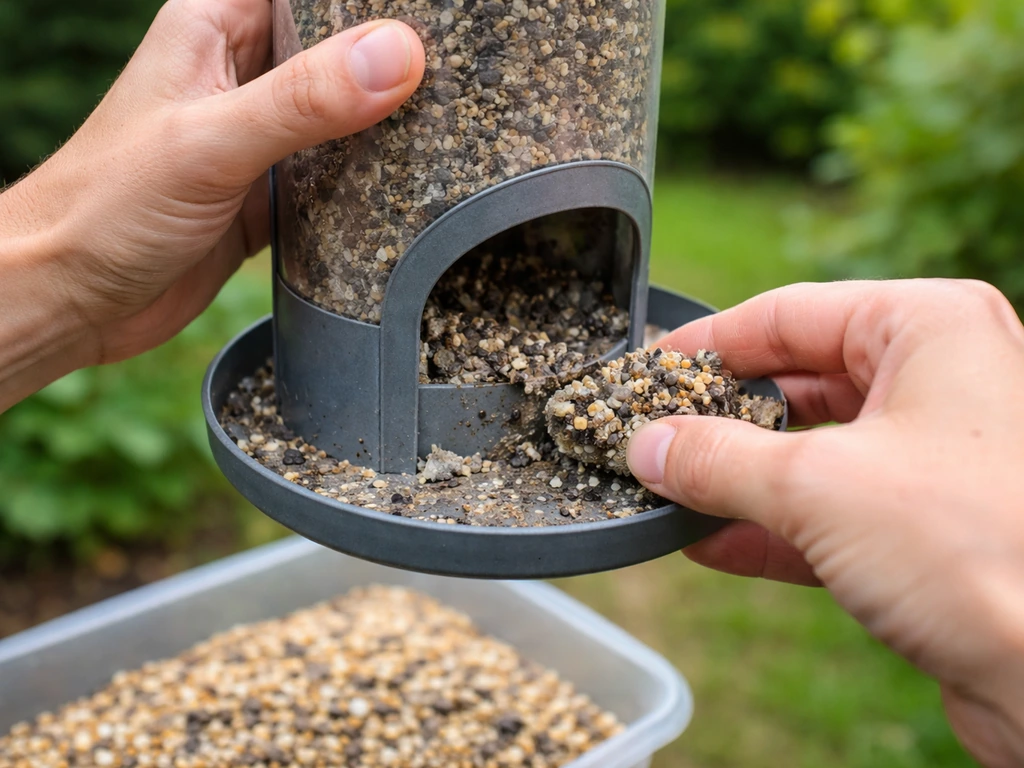
A bird feeder you don't maintain is worse than no feeder at all. Moldy seed and dirty feeders can make birds sick, and once birds have a bad experience at a feeder, they often stop returning. The good news is maintenance for a simple carton feeder is pretty quick.
| Task | How often | What to do |
|---|---|---|
| Check seed level | Every 2 to 3 days | Top up seed, remove any clumped or wet seed by hand |
| Inspect feeder condition | Weekly | Check rope/twine for fraying, check carton for water damage or tears |
| Full clean | Every 2 weeks | Empty completely, rinse inside with warm water and a splash of white vinegar, let dry fully before refilling |
| Replace feeder | Seasonally (every 3 to 4 months for carton) | Cardboard cartons degrade with weather exposure; rebuild or switch to a plastic bottle version when the walls soften |
When you clean it, the white vinegar rinse is enough for a basic carton feeder. You don't need bleach unless you notice visible mold or a bird at your feeder has looked visibly sick. If that happens, use a very diluted bleach solution (one part bleach to nine parts water), rinse it thoroughly, and let it dry completely before refilling.
Troubleshooting: squirrels, seed spills, and birds that won't show up
Squirrels raiding the feeder
Squirrels will find your feeder. It's not a question of if. The most effective defense for a hanging feeder like this one is a baffle: a dome-shaped or cone-shaped barrier placed above the feeder on the hanging rope. You can buy one cheaply or make a rough version by threading the rope through the center of a large plastic bowl and tying it above the feeder. The squirrel grabs the rope, hits the bowl, and can't get past it. Also make sure the feeder hangs at least five feet from any surface a squirrel can jump from, since they can leap surprisingly far horizontally.
Seed spilling everywhere
Seed falling out of the feeding hole is normal, but you can reduce waste by not overfilling the carton. Keep the seed level about an inch below the bottom edge of the feeding opening. Also check that your perch is centered and level. If it tilts down on one side, birds will perch on the lower side and flick seed out as they dig through it. Straighten the perch and the spillage usually drops significantly.
Birds won't come to the feeder
Give it at least one to two weeks before worrying. Birds in your area need time to notice a new food source. If nobody has shown up after two weeks, run through this checklist:
- Is the feeder in a spot with nearby cover (shrubs or trees within 10 feet)? Open, exposed locations make birds nervous.
- Is the seed fresh? Old or stale seed loses its smell and birds are less attracted to it. Buy a fresh bag.
- Is the feeding hole large enough? If it's under 2.5 inches wide, smaller birds may struggle to reach the seed.
- Is a cat or other predator hanging around nearby? Even if you don't see it regularly, birds will avoid any spot where they've felt threatened.
Feeder falling apart or rope snapping
Cardboard cartons soften after repeated rain exposure, and the rope holes can tear through the top over time. If the top is starting to fail, reinforce it by threading the rope through a small piece of duct tape on both sides of each hole before you retie it. That spreads the load and buys you a few more weeks. When the whole carton starts to feel soft and damp even after drying, it's time to rebuild. This is a feature of the design, not a failure on your part. The good news is you've done it once and the next build takes half the time.
Once your feeder is up and running, the natural next step is experimenting with different builds and seeing which ones attract the most variety of birds. Popsicle stick feeders and yoghurt pot feeders follow similar beginner-friendly logic and are great follow-up projects once you've got the basics down from this one. If you want a sturdier option, you can use the tire bird feeder how to make approach by following the same basic steps for openings, perches, and placement . yoghurt pot feeders. If you want to try yoghurt pot feeders next, follow the same carton-style principles for openings, drainage, and safe hanging. Popsicle stick feeders and yogurt pot feeders are a similar idea to lego bird feeders, using simple materials to create safe access for birds Popsicle stick feeders and yoghurt pot feeders. If you're ready for a different follow-up project, here are popsicle stick bird feeder instructions you can use to build a similar feeder step by step. The core skills you practiced here (cutting feeding openings, fitting perches, managing drainage, and smart hanging placement) transfer directly to every other feeder style.
FAQ
Can I make the carton feeder work for smaller or larger bird species?
Yes, but adjust the feeding opening size and perch placement. For smaller birds, make the feeding hole closer to about 2.5 to 3 inches wide and use a thinner dowel or stick (roughly the thickness birds can grip comfortably). For larger birds, keep the hole closer to the upper range mentioned and use a thicker perch so it does not flex while they land.
What should I do if the seed gets wet and clumps up?
If the seed looks swollen or there is any mold smell, empty the feeder, rinse with white vinegar, then let it fully dry before refilling. Also consider changing your mix to drier seed types and keep the feeder stocked at a lower level to reduce clumps caused by damp air.
How do I attach the feeder to a fence or post without it tearing at the rope holes?
Use a hook or bracket that lets the rope-to-carton connection swing, not a fully rigid clamp. If you must mount to a fence or wall, add a longer hanging section of rope so wind and bird landings do not directly twist and tear the carton holes.
What is the best way to make this feeder last through multiple seasons?
Cardboard cartons usually soften in heavy rain cycles. If you want longer life, switch to a waterproof body material like a plastic bottle or a Tetra Pak, then use the same feeding hole, perch, drainage holes, and hanging height rules from the basic design.
How full should I keep the feeder to reduce waste?
Do not start with a full refill. Try a half-fill so you can confirm birds are using it and so spilled seed stays minimal. Once activity is confirmed, top up to about an inch below the bottom edge of the feeding opening.
Why is seed not coming out consistently from the feeding hole?
A clogged feeding hole is a common issue, especially if seed bridges or gets damp. Remove the seed, check that the hole edges are not pinched inward from cutting, then reroute your setup so air can circulate (slightly larger opening when local weather is humid).
If no birds come, where should I move or adjust the feeder first?
If birds are not showing up after two weeks, the usual causes are location and visibility. Try moving it closer to cover within the 10-foot guideline, avoid mounting right against a trunk or fence where squirrels can dominate, and place it away from windows to reduce confusion-related pauses.
What if squirrels are climbing the rope instead of jumping at the feeder?
Yes, but be careful with placement. Keep it at least five feet from any surface squirrels can use as a launch point, and use the baffle above the feeder. If you notice squirrels climbing the rope, shorten the section between baffle and feeder only if it does not reduce airflow too much.
My perch wobbles, and birds flick seed out, how do I fix it?
Thin, wobbly perches can cause seed flicking and discourage use. Straighten the perch, ensure holes align so the stick sits level, and if it wiggles, reinforce with waterproof glue or wrap the perch area tightly with twine where it touches the carton wall.
When should I use bleach for cleaning, and how do I do it safely?
For safety, skip bleach unless there is visible mold or clear illness behavior. If you do use it, dilute heavily (one part bleach to nine parts water), rinse thoroughly, and let the feeder dry completely before refilling to avoid residue that can irritate birds.
Next Article
How to Make Bird Feeders With Yoghurt Pots
Step-by-step DIY bird feeders from yoghurt pots, with hole sizes, perches, secure hanging, safe food, and easy maintenan