Black-oil sunflower seed is the single best thing you can put in a platform bird feeder today. It attracts the widest range of backyard birds, has a thin shell most species can crack easily, and works in every season. From there, you can layer in millet, cracked corn, peanuts, and mealworms depending on which birds you want to pull in. The key with a platform feeder specifically is keeping the food dry and not overloading the surface, because an open tray is much more exposed to rain, droppings, and mold than a tube or hopper feeder.
What to Put in a Platform Bird Feeder: Best Foods
Marcus Brennan
21 May 2026
Best seed and food types for a platform feeder
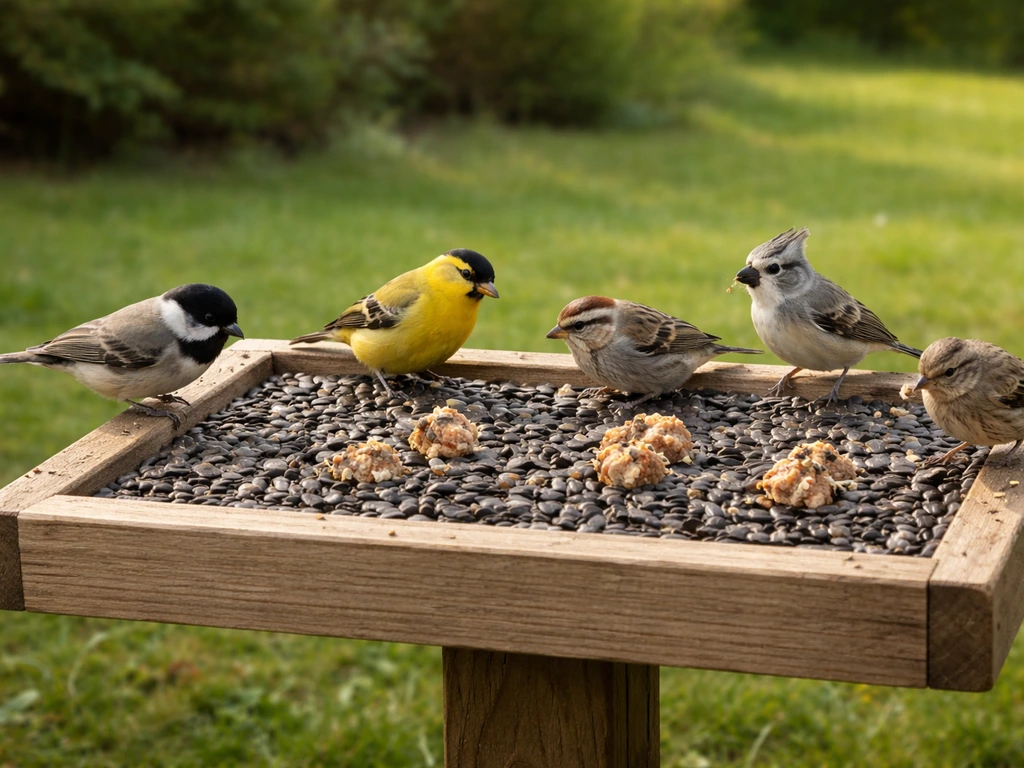
Platform feeders work best with foods that birds can land, shuffle around, and peck at from multiple angles. That rules out most foods that need a perch or a specific port, and it puts the focus on loose seeds, shelled nuts, and a few specialty items.
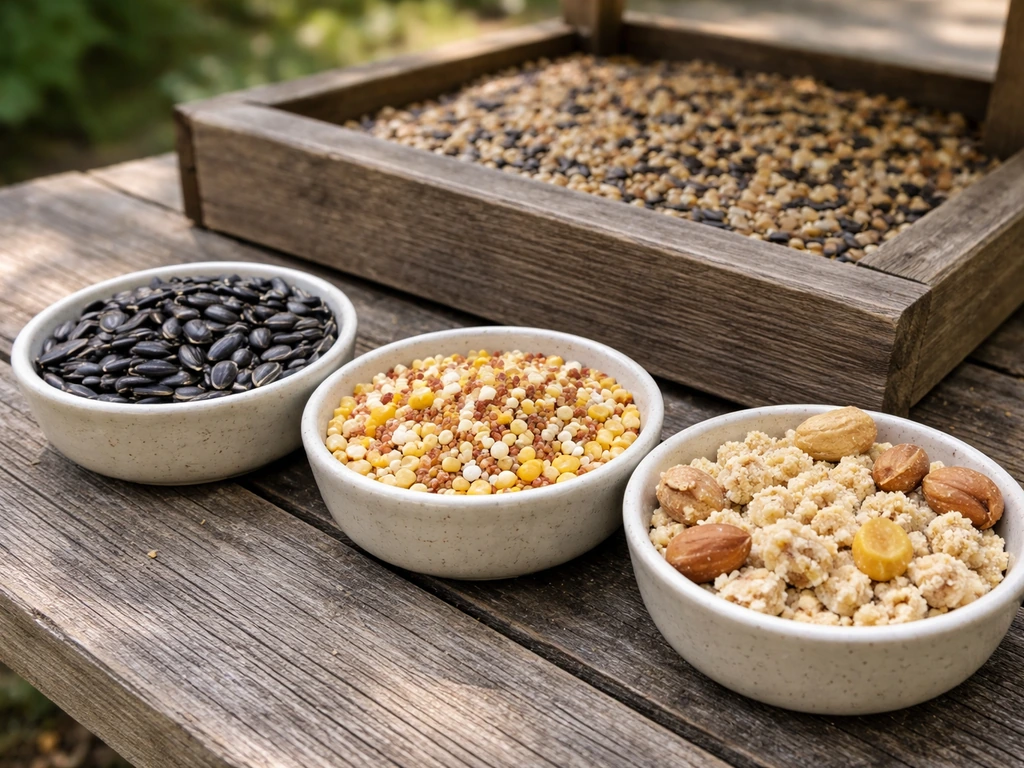
- Black-oil sunflower seed: The all-around winner. Thin shells, high fat content, and almost universally loved. Buy this first if you're buying nothing else.
- White proso millet: Small and light, which makes it ideal for sparrows, juncos, and doves. Spread it thinly so it doesn't clump.
- Cracked corn: Inexpensive and great for larger ground-feeding birds like doves, blue jays, and blackbirds. Use it as a mixer, not the main event, since it attracts squirrels aggressively.
- Shelled peanuts (unsalted, unflavored): A high-energy option that jays, chickadees, and woodpeckers go after quickly. Shelled versions are easier for smaller birds.
- Dried mealworms: Outstanding for bluebirds and robins, especially in spring and summer. Start with a small handful since they move fast and can mold if left too long.
- Safflower seed: A solid alternative to sunflower if you want to discourage squirrels and house sparrows. Cardinals love it; squirrels and starlings mostly ignore it.
- Nyjer (thistle) seed: Usually better suited to tube feeders with small ports, but a small amount on a platform can attract goldfinches if you're in their range.
- Suet cakes or crumbled suet: Works well in cooler months (fall through early spring). Avoid putting it out when temperatures are consistently above 70°F because it melts and goes rancid fast.
One practical note about platform feeders: because they're open and flat, moisture is your main enemy. A good platform feeder has drainage holes or a mesh floor. If yours doesn't, drill a few 1/4-inch holes in the base before you fill it. Even a light rain can turn a pile of seed into a moldy paste within a day if water can't escape.
How to match foods to common backyard birds
The birds you see (or want to see) should drive what you put out. Platform feeders placed lower to the ground tend to attract ground-feeding species like juncos, doves, and native sparrows, while a platform mounted higher on a post pulls in more cardinals, jays, and chickadees. Here's a practical breakdown:
| Bird | Best food for platform feeder | Placement tip |
|---|---|---|
| Mourning dove | Millet, cracked corn, sunflower | Low platform (1-3 feet off ground) |
| Dark-eyed junco | White proso millet, millet mix | Near the ground, especially in winter |
| Northern cardinal | Black-oil sunflower, safflower | Mid-height platform with some cover nearby |
| Blue jay | Shelled peanuts, cracked corn, sunflower | Any height; they're bold and will find it |
| American goldfinch | Nyjer, black-oil sunflower (hulled) | Any height; hulled sunflower is easiest for them |
| Chickadee / nuthatch | Sunflower, shelled peanuts | Higher platform, near trees they can retreat to |
| American robin / bluebird | Dried mealworms, fruit halves | Low platform; replenish mealworms daily in spring |
| House sparrow / starling | Avoid milo and cheap filler mixes | Use safflower to discourage these species |
If you're just starting out and aren't sure which birds are in your yard yet, fill the platform with black-oil sunflower and a small amount of white millet. That combination covers the majority of common North American feeder birds without wasting money on fillers nobody eats. Watch for a week, then adjust based on who shows up.
What NOT to put on a platform feeder
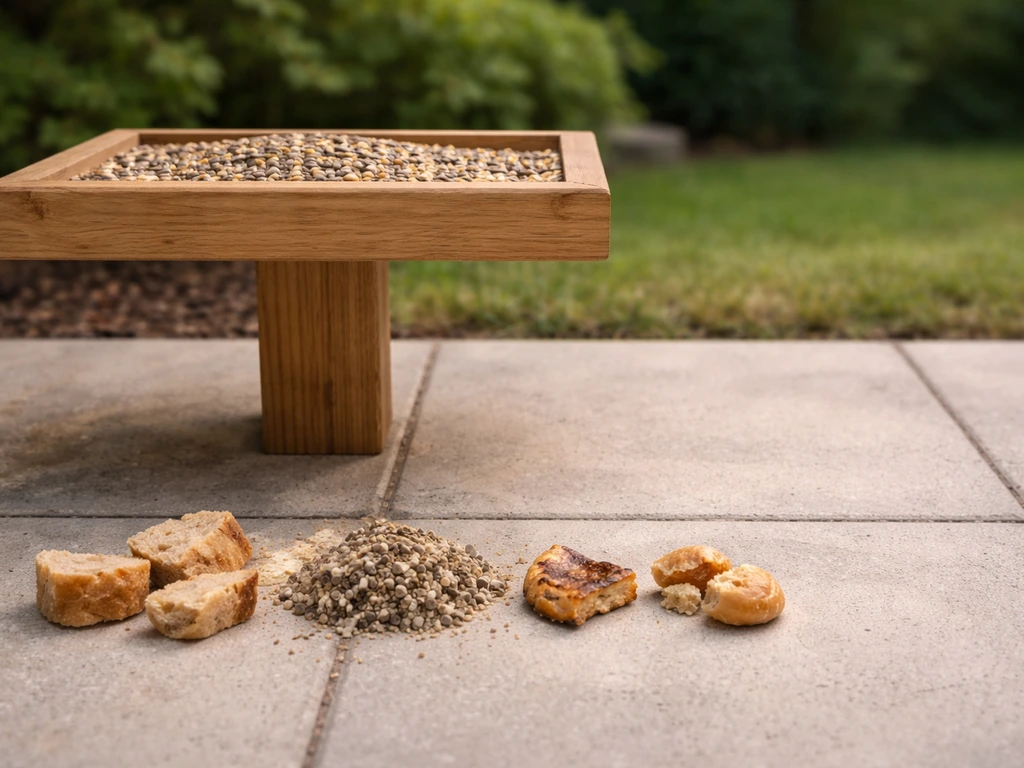
This part matters more than most guides let on, because some common mistakes actively harm birds or turn your feeder into a pest magnet.
- Bread (any kind): Nutritionally empty for birds and fills them up without giving them the fat, protein, or calories they need. Dry chunks can also be a choking hazard for smaller birds. Just skip it entirely.
- Salted or flavored nuts: Salt is harmful to birds. Only offer plain, unsalted nuts.
- Honey or sugar water on a platform: This belongs in a hummingbird feeder with a proper reservoir, not on an open tray where it gets contaminated immediately.
- Suet in hot weather: Suet melts above roughly 70°F, turns rancid, and the dripping fat can damage birds' feather waterproofing. Save suet for fall through early spring.
- Cheap mixed seed with lots of milo or red millet: These fillers get picked through and thrown onto the ground. Birds reject them, the waste piles up, and you end up with mold and rodents below the feeder. Pay a bit more for quality mixes or buy individual seed types.
- Whole peanuts in the shell for very small birds: Large peanuts in shells are fine for jays, but smaller birds can't manage them. Stick to shelled or halved peanuts on a platform with mixed visitors.
- Moldy or old seed: If it smells off or you can see any fuzz, throw it out. Moldy seed can make birds sick. Don't try to salvage it.
Picky-eater tips: luring specific birds with smart seed placement
Sometimes you set up a beautiful platform feeder and nothing shows up for two weeks. That's normal, but there are a few tricks that speed up the process and help you target the birds you actually want.
First, placement beats food almost every time. Birds need a clear escape route, so position the feeder within 10 to 12 feet of a shrub or small tree they can dart to, but far enough from dense cover that cats can't use it as ambush cover. A platform feeder sitting in the middle of an open lawn with no cover nearby will sit empty longer than one placed thoughtfully at the edge of your garden.
Second, start with a smaller quantity of seed and refresh it daily for the first week or two. Fresh seed smells more attractive than stale seed, and the activity of you visiting the feeder helps signal to nearby birds that something interesting is happening. Once regulars establish a pattern, you can scale up the amount.
- To attract cardinals specifically: Use safflower as your primary seed and position the platform mid-height (4 to 6 feet) with dense shrubs nearby.
- To attract ground-feeding sparrows and juncos: Lower the feeder or scatter a small amount of white millet directly on the ground below it.
- To attract bluebirds: Offer live or dried mealworms in a separate small dish on the platform, ideally near an open lawn area where they hunt.
- To discourage starlings and house sparrows: Replace milo, millet mixes, and cracked corn with safflower or shelled peanuts, which these species tend to ignore.
- To attract more species variety: Divide the platform into loose zones with sunflower on one side, millet on another, and mealworms or peanuts in a corner dish so different birds can feed without competition.
Feeding amounts and refill routines (so you're not wasting seed)
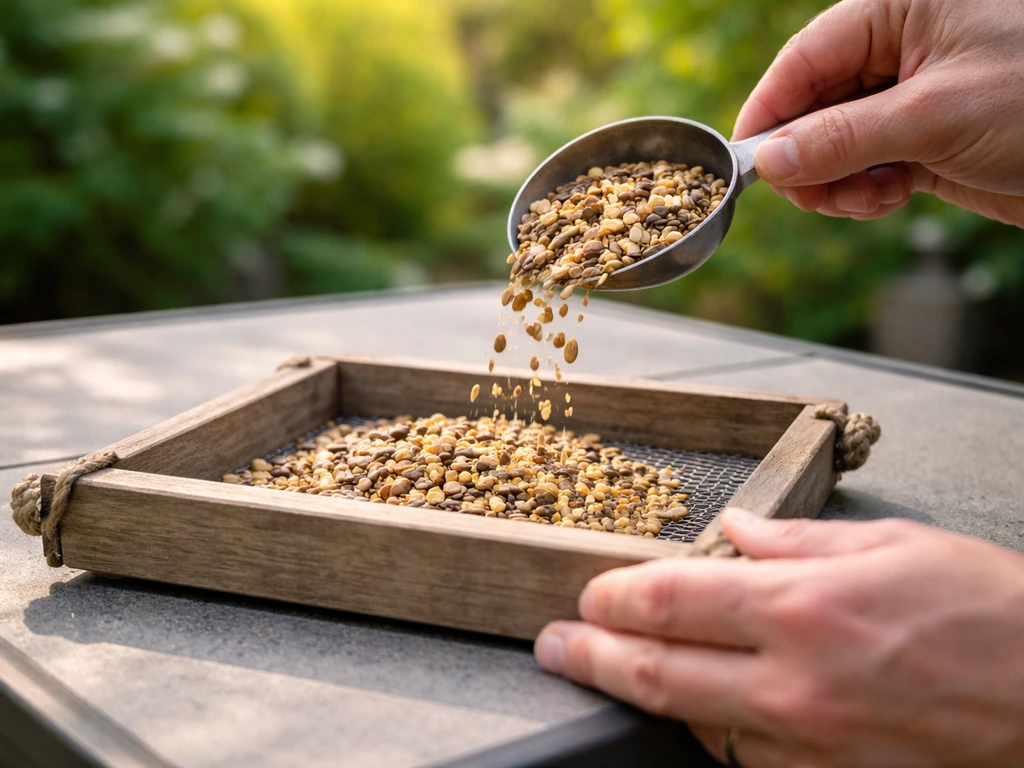
Overloading a platform feeder is one of the most common mistakes, especially with an open tray that has no roof. More seed sitting out longer means more exposure to moisture and more waste. A better approach is to put out smaller amounts and refill more often, especially early on.
For a typical 12 to 16-inch platform feeder, start with about one cup of seed total. In active feeding seasons (fall and spring migration), you may need to refill every day or every other day. In slower periods, every two to three days is fine. The goal is to keep the tray no more than half full, so birds can see and reach the food without burying it.
- Check the feeder every morning and remove any wet or clumped seed before adding fresh.
- In rainy or humid weather, cut the amount you put out in half and check twice daily.
- If seed is sitting untouched for more than two days, reduce the quantity, not the quality. Stale seed discourages birds.
- Keep a small, covered bin near the feeder with a few days' worth of seed so refilling takes less than a minute.
- Mealworms should be offered in small amounts (one to two tablespoons) and refreshed daily. They dry out and lose appeal quickly.
One trick that's worked well in my own yard: don't fill the platform to the brim. Birds actually seem to prefer a lighter load where they can scratch around and find individual seeds rather than shoveling through a pile. Less seed, replaced more often, means less waste and healthier visiting birds.
Clean-up and maintenance to prevent mold and pests
Platform feeders need more frequent cleaning than enclosed feeders because rain, droppings, and debris land directly on the feeding surface. If you ignore maintenance, mold builds up fast and sick birds stop visiting, or worse, spread illness to others.
The baseline routine is a full cleaning at least once every two weeks, and more often in summer or after any rain event that soaks the feeder. Every other day, do a quick check: scrape off any wet or spoiled seed with a stiff brush or old spatula, wipe down the surface, and let it dry before refilling.
- Empty the feeder completely. Discard all old seed, even if it looks okay.
- Scrub the platform with a stiff brush and hot soapy water to remove seed hulls, droppings, and debris.
- Soak or wipe down with a diluted bleach solution: 1 part bleach to 9 parts water (a 10% solution). This kills mold spores and bacteria.
- Rinse thoroughly with clean water. Any bleach residue left behind can harm birds.
- Allow the feeder to dry completely in the open air before refilling. This step is non-negotiable: a wet feeder seeds mold instantly.
- Sweep or rake the ground below the feeder to remove spilled seed, empty hulls, and droppings. This buildup attracts rodents and can harbor bacteria.
- Wear disposable gloves during cleaning and wash your hands afterward. Do not clean feeders in your kitchen or anywhere near food preparation surfaces.
If you ever find sick or dead birds near the feeder, take the feeder down immediately, clean it with the bleach solution, and leave it down for at least a week before putting it back. Lowe’s also gives a cleaning ratio of 9 parts water to 1 part bleach for bird-feeder cleaning. It's not an overreaction; it's how you protect the rest of the flock. This is the same guidance the CDC gives for reducing pathogen spread around bird feeders.
Mixing feeds and avoiding contamination
Mixing seed types on a platform is fine and often ideal, but there are a few practical rules that keep it from becoming a problem. The main issues are cross-contamination from mold or wet seed spreading through a blend, and the risk of using low-quality fillers that turn into waste and attract the wrong animals.
Pre-mixed commercial blends are convenient, but read the ingredient list. If milo (grain sorghum) or red millet appears near the top, most of your songbirds will throw it aside. Audubon flags these filler seeds as a major reason commercial mixes can be "cheapest but most wasteful." A bag that's mostly sunflower and millet with minor additions of safflower or peanut pieces is a better buy even at a higher price.
If someone in your household has a tree nut allergy, be thoughtful about handling peanuts or tree nuts at the feeder. While bird feeding doesn't pose a direct ingestion risk, peanut dust can transfer on hands. Use gloves when handling peanut-based foods and wash hands thoroughly. Store seeds in sealed, airtight containers away from the kitchen, labeled clearly, to avoid any mix-up with human food.
- Never mix fresh seed into a batch of old or damp seed. It will all go bad faster.
- Store seed in a cool, dry place in a sealed metal or thick plastic container. Rodents can chew through thin bags and soft plastic bins.
- If you're putting out multiple food types, use small separate dishes or zone different parts of the platform for each type. This makes it easier to remove just the spoiled portion without throwing out everything.
- Mealworms should always be kept separate from dry seed. They can introduce moisture that spoils a seed blend quickly.
- Fruit halves (apple, orange) can be offered on a platform in small amounts, but remove them after one day in warm weather. They ferment quickly and attract wasps and flies.
If you're also using a wire or mesh feeder alongside your platform setup, the filling and cleaning principles overlap quite a bit, though mesh feeders handle moisture differently since air circulates through the material. If you are wondering what do you put in a wire bird feeder, the same seed choices like black-oil sunflower and millet generally work well. The same "no fillers, fresh seed, clean regularly" rules apply across feeder types. A platform is one of the most beginner-friendly options precisely because you can see everything that's on it and react quickly when something looks off. how to make a metal bird feeder. Start simple, watch your birds, and adjust from there. If you are also thinking about adding electrical power for a heated or automated setup, plan it carefully by following this guide on how to electrify a bird feeder.
FAQ
Can I put suet or other fat-based foods in a platform bird feeder?
Yes, but do it in small amounts and only when conditions are dry. Platform feeders are open, so avoid wet or softened bread. If you add it at all, offer tiny pinches and remove it the same day, since bread quickly turns to moldy residue and attracts pests.
What about using suet in a platform tray?
Generally, avoid loose fat. While birds will eat rendered suet offered in small pieces, loose suet can smear, spoil faster, and coat the tray, increasing mold and cleaning burden. Use suet on a proper suet cage, tray designed for suet, or a wire/squirrel-resistant suet feeder instead.
I set up a platform feeder and no birds are coming yet. What should I change first?
Try switching to mostly black-oil sunflower with a little millet, and use smaller refills. Also check for access issues, make sure the feeder is within 10 to 12 feet of escape cover, and clean up any wet or spoiled seed immediately. If nothing appears after two weeks even after adjustments, reassess placement and whether the tray stays dry.
How should I adjust feeding and cleaning in summer heat or after humid weather?
Warm weather is the hardest time to keep a platform feeder safe. Increase cleaning frequency, scrape out any damp clumps every day during humid periods, and consider reducing the amount so the tray stays less than half full. If a rain hits, treat it as a reset, remove wet seed, wipe, dry, and refill with fresh dry seed.
Can I put fruit or chopped leftovers on a platform feeder?
Some birds will use it, but platforms can be inefficient for foods that must be protected from weather or require a specific access method. For example, chopped apples or other fruit bits break down fast on an open tray. If you want to add fruit, use very small pieces only on dry days and remove leftovers within hours.
My platform feeder gets splashed by rain. Is there a way to prevent mold without changing the feeder?
Avoid placing it where rain can splash into the tray or where the feeder sits in standing water runoff. Choose a location with shelter from direct downpours, use a platform with drainage holes or a mesh floor, and keep the food load light so any moisture does not sit and soak in.
How do I handle spilled seed under the platform?
Food on a platform will spill more easily, so you may need to reduce portion size and refill more often. If you see a lot of wasted seed on the ground, move the feeder slightly, use smaller daily servings, and sweep up scatter so it does not turn into an ongoing pest buffet.
What do I do if unwanted birds are taking over my platform feeder?
If you see larger birds like grackles or starlings dominating, reduce the amount so the tray is less “comfortable” for big birds, stick with black-oil sunflower and small millet, and consider raising the feeder height for your target species or using a feeder setup that limits perching access.
Are peanuts safe and how should I store and offer them on a platform?
If you use peanuts, choose shelled pieces or crushed bits designed for feeders and keep quantities small so they do not go rancid. Store peanuts in airtight containers and keep them cool. Use gloves and wash hands after handling, especially if anyone has a tree nut allergy.
Can I save time by adding fresh seed on top of old seed?
Yes, but keep it minimal. In hot weather, discolored seed, clumps, or anything with a sour smell should be removed right away. Use a quick scrape and wipe routine between refills, and fully clean on schedule so mold does not build up and spread to fresh seed.
What’s the right way to refresh a platform feeder, scrape and replace or just top off?
Don’t add new seed if the tray is wet, crusted with droppings, or visibly moldy. Scrape and discard spoiled material, wipe the tray, let it dry fully, then refill with fresh dry seed. Topping off can spread contamination across the whole blend.
What should I start with if I want to identify which birds live around me?
If you want an “early look” at who will visit, start with black-oil sunflower plus a small amount of white millet. Avoid heavy mixes with low-quality fillers at first, then fine-tune after a week by adding only the foods that match the species you observe.
Next Articles
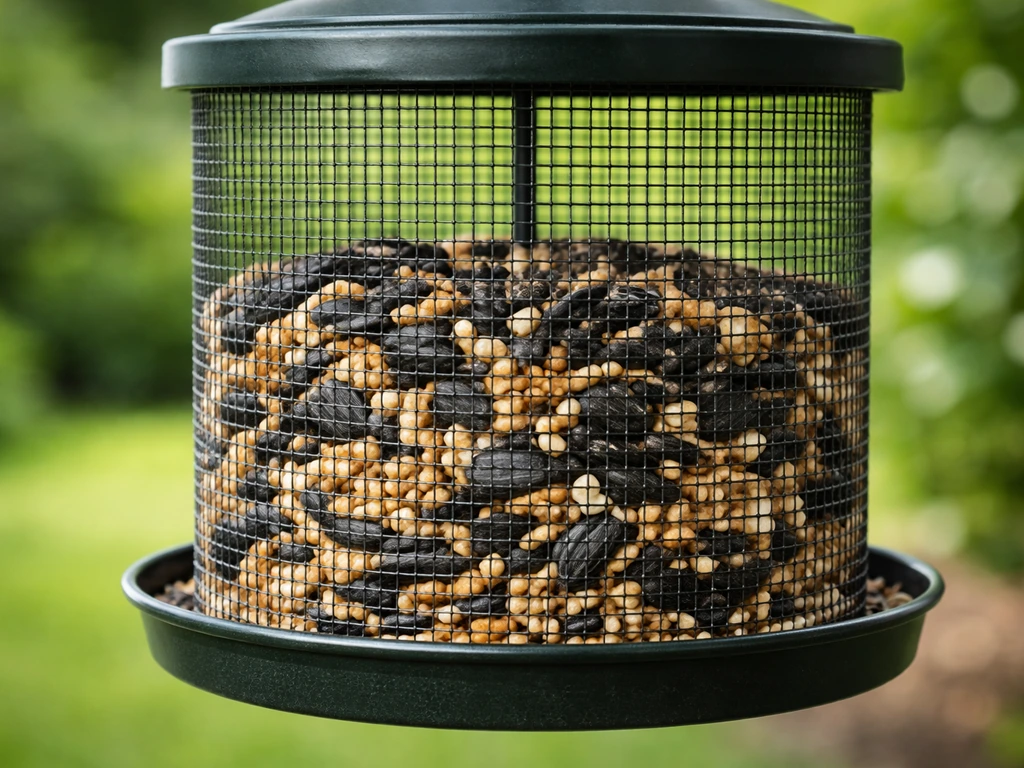
What to Put in a Mesh Bird Feeder: Safe Fill Options
Safe, practical fills for mesh bird feeders: best seed mixes and seeds, what to avoid, plus quick setup and maintenance
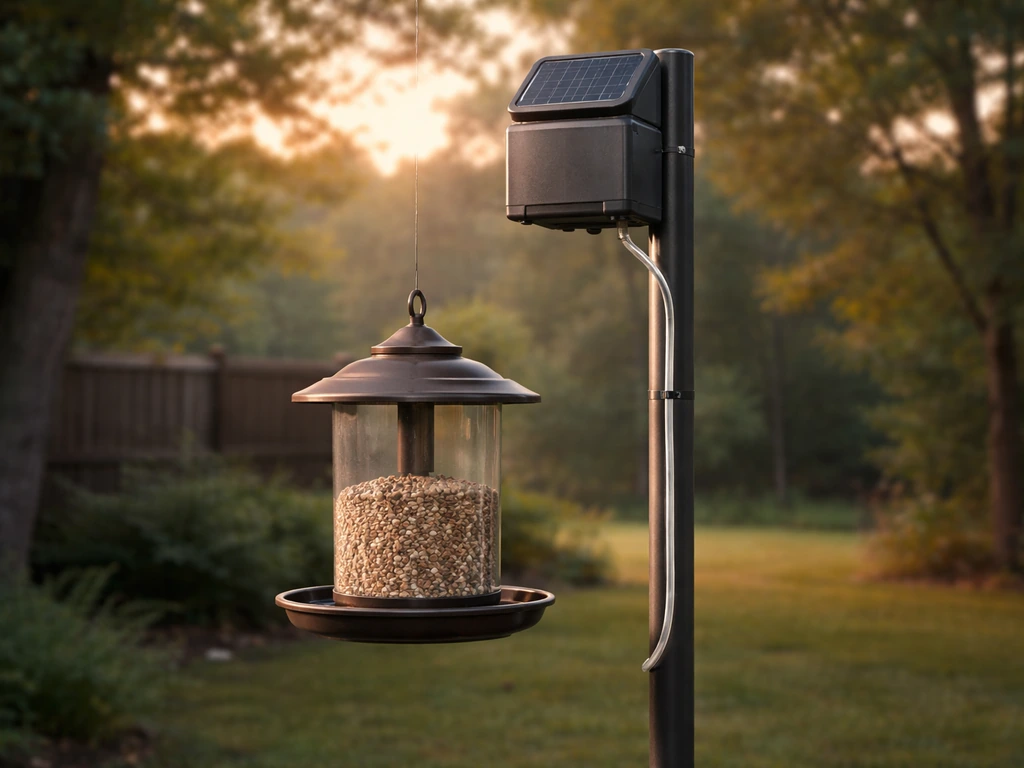
How to Electrify a Bird Feeder Safely: Steps and Safety
Step-by-step, bird-safe guide to electrify a feeder using solar or low-voltage deterrents, with wiring, mounting, and ma
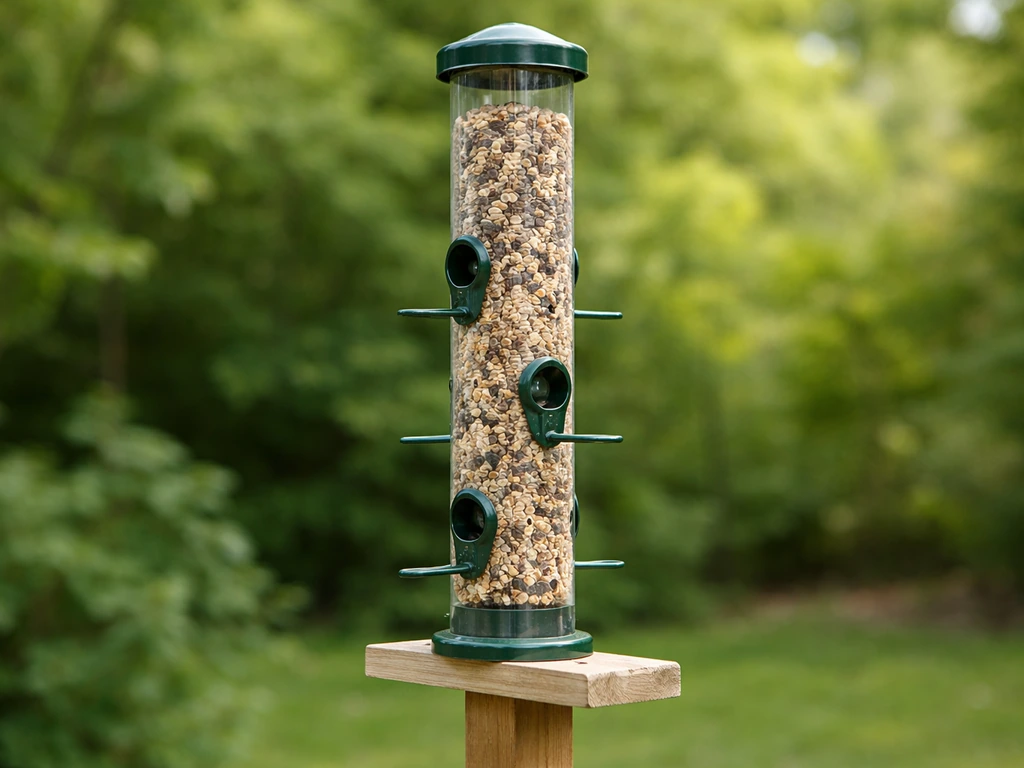
How to Make a Tube Bird Feeder Step by Step
Step-by-step how to make a tube bird feeder with materials, safe mounting, maintenance, and fixes for leaks and clogs.