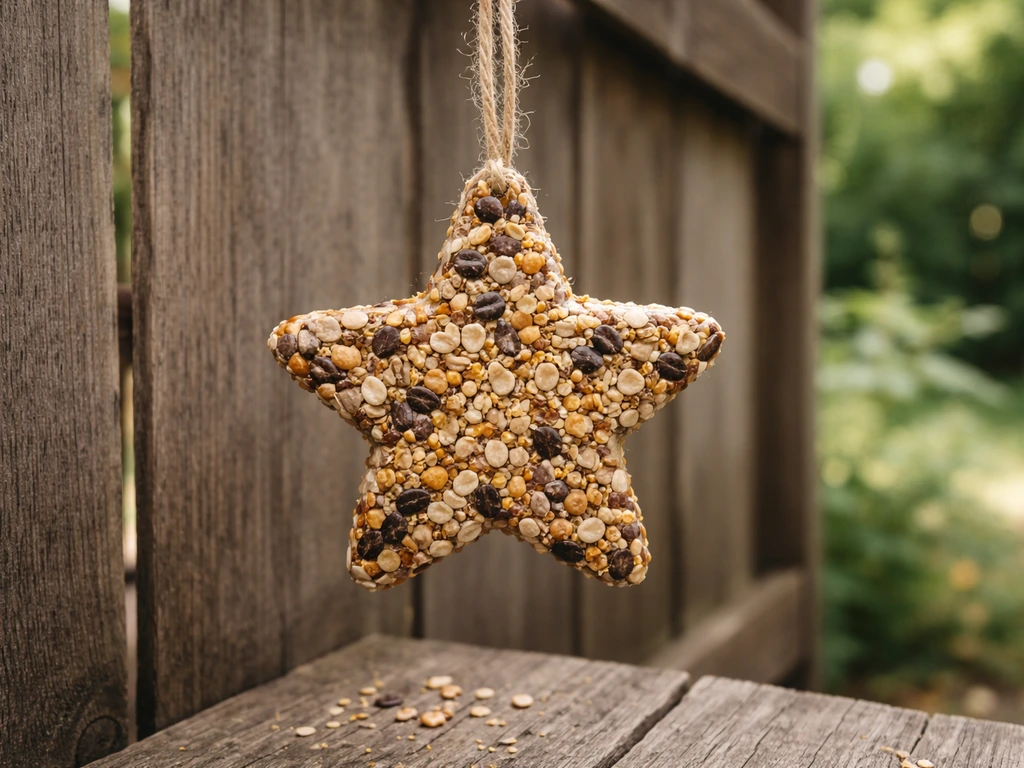
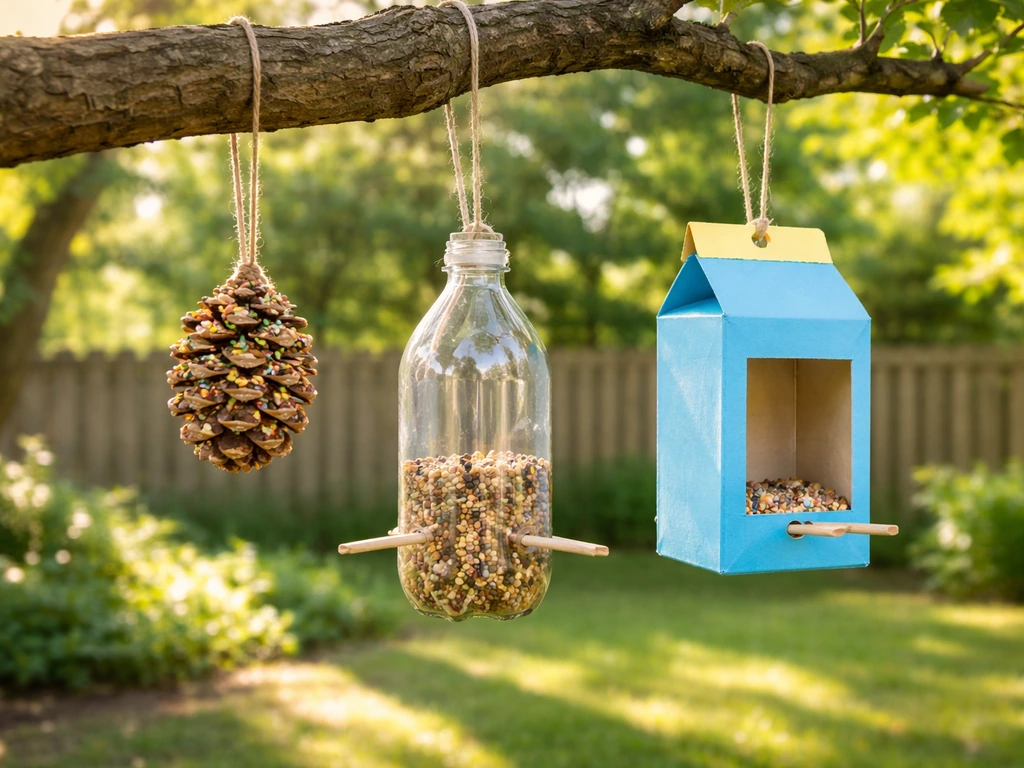
The three easiest bird feeders preschoolers can actually make are a pinecone roller, a milk jug or plastic bottle feeder, and a paper milk carton feeder. Each one takes under 30 minutes, uses materials you probably already have, and is genuinely doable for a 3 to 5 year old with an adult handling the sharp or messy parts. The pinecone version is the fastest and requires zero cutting. The bottle and carton versions need a little more adult prep but give kids a more "built" feeder they can be proud of. All three work. Pick whichever matches what you have on hand right now. If you are looking for a fun twist, cookie cutter bird feeders are another easy way to shape the seed and make the craft feel more like a game. If you want more ideas beyond the three options here, explore other bird feeders you can make at home with household materials. Create and learn bird feeder projects like these together so kids can practice patience and see what birds choose to visit.
Bird Feeders Preschoolers Can Make: Step-by-Step Guide
Pick the right feeder for your preschooler's age and skill level
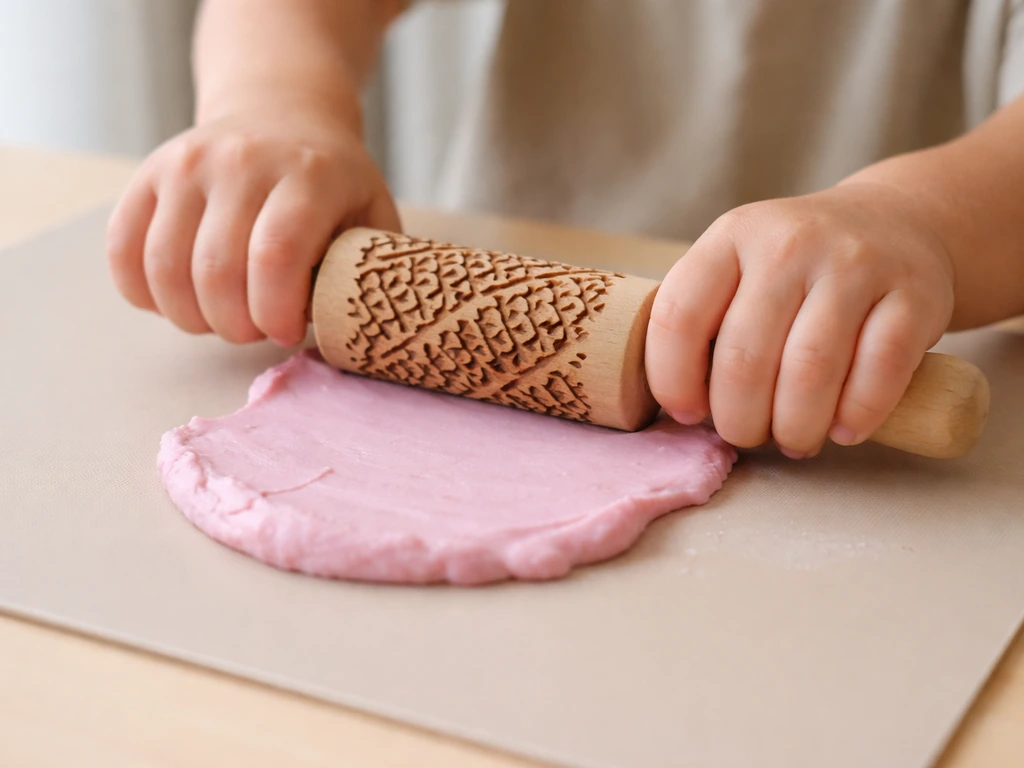
Not all of these projects are equal when it comes to fine motor skills. Here's how to match the feeder to the kid you're working with.
| Feeder Type | Best Age | Skills Required | Adult Prep Needed |
|---|---|---|---|
| Pinecone roller | 3 and up | Spreading, rolling, sprinkling | Tie the string, prep the peanut butter/alternative |
| Plastic bottle feeder | 4 and up | Pouring seed, placing sticks | Cut the holes and openings with a knife or scissors |
| Milk jug feeder | 4 and up | Pouring seed, decorating | Cut the entry hole and make the hanging hole |
| Paper milk carton feeder | 4 and up | Decorating, pouring seed | Cut the entry holes and punch the top for hanging |
If your child is 3 or just turned 4, start with the pinecone. It involves spreading and rolling, which are skills that age genuinely has. The bottle and carton feeders are better for kids who can pour carefully and follow a sequence of a few steps. Either way, the adult is doing the cutting and the setup. The child is doing the fun parts.
Materials and safety before you start
Gather everything before the child sits down. Preschoolers lose interest fast if you're hunting for supplies mid-project. Here's what you'll need across all three builds, plus a few safety notes.
What to collect
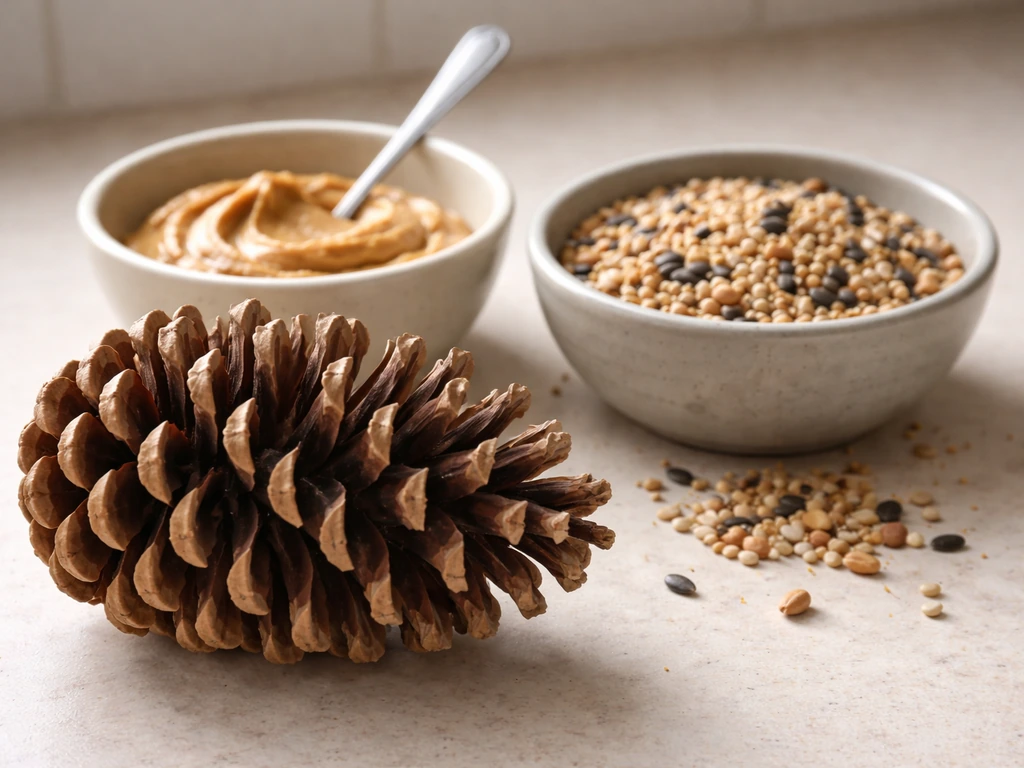
- Large, open pinecones (the wider and more open, the better for seed-holding)
- Peanut butter, sun butter, soy butter, or vegetable shortening (any of these works as the seed binder; if you're in a nut-free setting, use sun butter or shortening)
- Wild birdseed mix or black oil sunflower seeds
- Yarn, twine, or ribbon for hanging (about 12 to 18 inches per feeder)
- A clean plastic bottle (16 oz or larger) or a clean milk jug for the bottle/jug build
- A clean paper milk or juice carton for the carton build
- A butter knife or craft stick for spreading
- A low tray or plate for rolling the pinecone in seed
- A box cutter or sharp scissors for adult use only
- A hole punch or skewer for making the hanging hole in cartons
- Newspaper or a plastic tablecloth to protect the work surface
Keeping it safe and manageable
Adults handle all cutting before the child sits down. Seriously, do this step in advance and put the sharp tools away before the project starts. Peanut butter and birdseed are the messiest parts, so lay down newspaper or a tablecloth first. If any child at your table has nut allergies, swap peanut butter entirely for sun butter, soy butter, or plain vegetable shortening. All three hold seeds just as well. After the project is done, everyone washes hands thoroughly before touching anything else. The CDC is clear that hands should be washed after contact with bird food, feeders, or anything that's been outside near birds. That's a great habit to teach while you're at it.
Step-by-step builds for three feeder options
Option 1: The pinecone feeder (fastest, best for ages 3 and up)
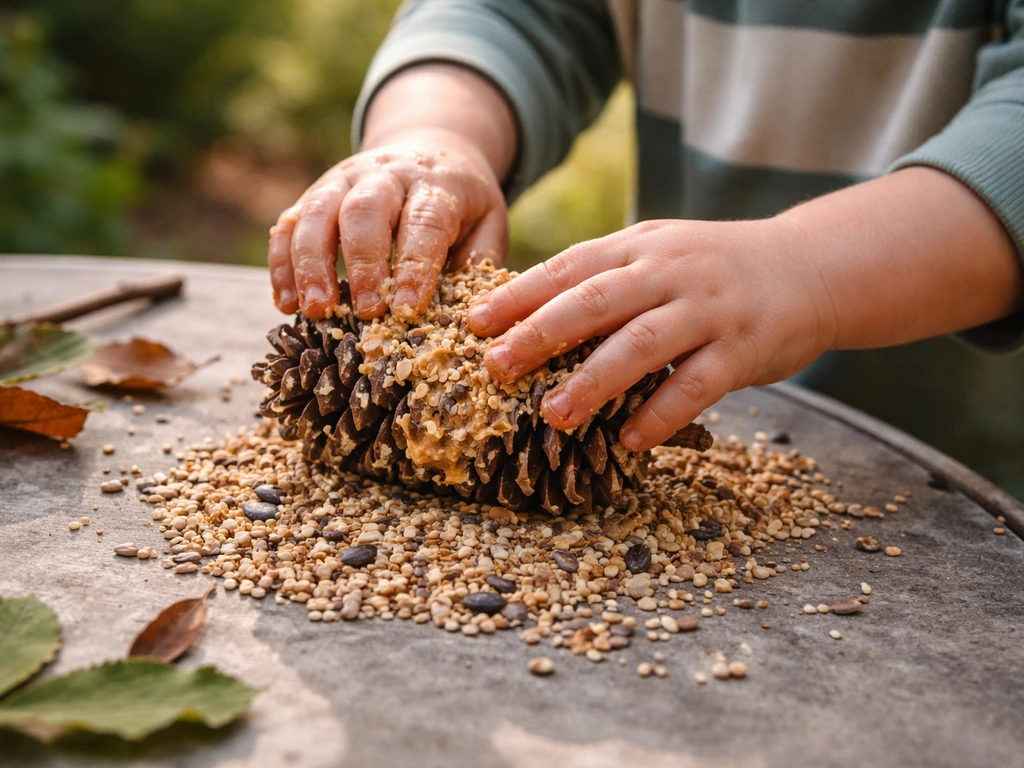
This is the classic and it works. Birds genuinely use these, and kids love the rolling step. Audubon describes a pinecone bird feeder as an easy DIY using a large pinecone, peanut butter, birdseed, and yarn or string, with step-by-step directions for families. If you want to skip the peanut butter alternatives and go straight to something nut-free, vegetable shortening from your pantry is a perfectly fine substitution.
- Adult: Tie a 12 to 18 inch length of yarn or twine around the top of the pinecone, near the stem end. Loop it several times and knot it securely so it holds the weight of the pinecone without slipping.
- Adult: Spoon peanut butter (or your chosen alternative) into a small bowl. Spread a layer of birdseed on a flat plate or tray.
- Child: Use a butter knife or craft stick to spread peanut butter all over the pinecone, pressing it down into the crevices between the scales. The crevices are what hold the seeds.
- Child: Roll the coated pinecone over the tray of birdseed, pressing gently so seeds stick into all the peanut butter-covered gaps. Sprinkle extra seeds on any bare spots.
- Adult: Hang the finished feeder outside from a tree branch or hook. It's ready to go immediately.
Total time: about 10 to 15 minutes. This is genuinely the easiest option and produces a feeder that birds find attractive quickly, especially chickadees, nuthatches, and small finches.
Option 2: The plastic bottle or milk jug feeder
This one feels more like a "real" feeder and it lasts longer than the pinecone version. A 16 oz or larger plastic bottle works well. A clean gallon milk jug works even better because it has more space for seed.
- Adult (before the child sits down): Using a box cutter or sharp scissors, cut one or two openings in the lower half of the bottle or jug. Make each opening roughly 1.5 to 2 inches wide. These are the seed ports where birds will reach in. If using a bottle, poke a small hole below each port and slide a wooden dowel or stick through both sides to create a perch. Punch or drill a small hole in the cap end for hanging.
- Adult: Thread a length of sturdy twine or wire through the cap hole and tie a loop for hanging. Replace the cap tightly.
- Child: Use a small funnel or a folded piece of paper as a funnel to pour birdseed into the opening at the top of the bottle or through one of the ports. Fill it about halfway.
- Child: Optional: use washable paint or stickers to decorate the outside of the bottle. Let it dry before hanging.
- Adult: Hang the feeder from a branch, hook, or shepherd's crook pole outside.
Total time: about 20 to 25 minutes including drying time if decorating. The milk jug version holds more seed and is easier for kids to fill because the opening is wider. It's also free if you're saving recycled containers.
Option 3: The paper milk carton feeder
This design works great as a "house-style" feeder where the seed sits on a little ledge inside and birds can perch to eat. A half-gallon carton is ideal. Rinse it out thoroughly first and let it dry.
- Adult (before the child sits down): Cut a large rectangular opening on one or two sides of the carton, starting about 2 inches from the bottom. Leave the bottom 2 inches intact so seed stays in the carton. Use a hole punch or skewer to punch a hole through the top ridge on both sides, then thread twine through and tie a hanging loop.
- Child: Decorate the outside of the carton with washable paint, markers, or stickers. Avoid covering the openings.
- Child: Once dry, pour birdseed into the carton through the top. It should pool in the bottom and sit just below the openings so birds can see and reach it.
- Adult: Hang it outside or place it on a flat surface like a fence post or railing.
Total time: about 20 to 30 minutes. Paper cartons don't last as long in rain as plastic, but they're completely free and kids love the house-like shape. If you want it to last longer, let the child paint it with a layer of washable school glue on the outside as a water-resistant coating.
Hanging and placing the feeder so birds actually find it
Where you hang it matters more than most people expect. The two main goals are keeping birds safe from window strikes and making the feeder easy for birds to spot.
If you're hanging near a window (which gives kids a great view), place the feeder either very close to the glass (3 feet or less) or much farther away (more than 10 feet). Counterintuitively, very close to the window is actually safer than mid-distance. When a feeder is within 3 feet of glass, birds can't build up dangerous speed if they fly toward the window. This guidance comes from the Cornell Lab and the U.S. Fish and Wildlife Service, and it's the placement that makes the most sense for a kid-level feeder setup where someone wants to watch the action indoors.
If you're hanging from a tree or pole in the yard rather than near a window, place the feeder in a spot with some nearby shrub or tree cover so birds feel safe approaching. Open, exposed spots with no perching spots nearby are less attractive to birds. If squirrels are a concern, the feeder needs to be at least 8 to 10 feet from any tree trunk, building, or fence a squirrel can jump from. Squirrels can leap about 6 feet straight up and around 10 feet horizontally, so distance matters.
For a pinecone feeder or a simple milk jug, hanging from a tree branch with twine works perfectly. For a heavier bottle or carton feeder, a shepherd's crook pole or a hook screwed into a fence post is more stable. Stability matters because feeders that swing wildly in the wind can spook birds.
Keeping the feeder clean and the birds healthy
This part matters more than most people realize. Dirty feeders spread disease among birds, and that's the opposite of what you want. The good news is that with homemade feeders, cleanup is simple. If you are wondering why make a bird feeder, it is a simple way to help birds and turn backyard time into a hands-on learning project.
As a basic rule, clean feeders at least once a month during slow periods, and up to once a week during busy seasons when lots of birds are visiting. If you notice seed clumping or getting moldy, clean it immediately regardless of schedule. For plastic bottle or milk jug feeders, wash them with hot soapy water, rinse well, then soak briefly in a dilute bleach solution: 1 part bleach to 9 parts water. Rinse thoroughly to remove all bleach residue before refilling. For pinecone feeders, these are essentially single-use or short-rotation. Once the seed and peanut butter are gone, roll a new one. They're cheap enough to replace often.
Always wash hands after handling feeders, seed, or anything that's been near birds. If you have children involved in the cleaning, disposable gloves are a smart extra step. This is a good hygiene habit to reinforce alongside the craft.
Refill the feeder when it runs low, not after it has been empty for days. If the seed runs out completely, birds will stop checking it and won't come back as reliably. Keeping it at least half full gives birds a consistent reason to visit.
If birds aren't showing up yet
This is the most common frustration: you hang the feeder, your preschooler is excited, and nothing happens for two or three days. That's actually normal. Birds don't discover new feeders instantly. Give it at least a week before you worry. But if it's been a week and still nothing, here's what to check.
- Advertise with ground seed: Sprinkle a small amount of seed on the ground directly below the feeder. Birds foraging on the ground are more likely to look up and notice the feeder above them. The Cornell Lab recommends this exact trick for new feeders.
- Check the seed type: A generic mixed seed bag often has filler seeds many birds won't eat. Black oil sunflower seeds attract the widest variety of backyard birds and are worth switching to if visits aren't happening.
- Check the stability: A feeder swinging dramatically in the wind is harder for birds to use and feels less safe to them. Add a second tie point or move it somewhere with less wind exposure.
- Check the location: If the feeder is in a very open, exposed spot with no shrubs or trees nearby for birds to perch and scout from, they may be avoiding it. Moving it 5 to 10 feet closer to a tree or hedge often helps.
- Reduce disturbance: If kids are running past the feeder repeatedly or there's a lot of foot traffic nearby, birds may not feel safe approaching. Try moving it to a quieter corner of the yard, at least initially.
- Check for squirrel or predator activity: If a squirrel is raiding the feeder repeatedly, birds will avoid it. Relocate or add a baffle if needed.
Once the first bird finds your feeder, others follow surprisingly quickly. The first week is the waiting game. After that, you'll usually have regular visitors, which makes the whole project feel worthwhile for you and especially for the preschooler who made it.
If you want to keep building on this project, you can explore feeder designs that don't use peanut butter at all, or try the cookie cutter feeder style for a fun seasonal variation. Making this a repeated activity, where the child helps refill and observe the feeder over weeks, is where the real learning and enjoyment kicks in.
FAQ
What kind of birdseed should I use so preschoolers can still make an effective feeder?
Use a seed mix meant for backyard birds (often small seeds for finches and chickadees). Avoid mixes with lots of cracked corn or large pieces if your feeder openings are small, since those can fall out or create a mess. If you are using a pinecone roller or carton “ledges,” smaller, finer seed tends to pack and hold better.
Can preschoolers handle the feeder outdoors, or should only adults do that?
Kids can participate, but avoid letting them touch the feeder while birds are actively feeding (pecking can startle birds). For preschoolers, have adults handle hanging, moving, and refilling at first, then let the child help only with safe tasks like dumping pre-measured seed into a bowl indoors and washing hands right after.
How do I prevent the seed from spilling everywhere, especially with the bottle or carton feeders?
Make sure the seed “glues” into place with a tidy adhesive layer (like peanut butter or the specified substitute) and, for plastic and cartons, check that any holes or openings are covered well enough that birds do not push seed out easily. When refilling, use a funnel or small scoop to keep from overfilling near the opening.
My pinecone feeder looks dry, and the seed is falling off. What should I change?
Use a pinecone that is still slightly tacky and roll it with an even, thick coat rather than thin streaks. If your peanut butter substitute is too stiff, warm it slightly until spreadable. Also, weather matters, if it is very hot or humid, consider making smaller batches and replacing the feeder more often.
Is washable school glue really safe for making a water-resistant carton feeder?
Washable school glue can work as a coating, but apply it as a thin layer only on the outside to avoid sealing any parts where birds perch and eat. Let it dry fully before hanging, so glue fumes do not linger and residue does not contaminate the seed area.
How often should I replace a homemade feeder instead of just cleaning it?
If the feeder is moldy, has an old wet coating, or the seed repeatedly turns clumpy, replace it. For pinecones, rotating is expected since the base is naturally single-use after the coating and seed are depleted. For bottle and carton feeders, replace them if they crack, warp, or develop stains you cannot fully clean.
What if squirrels or other animals keep stealing the seed?
Increase distance from launch points, keep feeders away from tree trunks, fences, and railings, and choose a hanging height that is hard for animals to reach without a good perch. If you have a bird feeder that swings, stabilize it more (a sturdier hook or pole) so squirrels do not use the movement to grab seed.
What should I do if birds stop visiting after a while?
First, check whether the feeder is still clean and still holds seed without clogging or mold. Then refill before it is completely empty, since a long gap can break the “routine.” Finally, consider placement, windier or more exposed areas can reduce visits, and moving slightly closer to perching cover can help birds feel safe.
Are there times when I should not put out homemade feeders?
During heavy rain or snow, paper cartons can get soggy, and mold risk increases if seeds stay wet. If your area has been having strong disease outbreaks among local birds, prioritize frequent cleaning and consider pausing if you cannot maintain a regular cleanup schedule.
How do I handle nut allergies if my household uses peanut butter for birds?
If anyone in your group has a nut allergy, do not use peanut butter at all. Substitute with sun butter, soy butter, or vegetable shortening as the base binder, and keep the same hygiene routine, washing hands thoroughly after any feeder contact.
What is the best way to teach hygiene to preschoolers after the project?
Make it a “finish ritual” every time. Use one clear rule, no hands go near your face until after washing, and keep cleaning supplies ready before you start. If possible, have adults handle the messy steps and let the child only participate in the parts that do not involve handling seed or feeder surfaces.
How to Make Cookie Cutter Bird Feeders Today
Step-by-step guide to make cookie cutter bird feeders with safe edible molds, hanging setup, placement tips, and fixes f