Making a bird feeder is worth it because it works fast, costs almost nothing, and gives you a front-row seat to real wildlife in your own backyard. You can build a functional feeder from a plastic bottle or a milk jug in under 30 minutes, hang it up, add some black-oil sunflower seeds, and have your first visitor within a day or two. If you want to go a step further, you can also learn a simple DIY approach to create and learn bird feeder setups that match your yard. Beyond the personal enjoyment, you're also filling a genuine gap: blank" rel="noopener noreferrer">lawns, driveways, and pavement don't offer birds nearly enough food or shelter, and supplemental feeders help birds along migratory routes where natural habitat has already been lost.
Why Make a Bird Feeder: Benefits and How to Build One
Reasons to make a bird feeder (benefits you'll notice right away)
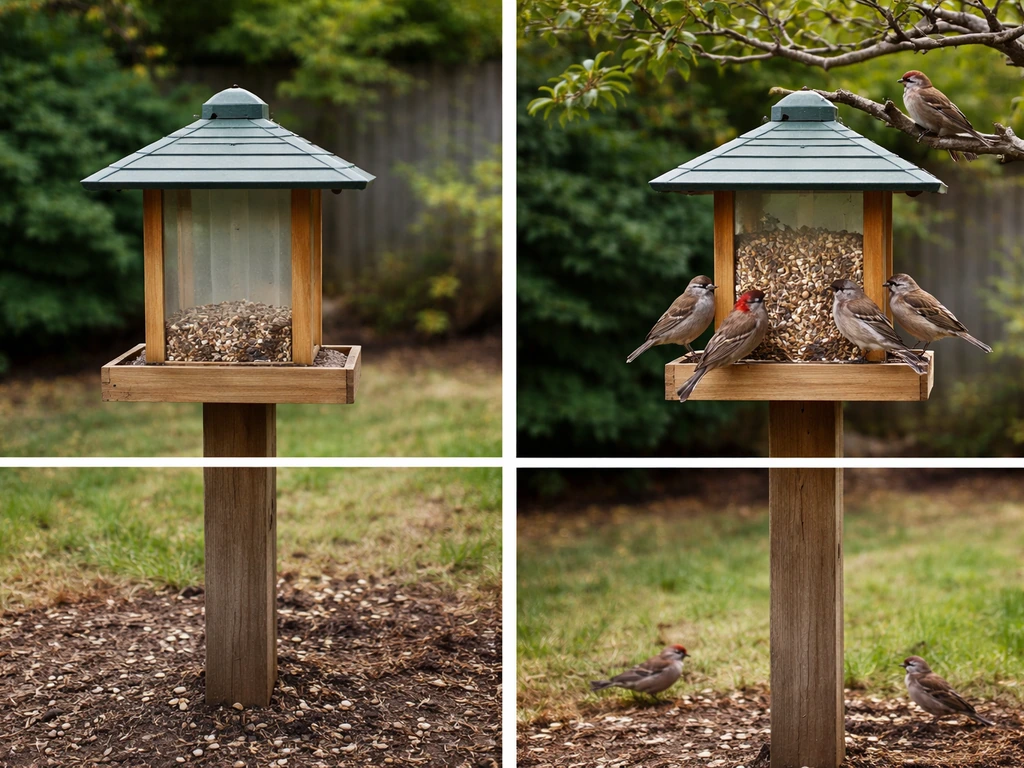
The most immediate payoff is simply watching more birds. Once a feeder is up and stocked, bird activity in your yard can increase noticeably within 48 to 72 hours. That's not nothing. There's real research-backed mental health value in observing wildlife daily, and a feeder turns your window into a live nature channel you don't have to pay for.
Beyond personal enjoyment, here's what making your own feeder actually does for you and the birds:
- It's cheaper than buying one. A store-bought tube feeder runs $20 to $50. A recycled bottle feeder costs you nothing but 20 minutes of time.
- You control the materials, so you can avoid cheap plastics that crack in winter or flimsy hooks that drop the feeder in a storm.
- Homemade feeders are easier to modify. You can add a baffle, adjust port sizes, or rebuild a broken piece without replacing the whole thing.
- It gives kids a hands-on project with a real payoff they can see. There are feeder builds designed specifically for preschoolers and elementary-age kids that use safe, simple materials.
- You're genuinely helping birds. Urban and suburban yards often can't support much wildlife on their own. A well-placed feeder provides supplemental food during breeding season, migration, and winter when natural sources run low.
The U.S. Fish & Wildlife Service specifically points out that feeding stations can provide critical food along migratory routes where habitat has disappeared. That's a real conservation benefit you can contribute to from your own yard, without any special expertise.
What birds you can expect to attract (and what they need)
The birds that show up depend heavily on where you live and what you put in the feeder. That said, certain species are reliable visitors almost everywhere in North America. Knowing who you're likely to see helps you build and stock your feeder in a way that actually works.
| Bird | Preferred Food | Feeder Type That Works |
|---|---|---|
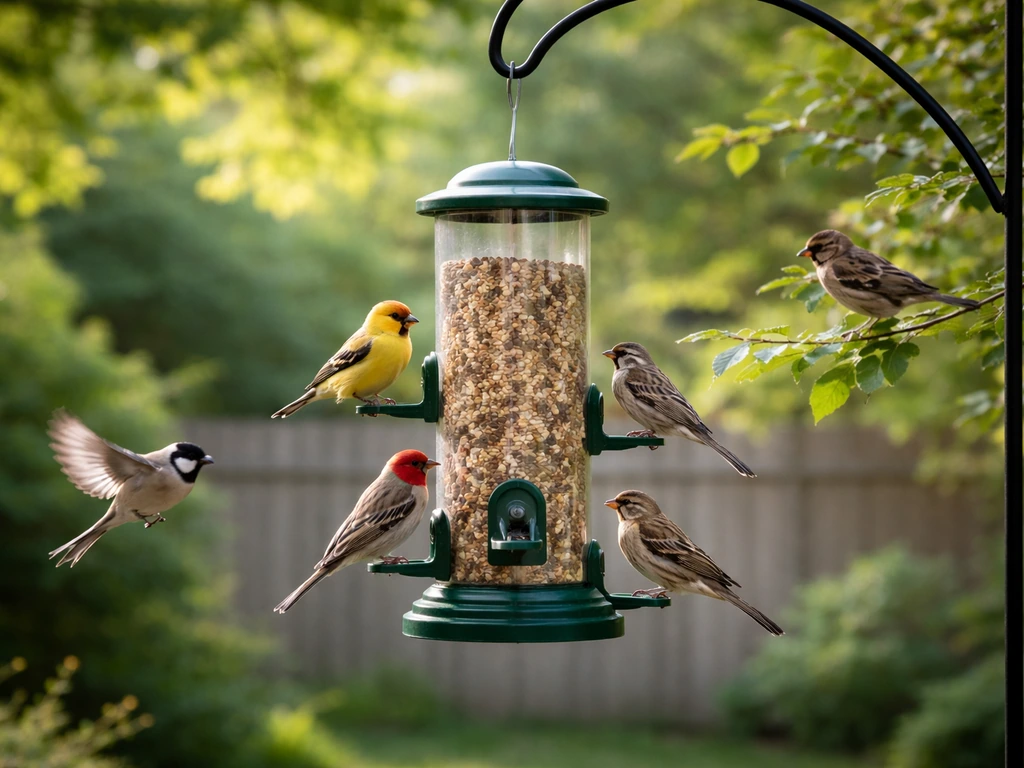
| Black-capped or Carolina Chickadee | Black-oil sunflower seeds, suet | Tube feeder, platform feeder |
| American Goldfinch | Nyjer (thistle) seed | Finch sock or tube with small ports |
| Northern Cardinal | Black-oil sunflower seeds, safflower | Hopper or platform feeder with perch |
| House Finch | Sunflower seeds, nyjer | Tube feeder |
| Dark-eyed Junco | Millet, cracked corn | Ground or low platform feeder |
| Downy Woodpecker | Suet, sunflower seeds | Suet cage, tube feeder |
| White-breasted Nuthatch | Sunflower seeds, suet | Tube or platform feeder |
| House Sparrow | Millet, mixed seed | Platform or hopper feeder |
If you're just starting out, black-oil sunflower seeds are your best single investment. They attract the widest variety of birds and work in almost any feeder design. Avoid generic 'wild bird mix' bags that are heavy on red millet and milo, which most songbirds ignore and which mostly ends up on the ground feeding sparrows and rodents.
Best beginner feeder builds using common materials
You don't need woodworking skills or special tools to build a feeder that birds will actually use. p11s1 build. The builds below range from a literal five-minute project to a weekend woodworking build. Start wherever you're comfortable.
Plastic bottle feeder (easiest, free)
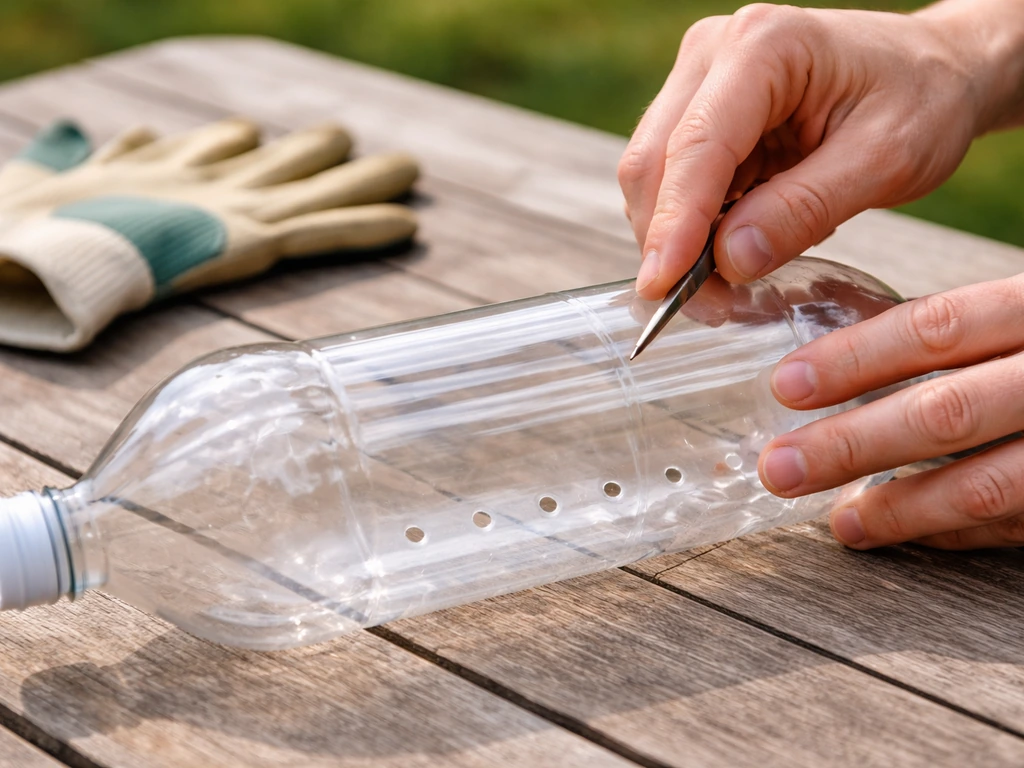
Take a clean 2-liter or 1-liter plastic bottle. Use a heated skewer or small drill bit to make two or three small holes near the bottom, about the diameter of a pencil. Cut small perch holes below each feeding port and push a wooden dowel or chopstick through. Fill the bottle with sunflower seeds, replace the cap, and hang it by threading wire or rope through a hole near the base of the cap. Birds land on the dowels and peck seed out through the ports. It takes about 15 minutes and costs nothing if you have the bottle on hand.
Milk jug feeder (great for platform feeding)
A cleaned plastic milk jug works well as a hopper-style feeder. Cut out a large rectangular opening on two or three sides of the jug, leaving a 2-inch 'lip' at the bottom to hold seed. Punch drainage holes in the very bottom so rain doesn't pool. Hang by the handle. This style is especially good for cardinals and juncos because it offers a wide, accessible platform. The jug is translucent, so you can see seed levels without opening it.
Pinecone feeder (great for kids)
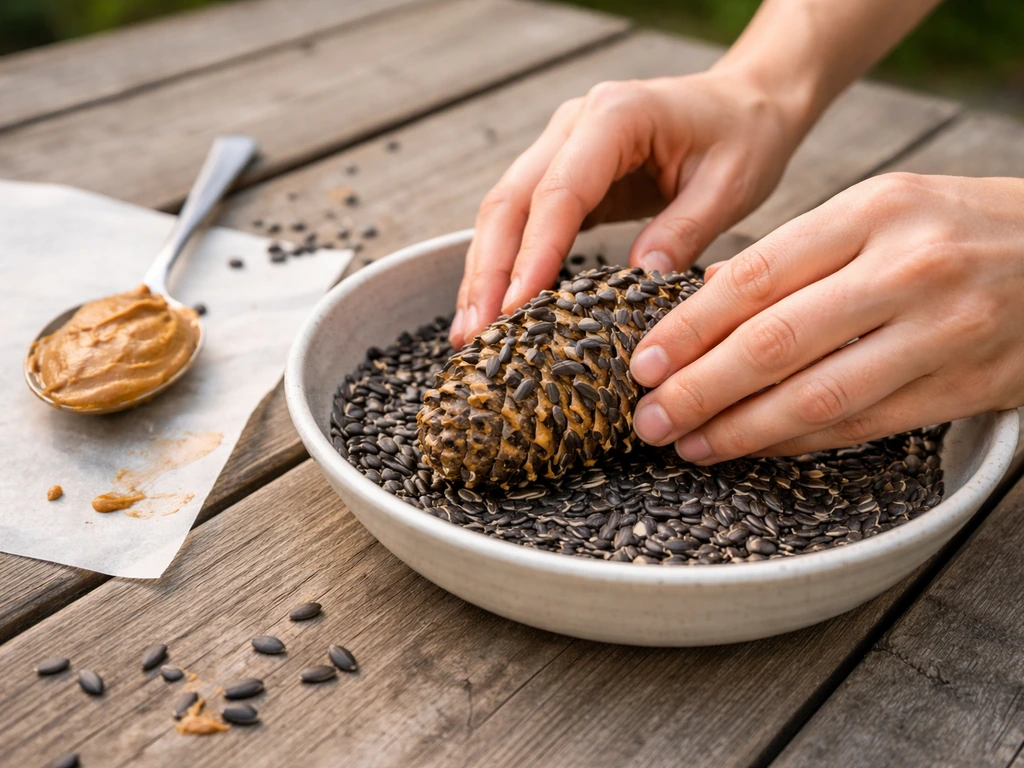
Roll a large pinecone in peanut butter (or sunflower butter if you want to avoid peanut butter entirely) and then coat it in black-oil sunflower seeds or nyjer seeds. You can even turn the same kind of bird feeder into a kid-friendly craft, using simple steps preschoolers can handle safely with supervision pinecone feeder. Tie a length of twine around the top and hang it from a branch. This is genuinely effective, not just cute. Chickadees, nuthatches, and woodpeckers love it. It works best in cooler weather since peanut butter goes rancid faster in summer heat. If you're looking for ways to build feeders without peanut butter, suet mixed with seeds works as an alternative binder.
Simple wood platform feeder (best long-term option)
A flat piece of untreated cedar or pine (about 12 by 15 inches) with a small lip routed or nailed around the edge makes a solid platform feeder. Drill a few 1/4-inch drainage holes in the center. Mount it on a post or hang it with four lengths of wire from the corners. Cedar resists rot without needing stain or treatment, which matters because you don't want chemical residue near bird food. A basic platform like this takes about an hour with a saw and drill and can last five-plus years.
How to hang and place your feeder for safety and success
Placement is where a lot of first-time feeders fail. You can have a well-built, well-stocked feeder that birds simply won't use because it's in the wrong spot or positioned unsafely. Here's what actually works based on trial and error.
- Keep feeders within 3 feet of a window or more than 30 feet away. The 3-to-30 foot zone is the danger zone for window collisions. Close to the glass, birds don't build up enough speed to injure themselves. Far away, they have time to see and avoid the reflection.
- Hang feeders near cover, not in open space. A spot within 5 to 10 feet of shrubs or a small tree gives birds a place to watch for predators and a quick escape route. They're much more likely to use a feeder that feels safe.
- Mount at chest height or higher. Ground-level feeders attract cats and are harder to clean. A feeder at 5 to 6 feet off the ground is accessible to you for maintenance but not to casual predators.
- Use a shepherd's hook or post with a baffle rather than hanging directly from a tree branch. Tree-hung feeders are easy paths for squirrels. A freestanding post with a dome baffle underneath the feeder is the most effective squirrel deterrent that doesn't harm anything.
- Keep the feeder in partial shade. Full sun heats seed and speeds spoilage. Full shade can stay damp. Morning sun and afternoon shade is the sweet spot.
What to feed and how much (so birds actually keep coming back)
The single best thing you can do starting out is fill the feeder with black-oil sunflower seeds and nothing else. They have a thin shell that small birds can crack, high fat content that helps birds maintain energy, and broad appeal across dozens of species. Once you know what's visiting, you can add specialty feeds.
How much to put in depends on how quickly birds are eating it. Start with a feeder that's about half full and see how long it takes to empty. If seed is sitting for more than four or five days without being eaten, you're either overfilling, using the wrong seed, or haven't given birds enough time to discover the feeder yet. In general, refill before the feeder is completely empty so birds don't stop checking it.
| Seed / Food Type | Best For | Notes |
|---|---|---|
| Black-oil sunflower seeds | Almost all songbirds | Best all-around starting choice |
| Nyjer (thistle) | Goldfinches, siskins, redpolls | Needs a finch-specific feeder with small ports |
| Safflower seeds | Cardinals, chickadees | Squirrels and starlings tend to avoid it |
| Suet cakes | Woodpeckers, nuthatches, chickadees (winter) | Use no-melt suet in summer to avoid spoilage |
| White millet | Juncos, sparrows, doves | Best offered on a platform or the ground |
| Cracked corn | Jays, doves, ducks (if near water) | Can attract unwanted pests in large amounts |
Avoid bread, crackers, and table scraps. They don't provide useful nutrition and can cause digestive issues. Skip generic wild bird mixes that are mostly filler seed. And if you're using suet in summer, choose a no-melt formula, because regular suet turns rancid fast in heat and can coat bird feathers, which is genuinely harmful.
Pest-proofing and troubleshooting common problems
Most problems with bird feeders fall into a few predictable categories: squirrels eating everything, birds not using the feeder, or unwanted guests like rats or large aggressive birds taking over. Here's how to deal with each one honestly.
Squirrels
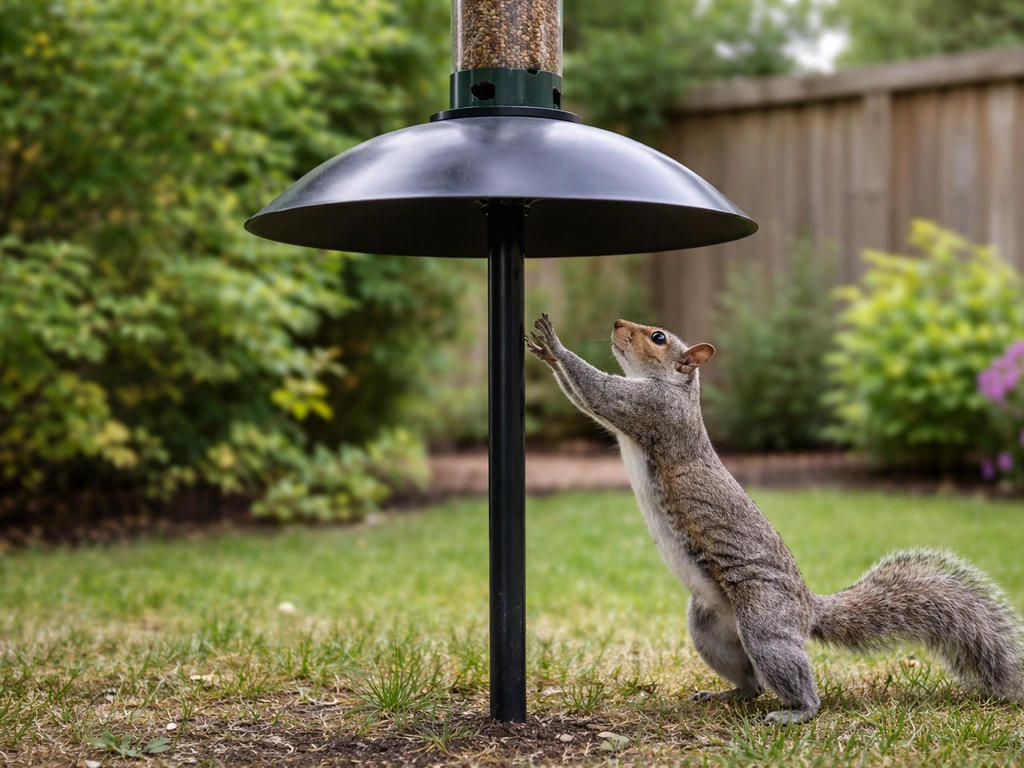
Squirrels are relentless and remarkably athletic. They can jump about 10 feet horizontally and 4 to 5 feet vertically from a standing position. The only setups that reliably work are a freestanding post at least 5 feet tall, positioned at least 10 feet from any tree or structure, with a wide dome baffle mounted below the feeder. Anything else is just a delay. Squirrel-proof caged feeders (where a wire cage surrounds the inner tube) also work well for smaller birds and are worth buying or building if a post isn't an option.
Birds aren't using the feeder
This is the most common early frustration, and it's almost always a patience issue. Birds need time to discover a new food source, sometimes one to two weeks. Make sure the feeder is near cover (not exposed in the middle of a lawn), stocked with black-oil sunflower seeds, and visible from above. Placing a small amount of seed on top of or below the feeder can help birds find it faster. If after two weeks there's still nothing, try moving the feeder closer to natural vegetation.
Rats, mice, and ground feeders
Seed that falls to the ground will attract rodents. It's not a maybe. Clean up spilled seed every few days, and consider switching to no-waste seed blends (hulled sunflower, shelled peanuts) that don't leave debris. Store your seed supply in a metal container with a lid, not a bag or plastic bin that rodents can chew through.
Aggressive or invasive species
House sparrows, European starlings, and grackles can dominate a feeder and drive off smaller songbirds. Avoid platform feeders and hopper feeders if this is a problem, and switch to tube feeders with short or no perches. Starlings and grackles struggle to cling to narrow tube feeders. Safflower seeds also help because those species largely ignore safflower while cardinals and chickadees love it.
Ongoing maintenance and seasonal tips
This is the part people skip, and it's the part that actually matters most for the birds' health. A dirty feeder isn't just unattractive. It can spread disease. The U.S. Fish & Wildlife Service specifically flags conjunctivitis in house finches as a disease that spreads through contaminated feeders, and the Cornell Lab of Ornithology recommends cleaning feeders at least every two weeks. In wet or hot weather, clean weekly.
Cleaning is straightforward: empty the feeder, scrub with a stiff brush and a solution of one part bleach to nine parts water, rinse thoroughly, and let it air dry completely before refilling. Wet seed in a feeder that isn't dry will mold within a day or two. The CDC also echoes this: keeping feeders and birdbaths clean reduces disease transmission risks for both birds and humans who handle the feeders.
Season-by-season adjustments
- Spring: This is prime migration season. Keep feeders clean and stocked. High-fat foods like sunflower and suet help migrants refuel. Don't stop feeding in spring because 'birds can find food themselves.' Migratory birds specifically need reliable pit stops.
- Summer: Switch to no-melt suet or remove suet entirely in hot climates. Offer fresh water nearby since heat stresses birds. Check for mold in tube feeders more frequently because summer humidity speeds spoilage.
- Fall: Migration again. Some birds you fed in summer will leave, but new species passing through may show up. This is a great time to try nyjer seed if you haven't. Also a good time to repair or rebuild feeders before winter.
- Winter: This is when supplemental feeding matters most. High-fat foods (suet, sunflower) help birds maintain body temperature. Keep feeders clear of snow and ice after storms. Birds that depend on feeders during cold snaps can struggle if the feeder is suddenly empty or buried.
One last thing worth saying: you don't have to get everything perfect on the first try. A bottle feeder with some sunflower seeds hung near a shrub is genuinely useful to birds, even if it's not optimized. Start simple, watch what shows up, and improve from there. If you want more inspiration, check out bird feeders you can make at home with simple materials and quick designs. That's how most of the best backyard setups get built: one season at a time.
FAQ
Why make a bird feeder instead of just planting native flowers and shrubs?
A feeder is a fast, reliable food source you can control when winters are harsh or natural food is scarce, while native plants work more gradually. Many backyards do best with both, use plants for long-term cover and feeders for short-term support.
Is it better to make one feeder or several small ones?
Start with one feeder so you can learn which foods and placements work, then add a second only after you see consistent visitors. Multiple feeders can increase spill and make it harder to spot whether the issue is seed choice, timing, or safety.
How long should I wait before deciding birds are ignoring my feeder?
Give it time for discovery, often one to two weeks, even if seeds are ready. If there is no activity after about two weeks, adjust placement toward nearby cover and keep seed consistent, black-oil sunflower is a good default.
Can I make a feeder if I don’t have tools or drilling equipment?
Yes, try a no-tool option like a pinecone feeder with twine, or a simple bottle design where you punch holes carefully with a heated tool only if you can do it safely. If you cannot make any holes at all, you can still attract birds by setting safe, placed seed on a small tray under cover.
Why make a bird feeder if squirrels will just steal the food?
You can reduce squirrel take by using the right feeder form and setup, a tall freestanding post plus a dome baffle is one of the most reliable approaches. Also reduce waste, overfilling increases squirrel success and attracts rodents when seed falls.
What should I do if I see mostly aggressive birds like grackles or starlings?
Change the feeder type rather than only the seed, tube feeders with short or no perches generally reduce dominance by species that need broad standing room. Add safflower alongside black-oil sunflower to favor birds like cardinals and chickadees.
Why make a bird feeder but avoid “wild bird mix”?
Because mixes often contain more filler seeds that go uneaten and end up on the ground, where they increase rodent and messy waste problems. Sticking with black-oil sunflower first helps you see what birds actually use, then you can tailor feed by species.
How do I keep the feeder from harming birds in hot weather?
Avoid suet types that melt easily unless they are specifically labeled no-melt, and don’t leave wet seed in place. In warm weather, clean more often and refill smaller amounts so seed does not sit and spoil.
How much seed should I put in to avoid attracting rodents?
Refill before the feeder is empty, a half-full starting point helps you gauge how fast visitors are eating. If seed stays for more than four or five days, reduce quantity and check seed choice, placement, and whether birds are actually landing and feeding.
Is it safe to use peanut butter in a pinecone feeder year-round?
No, it works best in cooler weather since peanut butter can spoil faster in summer heat. If you want a non-peanut-butter approach, use suet mixed with seeds as a binder, and make sure it is appropriate for the season.
How often should I clean the feeder to prevent disease?
Plan on at least every two weeks for regular conditions, and clean weekly in wet or hot weather. Thoroughly air-dry after scrubbing, wet residue can encourage mold and can make birds less likely to keep visiting.
Where should I place the feeder so birds actually feel safe using it?
Avoid open lawn centers, place it near natural cover like shrubs or tree lines so birds can retreat quickly. Also keep it visible from above, and use baffles or strategic spacing to reduce predator risk.
Can making a feeder help during migration even if I’m not an expert?
Yes, the key contribution is consistent supplemental food during periods when habitat has been lost, you do not need specialized knowledge to make a difference. Use reliable seeds, keep feeders clean, and maintain the setup during peak travel windows in your area.
Step-by-step bird feeders preschoolers can make, with adult prep, safe materials, hanging tips, and easy troubleshooting
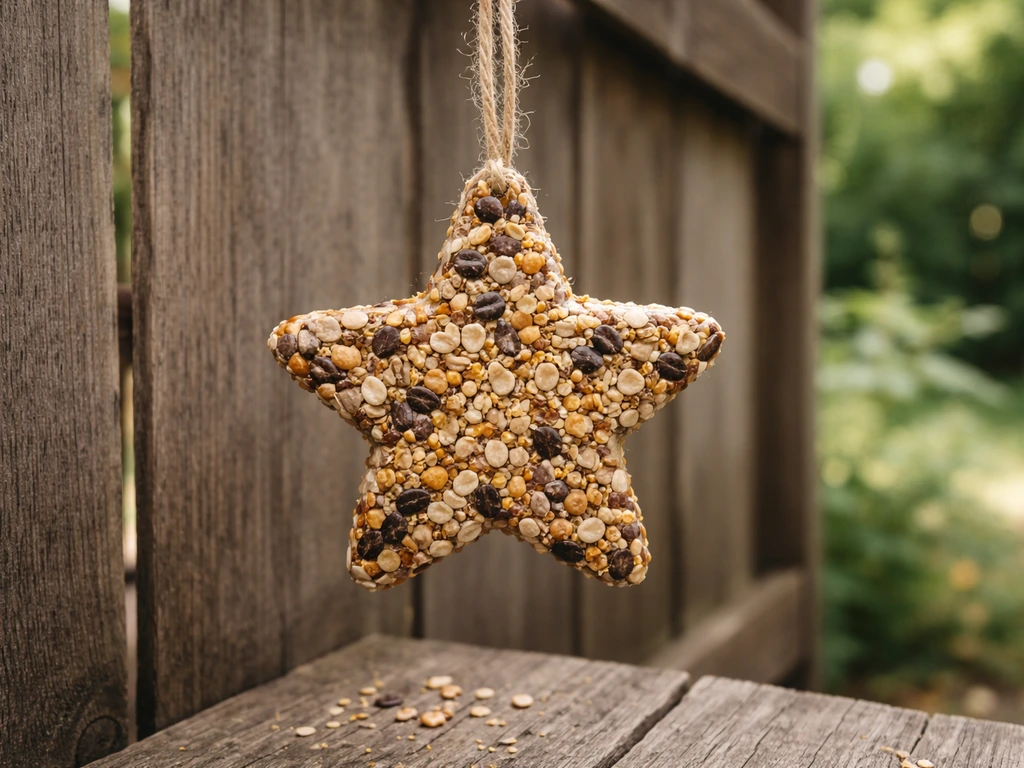
Step-by-step guide to make cookie cutter bird feeders with safe edible molds, hanging setup, placement tips, and fixes f
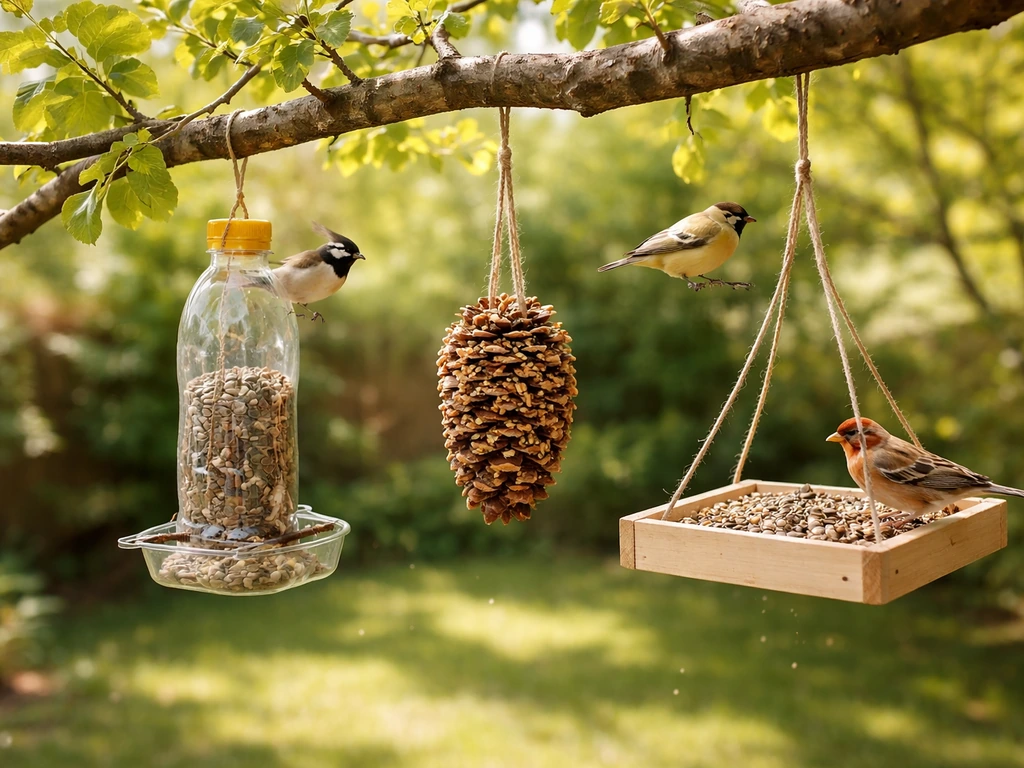
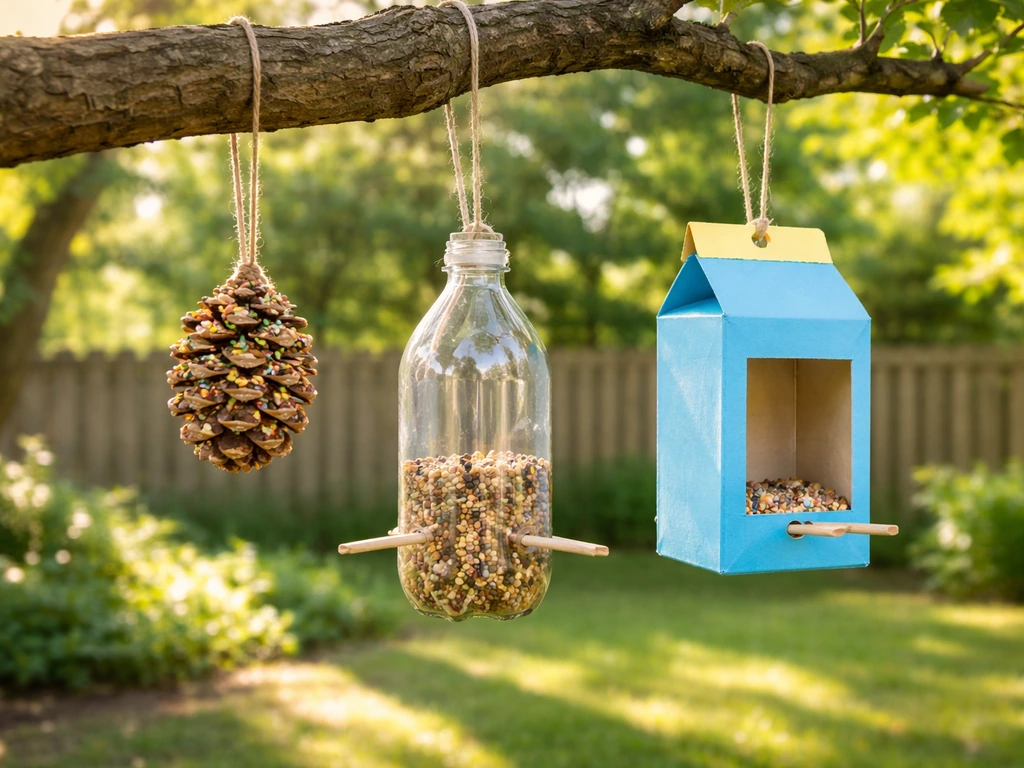
Step-by-step DIY bird feeders using bottles, pinecones, and wood, plus setup, cleaning, and pest-proofing tips.