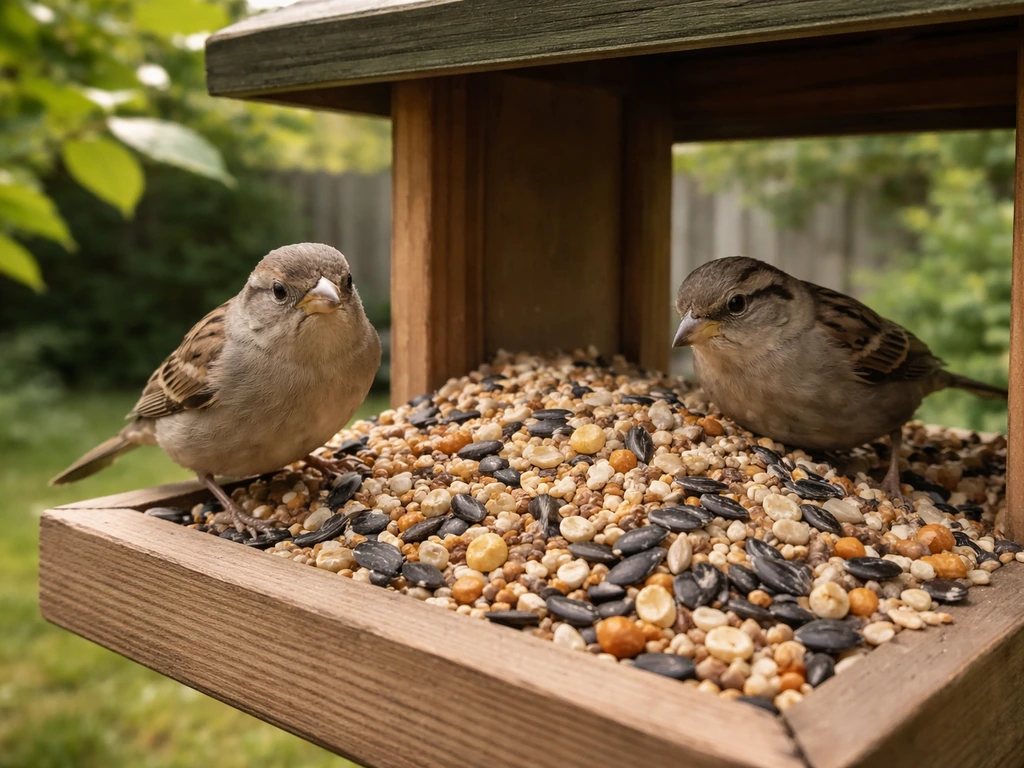
Mount your window feeder within 3 feet of the glass, fill it with black-oil sunflower seeds, and give birds 1 to 2 weeks to find it. That combination solves the three biggest problems at once: it reduces deadly window strikes, puts the most universally loved food in front of birds, and gives them enough time to trust a new food source. Everything else in this guide builds on that starting point. If you want the full bird feeder tutorial step by step, start from how to choose the right feeder and placement this guide.
Window Bird Feeder How to Attract Birds Step by Step
Marcus Brennan
27 May 2026
Choosing the right window feeder style and placement
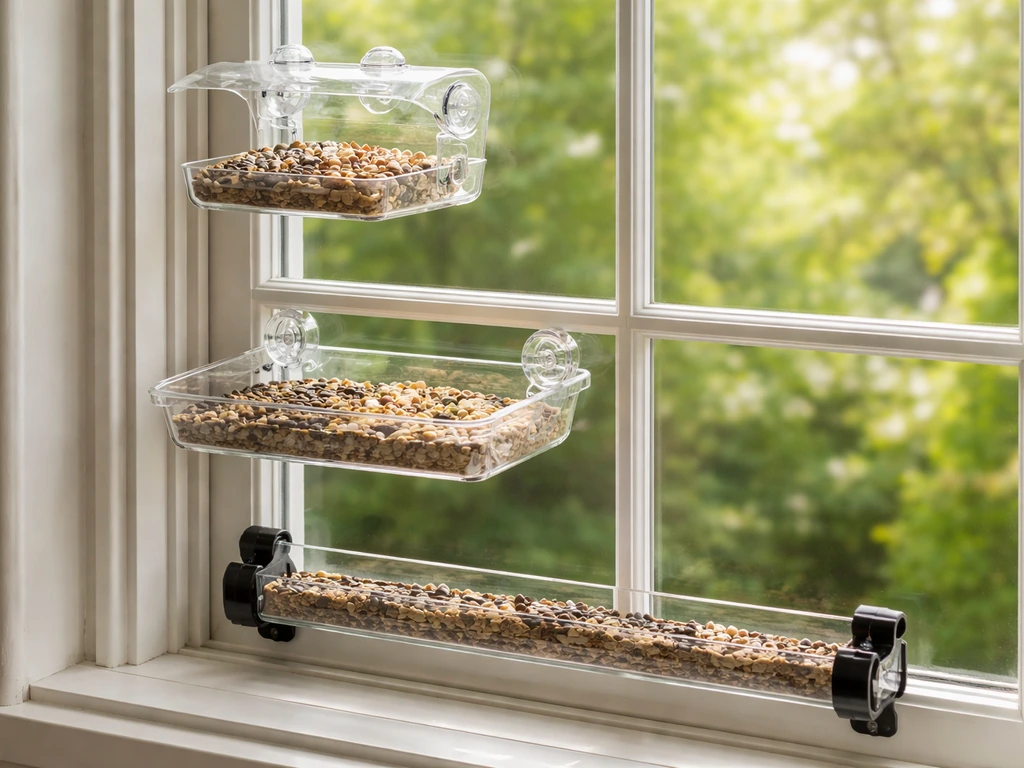
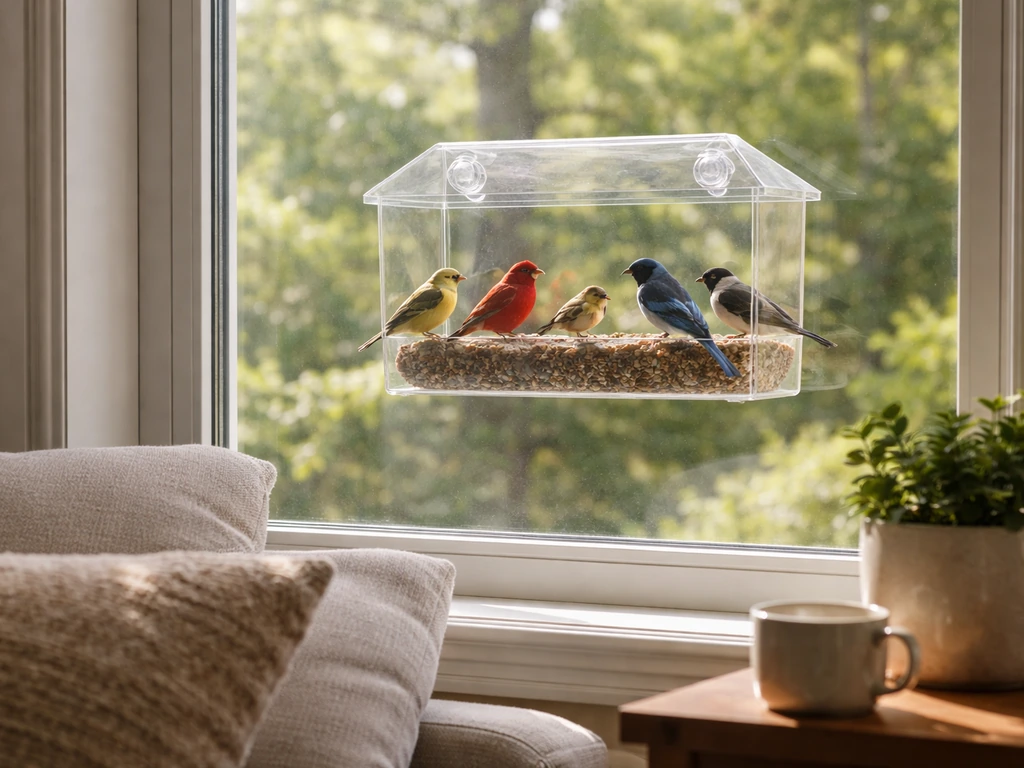
Window feeders come in a few main styles, and picking the wrong one for your window type is the most common mistake I see. Suction-cup platform feeders are the most versatile: they press directly onto the glass, hold a shallow tray of seed, and give you an unobstructed view of visiting birds. They work on any smooth, clean window. Window-mounted hopper feeders are larger and hold more seed, but they need a wide, flat window surface to support the weight.
Tube feeders with window-mount brackets are great if you want to attract finches specifically. If you're handy, you can also build a simple tray feeder and attach it to a bracket screwed into the window frame, which is more stable than suction cups in windy climates. Once you have the feeder mounted, you can use the simple steps below to fine-tune your setup for success build a simple tray feeder.
Placement is where most people get tripped up. The research here is actually really clear: keep the feeder within 3 feet of the nearest window, or push it more than 30 feet away. The Ornithology Center cautions that “beyond 30 feet” is not necessarily safe because the danger zone for window strikes extends from the glass surface push it more than 30 feet away.
There's no safe middle ground. The reason is physics. A bird launching from a feeder 10 or 20 feet from glass will hit full flight speed before impact, which can be fatal. A bird launching from within 3 feet hasn't built up enough speed to injure itself.
Since a window feeder by definition sits right at the glass, you're already in the safe zone. Don't let anyone talk you into moving it further out to give birds 'more space. ' Closer is genuinely safer here.
When choosing which window to use, pick one that faces east or southeast if you can. Birds are most active in the morning, and a feeder in morning sun is more visible to them. Avoid windows that get full afternoon glare, since the reflection can make the feeder hard to see and increases strike risk from other directions. A window near shrubs, a fence, or a tree within 10 to 15 feet is ideal because birds like to stage nearby before committing to the feeder.
Best foods to attract specific birds
If you want one seed that covers the most ground, it's black-oil sunflower seed. The thin shell is easy for small birds to crack, the kernel is high in fat, and nearly every common backyard bird species will eat it: chickadees, nuthatches, finches, sparrows, cardinals, titmice, and more. Buy it in bulk bags rather than mixed 'wild bird' blends. Those mixes are padded with milo and millet that most desirable birds ignore, and the waste ends up rotting in your tray.
Once you've got birds coming reliably, you can start targeting specific species by adding a second food. Here's what actually works:
| Bird | Best Food | Feeder Type |
|---|---|---|
| American Goldfinch | Nyjer (thistle) seed | Tube or mesh sock feeder |
| House Finch / Purple Finch | Black-oil sunflower seed | Platform or tube feeder |
| Black-capped Chickadee | Black-oil sunflower, safflower | Platform or hopper feeder |
| White-breasted Nuthatch | Black-oil sunflower, suet | Platform feeder or suet cage |
| Northern Cardinal | Sunflower seeds, safflower | Wide platform feeder |
| Dark-eyed Junco | White millet (scattered) | Low platform or ground feeder |
| Downy Woodpecker | Suet cakes | Suet cage mounted near window |
One thing I'll say from experience: don't try to offer too many foods at once when you're starting out. Birds find a new feeder by investigating, and a cluttered tray is confusing. Start with one food, get birds coming consistently, then slowly introduce a second. Suet is worth adding in fall and winter because it's calorie-dense and attracts woodpeckers and nuthatches that sunflower seeds alone won't reliably bring in. Avoid bread, crackers, and anything salty. It's not just unhelpful, it's actively bad for birds.
How to set up visibility, distance, and timing
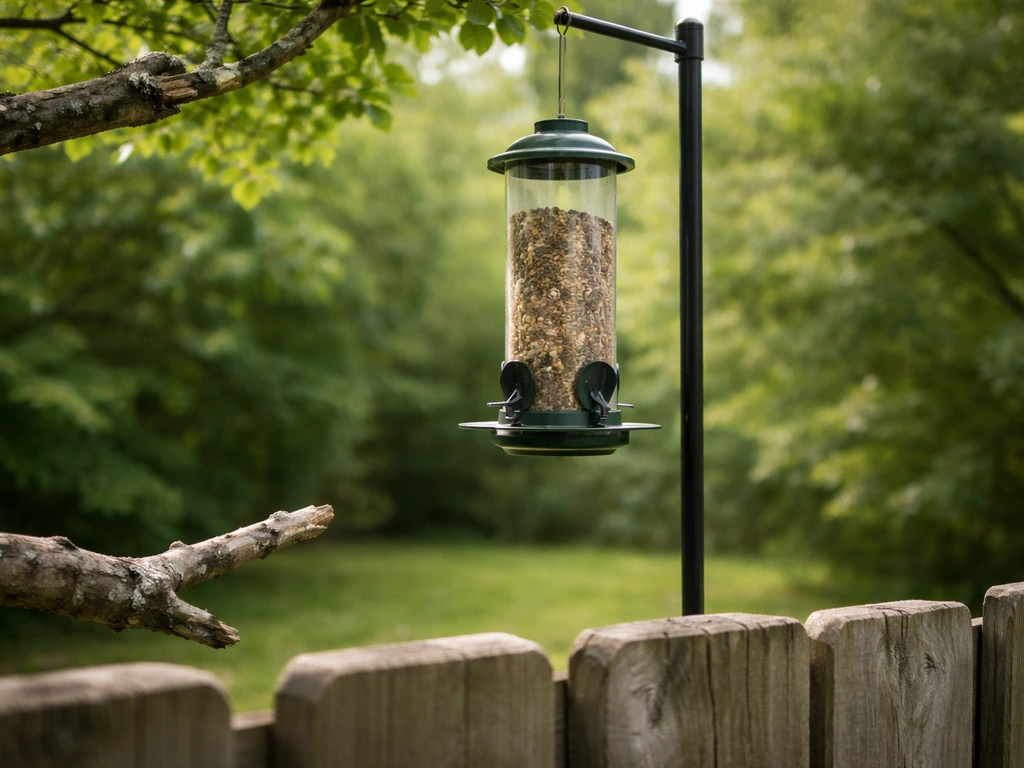
Birds find feeders by sight, not smell, so your job is to make the feeder as visible as possible from nearby perches. Place the feeder at or slightly below the level of the nearest branch, fence rail, or shrub top where birds already land. If there's no natural perching spot within 15 feet, add a simple branch stake or a short shepherd's hook in a pot near the window. This gives birds a landing pad to survey from before they commit to the feeder.
Timing matters more than most people think. Birds are creatures of habit and they build mental maps of reliable food sources. Installing a feeder in late fall or early winter gives you the fastest results because natural food is scarce and birds are actively searching. Spring is the second-best window. Mid-summer is the hardest time to attract birds to a new feeder because natural food is abundant and birds have established foraging routes that don't include your window yet. Don't give up if you start in July. It'll just take a little longer, usually 3 to 4 weeks instead of 1 to 2.
One setup trick that genuinely speeds things up: sprinkle a small handful of seed on the outside windowsill or on top of the feeder tray on day one. Birds flying nearby will spot the exposed seed from a wider angle than they'd spot seed inside the tray. Once a few scouts discover it, others follow fast. You only need to do this for the first few days.
Feeder maintenance, cleaning, and refilling routines
Dirty feeders are a major reason birds stop visiting, and most people don't realize how quickly a window feeder can get contaminated. Because window feeders are small and hold less seed than a large hopper, seed sits in the tray and gets wet from rain or morning dew, then molds within 2 to 3 days in warm weather. In cool, dry weather you can stretch it to a week, but don't push it. If the seed looks clumped, smells musty, or has any dark spots, empty the tray completely and start fresh.
Deep-clean the feeder at least once a month, more often in summer. Here's the routine I use:
- Remove the feeder from the window and dump out all remaining seed and debris.
- Rinse with warm water to loosen stuck seed hulls.
- Scrub with a stiff brush and a solution of 1 part bleach to 9 parts water (one capful of bleach in a bucket of water works fine).
- Rinse thoroughly at least twice until you can't smell bleach.
- Let the feeder air dry completely before refilling. Wet seed molds fast.
- Reattach to the window and refill with fresh seed.
Refill before the feeder is completely empty. Birds that arrive to find an empty feeder will move on and may not come back as reliably. I keep a small scoop and a sealed container of seed near the window so refilling takes less than a minute. Once birds have established your feeder as part of their daily route, they'll show up expecting food at roughly the same times each day, usually early morning and again in the late afternoon.
Troubleshooting: no birds, shy birds, and bird avoidance
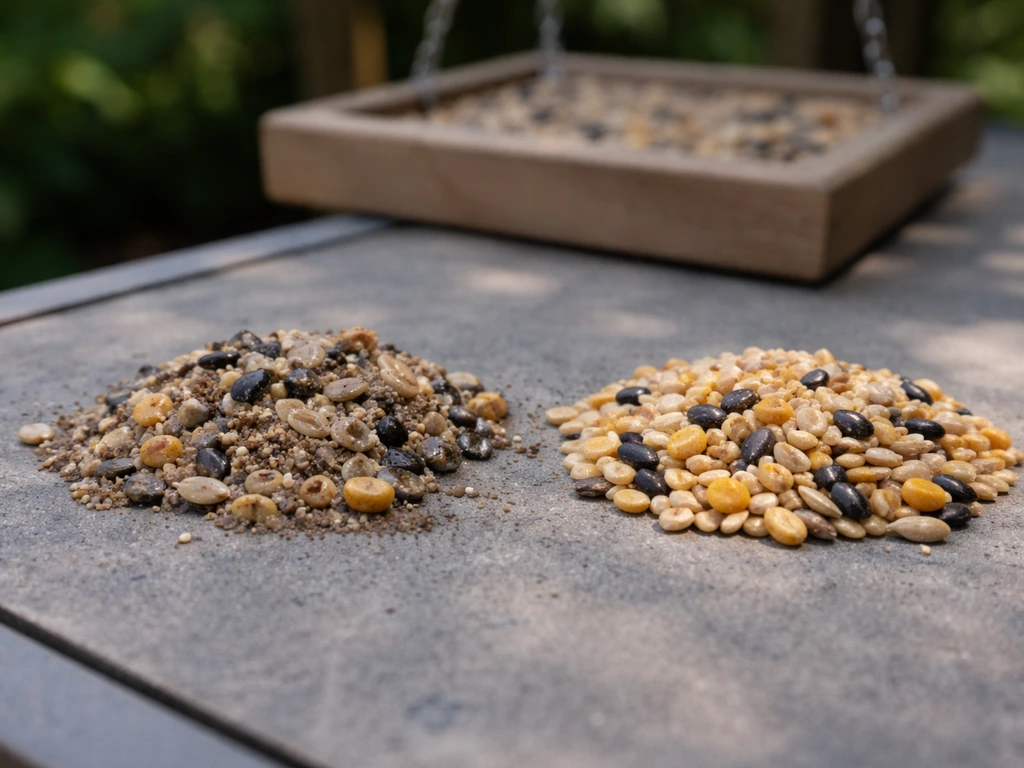
If no birds have shown up after two weeks, work through this checklist before concluding there's something wrong with your feeder. Most of the time it's one of these issues:
- The seed is old or stale. Seed bought more than 6 months ago or stored in a warm place loses its scent and nutritional appeal. Buy fresh seed and test by cracking a sunflower seed open: the kernel inside should be plump and smell faintly nutty, not rancid.
- There are no birds in your area yet. If you're in a new development or a heavily paved neighborhood, the local bird population may be thin. Check nearby parks or green spaces. If birds are there, they'll expand their range when food is reliable.
- The window is too reflective. Heavy glare from the outside can make the feeder invisible or make the glass look like open sky, confusing birds. Add a decal or two to break up the reflection (this also helps with strike prevention).
- There's a predator nearby. A neighborhood cat that sits on your sill or watches from a nearby fence will keep birds away for days even after the cat is gone. Birds remember dangerous spots.
- The feeder is too isolated. If there's no shrub, tree, or perch within 15 to 20 feet, birds feel too exposed to land. Add a nearby perching spot.
Shy birds are a different issue. If you can see birds perching near the window but not committing to the feeder, they're doing threat assessments. This is normal behavior and usually resolves itself within a few days as the bravest birds in the group start visiting and others follow. Movement inside the house can spook them too. If you have a busy window where people walk past frequently, give it a few extra days. You can also hang a thin sheer curtain on the inside that lets you see out but reduces the visual movement birds detect from outside.
Pest-proofing and safety (squirrels, cats, and window strikes)
Window feeders actually have a built-in advantage over pole or hanging feeders when it comes to squirrels: they're hard to reach without climbing the wall. But squirrels are creative, and if there's a tree branch, a drainpipe, or a fence within jumping distance of your window, they'll figure it out. The most reliable fix is to keep a 10-foot clearance between any climbable structure and the window feeder. If that's not possible, apply a layer of petroleum jelly to the window frame just below the feeder. Squirrels hate the feel of it and stop trying after a few attempts. Reapply every 2 to 3 weeks.
Cats are a bigger problem than most people expect. Even indoor cats sitting in the window can deter birds from visiting because birds recognize predator silhouettes. If you have indoor cats, close them out of the room where the feeder is mounted, at least during peak morning feeding hours. For outdoor cats in your neighborhood, motion-activated sprinklers are the most effective deterrent without harming the cats. Avoid placing food on low window ledges that cats can easily approach.
Window strikes remain the most serious safety issue, even with a properly placed feeder. Because window feeders are within 3 feet of the glass, birds launching from the feeder itself are low-risk. The danger comes from birds flying toward the window from further away and not seeing the glass. Decals help, but the spacing matters: Audubon recommends placing any window markings no more than 2 to 4 inches apart across the glass surface.
Audubon recommends placing any window markings no more than 2 to 4 inches apart across the glass surface to help birds recognize the window as a barrier. A single hawk silhouette in the middle of the window does almost nothing.
Frosted window film applied to the bottom half of the glass is even more effective and doesn't block your view from inside as much as you'd expect. This is worth doing especially if you notice feathers, smudge marks, or stunned birds below the window.
Getting a window feeder working reliably is a process of small adjustments, not a single setup moment. If your first feeder placement isn't pulling birds in, move the feeder to a different window, try a different seed, add a nearby perch, or clean the feeder more frequently. Once your window feeder is ready, focus on a bird feeder setup that includes the right distance, visibility, and safe placement to reduce window strikes bird feeder placement. The birds are out there. Once your feeder shows up on their mental map as a safe, consistent food source, you'll have steady visitors before long.
From there, you can build on what's working, whether that's adding a second feeder style, trying different seed mixes, or expanding into a fuller backyard setup. If you want to draw them in even faster, focus on visibility, safe distance from the glass, and consistent timing how to draw birds to a bird feeder.
If you want a backyard bird feeder setup beyond a single window feeder, start by repeating the same visibility and distance rules for each location fuller backyard setup. A good bird feeder setup also includes spacing, placement near perches, and consistent refilling so birds learn the routine.
FAQ
Can I just sprinkle seed on the windowsill instead of using the window feeder?
Yes, but only in limited ways. Use a small amount of seed only to create visibility (for the first few days), then keep the tray clean and rely on black-oil sunflower in the feeder. Avoid leaving long-term scattered seed on the outside ledge because it attracts pests and gets wet, which can lead to mold.
What should I do if birds come to the window but don’t use the feeder?
If birds ignore it, check the window-facing conditions at the feeder level, not just the general direction. The feeder should be easily visible from nearby perches, and the window should not have heavy glare from afternoon reflections. Also confirm the seed is fresh (bulk black-oil sunflower can go rancid), since stale seed is less likely to draw repeat visits.
How long should I stick with one seed before switching to another?.
For window feeders, start with a single food and one feeder style for at least 2 to 4 weeks. Switching seed types too quickly resets birds’ mental maps. If you do change, do it gradually by mixing a small portion of the new seed into the existing seed for several days, then monitor which visitors increase.
How often should I clean out and replace the seed in a small window feeder?
Treat it like any other perishable bird food: refill before it goes completely empty, and remove and replace the tray content as soon as it shows clumping from moisture, any musty smell, or dark/moldy spots. In warm weather, that can be as often as every few days, even if the tray still looks partially full.
What’s the best approach if the seed keeps getting wet from rain or morning dew?
Use wet-weather-ready seed placement. If you’re seeing frequent rain or heavy morning dew, empty and dry-check the tray sooner (closer to the 2 to 3 day mark in warm weather). Also consider a feeder design that protects the seed from direct water splash, and mount the feeder so runoff doesn’t drip into the tray.
Will switching to a larger window hopper or tray feeder attract more birds?
A bigger feeder can be helpful once birds are already reliably visiting, because it reduces the frequency of refilling. But size does not replace the key safety rule, keep the feeder within 3 feet of the glass. If you change to a larger hopper, still watch for mold since a deeper tray can trap moisture.
Which feeder style works best for finches versus larger songbirds?
Most window feeders are fine for small birds, but mix selection matters. Black-oil sunflower naturally draws many species, while tube feeders with appropriate seed are better for finches. If you specifically want a certain species, confirm the feeder style supports the bill size and feeding behavior you’re targeting.
Are window decals or frosted film enough to prevent strikes on all windows?
Yes, but don’t start with several deterrents at once. Keep the glass markings consistent and close together, and pair them with good visibility from perches. If you install frosted film, focus on the area birds are likely to fly into (often the bottom portion where they approach), and avoid covering the entire window so your view remains clear.
Why do birds sometimes ignore a mixed “wild bird” seed blend in a window feeder?
Don’t rely on mixed seed blends. Many mixes include fillers that reduce feeding speed and increase waste, which can speed up contamination. Stick to a consistent core seed (black-oil sunflower) and only add a second item once visits are steady, then adjust based on which birds arrive.
Why would birds stop visiting right after I refill the feeder?
It can. If birds stop coming right after you refill, you might have disturbed the area, used noisy tools, or switched to a strong-smelling new seed. Try refilling at consistent times with minimal movement near the window, and keep handling time short. If possible, refill before the tray is totally empty.
What’s the best way to stop squirrels if they’re getting to the feeder from nearby structures?
Yes. If squirrels are reaching the feeder via a branch, fence, or drainpipe, the safest fix is to remove that bridge and maintain about 10 feet of clearance between climbable structures and the feeder. If you can’t eliminate access, petroleum jelly on the frame below the feeder can help, but check it regularly because it can wear off or collect grime.
How do I reduce bird deterrence from indoor or neighborhood cats?
Even when cats cannot access the feeder, they can deter birds through perceived threat. Keep interior cats out of the room during peak morning feeding, and avoid letting them stare at the feeder area through the glass. For outdoor cats, motion-activated sprinklers are an effective non-injury deterrent.
Next Article
How to Draw Birds to a Bird Feeder: Quick Setup Tips
Quick fixes to attract birds fast: feeder setup, best food, placement tips, and pest-proofing to boost visits today.