You can build a working finch feeder today using a plastic bottle, a piece of scrap wood, or even a pinecone from your yard. The most important thing to get right is not the build itself but the seed and the port size: finches want nyjer (thistle) seed or fine sunflower chips, and the openings need to be small enough to dispense those tiny seeds without dumping them everywhere. Get those two things right and finches will find the feeder within days, sometimes hours, depending on how many are already visiting your yard.
How to Make a Finch Bird Feeder: DIY Steps, Ports, and Setup
Marcus Brennan
2 Jun 2026
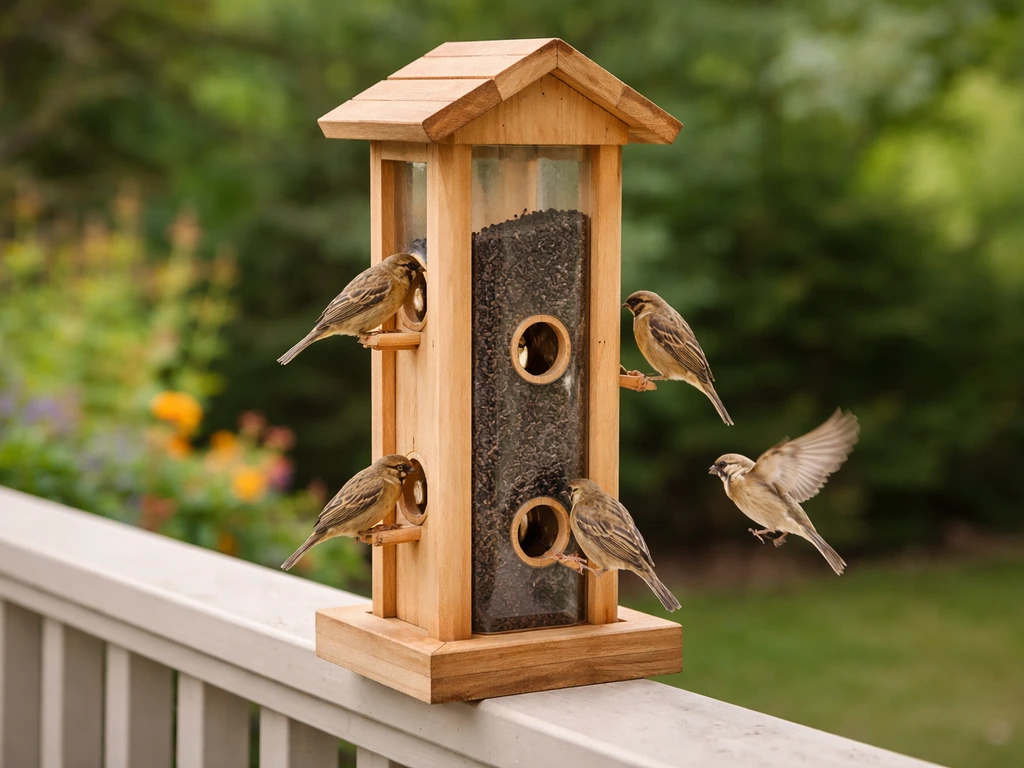
What finches actually want from a feeder
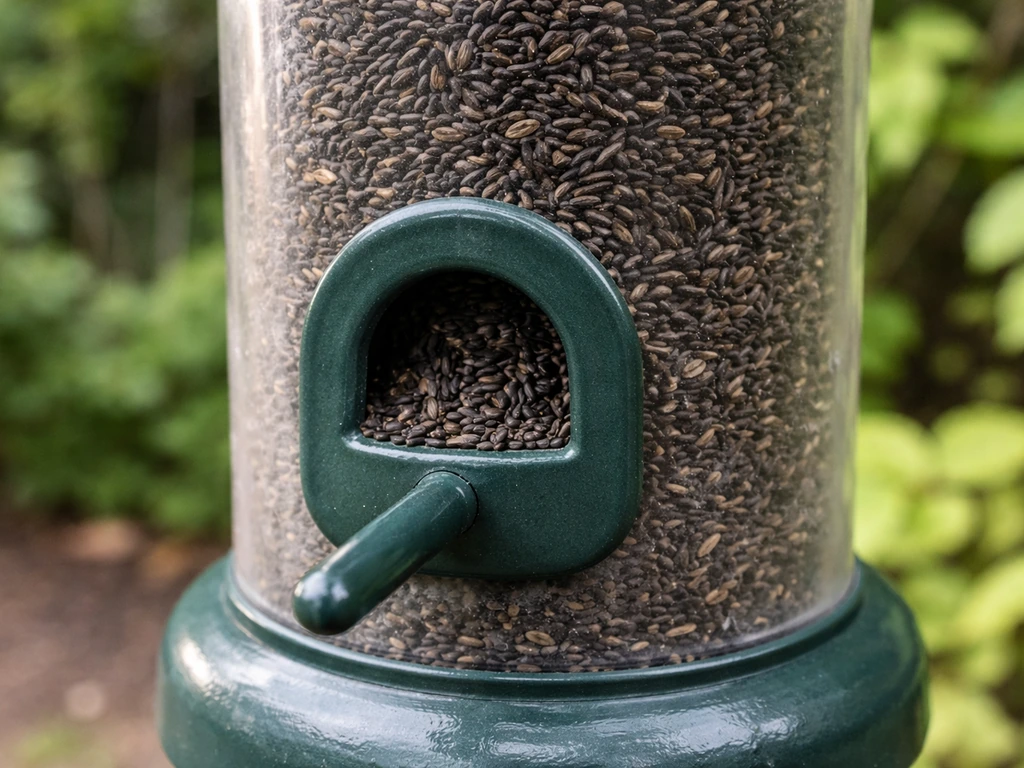
Nyjer seed, also called thistle, is the gold standard for finches. It is a small black oil seed that is calorie-dense and specifically attractive to American goldfinches, house finches, purple finches, and pine siskins. Black-oil sunflower seed and sunflower hearts or chips are also excellent and will pull in a broader mix of finch species. If you want to maximize goldfinch activity specifically, start with nyjer. If you want a more diverse crowd of finches and do not mind refilling more often, a finch mix that combines nyjer with fine sunflower chips works very well.
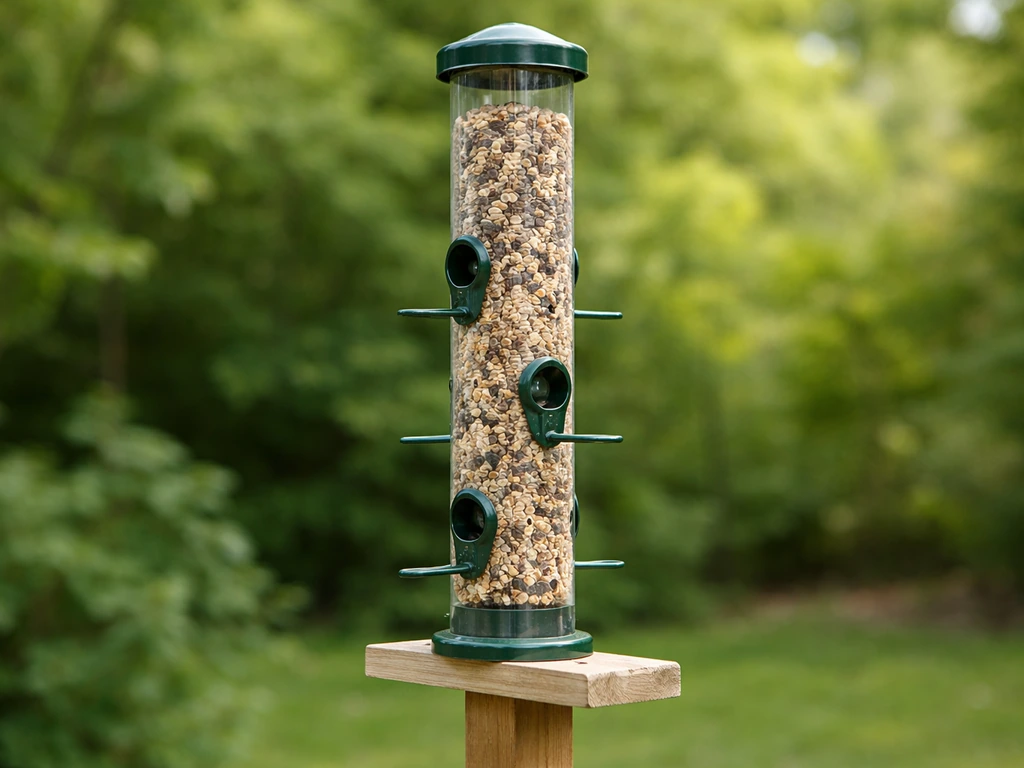
Feeder size matters more than most beginners expect. Finches are small birds and they prefer feeders with multiple small ports rather than one large tray. A tube feeder with four to six ports and a 1.5 to 2 cup seed capacity is a practical starting size for a DIY build. Anything much larger and the seed sits too long before being eaten, which leads to spoilage. Anything too small and you are refilling every single day, which gets old fast.
For placement, finches are comfortable feeding fairly close to shrubs and light cover but they do not need deep shelter the way some nervous species do. A spot that gets morning sun and some afternoon shade is ideal. Morning sun dries out any overnight moisture in the seed, and shade keeps the seed from baking during hot afternoons. Keep the feeder within about 10 to 15 feet of a shrub or small tree so finches have a landing and waiting spot, but not so close that squirrels can use that same cover to leap across.
Materials and tools you will need
The exact materials depend on which build you choose, but here is a master list covering all three options below. You probably have most of this already.
- For a wood feeder: one piece of cedar or pine board (1x4 or 1x6, roughly 12 to 18 inches long), a short length of 3/4-inch diameter wooden dowel for perches, exterior wood glue, 1.25-inch exterior screws, a drill with a 3/8-inch bit for seed ports, sandpaper (80 grit and 120 grit), and a small screw eye or hook for hanging
- For a bottle or milk jug feeder: a clean 2-liter plastic bottle or clean plastic gallon milk jug, two wooden chopsticks or 1/4-inch dowel pieces about 8 to 10 inches long, a sharp craft knife or scissors, a hole punch or heated skewer for drainage holes, and paracord or wire for hanging
- For a pinecone feeder: one large intact pinecone (at least 3 inches long), peanut butter or suet paste as a binder, nyjer seed or a finch seed mix for rolling, and a 12-inch length of twine or jute cord for hanging
- General tools useful for any build: ruler or tape measure, pencil or marker, pliers, a hand saw or jigsaw if cutting wood, and wire or strong cord for hanging hardware
Cedar is the best wood choice if you can get it because it resists moisture and rot naturally without any treatment. Pine works fine but will need a coat of exterior finish or linseed oil to last more than one season. Avoid pressure-treated lumber entirely since the preservatives can be harmful to birds.
Three ways to build a finch feeder step by step
Option 1: Simple wooden tube-style feeder
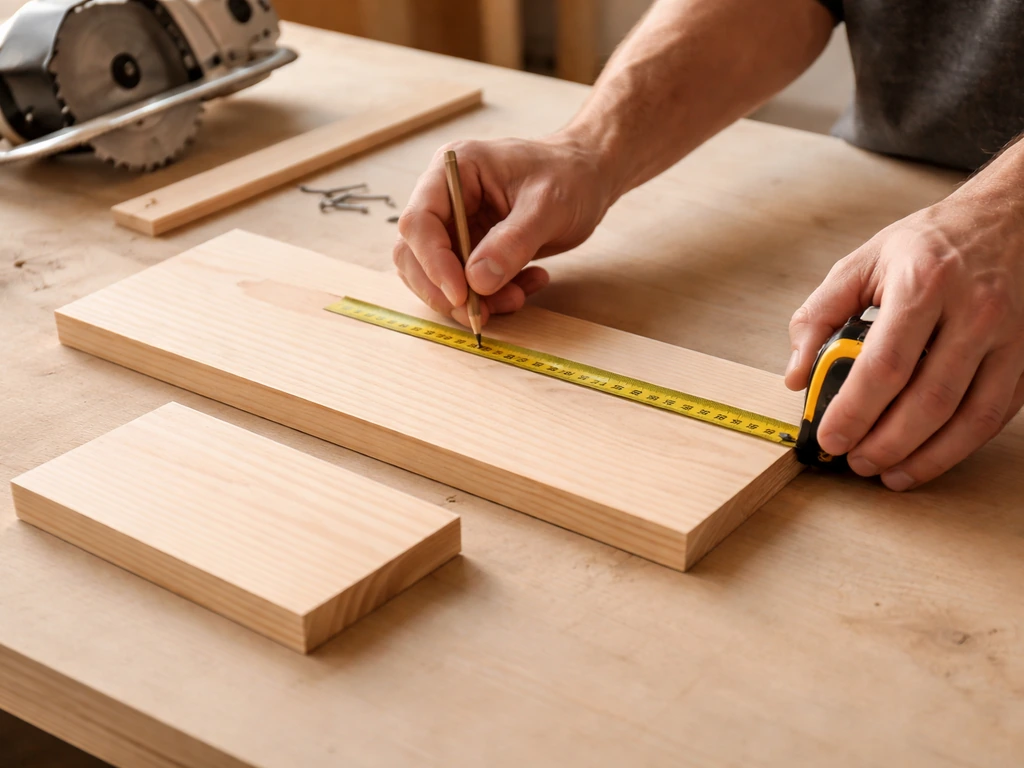
This is the most durable option and worth the extra 30 minutes if you have basic tools. If you want to try something more unusual, you can also learn how to make a bundt pan bird feeder with proper port size and drainage so finches can feed safely. Total build time is about 45 to 60 minutes.
- Cut your board into two pieces: one 12-inch back panel and one 10-inch front panel. The height difference creates a small roof overhang effect when assembled.
- On the front panel, mark two to four seed port holes spaced about 2.5 inches apart vertically, starting about 2 inches from the bottom. Drill each hole with a 3/8-inch bit. This size is just right for nyjer and sunflower chips to dispense without gushing out.
- Drill a 1/4-inch hole about 1 inch below each seed port. These are your perch holes. Cut your dowel into 3-inch perch stubs and press them in with a small dot of exterior wood glue.
- Cut two small side pieces from scrap board, about 2 inches wide by 10 inches tall. Glue and screw the front and back panels to these side pieces to form a narrow rectangular box. Leave the top open or make a removable lid from another scrap piece so you can fill and clean the feeder.
- Drill three or four 1/8-inch drainage holes in the bottom so any moisture that gets in can escape.
- Screw a small eye hook into the top center of the back panel. Your feeder is ready to hang.
Option 2: Plastic bottle or milk jug feeder
This is the fastest build, takes about 15 minutes, and costs nothing if you save your recycling. The finished feeder works surprisingly well and is easy to replace when it wears out.
- Wash and dry your 2-liter bottle or gallon milk jug thoroughly. Any residue will contaminate the seed.
- Using a craft knife or sharp scissors, cut two small oval openings on opposite sides of the bottle, about 1 inch wide and 3/4 inch tall. Position them roughly one-third of the way up from the bottom of the bottle. These are the seed ports.
- Poke a small hole about 1 inch below each opening, just wide enough to push a chopstick or dowel through. Push the chopstick all the way through both sides of the bottle so it sticks out about 2 to 3 inches on each side as a perch.
- Poke three or four small holes in the very bottom of the bottle for drainage.
- For hanging, poke two small holes near the top of the bottle on opposite sides and thread a length of paracord through, knotting it inside so it does not pull out.
- Fill through the top opening or through the seed ports, then cap the bottle if using a 2-liter. For a milk jug, the handle doubles as a hanging point and you can cut the opening at the top for filling.
Option 3: Pinecone feeder
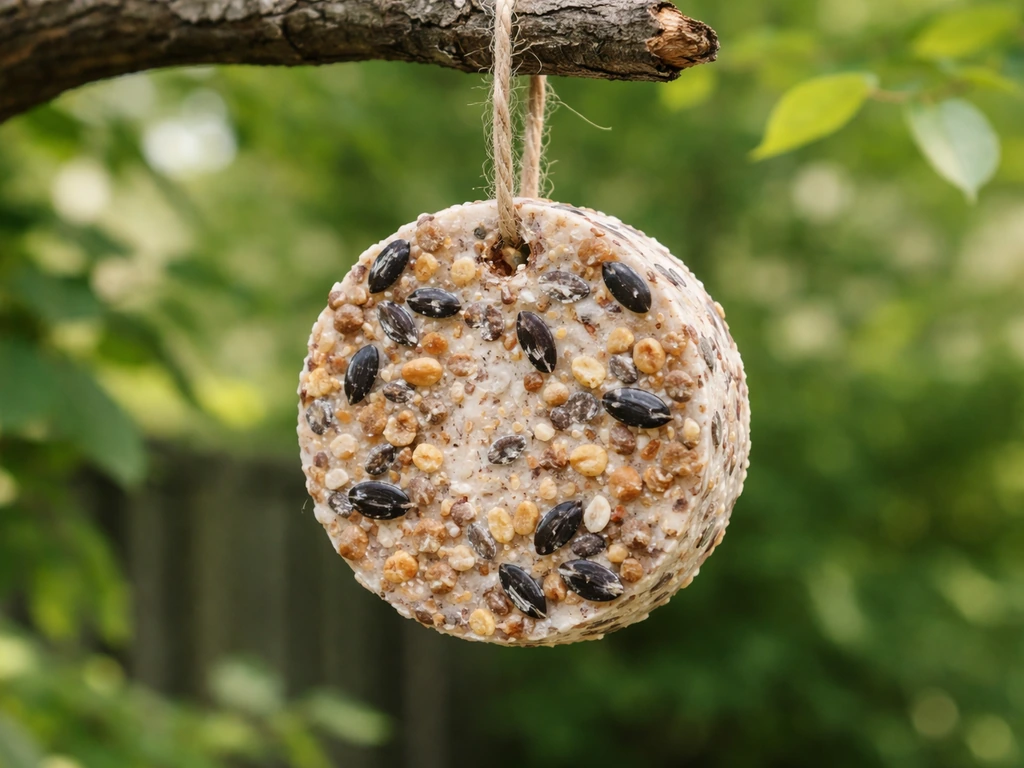
This is the most beginner and kid-friendly option, takes under 10 minutes, and requires no tools at all. It is not a long-term feeder but it is a great way to attract finches and test a new location before you invest in a more involved build. If you want a more traditional lard feeder, follow a simple plan for how to make a lard bird feeder and use the right placement and feeder ports pinecone feeder.
- Tie a 12-inch length of twine securely around the top of a large, open pinecone. Make sure it is tight enough that the cone will not slip when hanging.
- Spread a generous layer of peanut butter or suet paste into the gaps between the pinecone scales. Use a butter knife or your fingers.
- Pour nyjer seed or a finch mix onto a plate or shallow dish. Roll the peanut-butter-coated pinecone in the seed, pressing gently so seeds stick into the gaps.
- Hang immediately from a branch hook. Replace within a few days since this style of feeder is not weatherproof and the seed degrades quickly.
How to hang it and where to put it
Height is the variable most people get wrong on their first try. Hang your finch feeder between 4 and 6 feet off the ground. Lower than 4 feet and ground predators like cats become a real problem. Much higher than 6 feet and the feeder becomes hard to fill and inspect without a stepladder, which means you will procrastinate on maintenance. Finches are comfortable feeding at almost any height so optimizing for your own convenience here is the right call.
Distance from your house also matters. The window-strike sweet spot is either very close (within 3 feet of a window so birds cannot build up enough speed to be hurt) or at least 30 feet away. Anywhere in between and you risk birds striking glass on takeoff. If you are hanging from a shepherd's hook in the yard, go for that 30-foot buffer.
Drainage is non-negotiable. Even if you drilled holes in the bottom during construction, check that they are actually clear after the first rain. A clogged drainage hole turns the bottom of your feeder into a soggy seed trap almost overnight. Tilt the feeder slightly when hanging so water runs toward the drainage holes rather than pooling at the back.
Stability matters too. A feeder that swings wildly in the wind will discourage finches and fling seed everywhere. Use a solid shepherd's hook with a weighted base, or hang the feeder from two points rather than one if your design allows it. A little gentle movement is fine and actually expected, but consistent wild spinning will cause finches to skip it.
Finch-friendly modifications worth making
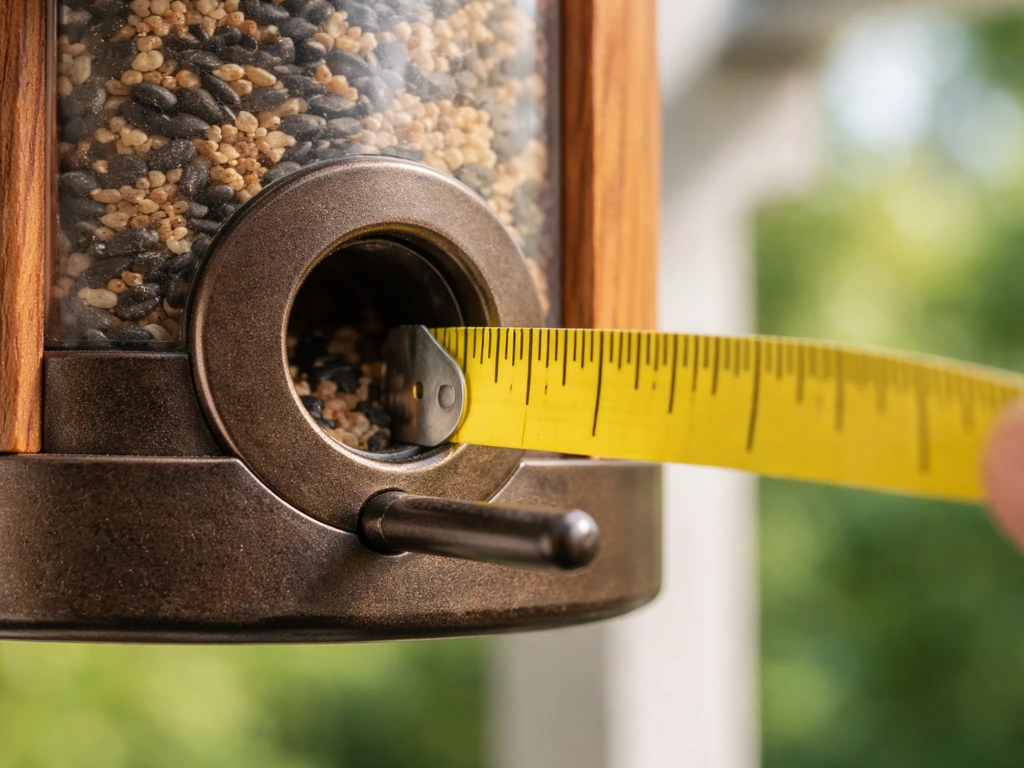
Finches are not demanding, but a few small tweaks will make your feeder dramatically more attractive to them and less useful to larger birds you did not intend to feed.
- Port size: Keep seed openings between 3/8 and 1/2 inch. This dispenses nyjer and sunflower chips at the right rate and is too small for larger seed-hogs like grackles to work efficiently.
- Perch length: Short perches of 2 to 3 inches work best. Longer perches give house sparrows and starlings more room to muscle in. Finches are agile and do not need much to grip.
- Perch position: On a tube-style feeder, some species like goldfinches will feed upside down. You can add ports above the perches as well as below them, which actually discourages non-finch species who are not comfortable inverting.
- Thistle sock option: For a no-build alternative or supplement, a fine mesh thistle sock lets finches cling and feed from any angle. You can buy these inexpensively or make a rough version from fine mesh fabric stretched over a wire frame.
- Spacing between ports: Space ports at least 2 inches apart vertically and stagger them so birds feeding at adjacent ports are not directly in each other's faces. This reduces squabbling and lets more birds use the feeder at once.
Keeping the feeder clean and the seed fresh
Nyjer seed has a shorter shelf life than most people realize, and sunflower chips are even more susceptible to spoilage. Because sunflower hearts and chips have no shell to protect them, they can harbor bacteria and mold quickly in humid or rainy weather. Fill your feeder with only what finches can realistically eat in one to two days if you are using those fine, shell-free seeds. Nyjer holds a bit longer but should still be cycled through within a week or so in warm weather.
Every two weeks during active feeding season, do a quick clean: empty the feeder completely, rinse it with a solution of one part white vinegar to nine parts water, scrub with a bottle brush to get into the ports and corners, rinse thoroughly with plain water, and let it air dry completely before refilling. A damp feeder filled with fresh seed is just as bad as a dirty one because the moisture wicks into the new seed immediately.
In wet weather, cut back your fill volume even more. Wet nyjer clumps and blocks ports within hours. If you see finches pecking at a port without getting any seed, that is almost always a wet-seed clog. Poke a toothpick or thin wire through the port to clear it, then dump and replace the seed at the bottom of the feeder where moisture accumulates first.
For weatherproofing a wood feeder, a small roof overhang of at least 2 to 3 inches above the seed ports will keep most rain off. You can add this after the fact by screwing a simple sloped piece of scrap wood to the top of the back panel. If your feeder has no roof at all, even a piece of bent sheet metal or a repurposed plastic lid screwed above the ports makes a real difference.
Pest-proofing and fixing common problems
Squirrels
Squirrels are the most common complaint and the most solvable one. The first and best solution is location: mount or hang the feeder at least 10 feet horizontally from any surface a squirrel can jump from (branches, fences, rooflines, deck railings) and at least 5 feet above the ground so they cannot reach up from below. If that is not possible with your setup, a baffle is the next move. A dome baffle mounted above the feeder on the hanging wire, or a cylinder baffle around a pole-mounted feeder, stops the vast majority of squirrel attempts. You can make a rough baffle from a large plastic bowl or domed lid with a hole cut in the center for the wire.
Larger birds taking over
House sparrows, starlings, and grackles will eat nyjer if they are desperate enough but they much prefer larger seeds. If larger birds are monopolizing your feeder, the port size is probably too big or the perches are too long. Trim the perches down to 2 inches and reduce the port openings as much as possible. You can also switch to a thistle sock feeder style entirely since only birds comfortable clinging to mesh (primarily finches and chickadees) will use it effectively. In WEC 162/UW192, UF/IFAS explains that thistle sock feeder styles use fine mesh for nyjer delivery and can be effective for birds comfortable clinging to mesh.
Ants and insects
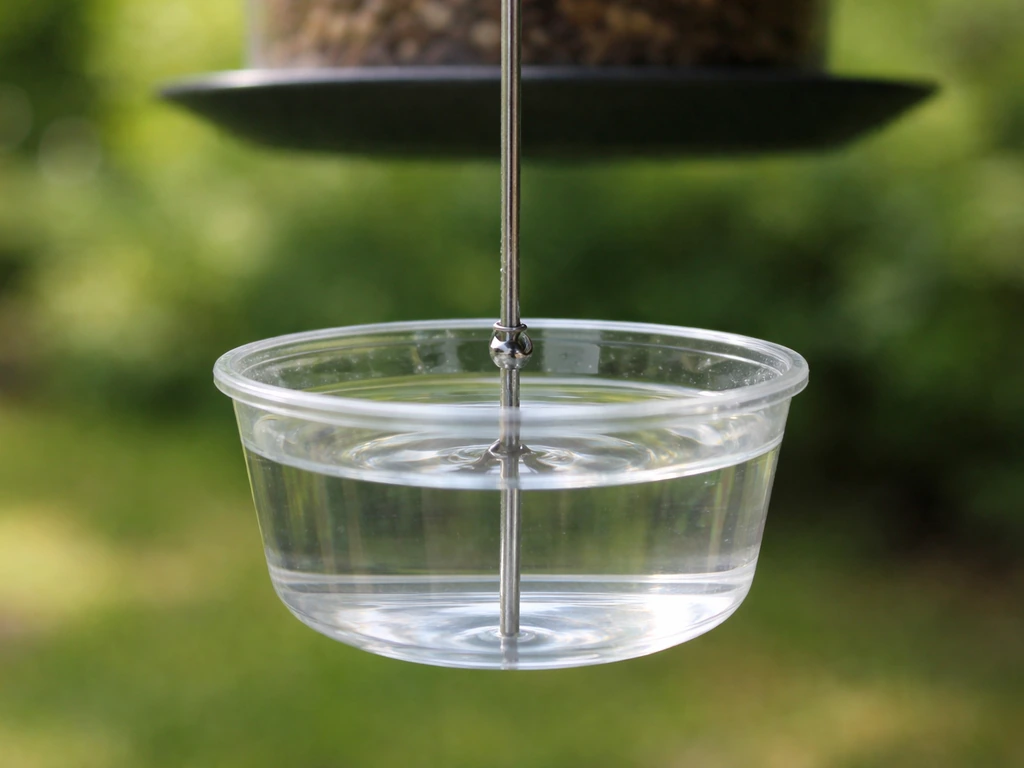
Ants follow the seed oil drips up the hanging wire. The fix is an ant moat, which is a small cup of water that the wire or cord passes through, creating a barrier ants cannot cross. You can make one from a bottle cap or small plastic container with a hole poked through the center. Fill it with water and hang it above the feeder on the wire. Check and refill the moat after rain washes it out.
Finches not showing up
If you have had the feeder out for more than a week and no finches are visiting, run through this checklist before assuming the location is wrong.
- Check the seed: nyjer seed that has been sitting on a store shelf too long loses its oil content and finches will ignore it. Try pinching a seed between your fingers. Fresh nyjer leaves an oily residue. Old seed does not. Replace with a fresh bag from a high-turnover store.
- Check for blockages: make sure every port is clear and seed actually flows when you tilt the feeder.
- Check the location: if the feeder is fully exposed with no nearby perching spots, try moving it within 15 feet of a shrub or small tree.
- Give it more time: in early summer, finches are often still in nesting mode and less actively foraging at feeders. Late summer through fall tends to be peak activity at finch feeders.
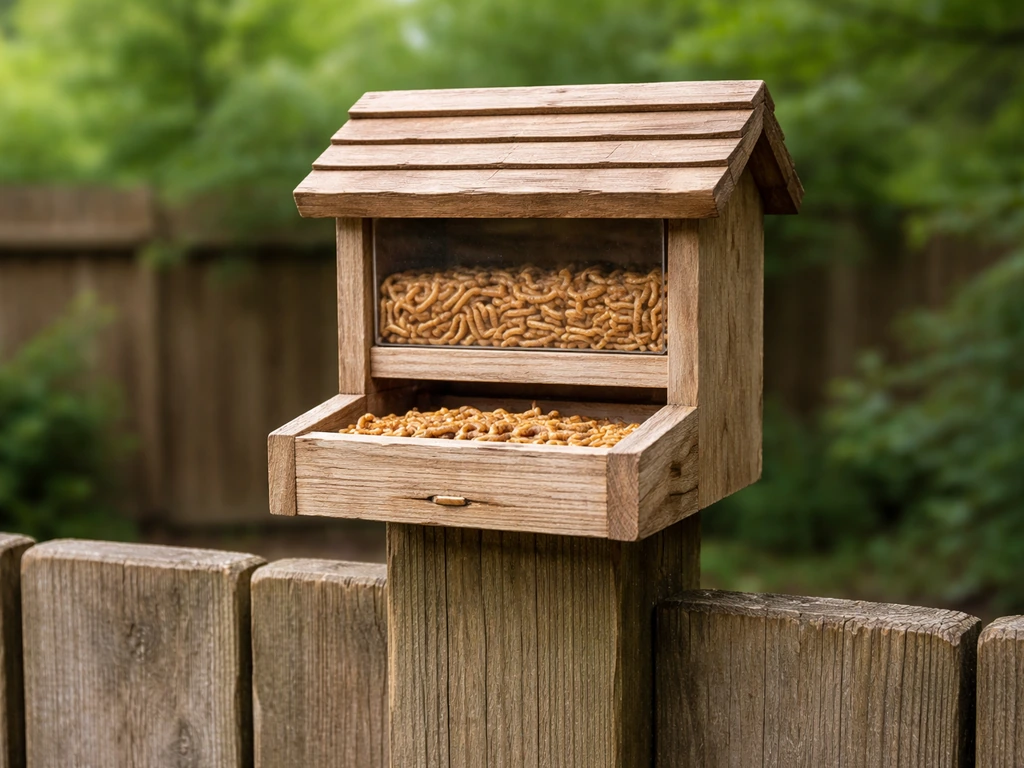
Once you have the core feeder working reliably, you can start experimenting with variations. A sunflower-seed-only feeder nearby will attract a slightly different mix of finch species, and if you enjoy building, a mealworm feeder in the same yard will pull in bluebirds and wrens alongside your finch regulars. The finch feeder itself is one of the easiest starting points in backyard birding, and once you get your first goldfinch on it, you will probably find yourself sketching out the next build before the week is out. If you want a different feeder concept than a basic finch option, you can sketch a related project like how to make a mealworm bird feeder next build.
FAQ
Can I use nyjer seed in any homemade finch feeder design?
Yes, but only if you match the feeding style. Finches need seed to dispense through small openings, not pour from a wide opening. If your homemade feeder uses a bottle or tray, convert it into multiple small ports (for example, by adding a port insert or drilling very small holes) so nyjer and fine sunflower chips can feed without spilling.
What should I do if it rains a lot where I live?
It can, and it often increases mold and clogging. If you do not have a way to keep the seed dry, use a lower fill level and more frequent refills, or switch to an option designed to shed rain (for example, a sloped cover over the ports). The key is dry ports, not just a covered overall feeder.
How do I stop larger birds from taking over my finch feeder?
For a first build, start with small ports and no extra perches. If you add perches, keep them very short (about 2 inches as a target) because longer perches let larger birds manage the feeder and can also encourage seed spillage that attracts unwanted species.
My feeder has finches visiting, but they are not eating. Why?
Usually, the issue is either seed choice or wet-seed clogs. If finches are landing but not feeding, inspect the ports for blockage after rain, then clear them (toothpick or thin wire) and replace the seed that has collected at the bottom, since moisture settles there first.
How often should I clean it during humid summers?
Clean the feeder more often than you would in dry weather. In humid conditions, empty and rinse every 7 to 10 days (or sooner if you see clumping), and fully air-dry before refilling, because dampness wicks into the fresh seed quickly.
Do drainage holes always prevent soggy seed in DIY feeders?
Avoid fully sealing the bottom. Even if you add drainage holes, trapped water can still pool if the feeder is level or if holes get clogged by seed husks. Tilt slightly so water runs toward the holes, and check after the first rain to confirm flow through each hole.
What height is best if I have cats or I need to use a stepladder less?
Do not put the feeder too high or too low based on your comfort, pick height for predation and maintenance balance. A practical target is 4 to 6 feet, and if you must mount higher, plan for easier inspection access so you do not skip maintenance when ports clog.
I have no finches yet. What should I check first before changing everything?
If you see no finches after a short trial, recheck glass safety and seed readiness. Remove any seed that has gotten wet, confirm port sizes are dispensing fine seeds, and verify window distance, because an unsafe window location can reduce visits even if food is correct.
How do I know if my seed type is causing clogs or spoilage?
Some seeds behave like “clog alarms.” Sunflower chips can spoil faster because they have no shell, so if you notice sticky clumps or ports repeatedly blocking, reduce the fill amount, switch to nyjer as the base, and shorten the refill cycle.
How can I reduce ants without constantly battling them?
Use wire in an ant moat (small cup of water) and keep it filled after storms. Also wipe away seed oil residue from the support points occasionally, since ants will follow oily residue trails even if the moat barrier is present.
Can I squirrel-proof a finch feeder without buying special equipment?
Yes, but choose the safe feeding setup. If you want to deter squirrels, increase vertical and horizontal separation from jump points, then add a baffle above or around the mount. A baffle works best when combined with good placement, not as a standalone fix.
How long should I leave the feeder out before deciding it failed?
Finches usually need time for “site learning,” especially when a new feeder is different from what birds previously used. Keep seed consistent for at least several days, avoid sudden seed swaps during that period, and only change two variables at a time (seed type or port size), otherwise you cannot tell what helped.