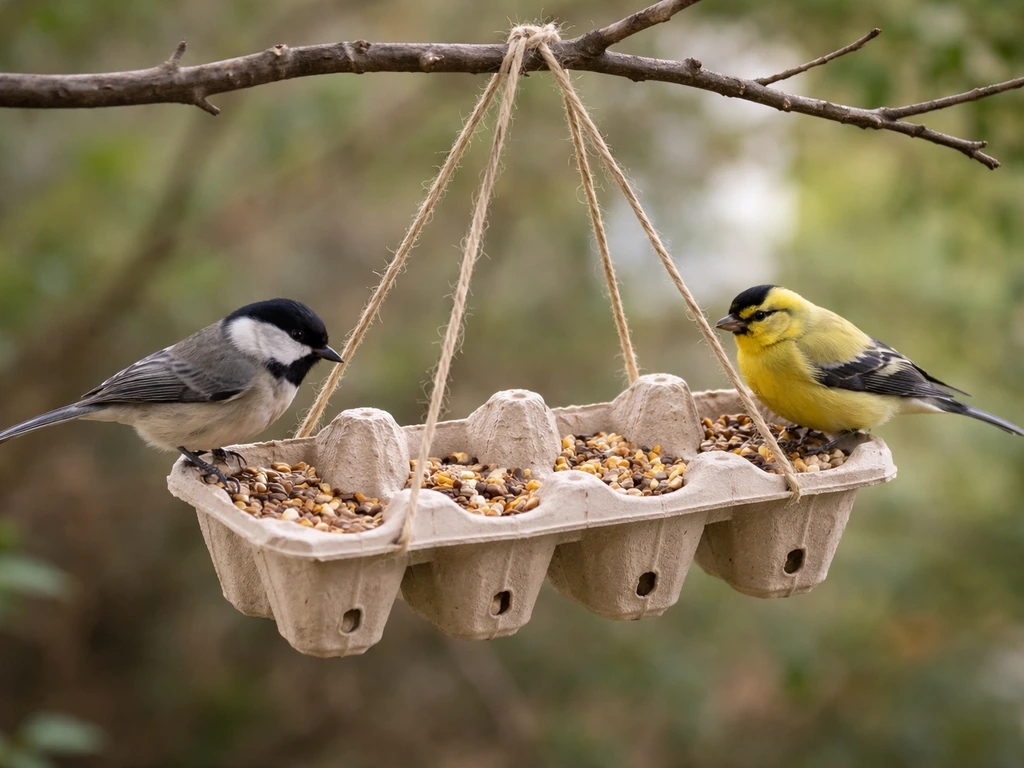
An egg carton makes a surprisingly effective bird feeder, especially if you use a paperboard carton, poke a few drainage holes in the bottom of each cup, fill it with black-oil sunflower seeds, and hang it from a sheltered spot about 5 feet off the ground. It won't last forever, but it will attract birds reliably for days to a couple of weeks, costs nothing to build, and takes about 10 minutes to set up.
How to Make a Bird Feeder Out of an Egg Carton
Marcus Brennan
27 May 2026
Choosing the right egg carton style and bird-friendly setup
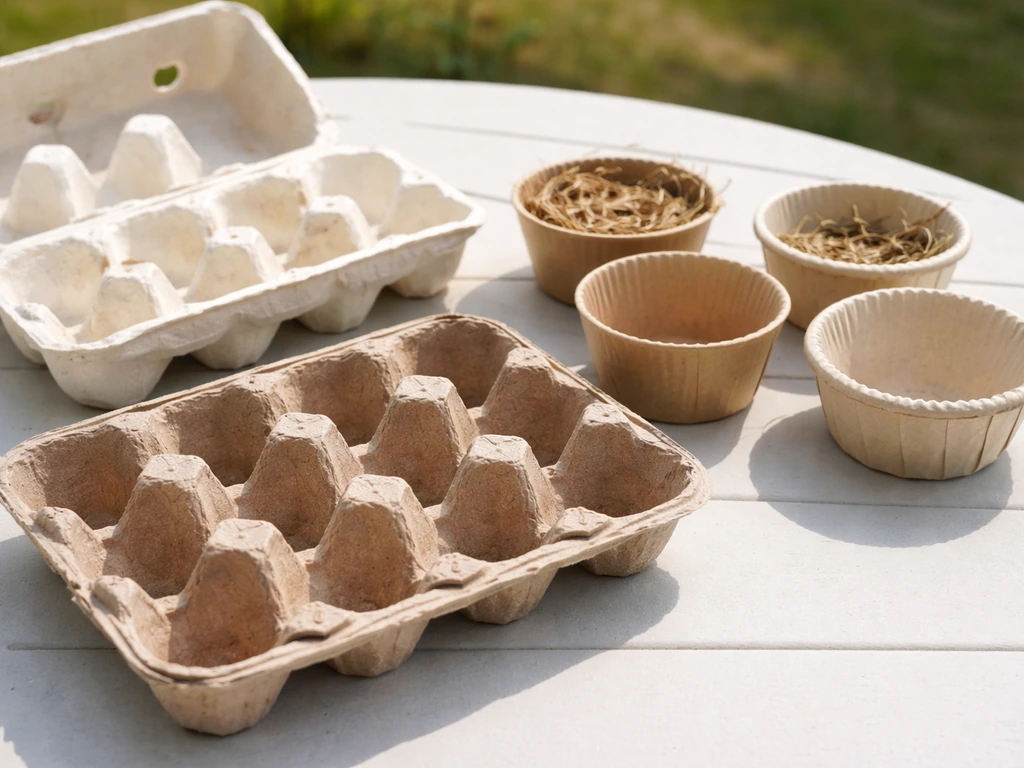
Not every egg carton works equally well. The most common type, plain paperboard (the grey or brown pulp kind), is your best starting point. It absorbs moisture, which can be a problem in wet weather, but it's completely biodegradable and has no coatings that could harm birds. Waxed or plastic-coated cartons are trickier. Some sellers market coated cartons as 'clean' or recyclable, but any wax or coating can leach when wet and may not be safe for birds to peck at directly. Stick with plain, uncoated paperboard for peace of mind.
Foam (polystyrene) egg cartons are a firm no. Birds may peck at and swallow small pieces of foam, which is dangerous. Even setting safety aside, foam doesn't hold seeds well and can't be hung cleanly.
As for the size: a standard 12-egg carton gives you 12 individual seed cups, which is great for a tray-style setup. A half-dozen carton works fine for smaller gardens or balconies. You can even cut a 12-egg carton in half and use both halves separately as two feeders. The individual cups are the key feature here. Each one holds a small amount of seed or food, which limits mess and makes refilling easy.
Materials and tools you'll need (plus safer alternatives)
This build really is a zero-cost project if you keep a few things on hand. Here's everything you need:
- 1 plain paperboard egg carton (12-count or 6-count)
- A sharp pencil, skewer, or small nail for poking drainage holes
- Strong twine, jute string, or paracord for hanging (at least 24 inches)
- A hole punch or scissors
- Bird seed (black-oil sunflower seed is the top recommendation)
- Optional: peanut butter (xylitol-free, unsalted), unsalted plain suet, or a seed-and-suet mix
A few safety notes on materials: if you use peanut butter, it must be plain, unsalted, and absolutely free of xylitol, which is toxic to birds. Never add salt to any bird food. Salt is harmful to birds and should never be included in any feeder setup. For hanging cord, avoid anything too thin that could cut into the carton or snap under weight. Jute twine or paracord works well and holds up better than household string in light rain.
If you want a longer-lasting alternative to the egg carton itself, a shallow wooden tray feeder or a repurposed shoebox with a plastic liner can extend your setup through more weather. But for a quick, effective, and disposable build, the egg carton is hard to beat.
Step-by-step: make the feeder from an egg carton
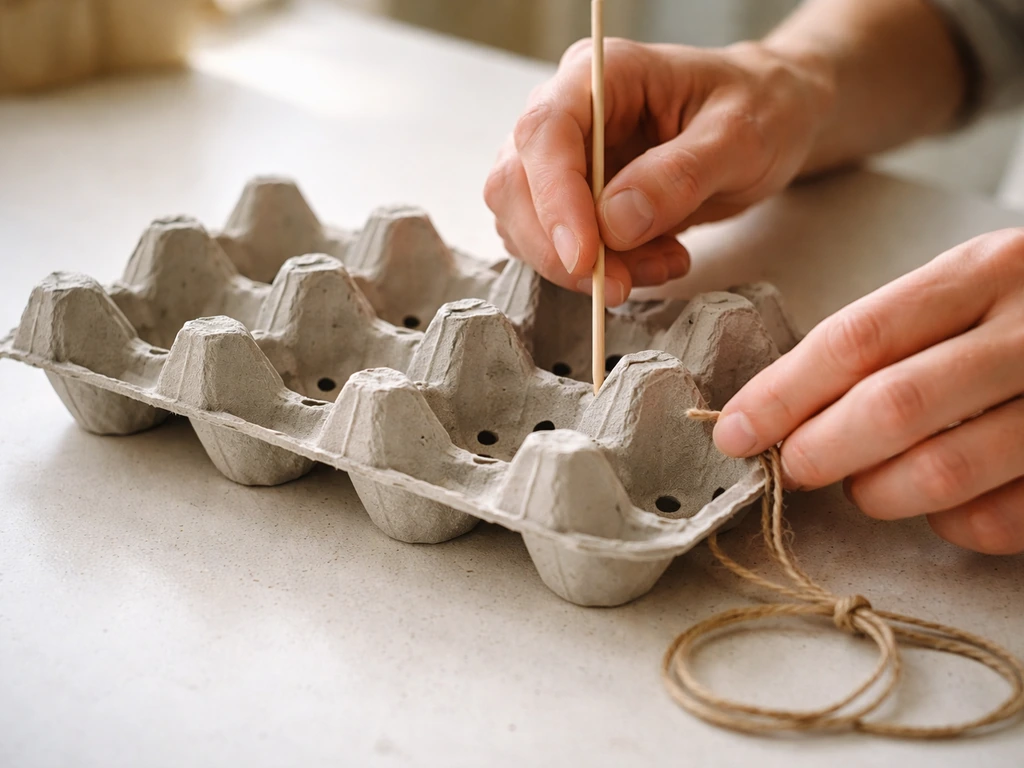
Total time: about 10 to 15 minutes. No glue or special tools needed.
- Open the egg carton flat and inspect it. Discard any with mold, grease stains, or cracked sections. A clean, dry carton is what you want.
- Poke 2 to 3 small drainage holes in the bottom of each egg cup using a skewer, pencil, or small nail. This is the most important step. Without drainage, rain or morning dew will pool in the cups, wet the seed, and cause mold within a day or two.
- Punch or cut two holes near the top corners of the carton lid (or along the long edges if you're using a lidless half-carton). These are your hanging points. Make them large enough to thread your twine through easily.
- Thread your twine through both holes and tie secure knots on the inside of the carton so the cord doesn't pull through. Leave enough cord above the carton to tie a loop for hanging. Aim for at least 8 to 10 inches of hanging cord above the carton.
- If you plan to keep the lid attached, fold it back flat against the base and tie or tape it in place so it doesn't flap in the wind and spill the seed.
- Fill each egg cup about two-thirds full with your chosen food. Don't overfill. A small amount per cup is easier for birds to access and reduces waste on the ground below.
- Hang the feeder before the food, not after, especially if you're placing it high up. It's easier to maneuver an empty carton and then fill the cups once it's in position.
That's genuinely all there is to the build. The drainage holes are the only step people tend to skip, and they're also the reason most egg-carton feeders fail after the first rain. Don't skip them.
Hanging, placement, and water/food handling tips
Where you hang this feeder matters more than most people expect. The sweet spot for height is around 5 feet off the ground. That's high enough to deter ground-level predators like cats but low enough for you to refill easily without a ladder. From there, think about distance from structures: keep the feeder at least 7 feet from fences, decks, or railings that squirrels can leap from, and at least 9 feet from any overhanging branch. This is sometimes called the 5-7-9 rule, and it genuinely does reduce squirrel visits.
For window safety, place your feeder either within 3 feet of a window or more than 30 feet away. Feeders at mid-range distances (say, 10 to 20 feet from a window) are where birds build up enough flight speed to cause fatal window strikes. Placing the feeder close to the glass actually reduces momentum if a bird startles, so a window-mounted or close-hung carton can be a smart option.
Shelter is also important. Hanging the carton near a shrub or tree gives birds a quick escape route if they sense a predator. Birds are much more likely to use a feeder consistently if they can dart to cover within a few feet. That said, don't hang it so deep in a bush that you can't see or reach it easily.
Rain is the egg carton's biggest enemy. Try to place it under a roof overhang, a tree canopy, or a large umbrella if you have one. Even partial shelter dramatically extends the life of the carton and keeps your seed dry. If you live somewhere rainy, plan to replace the carton every few days rather than every week or two.
Filling choices (seeds, suet, peanut butter) and how to avoid mess
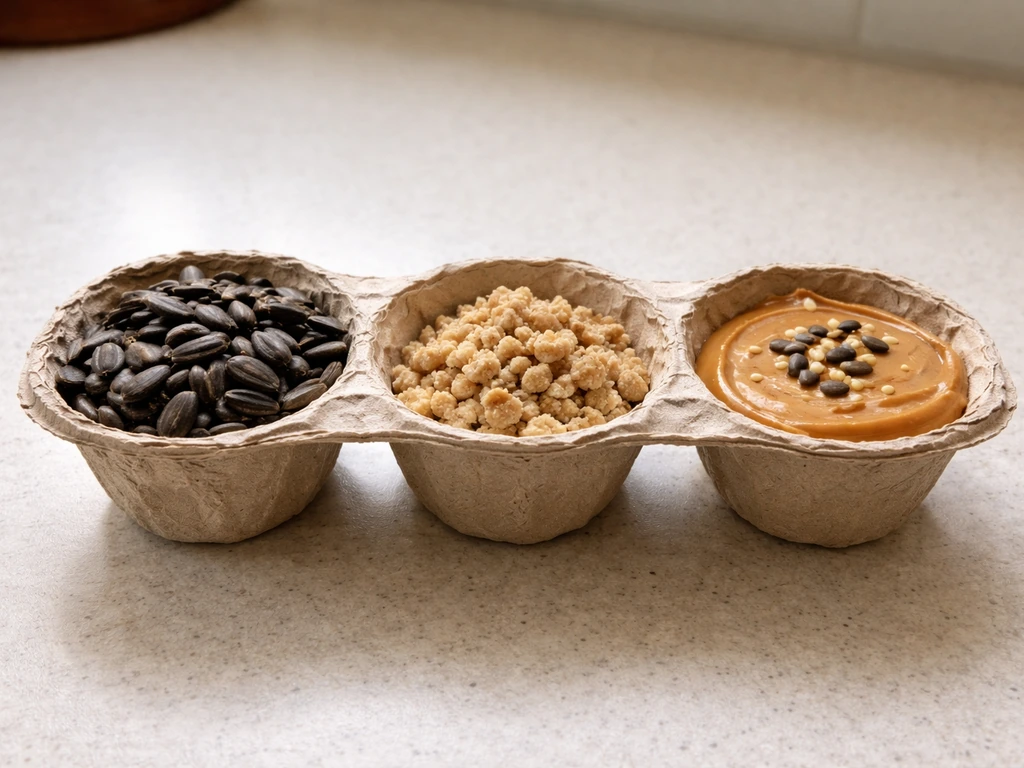
Black-oil sunflower seed is the single best all-around choice for an egg-carton feeder. It attracts the widest variety of backyard birds, the thin shell is easy for small and large birds alike to crack open, and it's energy-dense enough to actually benefit the birds. Fill each cup loosely and you'll have minimal spill and a clean setup. A properly made seed catcher tray can help catch spills and keep the area under your feeder cleaner.
For a peanut-butter-based option, spread a thin layer of plain, unsalted, xylitol-free peanut butter across the bottom of each cup, then press seeds into it. This works well in cooler weather when the peanut butter stays firm. In summer heat, peanut butter gets runny, drips, and can go rancid. It also risks sticking to birds' beaks if applied too thickly, so keep the layer thin.
Suet can work but comes with important caveats. Raw or rendered suet should not be offered when temperatures climb above freezing for extended periods because it turns rancid quickly and can melt onto birds' feathers, which is genuinely harmful. In summer, skip suet entirely or use only commercially prepared no-melt suet cakes. Egg-carton cups aren't really designed for suet cakes, so if suet is your goal, a purpose-built suet cage or a box-style feeder is a better match.
To keep mess to a minimum: don't overfill the cups, avoid sprinkling loose seed on the lid or edges of the carton, and skip cracked corn entirely. Corn is the bird food most commonly contaminated with aflatoxins, a mold toxin harmful to birds. It also attracts pests you probably don't want. Similarly, never use bread, crackers, or human food scraps. Virginia DWR notes that bread is not proper bird nutrition and can lead to health problems, so it recommends avoiding it never use bread, crackers, or human food scraps. Bread fills birds up without providing nutrition and can cause health problems over time.
Weather durability and maintenance (refills, cleaning, replacing)
Be honest with yourself upfront: an egg-carton feeder is a short-term setup. In dry weather with some shelter, a paperboard carton can last one to two weeks before it starts to soften, tear, or mold. In wet or humid conditions, plan for three to five days. That's not a design flaw. It's just what paperboard does. Treat it like a disposable feeder that you rotate out regularly, and it works great.
Check the feeder every day or two. Look into each cup for wet, clumped, or discolored seed. If you see mold growth on seeds or on the carton itself, don't try to pick out the bad seeds and refill. Throw the whole thing out and start fresh. Moldy seed is genuinely harmful to birds and not worth the risk.
Cleaning a paperboard carton isn't really practical since it will fall apart when wet. The maintenance routine here is simply: inspect often, replace regularly, and start each new carton with fresh dry seed. If you want a longer-term feeder you can actually wash and disinfect, a small tray feeder or a platform-style setup made from a more durable material is the better choice.
For any bird feeder you do clean and reuse (if you've moved to a sturdier setup), a 10% bleach solution (1 part bleach to 9 parts water) is the standard cleaning approach. Scrub it out, rinse thoroughly, and let it dry completely before refilling. A damp feeder with fresh seed is a fast way to grow mold.
Pest-proofing and troubleshooting common problems
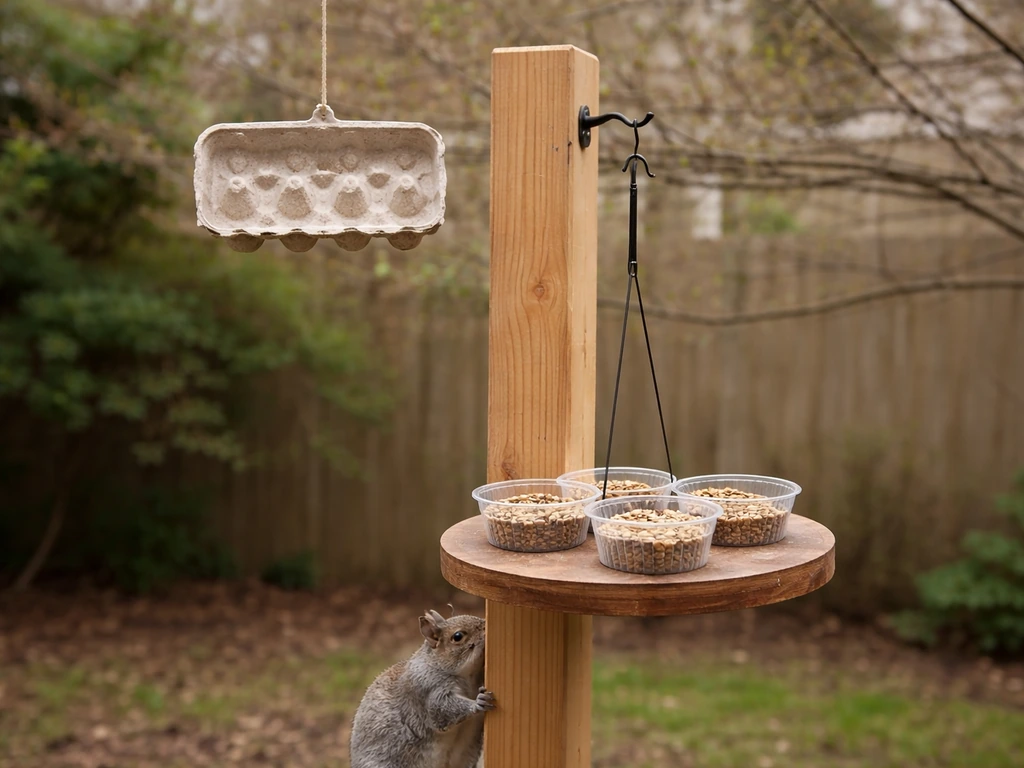
Squirrels and rats getting into the feeder
Squirrels will find a hanging egg carton. It's light, accessible, and full of food. Your best defense is the 5-7-9 placement rule mentioned above: 5 feet high, 7 feet from jump-off structures, 9 feet from overhead branches. If you're hanging it from a pole, adding a squirrel baffle below the feeder is about as close to squirrel-proof as you're going to get. There's no fully squirrel-proof feeder, but a baffled pole setup gets pretty close. Rats are more of a ground-level problem. Avoid letting seed spill and accumulate on the ground below the feeder, and pick up fallen seed regularly.
The feeder got wet or moldy
If the carton is soggy and the seed looks clumped, dark, or smells off, replace it immediately. Don't try to dry it out and reuse it. Wet seed grows mold fast, and mold is genuinely dangerous for birds. Going forward, add more drainage holes to the next carton and try to find a more sheltered hanging spot.
Birds aren't showing up
Give it a few days. Birds need time to discover a new food source, especially if you're starting fresh in a spot with no feeder history. Make sure you're using black-oil sunflower seed, which has the broadest appeal. Check that the feeder is visible from the sky (not buried under dense foliage) but close to some natural cover. If birds are in the area but not visiting after a week, try moving the feeder a few feet, changing the seed, or adding a birdbath nearby, which can attract birds to the general area before they notice the feeder.
Food clumping or not sticking in the cups
Loose seed in individual cups doesn't need to stick, it just sits there and birds pick from it. If you're doing a peanut-butter-and-seed setup and the peanut butter isn't holding the seeds, the peanut butter may be too warm or too thin. Chill the carton briefly in a cool spot before hanging, or switch to dry seed only if the temperature is above 70°F. Clumping is almost always a moisture problem. More drainage holes and better shelter from rain will fix it.
When to move on to a more durable feeder
An egg-carton feeder is a great starter project and a fun way to get birds visiting quickly, but if you're replacing cartons every few days and want something more permanent, it might be time to step up to a cardboard box feeder with a reinforced base, a shoebox-style build, or a proper tray feeder that you can wash and refill season after season.
If you want a longer-lasting upgrade, learn how to make a bird feeder box with a reinforced base cardboard box feeder. If you want something longer-lasting than an egg carton, learn how to make a tray bird feeder and keep it clean for repeat seasons. If you want a sturdier option, here is how to make a cardboard bird feeder you can keep refilling season after season cardboard box feeder.
The egg carton gets you started fast, and that first successful bird visit usually makes the upgrade feel worthwhile.
FAQ
Can I use an egg carton feeder with a mix of seeds, or should I stick to black-oil sunflower?
You can mix seeds, but start simple with black-oil sunflower because it attracts the broadest variety and has a consistent shell size for easy feeding. If you add smaller seeds, expect more waste because they fall through or get spilled, and mixed piles often spoil faster once they get damp. If you switch, keep the cups loosely filled and monitor for clumping or mold after the first rain.
How many drainage holes should I add, and how do I know the seed cups are draining well?
Use at least one hole per cup, then check drainage by tipping the filled carton over a sink or bin and watching how quickly loose seed and any moisture clear out. If you see water pooling at the bottom after a few minutes, add one or two more holes per cup. Better drainage reduces clumping and extends how long the carton stays usable in humid weather.
What’s the best way to prevent clumping if it’s humid but not raining?
Reduce how much seed you put in each cup, keep it loosely packed rather than pressed tight, and choose a more sheltered hanging spot under foliage or a roof overhang. If your area stays muggy overnight, swap the carton more often, since moisture buildup can happen even without visible rain. Also inspect the cups daily or every other day to catch early mold discoloration.
Is it safe to hang the feeder in the rain if I’m replacing the carton every few days?
It will work, but direct rain shortens the feeding window and increases the chance of moldy seeds before you can replace it. If you must place it outdoors, aim for partial shelter (umbrella-style coverage or under a branch canopy) so the seed stays dry most of the time. If the carton looks soggy, replace immediately rather than trying to dry it out.
How can I keep ants and other insects out of the feeder?
Ants often find the feeder through spilled seeds, so don’t overfill cups and avoid dropping loose seed on the lid or rim. Consider placing the feeder where there’s less direct ground access, since ants increase as seed accumulates below. If you see a consistent insect trail, switch to a drier seed load and move the feeder slightly away from ant highways like fences or walls.
Will this feeder attract only small birds, or can larger birds use it too?
Black-oil sunflower supports both small and larger birds, but larger birds may need slightly more access, meaning you should hang the carton at a comfortable reach height and avoid bunching it into dense foliage. If you notice only tiny birds taking everything, you can try half-to-one cup rotation by refilling selectively rather than topping up all cups at once.
What should I do if birds start visiting but then stop after a week?
First check the cups for wet, discolored, or clumped seed, and remove the carton if you find mold. If the seed looks fine, the birds may have simply shifted to another food source, so try moving the feeder a few feet and keeping the same seed for at least another few days. Adding a nearby water source like a shallow birdbath can also improve the likelihood they notice the feeder again.
Can I refrigerate or store a seed-filled carton temporarily before hanging it?
Don’t keep a carton filled and sitting long-term, especially if it can absorb ambient moisture. If you’re using the peanut-butter method, chill the carton briefly so the layer stays firm before you hang it, then place it soon after. For best freshness, start each feeder with dry seed and avoid storing the carton outdoors or in a humid area.
How do I handle the peanut-butter option when temperatures get warm?
In hot weather, peanut butter often turns runny, drips, and can smear onto birds’ beaks if the layer is too thick. Use a very thin layer only if the mixture stays firm, and consider switching to dry black-oil sunflower only once temperatures reliably stay above about 70°F. If you see dripping or sticky buildup, discard that carton rather than reusing it.
Are there any birds I should avoid feeding with this, or any foods that commonly cause problems?
Avoid bread, crackers, and human scraps since they don’t provide balanced nutrition and can cause health issues over time. Also skip cracked corn, it’s prone to mold toxins and tends to attract more pests. If you use peanut butter, ensure it is plain, unsalted, and strictly xylitol-free, since xylitol is toxic to birds.
Do I need to rinse and disinfect the carton before refilling the same egg carton?
With paperboard egg cartons, cleaning isn’t really practical because the material softens and breaks down when wet. Treat each carton as disposable, and start new ones with fresh dry seed. For reusable feeders made from washable materials, a 10% bleach rinse and thorough drying is appropriate, but that approach does not translate well to egg cartons.