Making a grape jelly bird feeder is genuinely simple: fill a small shallow dish, jar lid, or repurposed cup with grape jelly, mount it where orioles and other fruit-eating birds can find it, and keep it clean every few days. That's the core of it. The rest of this guide helps you build something that holds jelly without spilling, stays cleaner longer, keeps pests out, and actually gets birds using it reliably. If you want a sweeter, sugar-water style feeder instead, use a recipe designed for birds and take extra care with cleanliness and ratios sugar bird feeder.
How to Make a Grape Jelly Bird Feeder Step by Step
Marcus Brennan
9 Jun 2026
Which birds grape jelly actually attracts (and what to avoid feeding)
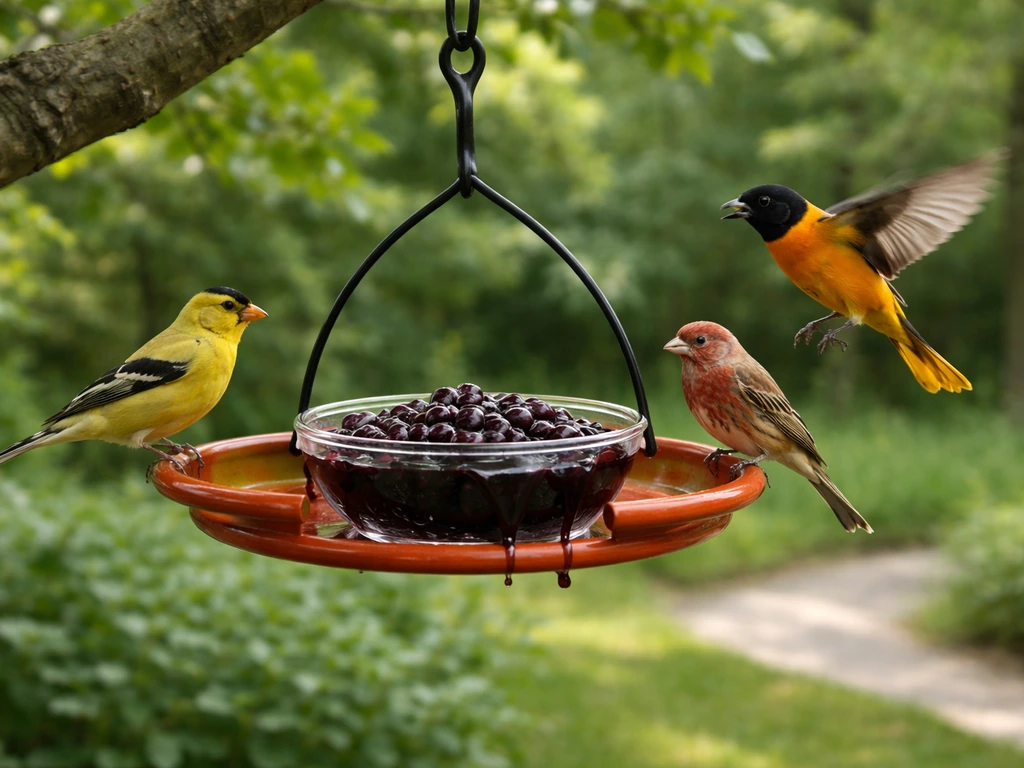
Baltimore orioles are the number-one target for grape jelly feeders, and they go after it enthusiastically when they first arrive in spring after migration. They're refueling after a long flight, so they'll hit jelly hard in April and May. Orchard orioles are also regulars. Beyond orioles, you can pull in catbirds, thrashers, robins, bluebirds, tanagers, woodpeckers, and occasionally mockingbirds, jays, and grackles. What shows up depends heavily on your region and what's migrating through, so don't expect the same results a birder in Florida gets if you're in Minnesota.
Use regular Concord grape jelly, the standard supermarket kind. Avoid anything labeled sugar-free. Sugar-free products often contain xylitol, which is toxic to animals, and even if a product doesn't list xylitol specifically, there's no benefit to substituting sweeteners for birds. Stick to the classic stuff. Also offer a nearby water source when possible: orioles in particular like to dunk food and rinse their beaks.
What you'll need before you build
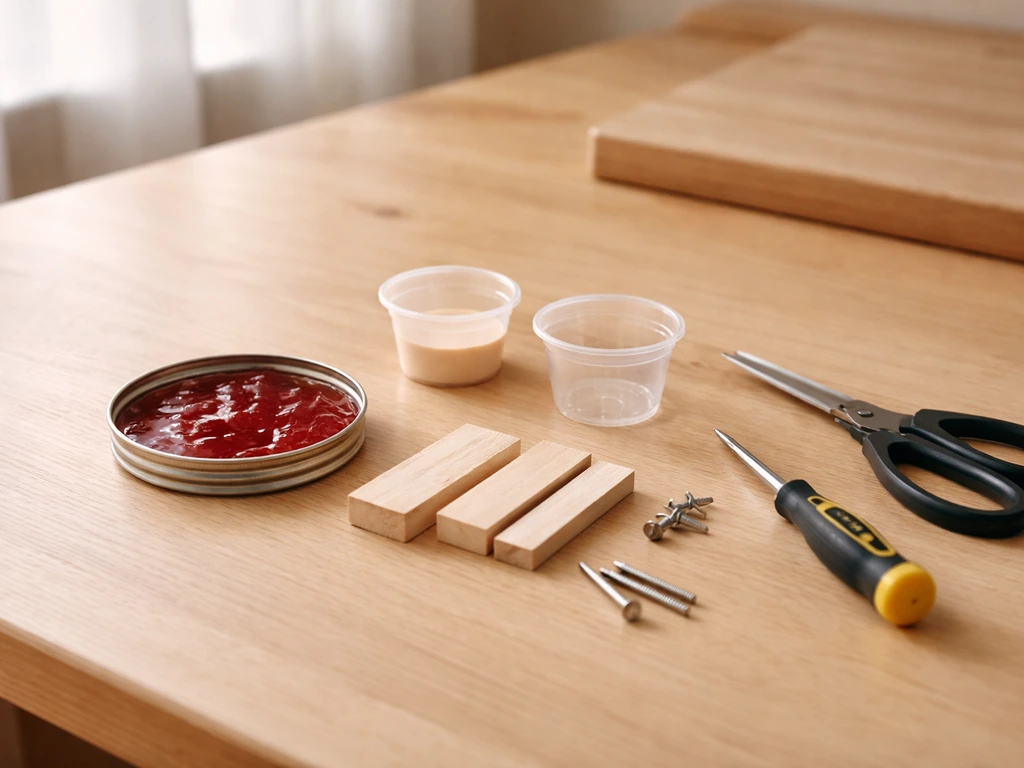
You don't need specialty hardware for this. Almost everything on this list is either already in your kitchen or costs under a couple of dollars. Here's what to gather:
- A shallow container for holding jelly: a jar lid, a small plastic cup, a condiment cup, a recycled deli container, or a wide-mouth mason jar (for an inverted-style build)
- A mounting base or platform: a scrap of plywood, a thick tree branch slice, a small wooden board (around 6x6 inches works), or a plastic plate
- Grape jelly (regular Concord, not sugar-free)
- Sturdy wire, twine, zip ties, or a short length of chain for hanging
- A drill or a sharp nail and hammer (to make a hanging hole)
- Wood screws or waterproof adhesive (if attaching a cup to a board)
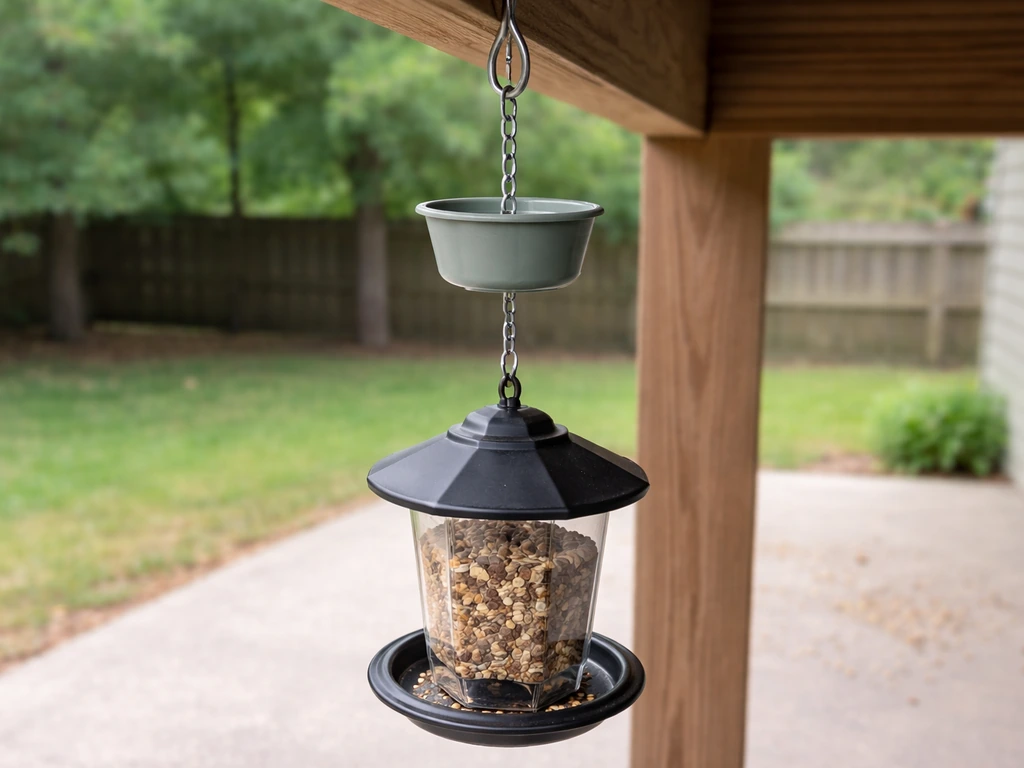
- Optional: a metal ant moat (small cup that holds water, placed above the feeder on the hanging line)
- Optional: a squirrel baffle if mounting on a pole
If you want to try the inverted-jar style, you'll also need a wide-mouth mason jar with a lid, a drill bit that fits the jar lid, and a small bolt or hook to suspend it. That format keeps jelly fresher and more covered, which matters in hot weather.
How to build your grape jelly feeder (three formats)
Pick the format that matches what you have on hand. All three work. The tray is the fastest to assemble, the cup-on-board is the most stable, and the inverted jar keeps jelly freshest in summer heat. To learn the specifics for making a macrame bird feeder, check out our step-by-step guide.
Format 1: The tray or lid feeder (5 minutes, zero tools)
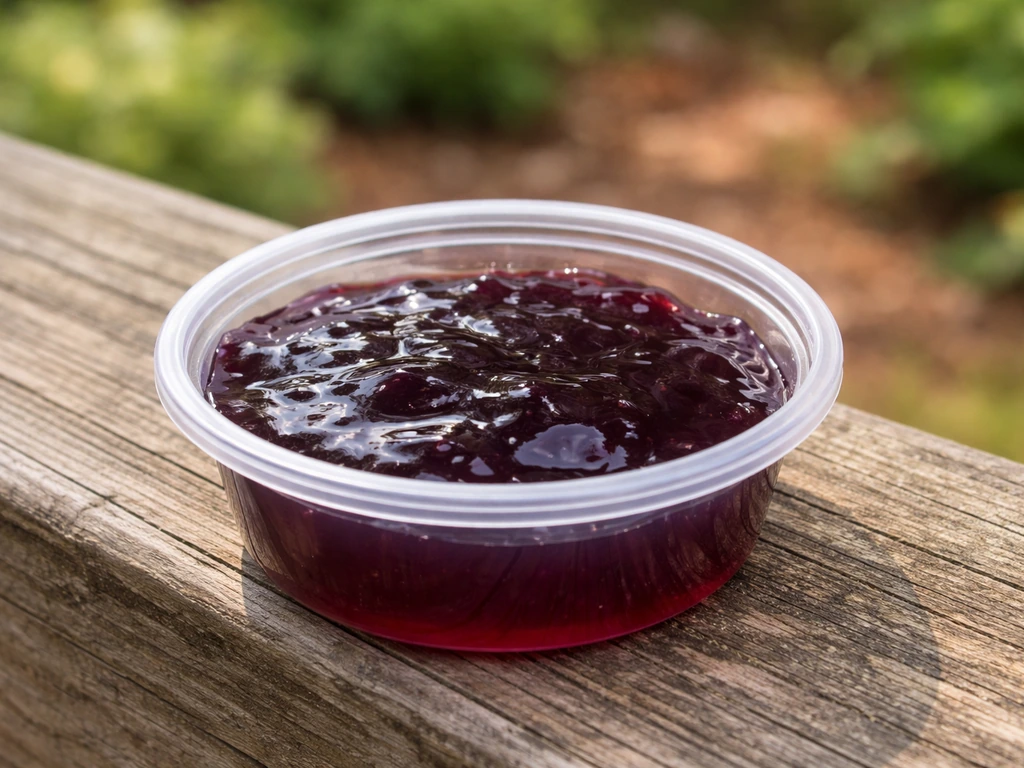
- Take a shallow lid, small plastic plate, or condiment cup and fill it about halfway with grape jelly.
- Set it on a flat surface like a deck railing, fence post, or tree stump. Or drill a small hole through the lip of the container, thread wire or twine through it, and hang it from a branch or hook.
- That's it. This is your proof-of-concept feeder. It works, birds will find it, and it costs nothing.
The downside: it's fully exposed to rain, wind, and bugs. Use this format to test whether birds in your yard are interested, then upgrade to one of the builds below.
Format 2: Cup-on-board feeder (15 to 20 minutes)
- Cut or find a piece of wood roughly 6 inches square. Plywood scraps, a cutting board offcut, or a thick tree branch slice all work.
- Center a small plastic cup or condiment cup on the board and mark its position. Drill two small holes through the board, thread zip ties or wire through them, and loop through the bottom of the cup to hold it in place. Alternatively, use a dab of waterproof adhesive to bond the cup to the board.
- Drill a hole in each corner of the board (or two holes at the top if you want it to hang flat against a wall or post).
- Thread wire or chain through the corner holes and gather them to a central hanging point, like a large ring or a knotted loop of wire.
- Fill the cup about halfway with grape jelly and hang the feeder from a branch, shepherd's hook, or pole.
- Optional: attach a short wooden perch (a dowel or stick) near the cup so birds have somewhere to land before they access the jelly.
Format 3: Inverted-jar feeder (30 minutes, keeps jelly cleanest)
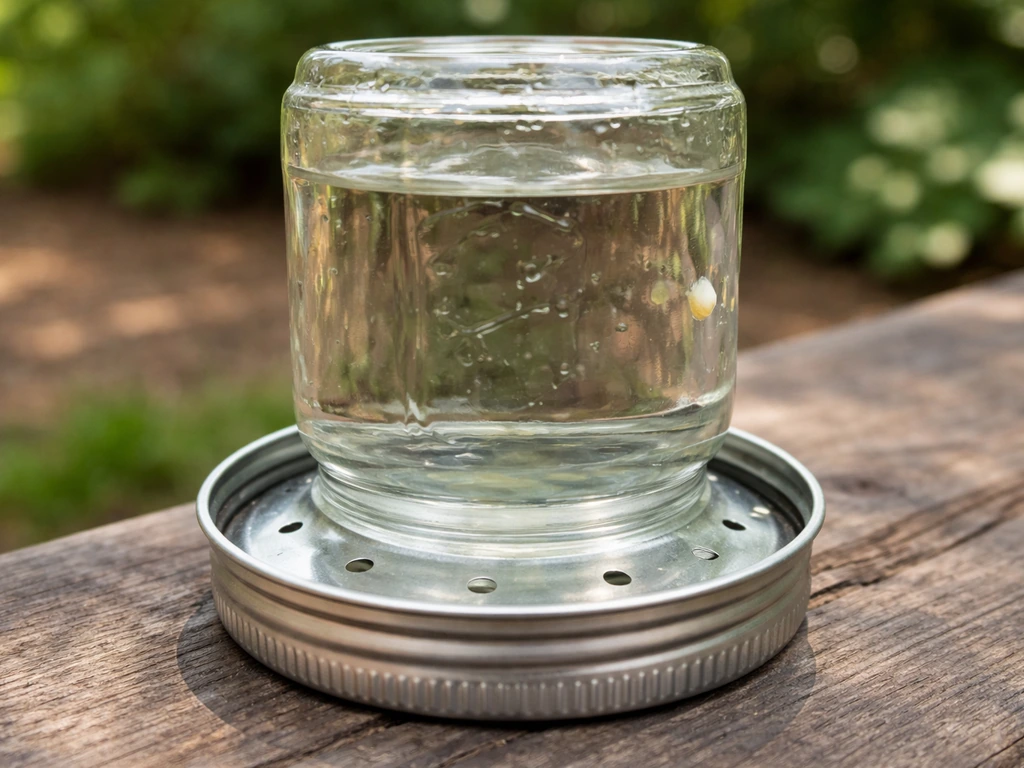
This format is inspired by commercial oriole jelly feeders like the inverted-jar designs you'll see at garden stores. Jelly gravity-feeds down into a small tray while the jar keeps the bulk of it covered, which slows spoiling and reduces bug exposure. To get more specific, you can also follow the steps for building an inverted-jar style magic halo that keeps jelly covered and helps reduce mess inverted jar.
- Use a wide-mouth mason jar and its metal lid. Drill or punch a hole in the center of the lid, roughly 1/2 inch in diameter.
- Fill the jar about two-thirds full with grape jelly, then screw the lid on tightly.
- Flip the jar upside down over a small shallow tray or a second lid that's slightly wider than the jar mouth. The jelly will slowly flow down into the tray through the hole, creating a self-replenishing shallow pool.
- Drill a small hole through the base (now the top) of the jar and thread a wire hook or bolt through it to create a hanging point.
- Hang from a shepherd's hook, tree branch, or pole. Check after an hour to make sure jelly flows into the tray without spilling over the edges. Adjust the tray size if needed.
- Optional: drill 2 to 4 small additional feeding holes around the side of the lid near the jar mouth so multiple birds can feed at once.
Where and how to hang it for the best results
Height matters more than most people realize. Hang the feeder at roughly 4 to 6 feet off the ground if it's on a pole, or 5 to 8 feet if it's hanging from a branch or hook. Orioles prefer to feed in the open and will approach a feeder that has clear sightlines around it. They're wary birds, so don't tuck the feeder deep into dense shrubs.
Partial shade is the sweet spot for placement. Full sun will cause jelly to dry out, ferment, or mold faster. Perky-Pet specifically calls out strong sun as a spoilage accelerator, so aim for a spot that gets morning sun and afternoon shade. East-facing positions work well. Avoid placing the feeder directly over a patio or deck where jelly drips will be a problem.
If you're in bear country, the rules are stricter. Suspend the feeder from a free-hanging wire with the bottom of the feeder at least 8 feet off the ground, and bring it in at night. Some state wildlife agencies, including New Jersey's, recommend only feeding birds during daylight hours between December 1 and April 1 when bears are least active. If bears are a real concern where you live, check your state wildlife agency's current guidance.
For squirrel defense, placement is everything. Keep the feeder at least 8 to 10 feet away from any fence, tree trunk, roof edge, or surface a squirrel could launch from. A pole-mounted baffle set between 4 and 4.5 feet high on the pole is one of the most effective physical barriers you can add. Audubon notes that this combination gets you pretty close to squirrel-proof, as long as the clearance distances are actually maintained.
Keeping pests out and mess under control
Ants
Ants are your biggest ongoing headache with jelly feeders. The single most effective fix is an ant moat: a small cup-shaped barrier that hangs above the feeder on the wire or chain, filled with water. Ants can't swim across it, so they can't reach the jelly. You can buy these for a couple of dollars, or make one from a bottle cap or small plastic cup with a hole punched through the center. Keep the moat filled with water, especially during dry spells when it evaporates faster.
Mold and spoiled jelly
In warm weather, grape jelly can go bad within a few days, especially in full sun. Moldy or fermented jelly can make birds sick, so this is worth taking seriously. The fixes are: use partial shade placement, put out smaller amounts of jelly (refill more often rather than piling it on), and keep to a strict cleaning schedule. If you see white fuzz, discoloration, or the jelly smells off, dump and clean before refilling.
Squirrels
Squirrels will eat grape jelly if they find it, but they're more interested in seeds. Still, a squirrel that discovers your jelly feeder will knock it down or flip it trying to get access. A pole-mounted baffle (the tipping or dome style) plus the 8 to 10 foot clearance rule handles most situations. Lee Valley's tipping-style baffles work by destabilizing when a squirrel grips them, making climbing nearly impossible.
Bears
If you live in bear habitat, a sugary open feeder is basically an invitation. The height rule (8 feet minimum, free-hanging wire) helps, but the most reliable approach in active bear seasons is to bring the feeder in after dusk and put it back out at dawn. Using a spill pan under the feeder also helps by reducing jelly that drips to the ground, which is often what first attracts bears.
Cleaning and refilling: the routine that keeps birds coming back
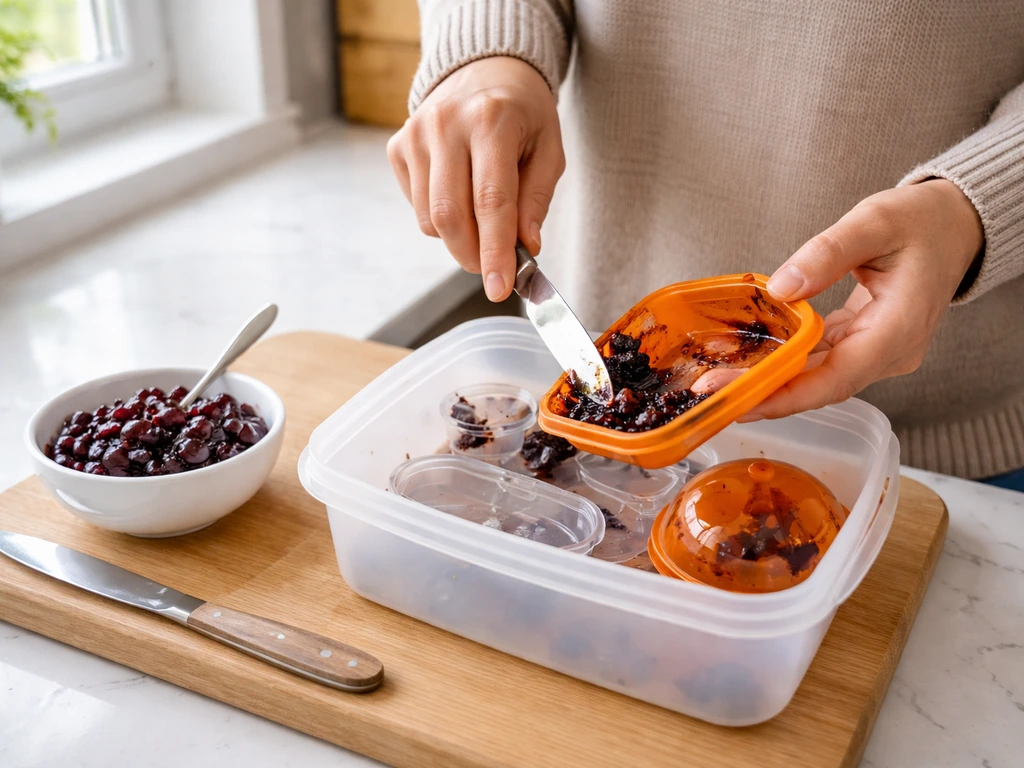
Clean your grape jelly feeder every 2 to 5 days, depending on the weather. In cooler spring temperatures (under 65°F or so), you can stretch to 5 days. Once it's consistently warm or hot outside, clean every 2 to 3 days. Virginia DWR and Perky-Pet both land on this same cadence, and it's the right call: stale jelly is a health risk for birds and a deterrent, not just an aesthetic issue.
The cleaning process is straightforward. Remove any old jelly, then soak the feeder parts in warm, soapy water for a few minutes. Scrub with a bottle brush or old toothbrush to get into corners and crevices. Rinse thoroughly to remove all soap residue, because soap traces can be harmful to birds. For a deeper disinfecting clean once a week or so, use a 10% bleach solution (one part bleach to nine parts water), soak briefly, then rinse extremely well and let the feeder air dry completely before refilling. Do not put DIY feeders in the dishwasher, especially if you've used any adhesives, wire, or mixed materials.
When you refill, only put in as much jelly as birds will consume in 2 to 3 days. Smaller, more frequent refills mean fresher jelly and less waste. A tablespoon or two is plenty to start. As bird traffic increases, you'll get a feel for the right amount.
| Temperature Range | Cleaning Frequency | Refill Amount |
|---|---|---|
| Below 65°F (cool spring) | Every 4 to 5 days | 1 to 2 tablespoons |
| 65 to 80°F (warm) | Every 3 days | 1 tablespoon |
| Above 80°F (hot summer) | Every 2 days | 1 tablespoon or less |
Troubleshooting: when things aren't working
No birds are visiting
This is the most common frustration, and it's almost always a timing or visibility issue. Orioles and other jelly-eating birds are migratory, so if it's outside their arrival window for your region, you simply won't see them yet. In most of the U.S., Baltimore orioles arrive between late April and late May. If you put the feeder out in June, activity may already be tapering as birds settle into nesting and eat more insects. Check eBird or a local birding group to confirm whether the species you're targeting has been spotted in your area recently. Also make sure the feeder is visible: hang it at a height where passing birds can see the orange or purple color from above. Adding an orange half on a spike nearby can act as a visual flag.
Jelly dries out, drips, or won't stay in the container
If jelly is drying out, you're likely in too much direct sun. Move the feeder to partial shade. If jelly is dripping or oozing out of the container, either your container is too shallow (switch to something with sides at least an inch tall) or the inverted jar hole is too large (plug it partially with a wine cork trimmed to fit, then re-drill a smaller hole). For a more commercial tray/port style option, feeders like Target’s Birds Choice Oriolefest are designed with multiple feeding ports and jelly cups, plus a spiked hanging rod for orange halves either your container is too shallow. For the cup-on-board style, make sure the cup is secured flat and level, since any tilt causes jelly to pool and spill on one side.
Birds visit but won't eat the jelly
Check whether the jelly has gone bad. Fresh grape jelly has a glossy, dark purple color and a clean sweet smell. If it looks dull, dry, or has a slightly fermented or sour smell, replace it. Also check that you're using standard grape jelly, not a flavored variety or a reduced-sugar product, since birds are drawn to the specific sugar content and flavor profile of Concord grape jelly. If the feeder swings or wobbles a lot, birds may be avoiding it because they can't land stably. Add a wooden perch nearby or secure the feeder so it has less movement.
The feeder cap or jar lid won't seal properly on the inverted design
This usually means the lid is slightly warped or the threads are worn. Try a new mason jar lid (the flat disk part, not the band). If jelly pours out too fast instead of gravity-feeding slowly, the hole is too large. Trim a small piece of window screen mesh and place it over the inside of the hole before screwing on the lid. This slows the flow while still letting jelly feed through.
Ants keep getting through even with a moat
Make sure the moat is actually holding water and not evaporating between checks. In hot, dry weather you may need to top it off daily. Also check that the hanging wire or chain doesn't touch anything solid (like a tree branch or wall) that ants could use as a bypass. The moat only works if the wire above the feeder is the single path ants have to travel.
If you enjoy experimenting with different feeder setups, the same kind of iterative thinking applies to other food-based feeders. A feeder for hummingbirds uses sugar water instead of jelly but faces similar placement and ant challenges. Apple feeders share the same fruit-eating bird audience as grape jelly feeders and can work well alongside each other in the same yard. If you want a different option, learn how to make an apple bird feeder, too Apple feeders.
FAQ
Can I use grape juice, jam with chunks, or flavored grape jelly instead of standard grape jelly?
Stick to standard Concord grape jelly. Flavored or reduced-sugar versions can change the sugar level and aroma that fruit-eating birds look for, and “jam” textures with fruit pieces can clog holes or worsen spoilage. If you want variety, offer separate feeders rather than swapping the jelly type in the same build.
How do I know how much jelly to put out to avoid waste and spoilage?
Start with a small amount (for example, a couple of tablespoons for a tray or cup) and only refill once the feeder is nearly empty. If jelly is still present after 2 to 3 days in warm weather, reduce the portion. This keeps birds from eating older, potentially fermented jelly.
Is it safe if it ferments a little or smells tangy?
No. If the jelly smells sour/fermented, looks dull, or shows any mold, dump it and clean the feeder before refilling. A slight scent change can be the first sign it is past its safe window, especially in hot or sunny locations.
What’s the best way to prevent jelly from oozing out of the feeder or spilling below?
First check container geometry. Use a format with sides at least about 1 inch tall for tray or cup builds, and ensure the jar hole opening is the right size. Also confirm the feeder is level, because even a small tilt makes jelly pool on one side and overflow.
Do I need to remove the whole feeder to clean it, or can I spot-clean?
For best results, remove the jelly completely and do a quick soak and scrub of the feeder parts. Spot cleaning leaves sticky residue that traps yeast and bacteria, which accelerates spoilage even if the visible jelly looks fine.
How long can I leave the feeder out each day, especially for bear or ant issues?
In bear country, bringing it in after dusk and putting it out at dawn is a practical approach when bears are active. For ants, keep the ant moat filled and check morning and evening during dry heat, since evaporation can break the barrier quickly.
What should I do if ants are still getting to the jelly?
Re-check the ant moat and the “single path” rule. The hanging wire or chain must be the ants’ only route, so ensure it does not touch branches, fences, or the feeder support. Also refresh the moat water more often during hot, dry weather, and clean sticky residue off the wire or hook above the moat.
Are baffles and height rules enough for squirrels, or should I add extra protection?
Height and clearance help most, but in high-squirrel areas you can add a pole-mounted baffle that prevents climbing or destabilizes when gripped. Place it so squirrels cannot jump over it from nearby edges, and maintain the 8 to 10 foot clearance from launch points.
Can I use the feeder on a balcony or near windows without attracting other pests?
Yes, but avoid placing it directly over surfaces where drips accumulate (deck, patio rail, window ledges). Use a spill pan style solution or a setup that minimizes dripping, because spilled jelly can attract ants, wasps, and other insects even if the feeder itself is clean.
My feeder attracts birds but also attracts bees or wasps. What’s the safest response?
Reduce exposure time by refilling smaller amounts and cleaning on schedule, since older jelly is more attractive to stinging insects. Consider moving the feeder to partial shade, which slows spoilage, and remove any jelly that shows cloudiness, foam, or off smells.
How should I adjust placement if birds won’t approach, even though jelly looks fine?
Orioles can be wary. Improve sightlines by moving the feeder to a more open spot and avoid deep shrub placement. If passing birds cannot easily see it from above, hang it at the recommended height and consider adding a nearby orange visual marker like an orange half on a spike.
Next Articles
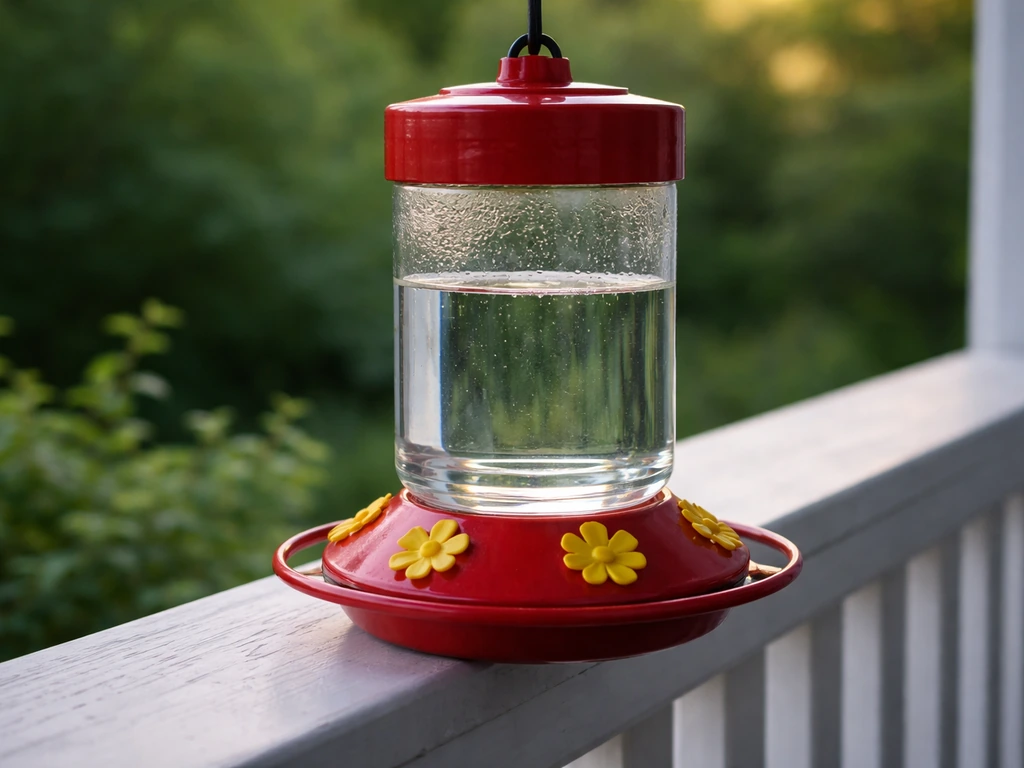
How to Make a Sugar Bird Feeder Sugar Water Recipe
Step-by-step sugar water recipe and feeder setup tips for nectar-style feeding, plus cooling, cleaning, and pest prevent
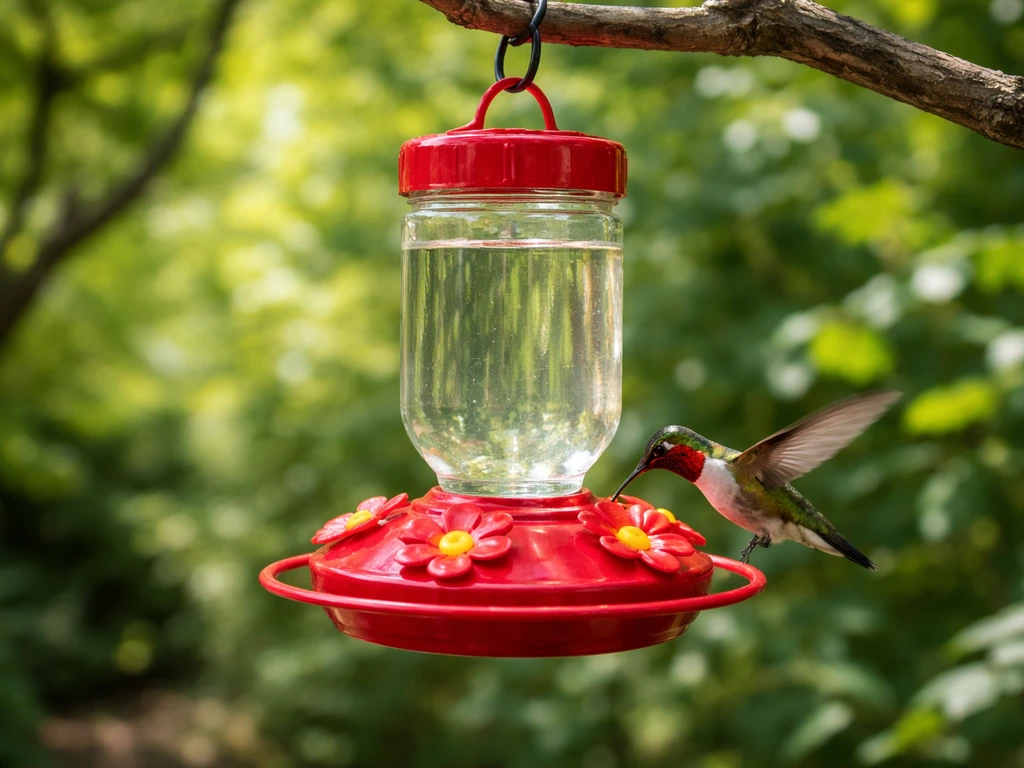
How to Make a Bird Feeder for Hummingbirds at Home
DIY hummingbird feeder guide: build options, safe nectar recipe, setup tips, and clean maintenance to prevent mold and l
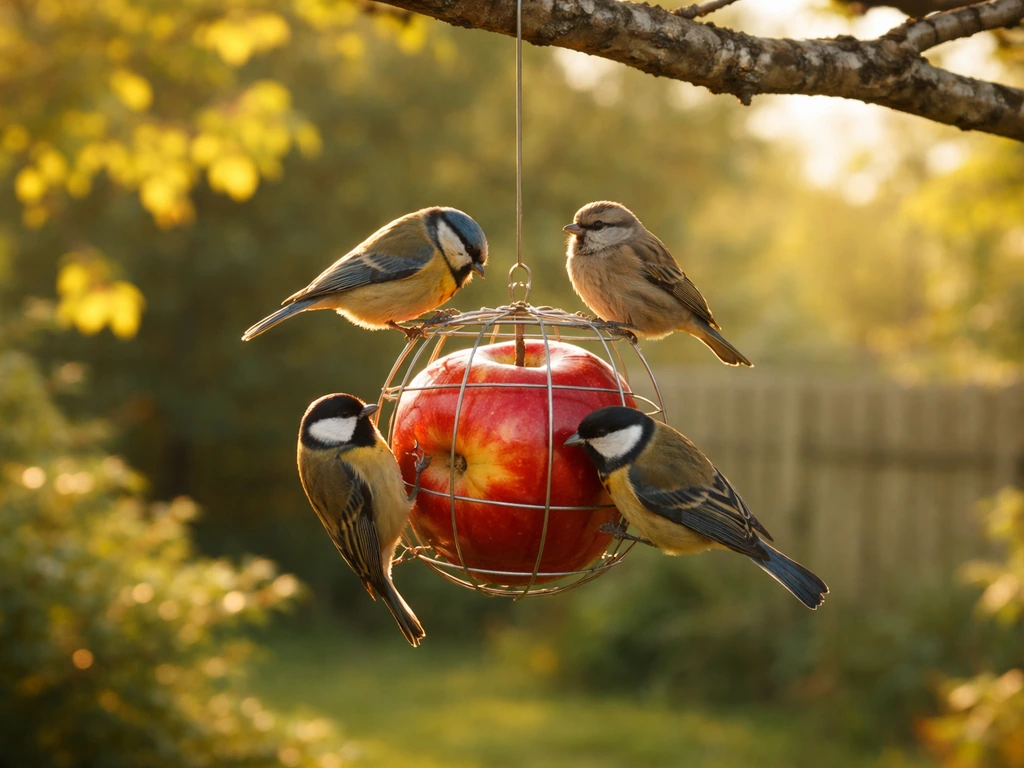
How to Make an Apple Bird Feeder at Home Step by Step
Step by step guide to build an outdoor apple bird feeder, with materials, mounting tips, safe placement, and maintenance