Setting up a bird feeder the right way takes about 20 minutes if you plan ahead, and getting the details right on day one makes a big difference in whether birds show up within hours or you're still waiting a week later. Here's the full process: pick the right feeder, nail the placement, hang it properly, load it up, and know what to do when something goes sideways.
How to Set Up a Bird Feeder: Placement and Setup Guide
Marcus Brennan
22 Apr 2026
Quick checklist before you start
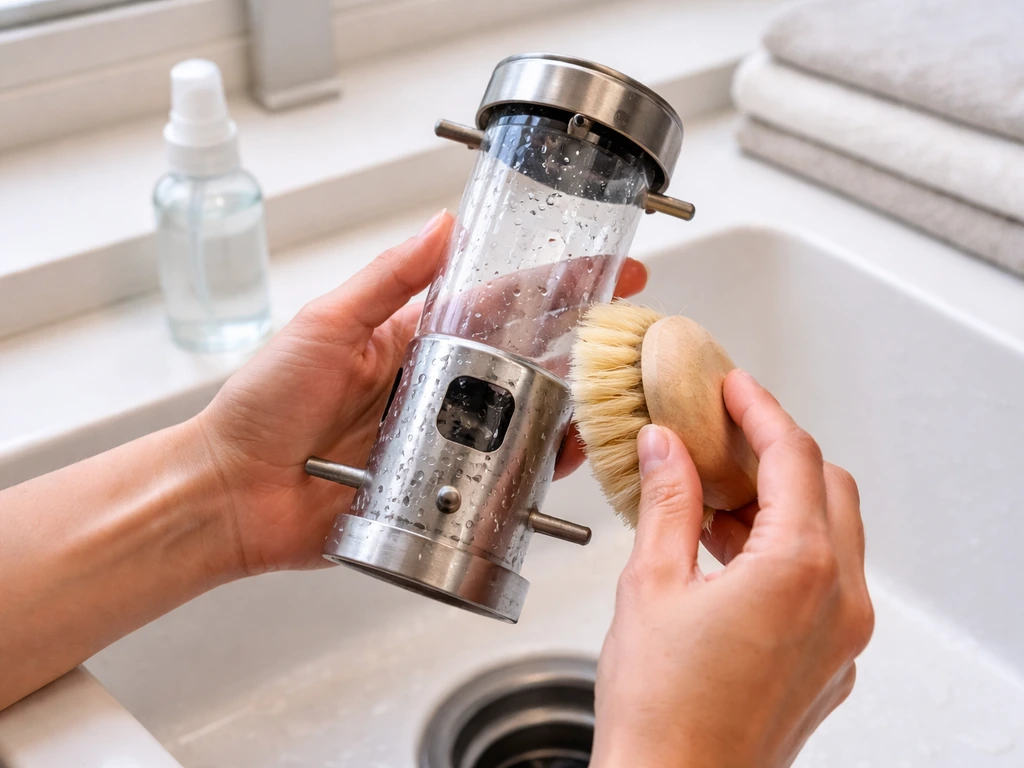
Before you hang anything, run through this quick checklist. Skipping even one of these steps is usually what causes problems later, whether that's a feeder full of moldy seed, a squirrel buffet, or birds avoiding it entirely.
- Feeder is clean and dry (wash with 1 part bleach to 9 parts water, rinse thoroughly, and let it air dry completely before filling)
- You have the right seed for the feeder type and the birds in your area
- You've picked a hanging or mounting spot that's at least 4 to 5 feet off the ground
- The location is at least 10 feet from trees, fences, or structures squirrels can jump from
- The feeder is either within 3 feet of a window or more than 30 feet away (more on this below)
- You have a squirrel baffle or ant moat ready if pests are a known issue in your yard
- You have cleaning supplies nearby for ongoing maintenance (a stiff brush, mild soap, and bleach solution)
That last point is worth emphasizing upfront: a feeder you can't easily clean is a feeder you'll eventually stop using. Spilled seed, droppings, and damp conditions under and inside feeders can spread disease to birds, so building cleanup into your routine from day one is part of a good setup, not an afterthought.
Choosing the right feeder type
The feeder you choose determines which birds show up, how much waste you deal with, and how easy pest management is. Each type has real trade-offs, so here's a quick breakdown.
| Feeder Type | Best For | Pest Risk | Mess Level | Notes |
|---|---|---|---|---|
| Tube feeder | Finches, chickadees, nuthatches | Low (small perches deter squirrels and large birds) | Low | Great starter feeder; easy to hang and refill |
| Hopper feeder | Cardinals, jays, most backyard species | Medium | Medium | Holds more seed; needs a baffle to stop squirrels |
| Platform/tray feeder | Ground-feeding birds like sparrows, doves, juncos | High | High | Easy to build from scrap wood; requires frequent cleaning |
| Suet feeder | Woodpeckers, nuthatches, starlings | Low to medium | Low | Wire cage; only needs refilling every few days |
| Smart camera feeder (e.g., Tris Home) | All backyard visitors plus photo/video capture | Depends on placement | Low to medium | Requires app setup before mounting; see below |
If you're just starting out, a simple tube feeder filled with black oil sunflower seed is hard to beat. It attracts the widest variety of birds, keeps squirrels at bay better than most designs, and is easy to find or even build from a recycled plastic bottle. Platform feeders are a great second feeder to add once you've got the basics down, but they do require more frequent cleaning because seed and droppings accumulate quickly in the open tray.
Setting up the Tris Home Bird Feeder specifically
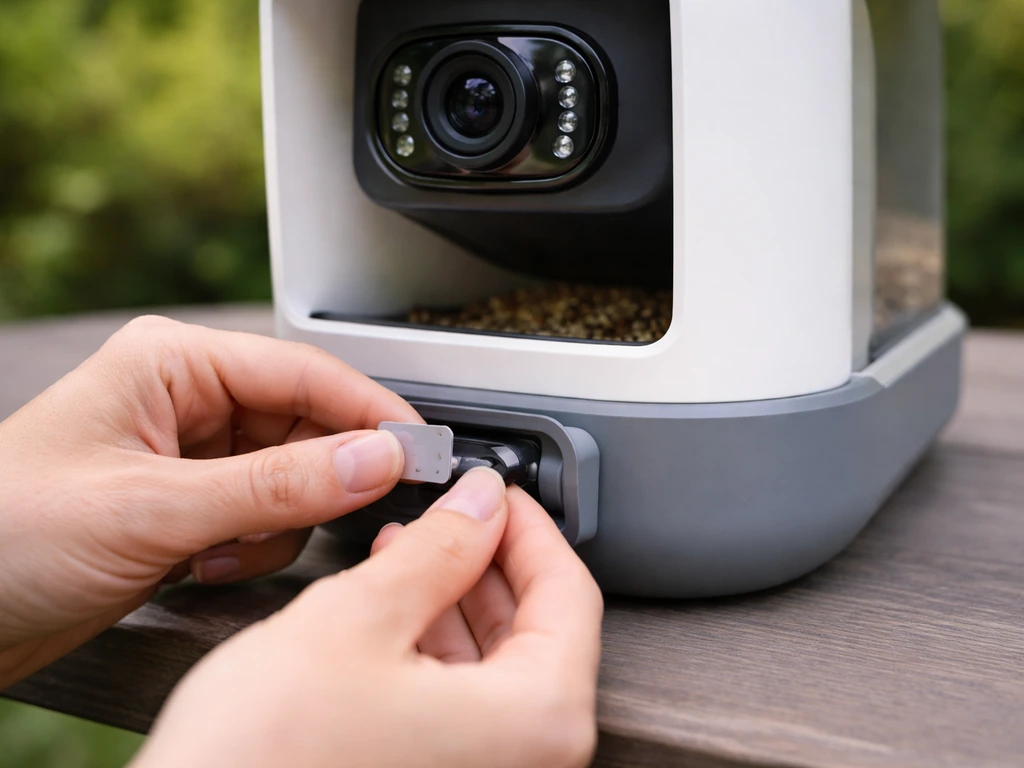
The Tris Home smart bird feeder (including models like the TV-XM-Q20-4MP) is a camera-equipped feeder that streams video to your phone, which is a genuinely fun feature but does add a few setup steps before you mount it. For the PNI MyBird PT035, the setup and QR-code pairing instructions similarly involve adding the feeder through the Tris Home app and positioning the QR on your phone so it can be scanned by the camera lens during configuration QR-code setup and pairing instructions in the Tris Home app. The key rule from the manual: configure the camera before you mount the feeder at its final location, not after. Doing it in the other order means climbing back on a ladder to troubleshoot.
- Insert a microSD card (the feeder supports up to 128GB) before doing anything else
- Attach the Wi-Fi antenna if your model includes one
- Press the power button and wait for the feeder to boot
- Download the Tris Home app on your phone and create or log into your account
- In the app, tap to add a new device and select the 'Bird Feeder' category
- When prompted, hold your phone's QR code 25 to 30 cm from the camera lens to pair it
- Connect the feeder to your Wi-Fi network through the app
- Test the live camera feed while you still have the feeder on a table or countertop
- Only after confirming the camera and app are working should you mount the feeder at its final location
Once the camera is confirmed working, the physical mounting process is the same as any other hopper-style feeder: hang it from a pole, bracket, or shepherd's hook at the right height and distance from obstacles. The placement rules in the next section apply just as much to the Tris Home as to any other feeder. Once you know the placement and mounting basics, you can follow this guide on how to install bird feeder step by step for a smooth start.
Where to put it: placement rules that actually matter
Placement is the single biggest factor in whether your feeder gets used. You can have the best feeder and the freshest seed in the world, but if it's in the wrong spot, birds will ignore it or squirrels will empty it before birds even get a chance.
Height and distance from structures
Hang or mount your feeder at least 4 to 5 feet above the ground. Lower than that and ground predators like cats are too much of a threat. Higher is generally fine, up to about 6 to 7 feet for easy refilling. More importantly, keep the feeder at least 10 feet away from any tree, fence, deck railing, or structure a squirrel could use as a launch pad. Squirrels can jump roughly 10 feet horizontally, so anything closer than that is basically an invitation.
The window collision rule
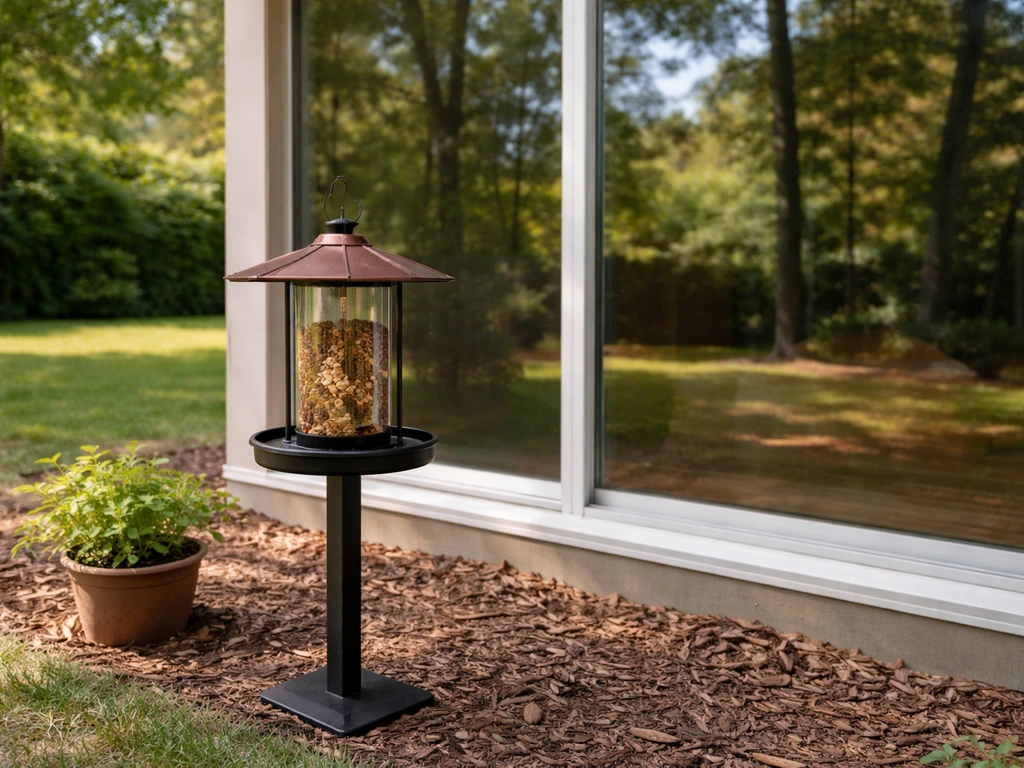
This is the placement rule most people don't know about, and it matters more than you'd think. Window collisions kill a huge number of birds every year, and feeder placement relative to windows directly affects the risk. Audubon and multiple wildlife organizations recommend placing feeders either within 3 feet of a window or more than 30 feet away. The logic: if a bird is startled from a feeder that's only 2 feet from the glass, it can't build up enough speed to hurt itself. If the feeder is more than 30 feet out, birds have space to redirect. The danger zone is roughly 4 to 30 feet from a window, where birds are close enough to be startled toward the glass but far enough away to hit it hard.
It's worth noting that some researchers argue the 30-foot rule isn't a guarantee of safety, since collision risk depends on angles, glass reflections, and surrounding vegetation. The practical takeaway is: the closer to a window the better (under 3 feet), or place the feeder well out into the yard with clear open space. Window decals or films on the glass can reduce reflection risk no matter where the feeder is.
Cover and landing space
Birds feel safer feeding when there's cover nearby: a shrub, a hedge, or a tree within about 10 to 15 feet gives them a place to retreat and watch for danger before approaching. Too much open space with no cover nearby can make nervous birds reluctant to visit, especially early on. At the same time, you want enough open space around the feeder that squirrels can't leap directly onto it from a branch.
Spacing multiple feeders
If you're setting up more than one feeder, spread them at least 5 to 6 feet apart. This prevents dominant birds like jays from monopolizing all the feeders at once and reduces crowding, which lowers disease transmission risk. Different heights also help: a tube feeder up high for finches, a suet cage mid-level for woodpeckers, and a platform feeder closer to the ground for sparrows and doves works really well.
How to hang or mount your feeder
You've got a few solid options depending on your yard setup. Each has real pros and cons, so pick the one that fits your situation rather than defaulting to whatever looks easiest.
Mounting options compared
| Mounting Method | Best When | Squirrel Control | Difficulty |
|---|---|---|---|
| Shepherd's hook (freestanding pole) | No good tree or overhang nearby; renters who can't drill | Excellent with a baffle added | Easy, 5 minutes |
| Hanging from a tree branch | Large yard with mature trees | Poor without a baffle | Easy, but baffle is harder to add |
| Wall or fence bracket | Small yards, patios, balconies | Moderate; depends on height | Moderate; requires drilling |
| Deck-mounted pole or clamp | Deck or railing access | Moderate with baffle | Easy to moderate |
| Ceiling hook (covered porch) | Apartment balconies or shaded patios | Low without a cage or baffle | Easy if hook is already there |
For most backyards, a freestanding shepherd's hook with a squirrel baffle is the best all-around setup. It's movable, doesn't require drilling, and the baffle keeps squirrels off reliably when installed correctly. Installing a baffle on an existing feeder is a separate step worth doing carefully, since a baffle that's too loose or positioned wrong won't stop anything.
Step-by-step hanging process
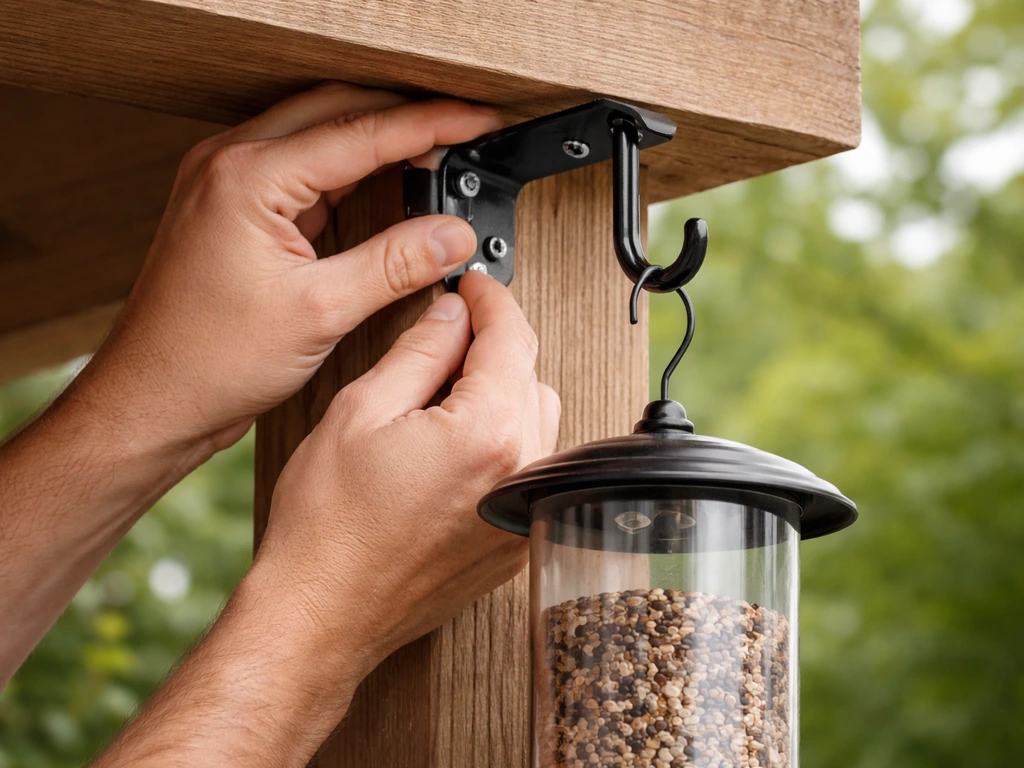
- Choose your mounting location using the placement rules above (height, distance from windows, distance from trees and fences)
- Set up your pole, hook, or bracket before attaching the feeder, and make sure it's stable with no wobble
- If using a squirrel baffle on a pole, thread the baffle onto the pole before it's fully in the ground, then position it about 4 feet up from the base
- Attach the feeder to the hook or hanging hardware and check that it hangs level (a tilted feeder wastes seed and can jam some mechanisms)
- Give the feeder a gentle tug and a light swing to confirm the mount is secure and won't come down in wind
- Step back and check the full setup from a distance: is there anything a squirrel could jump from nearby that you missed?
Loading the feeder and day-one setup
Before you add seed for the first time, the feeder should already be clean and dry from your pre-install wash. Putting seed into a damp feeder is one of the fastest ways to get mold, which is genuinely harmful to birds and will make them avoid the feeder entirely.
- Confirm the feeder is completely dry inside before adding any seed
- Fill the feeder to about two-thirds capacity rather than packing it full; this reduces waste if birds are slow to visit in the first few days
- Use fresh seed from a sealed bag; don't use seed that's been sitting open in a garage or shed for months
- If your feeder has drainage holes, check that they're clear before filling
- Hang the feeder and leave the area: birds won't approach while you're standing right next to it
- Give it 2 to 3 days before worrying about whether birds have found it; new feeders in new locations take time
- Check the seed level after day one; if it's getting damp or clumping, remove the wet seed, clean the feeder, and start fresh with dry seed
Discard any seed that gets wet or damp rather than leaving it in the feeder hoping birds will eat it anyway. Wet seed goes moldy fast, especially in warm weather, and moldy feed is a health hazard. Virginia DWR recommends cleaning sugar-water feeders every 2 to 5 days in warmer weather, and the same urgency applies to seed feeders in humid conditions.
Birds not showing up, feeder not working, or things getting messy
If your feeder has been up for a few days and nothing is happening, don't panic. If you are trying to figure out how to open a bird feeder, make sure you follow the manufacturer’s steps for unlocking, removing, and refilling the parts safely how to open bird feeder. If you want the smoothest day-one experience, also review how to use a bird feeder so you know what to expect at each step how to open a bird feeder. Most first-setup problems have a straightforward fix.
Birds aren't visiting
- Wait longer: birds typically take 3 to 14 days to find a new feeder, especially in yards where feeding hasn't happened before
- Check seed quality: old, stale, or wrong seed type is a common culprit; black oil sunflower seed attracts the widest variety of species
- Reconsider placement: too much open space with no nearby cover can make birds nervous; try moving the feeder within 10 to 15 feet of a shrub or hedge
- Check for predator presence: if a cat or hawk has been active near the feeder, birds may be avoiding the area temporarily
- Remove the old seed and start fresh if it's been sitting for more than a week without activity; seed can go stale or pick up odors birds dislike
The feeder is swinging or tilting
A feeder that swings wildly in the wind can spill seed and make birds uncomfortable. Add a second attachment point if possible, or switch to a pole mount instead of a hanging hook. A weighted base on a pole-mounted feeder also helps in windy yards. If the feeder is tilting to one side, check that the hanging hardware is centered and the feeder itself is loaded evenly.
Uneven food access
Some feeders, especially tube-style ones, can develop clogs where seed packs together and doesn't flow to the ports. This usually happens with damp seed or very fine-milled seed mixes. The fix is to clean out the clog, let the feeder dry, and switch to a coarser seed or whole sunflower seeds that flow more freely. Nyjer (thistle) seed is particularly prone to clumping in humid weather and needs more frequent checks.
Too much mess under the feeder
Spilled seed and droppings under feeders build up quickly and can attract rodents and contribute to disease spread. Plan to sweep or rake under the feeder at least once a week. You can also buy or make a seed catcher tray that mounts below the feeder to catch hulls and spills before they hit the ground. Choosing shelled seed (like hulled sunflower chips) instead of seed-in-shell also dramatically reduces the mess underneath.
Pests, window safety, and keeping things clean
Squirrel deterrents that actually work
Squirrels are persistent and clever, and 'squirrel-proof' feeders are rarely truly proof against them. The most reliable approach is layered: use a pole-mounted feeder, add a squirrel baffle at the 4-foot mark on the pole, and make sure the feeder is at least 10 feet from anything the squirrel can jump from. A baffle that's too loose or sits too low on the pole won't do the job, so check the fit carefully after installing. Some models like the Squirrel Buster have built-in weight-activated mechanisms that close off seed ports when a squirrel's weight triggers them.
Ants and other insects
Ants are a particular problem for nectar and sugar-water feeders but can also get into seed feeders. An ant moat, which is a small water-filled cup that hangs above the feeder and creates a barrier ants can't cross, is the simplest solution. You can buy these for a few dollars or make one from a bottle cap. Keep the moat filled with fresh water and clean it weekly so it doesn't become a mosquito breeding spot.
Window collision prevention
The placement rule (within 3 feet or more than 30 feet from windows) is your first line of defense. Beyond that, applying window collision tape, decals, or UV-reflective film to the glass near the feeder adds another layer of protection. These products are visible to birds but nearly transparent to humans. If you're hearing thuds against your windows after setting up a feeder, it's a sign you're in the danger zone and need to move the feeder or treat the glass.
Ongoing cleaning schedule
Regular cleaning isn't optional. The Iowa DNR, U.S. Fish and Wildlife Service, and multiple bird health organizations all emphasize that dirty feeders can spread disease between birds at the feeding station. The practical schedule that works well: wipe down and refill seed feeders every 1 to 2 weeks, do a full scrub and disinfect with a 1:9 bleach-to-water solution twice a month, and always rinse and dry completely before refilling. Clean up spilled seed and droppings from the ground beneath the feeder at least weekly. In hot or humid weather, bump that up to every few days since seed spoils faster. If you ever see sick-looking birds at the feeder, take it down, clean and disinfect it thoroughly, and give the area a week's rest before putting it back up.
Once you've got your feeder up, loaded, and birds are visiting regularly, the setup becomes pretty low-maintenance. Refill when needed, clean on schedule, and adjust placement if you notice problems. The first two weeks are when most of the troubleshooting happens; after that, a well-placed feeder basically runs itself.
FAQ
How do I prevent mold the first time I set up a bird feeder if the weather is unpredictable?
Plan for a “dry-run” before you fill it. Test the mount for wobble, then keep a covered container of seed nearby and only open the feeder when conditions are dry. If rain hits the feeder during setup, dump any damp seed, rinse the feeder if it got wet inside, and let it dry fully before refilling.
What should I do if birds don’t show up after I set up the feeder?
If birds are not feeding within a few days, switch one variable at a time. Most often it is seed type, flow issues, or shy placement. Start by trying whole sunflower seed in a tube feeder or a fresh batch of black oil sunflower, and check that ports are not clogged and that the feeder is not too exposed or too close to squirrel jump routes.
How can I tell if my squirrel baffle is installed correctly?
Baffle position matters. For pole setups, install the baffle at the correct height on the pole (and make sure the pole is fully inside the baffle’s protection zone). Then do a simple check after dark or with a flashlight, confirm no squirrels can get past it, and re-tighten any loose hardware.
How do I adjust the feeder type and seed if I’m not getting the bird species I want?
Some birds prefer different offerings. If you see mostly sparrows and doves, move to a tray or add a platform feeder lower, or try chopped hulled sunflower chips for less mess. If you are targeting finches, keep the tube feeder stocked with black oil sunflower and avoid overly damp or clumped seed.
Is it better to start with one feeder or multiple feeders, and how does that affect bird behavior?
Start with fewer feeders and observe. Adding too many feeding stations at once can increase dominance behavior and disease risk. If you do add a second feeder, separate them by at least 5 to 6 feet, use different heights, and keep spacing rules for window safety the same for each feeder.
Can I set up a feeder near a window if I can’t meet the 3-foot or 30-foot guideline?
Yes, but treat it as a temporary rule. If you must place a feeder inside the window danger zone, prioritize reducing startling and reflections using window decals or UV-reflective film, and consider moving the feeder closer than 3 feet or farther than 30 feet when you can. Also avoid putting feeders directly in front of highly reflective glass.
How often should I refill seed, and what signs mean I should discard it right away?
Use a “minimum refill interval” for safety. If you see dampness, stop feeding and remove wet seed immediately, even if birds have not eaten much yet. In humid weather, shorten your refill timing and check every couple of days for clumping or dark, musty seed.
What’s the safest cleaning method before I refill the feeder?
For cleaning, always remove all remaining seed and scrub parts that contact seed or droppings. Use the recommended bleach-to-water ratio only if the manufacturer allows bleach cleaning, rinse thoroughly, and dry completely to prevent lingering odor or residue. Never re-fill until fully dry.
How do I fix a feeder that swings in the wind or tilts to one side?
If the feeder swings, birds may hesitate and spilled seed attracts pests. Add a second attachment point, switch from a hanging hook to a pole mount, or add weight to a pole base. After adjusting, check level loading, ensure the hanging hardware is centered, and confirm the feeder sits stable in typical wind.
What should I do if a tube feeder keeps clogging and not dispensing seed?
A clogged tube often means the seed is too fine, damp, or packed tightly. Remove the seed, clear the ports, let everything dry, and switch to whole sunflower seeds or a coarser mix. For nyjer in humid weather, check more frequently because it clumps faster.
How do I stop ants without making the feeder messy or unsafe for birds?
You’ll reduce ants before they become established. For seed feeders, keep the area under the feeder tidy and remove spilled seed often. For nectar or sugar-water feeders, use an ant moat and refresh the water weekly, then clean any drips because sweet residues attract more ants.
Do I need to change my setup routine in summer versus winter?
Seasonal timing helps. In colder months, keep seed fresh more frequently because moisture and freezing-thaw cycles can damage seed quality. In hot weather, shorten cleaning intervals and check for spoiled or damp seed several times per week.
Next Articles
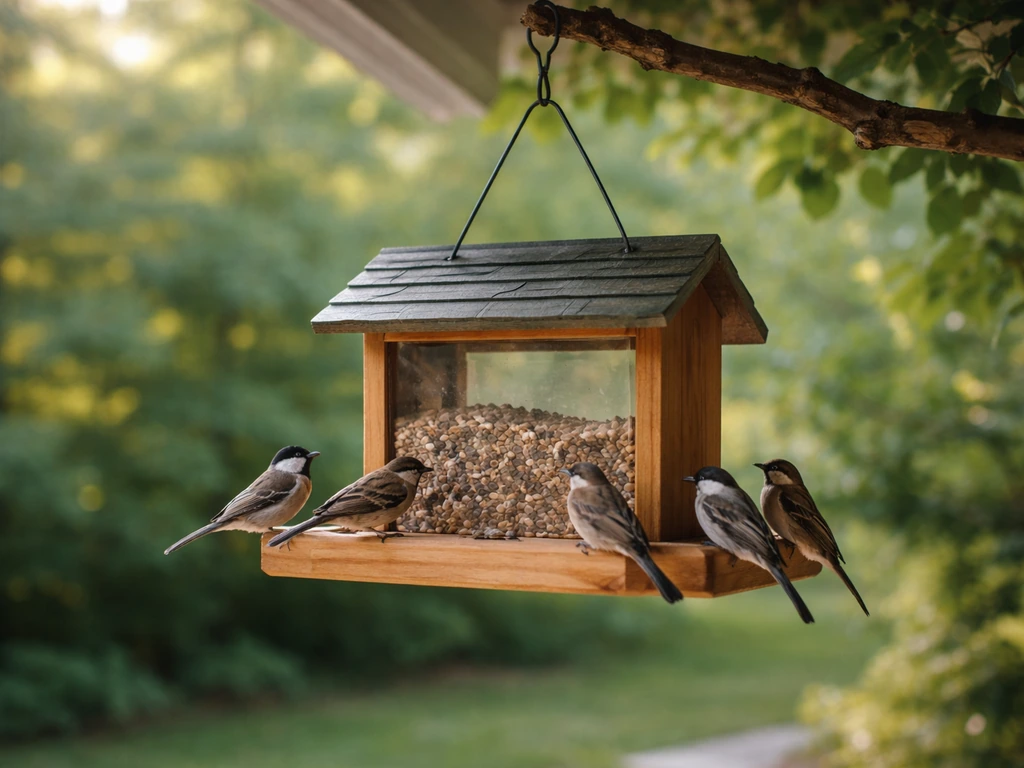
How to Use a Bird Feeder: Setup, Food, and Maintenance
Step-by-step bird feeder setup, food choice, placement, maintenance, and DIY tips for more birds and less waste and pest
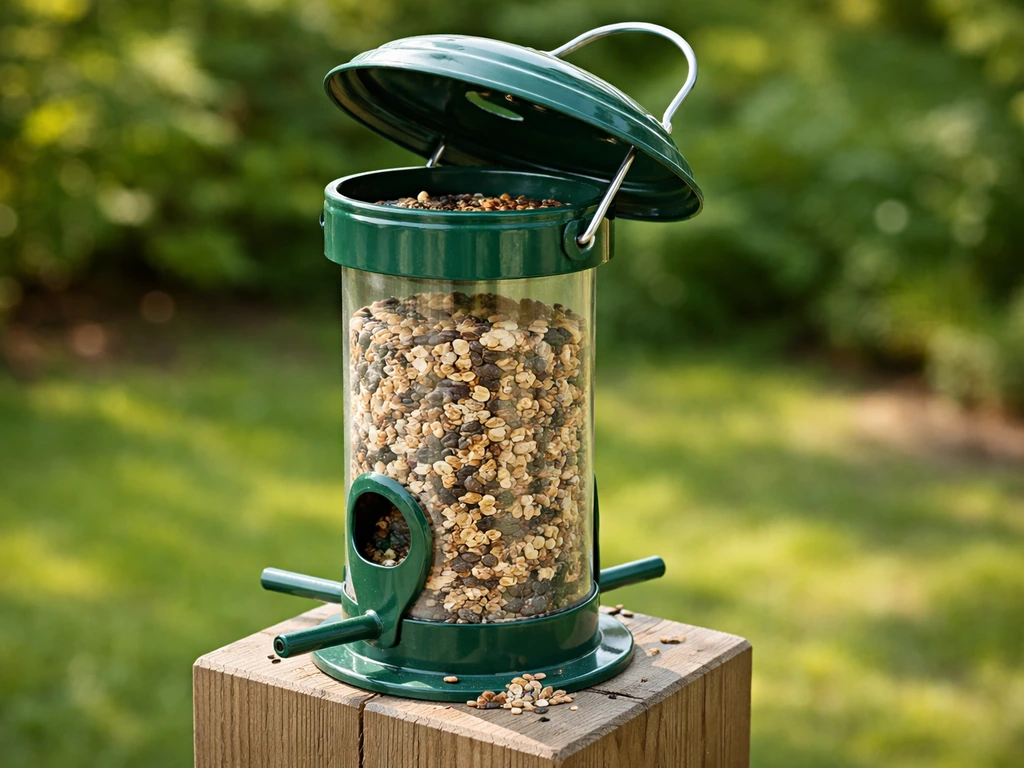
How to Open a Bird Feeder: Tube and Lid Steps
Learn how to open a bird feeder tube or lid safely, fix stuck caps, then clean and refill for easy future access.
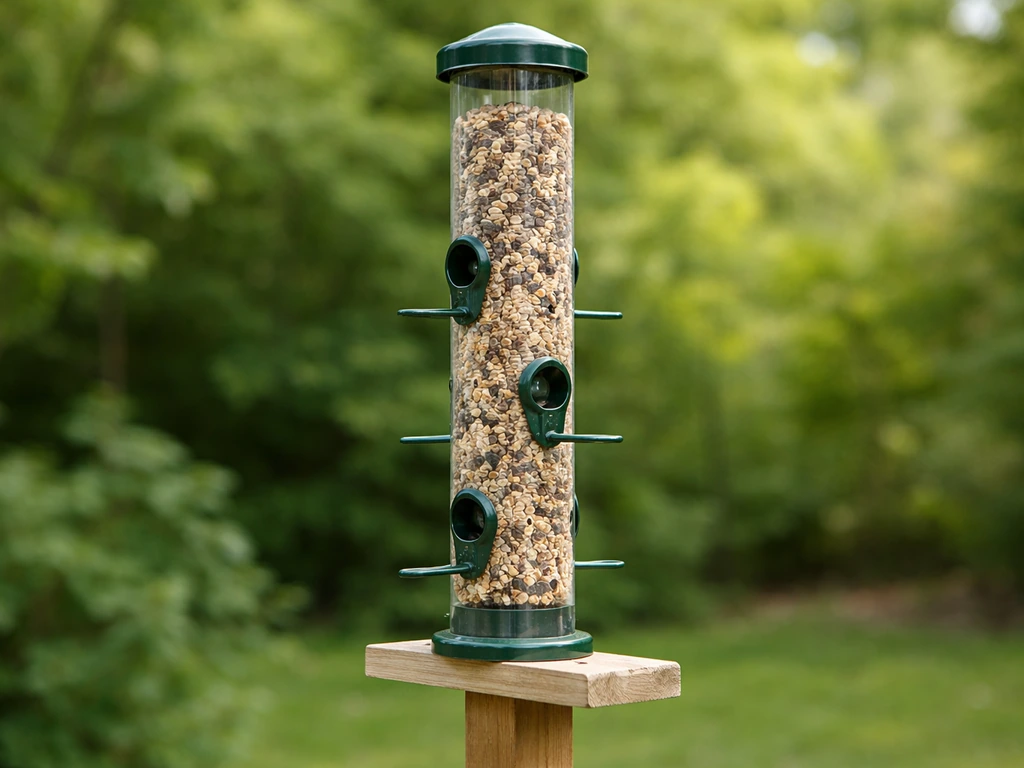
How to Make a Tube Bird Feeder Step by Step
Step-by-step how to make a tube bird feeder with materials, safe mounting, maintenance, and fixes for leaks and clogs.