Using a bird feeder well comes down to four things: picking the right feeder for the birds you want, placing it where they'll feel safe, keeping the seed fresh, and staying ahead of pests and problems. Get those four things right and you'll have steady visitors within a week or two. Skip one and you'll end up with a feeder full of soggy seed and a lot of squirrels. This guide walks you through the whole process from the first time you hang a feeder to keeping it running smoothly through every season. If you want the quick walkthrough version, see this guide on how to set up bird feeder for step-by-step setup, placement, and first-fill tips first time you hang a feeder.
How to Use a Bird Feeder: Setup, Food, and Maintenance
Marcus Brennan
21 Apr 2026
Choosing the right feeder type
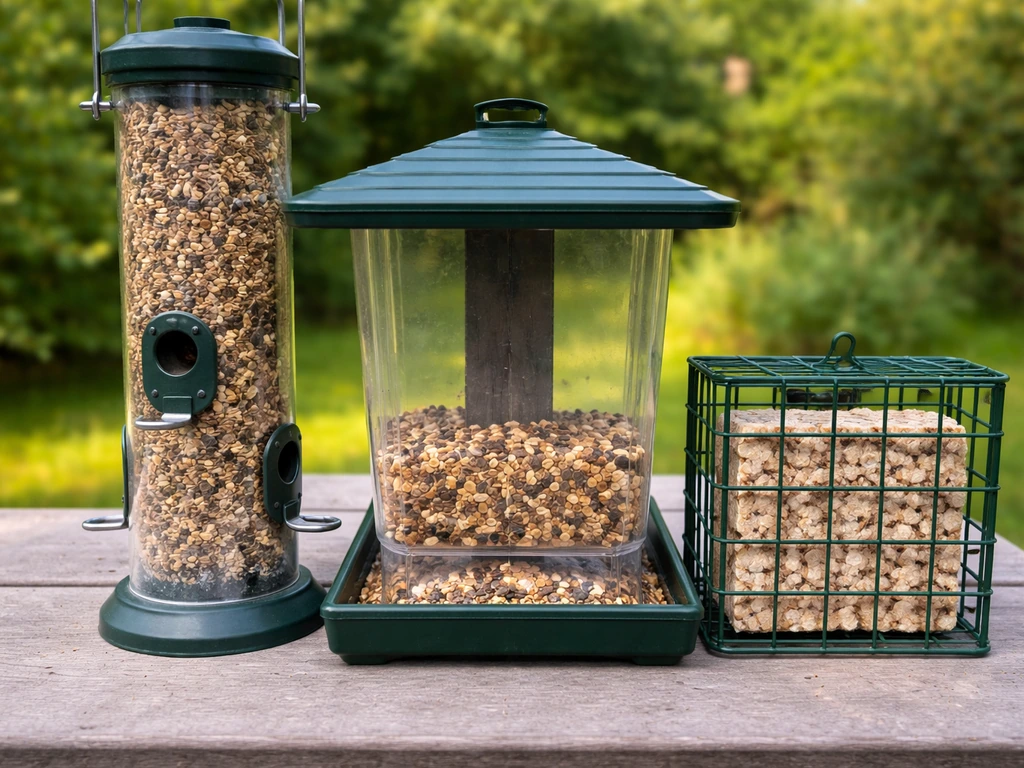
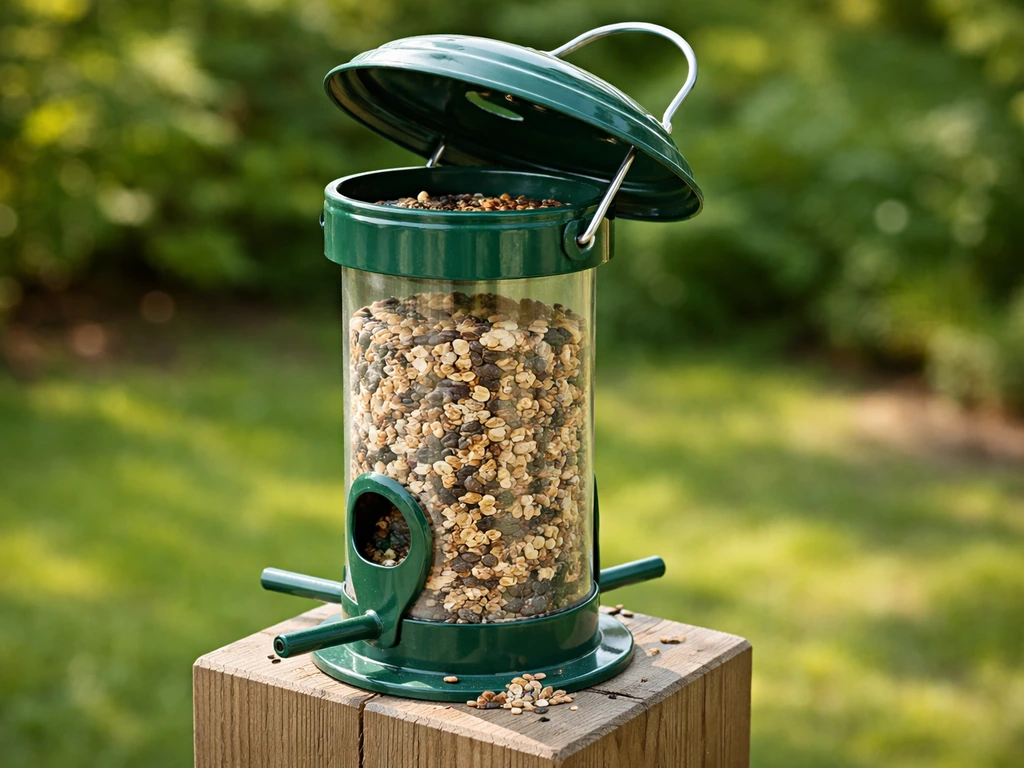
The feeder you choose determines which birds show up, how much seed you waste, and how hard it is to keep clean. There's no single best feeder, but there is a best feeder for your situation. Here's a quick breakdown of the main types.
| Feeder Type | Best For | Seed/Food | Watch Out For |
|---|---|---|---|
| Tube feeder | Small songbirds (finches, chickadees, nuthatches) | Nyjer, sunflower chips, mixed seed | Ports clog with wet seed; clean frequently |
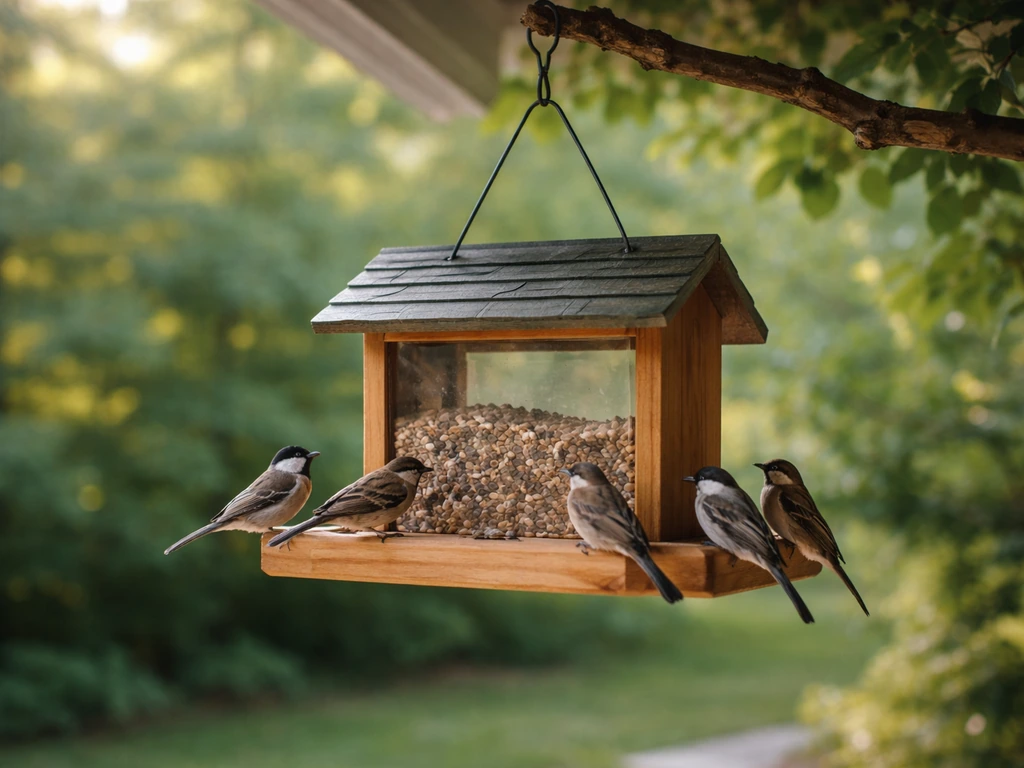
| Hopper/house feeder | Wide variety including cardinals, jays, sparrows | Black-oil sunflower, mixed seed | Seed can mold in the base; check weekly |
| Platform/tray feeder | Ground-feeding birds (juncos, doves, sparrows) | Mixed seed, millet, mealworms | No cover means faster spoilage in rain |
| Suet cage | Woodpeckers, nuthatches, wrens | Suet cakes | Suet goes rancid fast in heat above 50°F |
| Hummingbird feeder | Hummingbirds | Sugar-water nectar (1:4 ratio) | Nectar ferments quickly; needs frequent changes |
| Mesh/nyjer sock | Goldfinches, siskins | Nyjer (thistle) seed | Disposable; not ideal for long-term use |
| DIY feeder (bottle, milk jug, pinecone) | Casual feeding, budget setups | Seed, peanut butter | Shorter lifespan; inspect for cracks often |
If you're just starting out, a basic tube feeder or hopper feeder filled with black-oil sunflower seed is the best first move. Black-oil sunflower has a thin shell and high fat content, and it attracts more species than any other single seed. Tube feeders, which are hollow cylinders with multiple feeding ports and short perches, naturally favor smaller perching songbirds and make it harder for large nuisance birds to dominate the feeder. If you're building your own feeder from a plastic bottle, milk jug, or wood scraps, the same placement and filling rules below apply once it's assembled and hung.
Step-by-step setup and placement in your yard
Placement is the most underestimated part of bird feeding. You can have the best feeder and the freshest seed, but if it's in the wrong spot, birds won't use it, or they'll use it and get hurt. Two things matter most: distance from windows and distance from squirrel launch points.
Window distance rules
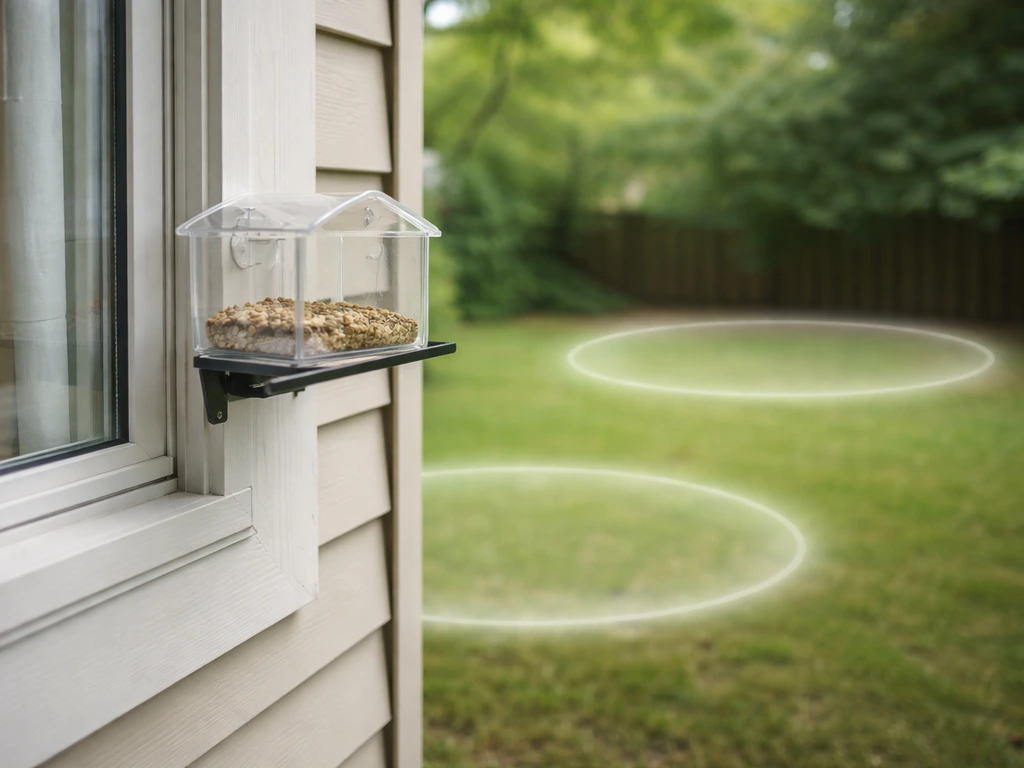
Window collisions kill a huge number of birds every year, and feeder placement is a major factor. blank" rel="noopener noreferrer">Audubon's guidance gives you two safe zones: place your feeder either within about 3 feet of a window, or more than 30 feet away. Audubon's common “more than 30 feet away” guidance is based on window-collision risk, but the Ornithology Center argues their feeder-placement experiment found blank" rel="noopener noreferrer">no special safety advantage for distances beyond about 10 m (33 ft) compared with closer placement (except very close to glass). The logic behind the 3-foot rule is that a bird that startles and flies toward the glass doesn't have enough speed to cause a fatal impact at that distance. At 30-plus feet, birds have room to redirect. The danger zone is anywhere in between, roughly 4 to 29 feet, where birds hit the glass at full speed. Pick your spot accordingly.
Squirrel clearance rules
Squirrels can jump roughly 8 to 10 feet horizontally and about 4 to 5 feet straight up. To keep them off a pole-mounted feeder, place the pole at least 8 to 10 feet away from any tree, fence, building, or roof edge they could leap from. If you're hanging a feeder from a tree branch, a baffle becomes essential (more on that in the pest-proofing section). If you have a squirrel buster standard bird feeder, follow its included assembly steps, then secure it at the correct height and clearance for safe, squirrel-resistant feeding. For pole mounting, drive a metal pole into the ground and add a baffle with its top sitting at least 4 feet off the ground, positioned directly below the feeder.
Hanging and mounting step by step
- Pick your location using the window-distance and squirrel-clearance rules above.
- Choose your hanging method: a shepherd's hook pole, a wire or cord strung between two points, a deck-mounted bracket, or a branch hook. Metal poles are the easiest to baffle.
- For a pole setup, push or drive the pole so it's stable in the ground with no wobble. A wobbly pole makes filling and pest-proofing harder.
- Slide a pole baffle onto the pole before attaching the feeder. The baffle top should sit at least 4 feet from the ground.
- Attach the feeder to the hook or hanger at a height that's comfortable for you to reach and refill, typically 5 to 6 feet off the ground.
- If hanging from a cord or wire, thread the line through a length of PVC pipe or a plastic bottle to create a rolling baffle that prevents squirrels from running the line.
- Fill the feeder (see the next section) before stepping back. Birds need time to discover a new feeder, usually between a few days and two weeks.
If you've already worked through a separate feeder installation process, a lot of this overlaps. The key difference between just installing a feeder and actually using it well is what comes after: the filling routine, the cleaning schedule, and the adjustments you make over time. If you want step-by-step instructions, follow our guide on how to open a bird feeder correctly so birds can access the seed safely how to open bird feeder.
How to fill and maintain the feeder for the best visits
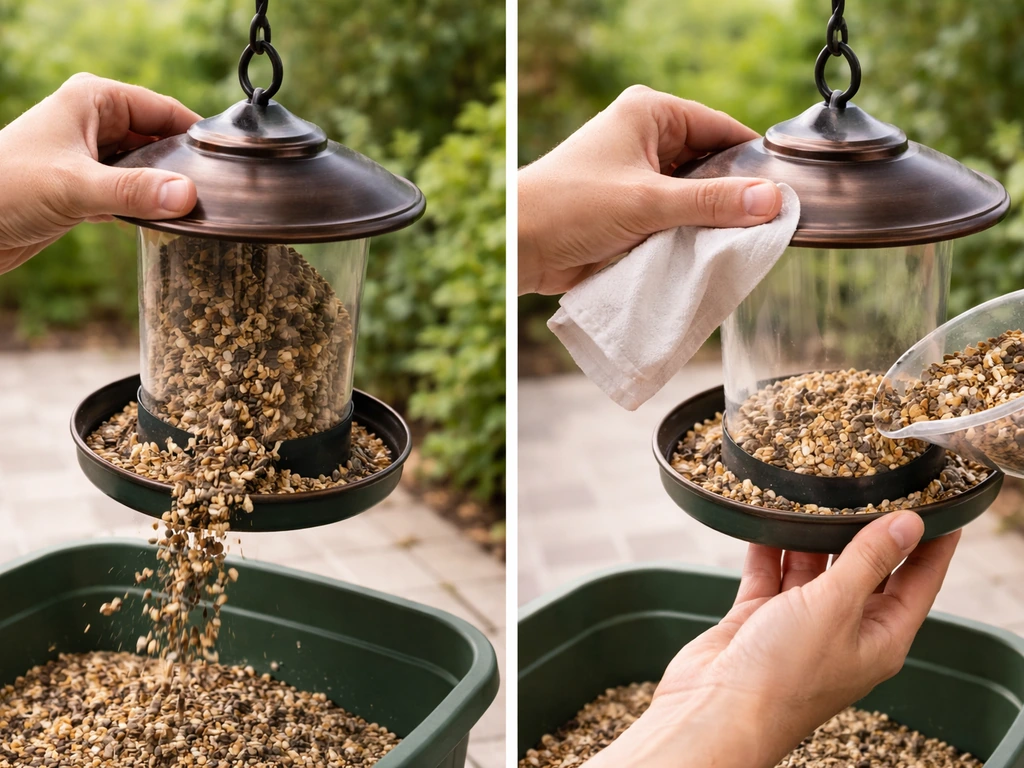
Overfilling is one of the most common beginner mistakes. It seems logical to keep the feeder topped up, but a packed feeder means seed sits longer, gets compressed, and starts to clump or mold before birds eat it. Fill seed feeders about two-thirds to three-quarters full, especially in humid or rainy conditions. In dry weather with heavy bird traffic, you can fill closer to the top.
Seed freshness
Seed should be rotated out every 1 to 2 weeks. Before refilling, tip out any remaining seed and check it: if it smells musty, feels damp, or has visible mold, toss it and wipe the feeder interior before adding fresh seed. Store bulk seed in a sealed, airtight container, ideally metal to deter rodents, in a cool dry place. Avoid storing it in a hot garage where it can go rancid.
Hummingbird nectar
Hummingbird nectar is straightforward: mix 1 part white granulated sugar with 4 parts water. Boil the water, stir in the sugar until fully dissolved, and let it cool completely before filling the feeder. Do not use honey, brown sugar, artificial sweeteners, or red food dye. The dye isn't necessary (most hummingbird feeders are already red) and there's no good reason to add it. Change nectar every 2 to 3 days in warm weather and every 4 to 5 days when it's cooler. Fermented nectar can harm hummingbirds, so err on the side of changing it sooner rather than later.
Suet
Suet cakes go rancid quickly when temperatures climb above about 50°F. In spring and summer, switch to rendered or no-melt suet formulas specifically made for warm weather, or take suet feeders down until fall. In winter, standard suet cakes work well and provide high-calorie fuel for woodpeckers and other cold-weather birds.
Attracting specific birds and adjusting your seed or suet
Different birds want different foods, and using the right food in the right feeder is the fastest way to reliably attract the species you're hoping for. Here's what works for the most commonly targeted backyard birds.
| Target Bird | Best Food | Best Feeder Style | Extra Tips |
|---|---|---|---|
| American goldfinch | Nyjer (thistle) seed | Tube feeder or mesh sock | Goldfinches may take 1-2 weeks to find a new nyjer feeder |
| Northern cardinal | Black-oil sunflower seed | Hopper or platform feeder | Cardinals prefer feeders with wider perches or trays |
| Downy/hairy woodpecker | Suet, peanuts, sunflower | Suet cage, hopper with tail prop | Place near tree trunk for approach cover |
| Chickadee/nuthatch | Black-oil sunflower, sunflower chips | Tube feeder | Will cache seeds nearby; good year-round visitors |
| Dark-eyed junco | White millet | Platform or ground scatter | Ground feeders; scatter seed under hanging feeders |
| American robin/bluebird | Mealworms | Flat tray or mealworm feeder | Offer live or dried mealworms on a low flat surface |
| Hummingbird | Sugar-water nectar (1:4 ratio) | Hummingbird feeder | Red feeder color helps; keep nectar fresh |
| House sparrow/starling (to discourage) | Avoid millet, cracked corn | Tube with short perches | Cage feeders allow small birds and exclude larger ones |
If you're getting birds that eat insects rather than seed, mealworms are your best option. Offer them on a flat tray or in a specialized mealworm feeder so they're easy to access. Bluebirds in particular respond well to mealworms placed in an open dish near their nesting area. Live mealworms get more attention than dried ones, though dried are easier to store.
If you're trying to discourage aggressive species like house sparrows or European starlings, feeder design matters more than seed selection. Tube feeders with short perches naturally exclude larger birds. Cage-style feeders (a wire cage around a smaller inner feeder) let small birds pass through while blocking larger nuisance species. Weight-activated feeders close under the heavier weight of squirrels or large birds and are worth the investment if you're fighting a persistent problem.
Troubleshooting common problems
No birds showing up
This is the most common complaint from first-time feeder users, and it's almost always a patience problem. Birds don't find a new feeder instantly. It can take anywhere from a few days to two weeks for local birds to discover and trust a new food source. That said, there are things you can do to speed it up: place the feeder near existing shrubs or trees that provide cover, use black-oil sunflower seed (the broadest attractant), and make sure the feeder is visible from above by placing it in an open spot rather than tucked under an overhang. If nothing shows up after two weeks, check whether the seed is fresh and whether the location has enough nearby perching cover.
Birds visiting but wasting a lot of seed
Seed scatter under the feeder is normal to a point, but excessive waste usually means you're offering a mixed seed blend with filler seeds (like milo or wheat) that your local birds don't want. They pick through the mix and kick out what they won't eat. Switching to a single-seed feeder, black-oil sunflower or nyjer, dramatically reduces waste. A tray catcher attached under the feeder also helps collect dropped seed before it hits the ground.
Seed getting wet, clumping, or molding
Wet seed is a real problem, especially with tube feeders that trap moisture at the bottom. A few fixes: choose feeders with drainage holes at the base, never overfill, and use a roof or dome cover over the feeder to shed rain. If you're dealing with persistent clumping, try adding a thin layer of dried crushed eggshells or a small mesh screen at the bottom of the seed reservoir to allow airflow. Empty and dry the feeder completely after any heavy rain before refilling. Shelled sunflower chips or nyjer seed clump faster than in-shell seeds, so those feeders need more frequent attention in wet weather.
Attracting the wrong animals
Ground scatter under a feeder inevitably attracts rats, mice, and raccoons overnight. The easiest fix is a no-mess seed blend (hulled seeds produce almost no shell debris) and a tray catcher to minimize what hits the ground. If you're seeing rats, temporarily stop offering peanuts, millet, or cracked corn, which are the biggest attractants. Bring feeders in at night if raccoon visits become persistent.
Pest-proofing and safe wildlife practices
Squirrel-proofing that actually works
The two-part approach that consistently works is distance plus a baffle. Place your pole-mounted feeder at least 8 to 10 feet from any fence, tree, roof, or structure a squirrel can jump from. Then mount a squirrel baffle on the pole with the top of the baffle at least 4 feet off the ground, positioned directly beneath the feeder. A squirrel trying to climb the pole hits the baffle and slides off. Without the distance rule, squirrels will simply jump over the baffle from a nearby surface. You need both. If you're hanging the feeder from a cord or branch rather than a pole, install a separate baffle above the feeder on the hanging line or use a spinning/rolling guard.
Hot pepper (capsaicin) additives mixed into seed are another option. Birds can't taste capsaicin, but squirrels and mammals find it strongly aversive. Pre-treated hot pepper seed blends are available, or you can add a small amount of cayenne powder to your seed. It's not a perfect solution, but it adds another layer when combined with physical deterrents.
Reducing bird hazards
Beyond window collisions (addressed in the placement section), a few other hazards are worth keeping in mind. Cats are a significant predator at ground-level feeders, so keep platform feeders elevated and away from low cover where cats can hide. Avoid placing feeders where birds regularly perch on or near treated wood, rust, or sharp metal edges. Regularly inspect DIY feeders made from bottles or wood for cracks, sharp edges, or rough spots where birds can get caught or injured. If you notice sick or dead birds near your feeder, take the feeder down, clean and disinfect it fully, and wait a week or two before putting it back up.
Cleaning, seasonal changes, and long-term care
How often to clean
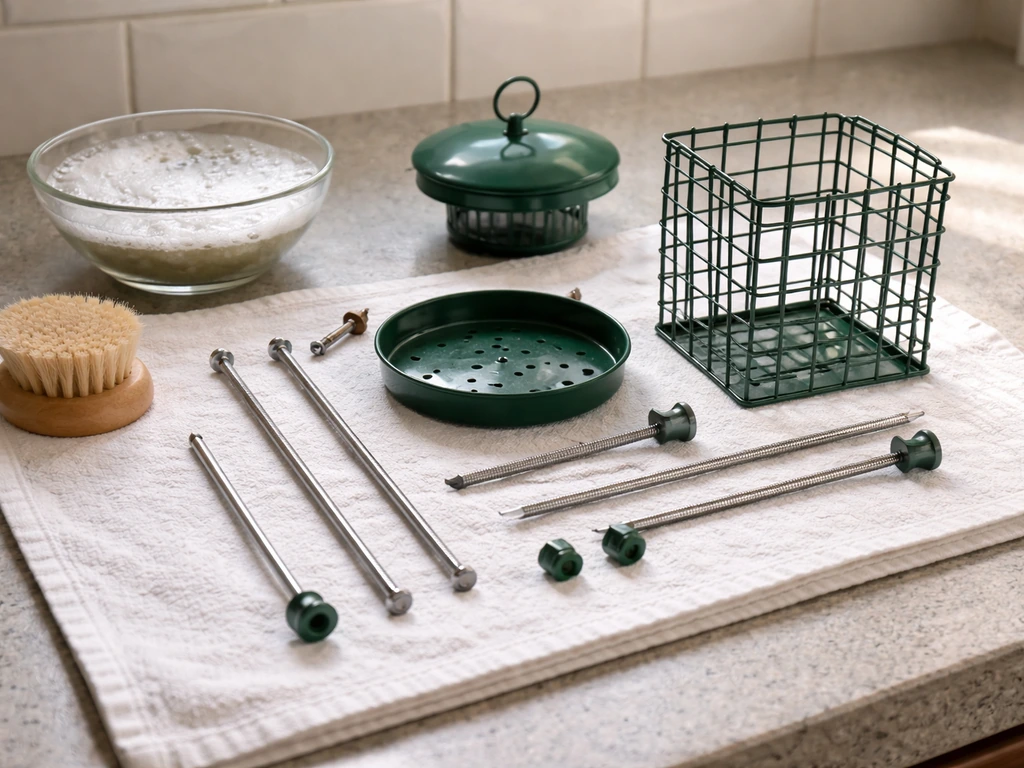
At minimum, clean seed and suet feeders every one to two weeks. In hot, humid weather, bump that up to weekly or even more frequently because mold and bacteria grow faster in warm conditions. Hummingbird feeders need the most attention: clean them every time you change the nectar, which in summer means every 2 to 3 days. The cleaning routine itself is straightforward: use hot water and a bottle brush to scrub all interior surfaces and ports. For disinfecting, soak the feeder in a solution of 1 part bleach to 9 parts water for 10 minutes, then rinse thoroughly and let it air dry completely before refilling. For hummingbird feeders specifically, skip soap residue issues by using the bleach soak followed by a very thorough rinse.
Seasonal adjustments
Spring and summer: switch away from standard suet (it melts and goes rancid), offer mealworms for insect-eating birds during nesting season, and refresh nectar more frequently as temperatures climb. Fall: this is when bird activity spikes as migrants pass through, so keep feeders well stocked. Black-oil sunflower and nyjer will attract the widest variety of fall migrants. Winter: high-fat foods matter most. Suet, peanuts, and sunflower seed are the top choices. Check feeders more often after snow or ice storms because seeds can freeze together or get buried. Clear snow off platform feeders and tap ice off tube feeder ports after freezes.
Long-term feeder care
A feeder that's well maintained can last years. Inspect the hardware (hooks, screws, hangers) each season for rust or weakness. Replace worn perches or cracked ports on tube feeders before they become a hazard. If you're running a DIY feeder made from a plastic bottle or wood, expect to rebuild or replace it annually. Wooden feeders benefit from an occasional treatment with a non-toxic sealant on exterior surfaces to extend their lifespan, but never seal interior seed chambers or areas birds contact directly. At the start of each new season, do a full cleaning and inspection before putting feeders back in service, even if they looked fine when you stored them.
The goal with a bird feeder isn't perfection from day one, it's building a reliable routine. If you want the basics first, start with how to install a bird feeder, including secure mounting and choosing the right height and spot how to install bird feeder. Start with one good feeder, the right seed for your region, and a spot that follows the window and squirrel rules. Check it every few days at first, clean it on a regular schedule, and adjust what you're offering based on which birds actually show up. Within a few weeks you'll know exactly what works in your yard, and that knowledge makes every season after easier.
FAQ
How often should I check a bird feeder if I just installed it?
For the first week or two, check every day (or at least every other day) to confirm seed is staying dry, ports are draining, and there are no early pest issues. Once birds are consistently feeding, you can shift to the article’s cleaning and refilling schedule based on feeder type and weather.
What should I do if the seed smells fine but looks clumpy at the bottom?
If seed is clumping but not obviously moldy or damp, empty the feeder, discard the clumped portion, and wipe the interior. Then refill to the recommended fill level (about two-thirds to three-quarters) and consider a feeder with drainage or better airflow to prevent moisture pooling.
Can I use regular table sugar or brown sugar for hummingbirds?
No. Use only white granulated sugar mixed with water at a 1-to-4 ratio. Brown sugar, honey, artificial sweeteners, and red dye can disrupt nectar composition, spoil faster, or harm hummingbirds.
How do I clean a feeder without leaving chemical residue that could deter birds?
Use hot water and a bottle brush for routine cleaning, then do the bleach soak when needed (as described in the article) and rinse thoroughly. Let the feeder air dry completely before refilling, since leftover soap or strong odors can reduce visits.
Should I stop feeding when the weather gets hot or rainy?
You usually do not need to stop, but you should reduce seed sitting time by filling less (closer to two-thirds), emptying and drying after heavy rain, and cleaning more often in humid conditions. For hummingbird nectar, shorten the change interval in warm weather.
What’s the safest way to handle or dispose of old nectar, suet, or moldy seed?
Treat it like spoilage food. Empty the feeder, discard contents in trash (not compost if it looks moldy), then clean and disinfect the feeder before refilling. Avoid trying to “salvage” nectar or seed with any visible mold or fermentation smell.
Why do I sometimes see fewer birds after I refill the feeder?
Often it’s because the birds are avoiding changes caused by fresh wet seed, disturbed pest activity, or strong odors from dirty ports. Empty and wipe first if there’s moisture or old grime, refill to the correct level, and keep placement steady so birds don’t have to re-adapt.
How can I reduce seed waste if birds are picking through a mixed blend?
Switch to a single-seed approach (like black-oil sunflower or nyjer) rather than mixes with filler grains. Also consider a tray catcher under the feeder to capture what drops, which reduces mess and discourages pests attracted to the ground.
What feeder height should I use if I’m trying to keep birds safe from cats?
Place platform feeders higher and away from low cover where cats can hide, and avoid ground-level trays if cats are a concern in your area. If you use a pole-mounted feeder, keep it consistent with your squirrel baffle setup and do not place it where cats can stalk from nearby shrubs or structures.
How do I prevent birds from getting injured by DIY feeder materials?
Inspect DIY parts frequently for cracks, sharp edges, and rough spots, especially around bottle openings, wood seams, and wire mounts. Sand or replace damaged sections, and do not use hardware that leaves exposed sharp ends where birds could snag claws or feathers.
If birds seem sick near the feeder, should I leave the feeder up?
No. Take the feeder down, clean and disinfect it fully, and wait about one to two weeks before putting it back up. During that time, monitor other feeders or nearby bird activity and address any hygiene issues that may have contributed.
Can I use hot pepper to deter squirrels, and will it affect birds?
It’s possible to add capsaicin-based deterrents, birds cannot taste it, but squirrels and mammals find it aversive. It is not a guaranteed solution, so combine it with physical measures like distance plus a baffle for best results.
What should I do after a bird feeder has been off during part of the season?
Before re-hanging, do a full cleaning and inspection even if it looked fine in storage. Check that ports drain properly, hardware is secure, and any wood interior areas that contact birds are not sealed in a way that traps moisture.
Next Article
How to Open a Bird Feeder: Tube and Lid Steps
Learn how to open a bird feeder tube or lid safely, fix stuck caps, then clean and refill for easy future access.