The short answer: slide a metal or plastic Slinky over your bird feeder pole, anchor the top coil to the pole with zip ties about 4 to 5 feet off the ground, and let the rest hang loose so it bounces and shifts whenever a squirrel or raccoon tries to climb. That's the core of the whole setup. The rest of this guide covers how to do it right so it actually stays put, doesn't spin uselessly, and keeps working weeks from now instead of just the first afternoon. A key part of keeping any pole system running smoothly is using the best grease for a bird feeder pole at any contact points that need lubrication best grease for bird feeder pole.
How to Put a Slinky on a Bird Feeder Pole

Marcus Brennan
22 Apr 2026
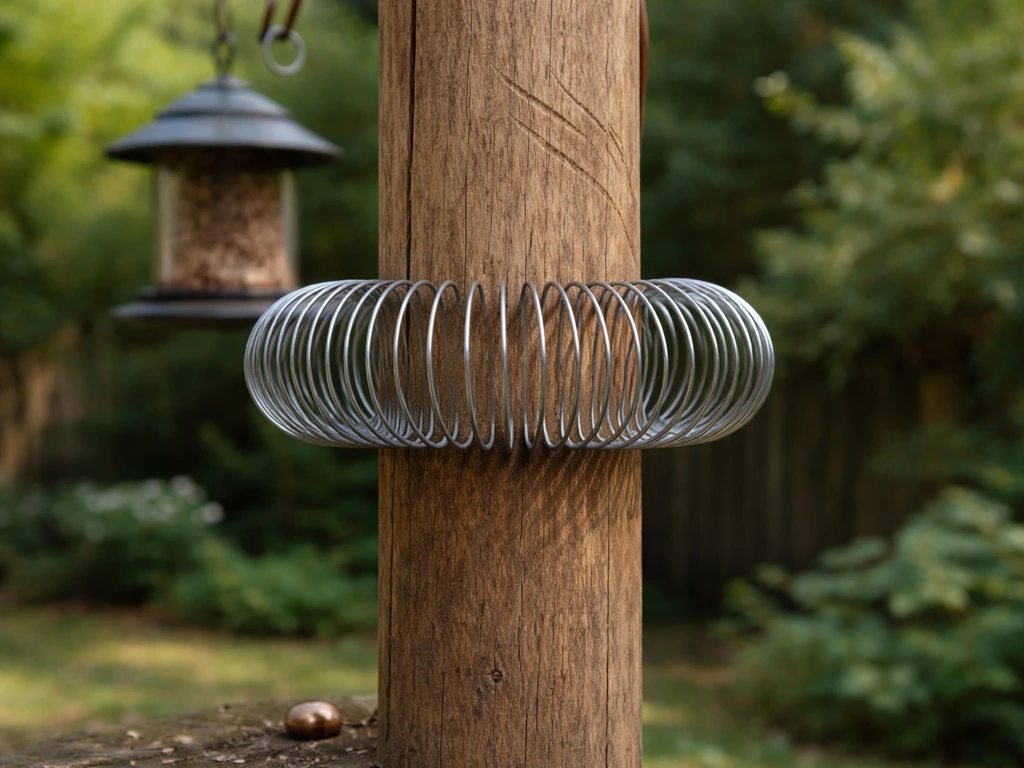
What a Slinky actually does on a bird feeder pole
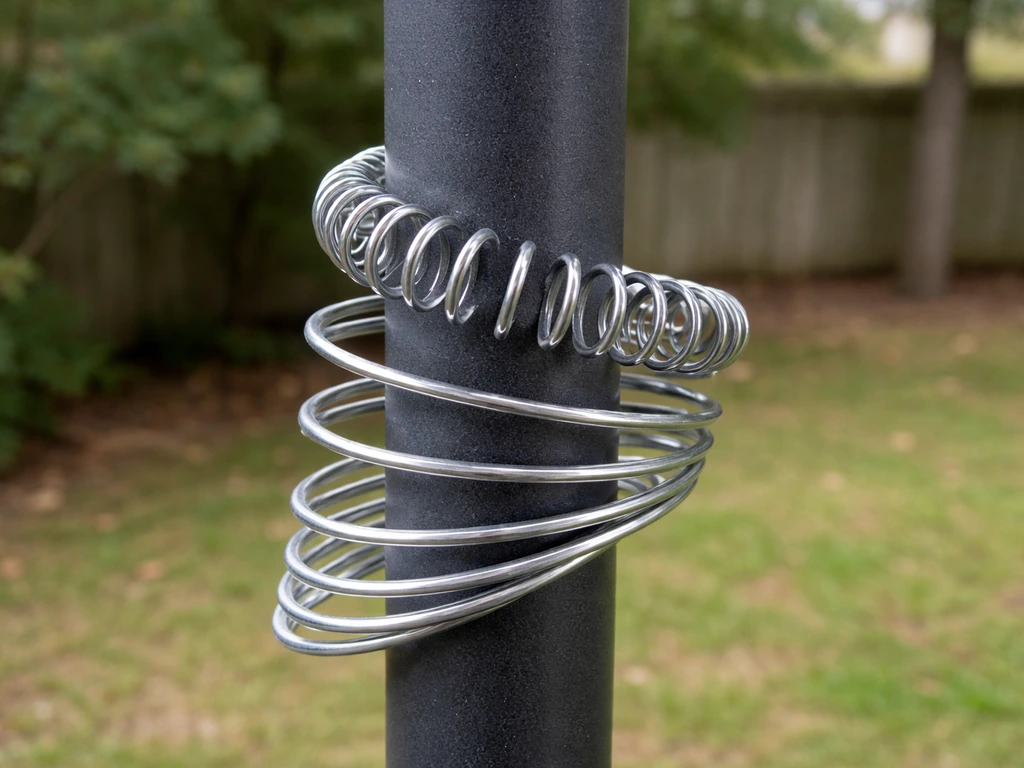
A Slinky deters climbing pests by removing their ability to grip the pole. When a squirrel or raccoon grabs onto the coiled spring and tries to pull itself up, the spring stretches downward under their weight and sends them sliding back to the ground. They can't get traction because the coil keeps shifting and collapsing beneath them. It's not a painful trap or a chemical deterrent; it just makes the pole physically unclimbable by taking away the stable surface they need.
This setup works best against climbers, meaning squirrels and raccoons that approach the pole from the ground. It doesn't help if squirrels are jumping onto the feeder from a nearby tree, fence, or roofline. So the Slinky method is most effective when your pole is already positioned out in the open, away from potential launch points. If that's not the case, the Slinky alone won't be enough, and you'll need to think about the pole's location alongside the deterrent itself. Audubon notes that a baffle pole helps, but if it is placed too high, squirrels may jump straight from the pole to the feeder If that's not the case, the Slinky alone won't be enough, and you'll need to think about the pole's location alongside the deterrent itself..
It's also worth knowing that commercial versions of this concept exist, like the Dalen Scram Squirrel by Slinky and the Birdertown 48-inch spring device, both of which are essentially purpose-built pole coils sold with zip ties included. If you want the cleanest install and don't want to fuss with a toy Slinky, those work well. But a standard dollar-store or hardware store Slinky does the same job if you set it up correctly.
Tools and materials you'll need
The list is genuinely short. You don't need special tools or a trip to a specialty store.
- A metal or plastic Slinky, at least 5 to 6 feet long when stretched (a standard metal Slinky is about 2.5 inches tall coiled but stretches to 6+ feet, which is ideal)
- Zip ties, at least 4 to 6 medium-duty ones (8-inch zip ties work well for most poles)
- A tape measure or ruler to check your mounting height
- Scissors or wire cutters to trim excess zip tie tails
- Optional: a small bungee cord or wire ring as a secondary anchor at the bottom
A metal Slinky tends to hold up better outdoors over time and is heavier, which helps it hang straight and bounce more naturally when disturbed. Plastic Slinkys can work too, but they're lighter and more prone to spinning rather than stretching cleanly. how to keep bird feeder pole straight. Either way, make sure the inner diameter of the coil is wide enough to slide over your specific pole. Most standard 1-inch diameter feeder poles fit inside a regular Slinky without issue, but check before you buy.
Step-by-step: how to install a Slinky on your feeder pole
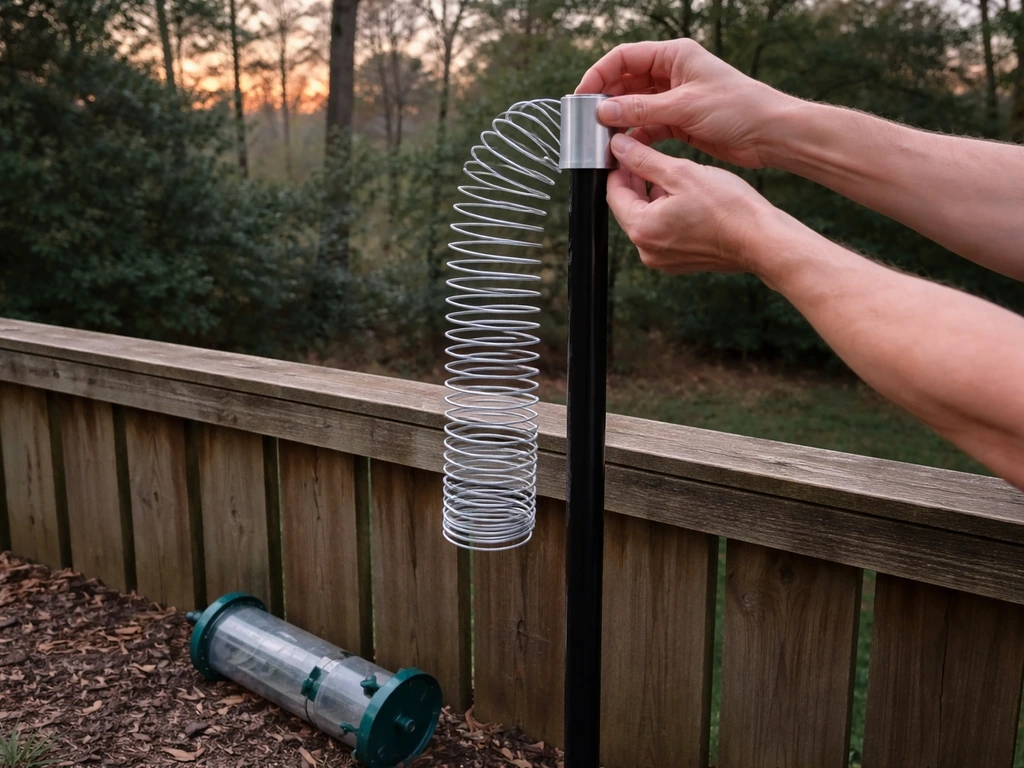
This whole install takes about 10 to 15 minutes once you have your materials ready.
- Remove your feeder from the pole temporarily so you have clear access to the full length of the pole.
- Slide the Slinky over the top of the pole and let it drop down. It should slide freely along the pole without catching. If it snags, check whether the pole has any screws, hooks, or brackets in the way and clear them if possible.
- Use your tape measure to find the spot on the pole that sits between 4 and 5 feet above the ground. This is where you'll anchor the top of the Slinky. Mounting it around 4 to 4.5 feet up puts the coil right in the zone where squirrels begin their serious climbing attempt.
- Thread two zip ties through the top coil of the Slinky and around the pole, then cinch them tight so the top coil can't slide up or down. Pull firmly and trim the excess tails with scissors. Do a second pass with a third zip tie for extra security, especially if your pole gets windy weather.
- Let the rest of the Slinky hang loose below the anchor point. It should dangle freely and shift when touched. Do not secure the bottom. The free-hanging bottom is what makes it work; if you lock both ends, the spring can't move and loses its effectiveness.
- Rehang your feeder. Check that the feeder sits above the top anchor point and that the Slinky hangs clear of the feeder itself so birds can perch without getting tangled.
- Give the Slinky a gentle tug from the side to confirm the top anchor holds. It should stretch down and spring back without the zip ties slipping.
Building your own DIY Slinky feeder setup from scratch
If you're setting up a new pole specifically to pair with a Slinky, you have a bit more flexibility in how you design the whole station. The ideal DIY setup combines a smooth metal pole (like a 1-inch EMT electrical conduit from any hardware store, which costs a few dollars per foot), a simple in-ground anchor, and the Slinky installed as described above. EMT conduit is great because it's smooth, slippery on its own, and the Slinky slides over it cleanly.
For the feeder itself, any standard hanging feeder works fine: tube feeders, platform feeders, or a homemade recycled-bottle feeder. Mount it at the very top of the pole using a hook or pre-drilled hole. The key is that the feeder should sit well above the Slinky's anchor point so the two don't interfere with each other. If you are modifying your setup, you can also shorten the bird feeder wire so the feeder hangs at the right height without extra slack. A pole height of about 6 to 7 feet total, with the Slinky anchored at 4 to 4. Evictor Pest & Wildlife recommends using blank" rel="noopener noreferrer">a baffle attached at least 4 feet above the ground and extending at least 2 feet, a guideline they cite from Washington State Department of Fish and Wildlife contributors. 5 feet, leaves enough clearance at the top and enough Slinky hanging below to catch any climber.
If you want to go fully budget-friendly, a metal Slinky from a dollar store or toy aisle costs around $2 to $5. A pack of zip ties is another dollar or two. The rest (pole, feeder) is whatever you're already using. This is genuinely one of the cheapest squirrel deterrent setups you can put together, and it works about as well as commercial baffles when installed correctly.
Placement and hanging tips that make or break the setup
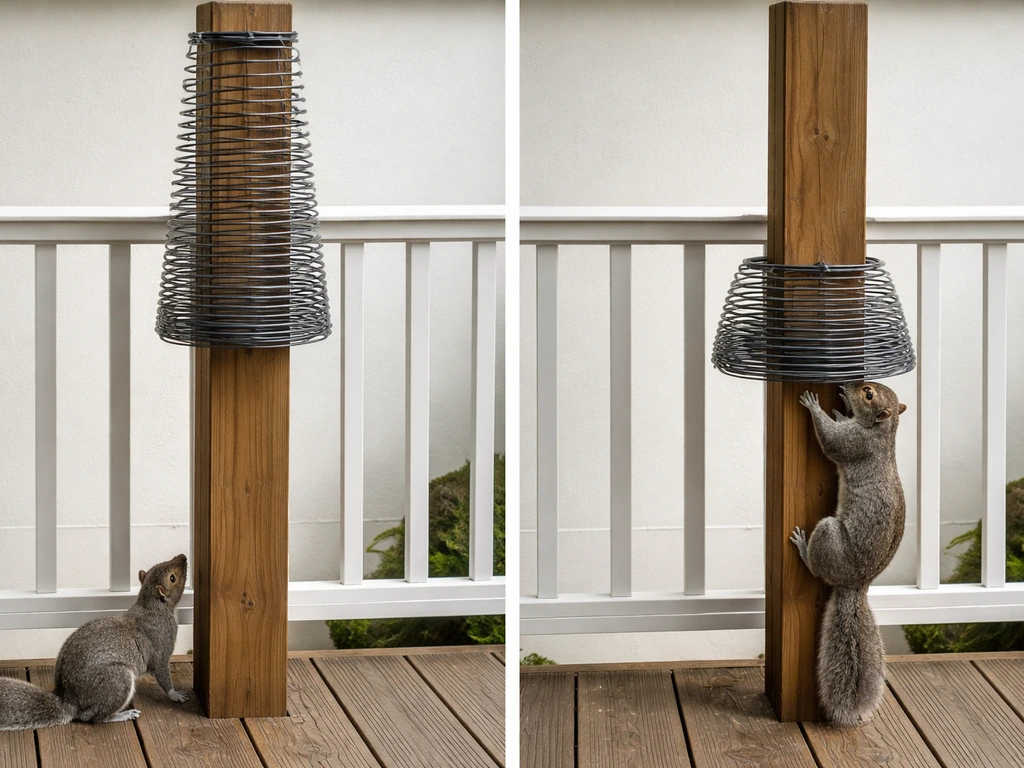
Here's the part most people skip, and it's why their Slinky fails even when the installation is perfect. A Slinky only stops climbers. It does nothing about squirrels that jump. Squirrels can leap horizontally more than 9 feet, and raccoons aren't far behind. That means your pole needs to be placed at least 10 to 12 feet away from any tree, fence, deck railing, roof overhang, or other solid structure a pest could use as a launch pad. Some sources put this number at 8 feet minimum, but 10 to 12 feet is a safer margin if you have the yard space.
Vertical clearance matters too. Squirrels can jump upward about 4 to 5 feet from a standing position. If your feeder is hanging close to a branch directly overhead, they may drop onto it rather than climb up. Keep the feeder at least 5 feet below any overhanging branch or structure.
The pole itself should be set firmly in the ground so it doesn't wobble. If you still need to learn the basics of putting a bird feeder pole in the ground, start by digging a properly sized hole and securing the post so it won't loosen over time set firmly in the ground. If your pole still wobbles or shifts, you may need to stabilize the bird feeder pole first so the Slinky can do its job stabilize a bird feeder pole. A wobbly pole causes the Slinky to shift and can let a determined squirrel use the movement to their advantage. If you're dealing with a pole that leans or shakes, that's worth addressing separately before worrying about the Slinky.
Troubleshooting: when your Slinky slips, spins, or leaves gaps
The Slinky keeps sliding down the pole
This almost always means the zip ties aren't tight enough or you only used one. Add a second and third zip tie layered through the same top coil and around the pole. Pull them as tight as you can before trimming. If your pole has a smooth painted or powder-coated finish that makes everything slippery, wrap a small piece of rubber grip tape (or even a folded piece of inner tube rubber) around the pole at the anchor height before applying the zip ties. If you make the pole surface more slippery at the Slinky anchor area, the coil is less likely to shift or spin make the bird feeder pole slippery. A quality grease can also help if you need to protect the pole surface or reduce friction issues with your specific mounting setup grease for bird feeder pole. If the pole surface is very smooth, using a lubricant like grease for bird feeder poles can reduce friction issues at the anchor height. This gives the ties something to grip against.
The Slinky spins around the pole instead of hanging straight
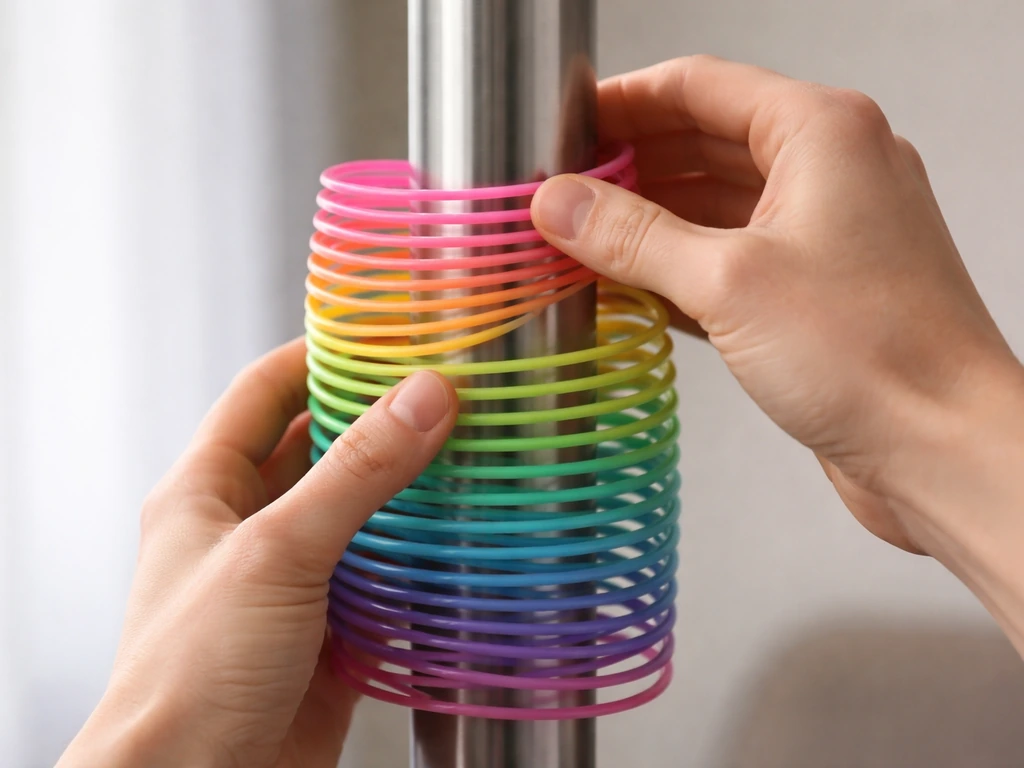
Rotation happens most often with plastic Slinkys on smooth poles, or when the coil's inner diameter is much larger than the pole's outer diameter. There are a couple of fixes. First, add a second anchor point: thread a zip tie through a coil about halfway down and loosely loop it around the pole (not tight, just enough to keep the coil from swinging freely). Second, consider switching to a metal Slinky if you're using plastic; the added weight naturally keeps it hanging straighter.
There's a gap between the Slinky and the pole where squirrels squeeze through
If your Slinky's inner diameter is significantly larger than your pole, squirrels may find a way to grip the pole inside the coil rather than being blocked by it. The fix is to use a pipe foam sleeve (the foam insulation tubes sold at hardware stores for plumbing) to bulk up the pole diameter at the Slinky section. Slide a short piece of foam sleeve onto the pole before installing the Slinky so the coil fits more snugly around the pole's circumference. This also helps with a spinning problem.
Squirrels are still getting to the feeder
If squirrels are bypassing the Slinky entirely, they're almost certainly jumping from a nearby structure rather than climbing the pole. Check your clearance distances again. If the pole is already well isolated, try lowering the Slinky anchor point to 4 feet exactly and confirming the Slinky has enough stretch to cover the climb zone. Also confirm the pole itself isn't leaning against or touching anything solid that could give a squirrel a stepping point.
The Slinky seems to be deterring birds too
Some birds, especially skittish smaller species, may avoid the feeder for a day or two after you add the Slinky simply because it's new and looks unfamiliar. This usually resolves itself within a week. If birds seem genuinely afraid of the movement of the Slinky, try anchoring a second loose zip tie at the very bottom coil and attaching it lightly to the pole with a wire ring or twist tie so the Slinky moves less dramatically in the wind while still functioning as a deterrent.
Keeping it working: maintenance and safety checks
Once your Slinky is installed, it doesn't need much attention, but a quick check every few weeks keeps it effective and safe for wildlife.
- Check the zip ties every 4 to 6 weeks. UV exposure and temperature changes can make plastic zip ties brittle over time, especially through a full summer or winter. If they look cracked or feel loose, replace them. This takes two minutes.
- Look for signs of corrosion on metal Slinkys, especially if you live somewhere with humid summers or hard winters. Surface rust is fine functionally, but if the coils are starting to break apart or leave sharp edges, replace the Slinky before a bird or small animal gets snagged.
- Make sure the Slinky hasn't shifted and tangled around any part of the feeder or hanging hardware. Check that birds can still access the feeder perches freely without the coil interfering.
- If you've had the same Slinky up for a full year, especially a plastic one, consider replacing it proactively. A $3 replacement every 12 months is a lot cheaper than figuring out why squirrels suddenly started winning again.
- Do not apply any grease, oil, or cooking spray to the pole in addition to the Slinky. These substances can foul bird feathers and squirrel fur and cause real harm to wildlife. The Slinky works mechanically and doesn't need a slippery surface to function.
One last thing worth mentioning: no single deterrent is 100% foolproof forever. Squirrels are persistent and adaptable. If you notice one particular squirrel starting to figure out how to brace against the Slinky, combining the coil method with proper distance placement (the 10 to 12 foot clearance rule) is the most reliable long-term combination. The Slinky handles the climbers; the placement handles the jumpers. Get both right and your feeder birds will have a much quieter mealtime.
FAQ
Can I overlap or bunch the extra coils if the Slinky is too long for my pole?
Yes, but only if the coil can freely stretch and you have enough clearance. If the Slinky is pinched tight, it may stop bouncing, and a determined climber can use the fixed coils as grip points. Keep the top coil anchored firmly, and let the rest hang with visible movement when nudged by hand.
What height should I anchor the Slinky if squirrels are still getting up?
Anchor the top coil at about 4 to 5 feet on most setups, then verify the Slinky covers the full zone a climber would use. If squirrels are reaching the feeder from lower on the pole, drop the anchor point to around 4 feet and recheck that there is still enough hanging spring length below the anchor to disrupt their upward traction.
Is it okay to grease the pole to make the Slinky work better?
Avoid lubricants on the Slinky itself. If the coil slides too easily during mild wind, it can rotate or migrate, and that can create gaps a squirrel can exploit. If you use any friction-reducing material, apply it only to the pole contact area at the anchor height and keep it minimal so the Slinky remains in its intended position.
How tight should the Slinky fit on the pole, and how do I tell if it is too loose?
For the pole, aim for a fit that lets the Slinky sit centered, not loose. If the gap is large, squirrels may grip the pole through the coil opening, especially once the coil shifts. A practical check is to hold the Slinky over your pole before installing; if you can wiggle it enough to see the coil edge move relative to the pole, you likely need better snugness (for example, a foam sleeve).
My Slinky keeps twisting, what is the best zip tie setup to prevent rotation?
Use at least two or three zip ties at the top coil, all layered through the same coil area, and pull them as tight as possible before trimming. If your pole surface is slick (painted or powder-coated), add a rubber grip material at the anchor spot so the zip ties have something to bite into.
Will a Slinky stop squirrels that jump from a roof or tree branch?
If the feeder is close to an overhang or you have branches directly above, squirrels may drop onto the feeder instead of climbing. Measure upward clearance and keep the feeder at least about 5 feet below any overhanging branch or structure, and also revisit horizontal clearance from trees, fences, decks, and rooflines.
Why do the birds avoid the feeder right after I install the Slinky?
Often, yes. Some birds avoid the feeder briefly because the new device looks different or moves slightly in wind. If birds are still avoiding it after about a week, reduce movement by lightly stabilizing the bottom coil with a secondary loose tie, so the Slinky still functions but does not swing aggressively in gusts.
What if the Slinky looks installed correctly but the pole still wobbles and pests persist?
Start by checking pole stability first. If the pole wobbles, the Slinky can shift just enough for a squirrel to find a stable contact point. Re-seat or reinforce the pole in the ground, then confirm the Slinky anchor area stays fixed relative to the pole.
Will the Slinky method work on non-round poles or oddly shaped mounts?
Use it only in areas where the anchored top coil can fully contact the pole and the feeder is mounted above it without interfering. If you have a curved or unusually shaped pole, the coil may not sit centered, increasing the chance of spinning. In those cases, switching to a smooth metal pole section (like EMT conduit) or adding a snugging sleeve is usually more reliable than forcing a fit.
If I shorten the hanging feeder wire, what should I watch for so it does not interfere with the Slinky?
Yes, but the best practice is to create a consistent pole-and-feeder layout so the anchor height and hanging stretch match your yard distances. For example, if you shorten the feeder wire so the feeder sits correctly above the Slinky anchor, you avoid slack that could make the feeder swing into the spring coils during wind.
How do I fine-tune the setup when I keep seeing one squirrel succeed?
Some single squirrels keep trying, but the setup should stop repeated successful climbs. If you see the same animal repeatedly bracing at one height, lower the anchor slightly toward 4 feet and verify that the Slinky still spans the entire climb region below the feeder. Also recheck that the pole is not touching a nearby surface that gives a stepping point.