A hopper bird feeder is one of the most practical feeders you can build at home. You cut a simple box from scrap wood, add slanted side walls that funnel seed downward through open slots onto a base tray, nail on a roof to keep rain out, attach a couple of wooden dowel perches, and hang the whole thing from a branch or pole.
How to Make a Hopper Bird Feeder: Step by Step DIY Guide
Marcus Brennan
7 Jun 2026
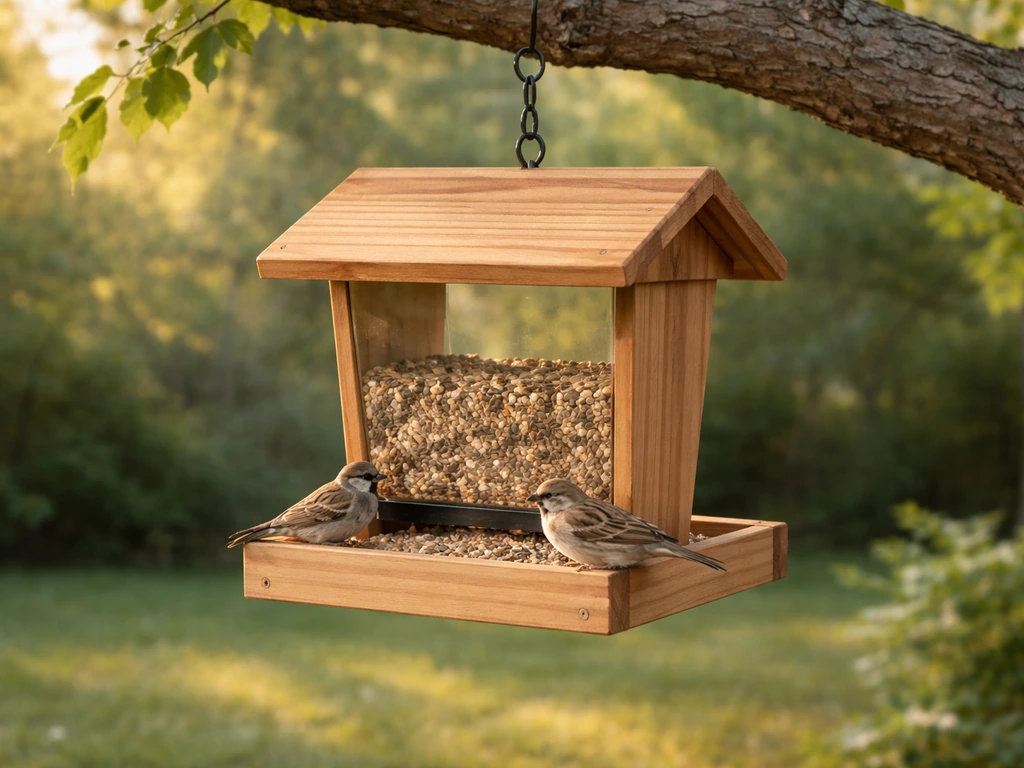
The gravity-fed design means birds eat from the tray, the seed level drops, and more seed slides down automatically from the hopper chamber above. Jelly bird feeders follow the same hopper-and-perch idea, but the “seed” is shaped into a gelatin mold hopper design. You can build a solid one in an afternoon with basic tools, and it will outperform most store-bought feeders when it comes to seed capacity and weather protection.
What a hopper feeder is and why it's worth building
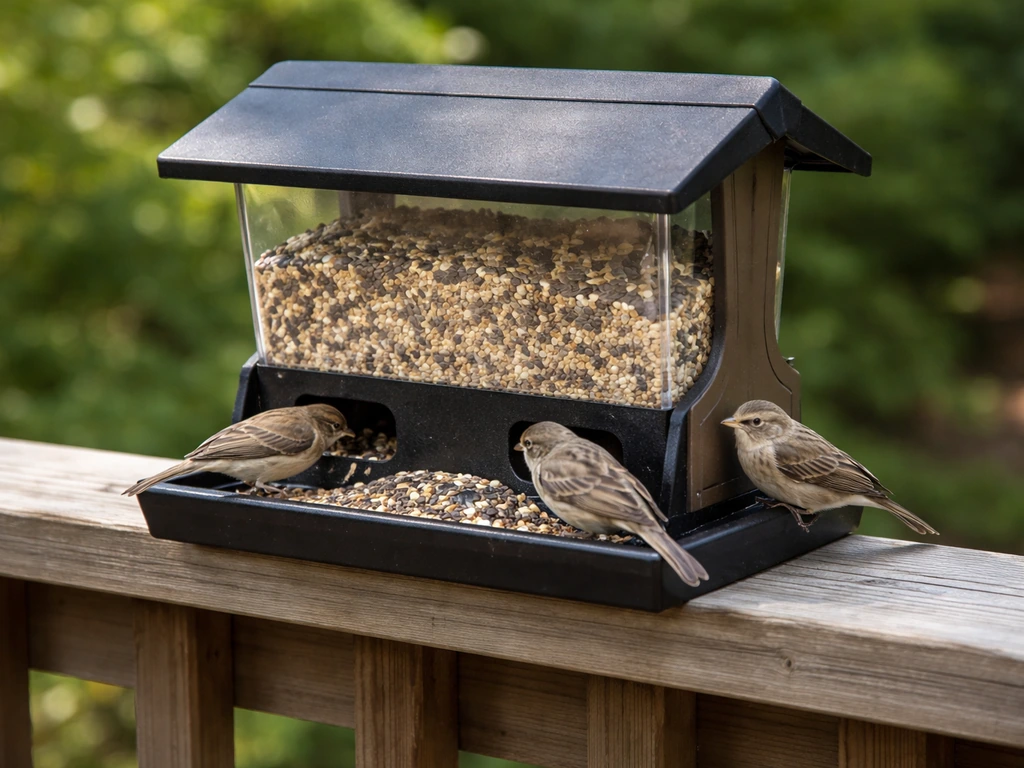
The defining feature of a hopper feeder is a seed chamber (the "hopper") that sits above a base tray. Project FeederWatch describes a hopper feeder as a platform with walls and a roof that forms a hopper to protect seed from the weather, with seed dispensing from the protected chamber down onto the tray Feeder Types.
Seed flows downward by gravity through open slots or gaps along the bottom edges of the hopper walls, landing on the tray where birds can reach it. Nature’s Way Bird Products notes that hopper-style feeders have open slots on the bottom of either side that let seed flow through onto the base tray.
As birds feed and the tray empties, more seed slides down to replace it. The roof and enclosed walls protect the seed from rain and direct sun, which is the biggest practical advantage over a simple platform feeder. A well-built hopper feeder can hold several pounds of seed and stay dry for days between refills.
Hopper feeders attract a wide range of birds including cardinals, blue jays, chickadees, nuthatches, finches, and sparrows. If you specifically want a glass bird feeder, look for a simple build that keeps the glass protected and sealed from moisture while letting seed flow by gravity. The large open tray gives bigger birds plenty of room, and the covered seed stays fresher longer than seed left out on an open platform. If you have been frustrated by rapid seed spoilage or having to refill every single day, a hopper design solves both problems at once.
Materials and tools you will need
Most of this build uses scrap wood, so check your garage or workshop before buying anything. A standard cedar fence picket (roughly 5.5 inches wide, 6 feet long, about $2 at any hardware store) gives you enough material to cut every panel. Cedar is the best choice because it resists rot and warping naturally, but pine works fine if you seal it with exterior paint or wood sealant.
- Cedar or pine boards: one 6-foot fence picket or equivalent scrap pieces at least 3/4 inch thick
- Plywood scrap (1/4 inch): for the roof panels, roughly 12 x 16 inches total
- Two wooden dowels, 1/4 inch diameter, cut to 8 inches each (perches)
- Exterior wood glue
- 1.5-inch galvanized brad nails or wood screws
- Sandpaper (80 and 120 grit)
- Exterior paint, stain, or wood sealant (optional but recommended for pine)
- Screw eye and S-hook or wire for hanging
- Tape measure and pencil
- Hand saw or circular saw
- Drill with 1/4-inch bit (for perch holes) and 1/8-inch bit (pilot holes)
- Hammer or nail gun
- Square for checking right angles
Total material cost runs about $5 to $15 if you are starting from scratch, and close to zero if you have scrap wood already. Build time is roughly two to three hours including drying time for any sealant.
How to build it: step-by-step
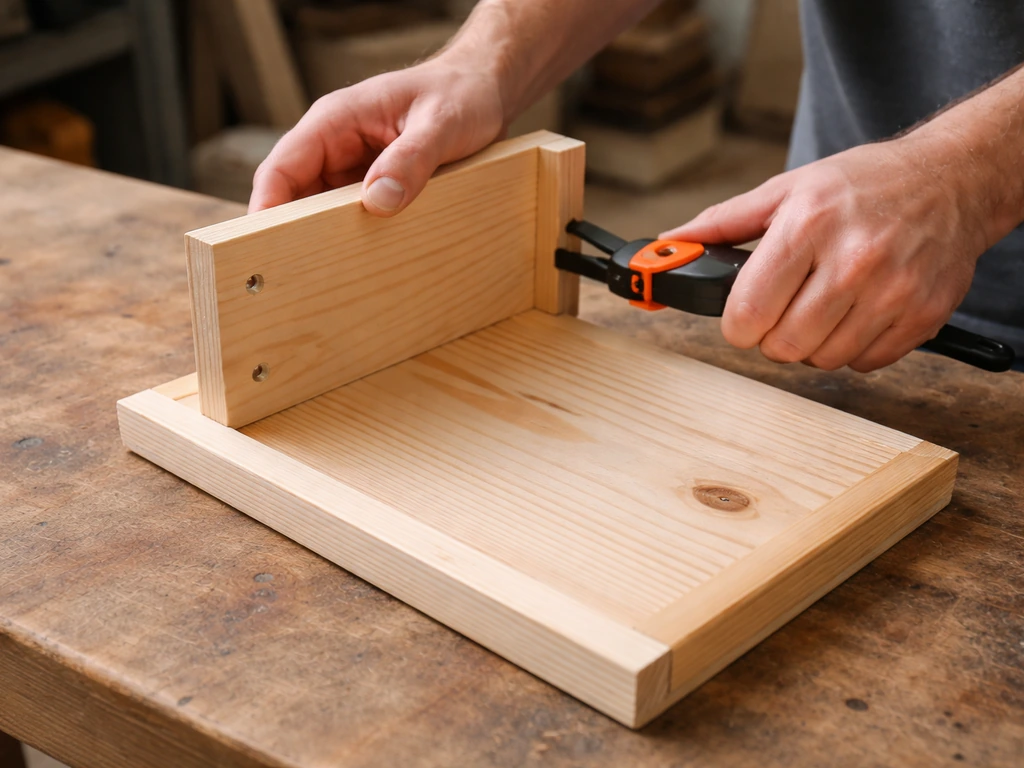
This build produces a hopper feeder with a finished size of roughly 8 inches wide, 12 inches long, and 14 inches tall including the roof. If you want a classic DIY project, follow the step-by-step willow bird feeder approach using the same hopper logic to keep seed dry and flowing. It holds about 1.5 to 2 pounds of seed, which is plenty for a busy backyard for two to three days.
- Cut the base tray first. Cut one piece of wood 8 x 12 inches. This is the platform where birds will stand and eat. Drill a few 1/4-inch drainage holes through the flat surface so rainwater does not pool.
- Cut the two side walls (the hopper panels). Cut two pieces at 5.5 x 10 inches. These will form the long sides of the seed chamber. At the bottom edge of each side wall, cut or plane a 15-degree bevel so the wall angles slightly inward toward the tray. This bevel is what guides seed toward the center gap and out onto the tray.
- Cut the two end walls. Cut two pieces at 5.5 x 6 inches. These close off the short ends of the hopper. No bevel needed here.
- Assemble the hopper box. Glue and nail the four walls into a rectangular box shape. Leave a gap of about 1/4 to 3/8 inch along the bottom edge of each long side wall where they meet the end walls. This gap is the seed slot. Seed will flow through here onto the base tray when the feeder is assembled.
- Attach the hopper box to the base tray. Center the hopper box on the base tray, leaving about 1 inch of tray exposed on all four sides so birds have room to stand. Glue and screw the box down from underneath through the tray into the bottom edges of the walls.
- Drill perch holes and insert perches. Drill a 1/4-inch hole through each end wall, centered horizontally and about 1 inch below the top of the wall. Push a wooden dowel through each hole so it extends about 2.5 inches on either side. Add a drop of exterior wood glue to hold them in place.
- Build the roof. Cut two plywood panels at 6 x 10 inches each. Join them along one long edge with a strip of wood or a small brass hinge to form an inverted V shape with a peak angle of about 100 to 110 degrees. The roof should overhang the hopper walls by at least 1 inch on all sides to shed rain. Attach the roof to the top of the hopper box with two small screws, or leave it removable (just resting on top) so you can lift it off for easy refilling.
- Sand and seal. Sand all surfaces smooth, paying attention to the tray edges where birds will perch. Apply exterior sealant, paint, or stain to any pine surfaces. Let dry completely before adding seed.
- Add the hanging hardware. Drill a pilot hole through the roof peak and screw in a sturdy screw eye. Attach an S-hook or loop of galvanized wire for hanging.
Tweaks for specific birds and seed types
The base design works well for black oil sunflower seed, which is the single best all-around choice for attracting the widest variety of birds. But you can tune the feeder for specific species or seed types with a few simple changes.
| Target bird / seed type | Modification to make |
|---|---|
| Cardinals and blue jays (larger birds) | Widen the base tray to 10 x 14 inches so they have enough room to turn around comfortably |
| Finches and small sparrows (safflower or millet) | Narrow the seed slot gap to 1/8 inch to meter out smaller seeds more slowly and reduce waste |
| Mixed seed or millet | Add a second divider inside the hopper to keep seed types separated |
| Nyjer (thistle) seed | This seed is too fine for a standard hopper slot and will pour out uncontrolled. Use a separate sock or tube feeder for nyjer. |
| Suet or peanuts (larger pieces) | Remove the hopper altogether and use just the open tray platform with higher side rails to contain peanuts in the shell |
If you want to attract woodpeckers alongside the usual visitors, rough up the exterior wood surface with coarse sandpaper so they have something to grip. Woodpeckers prefer vertical surfaces but will visit a hopper tray if they can brace against the side walls.
Where and how to hang it
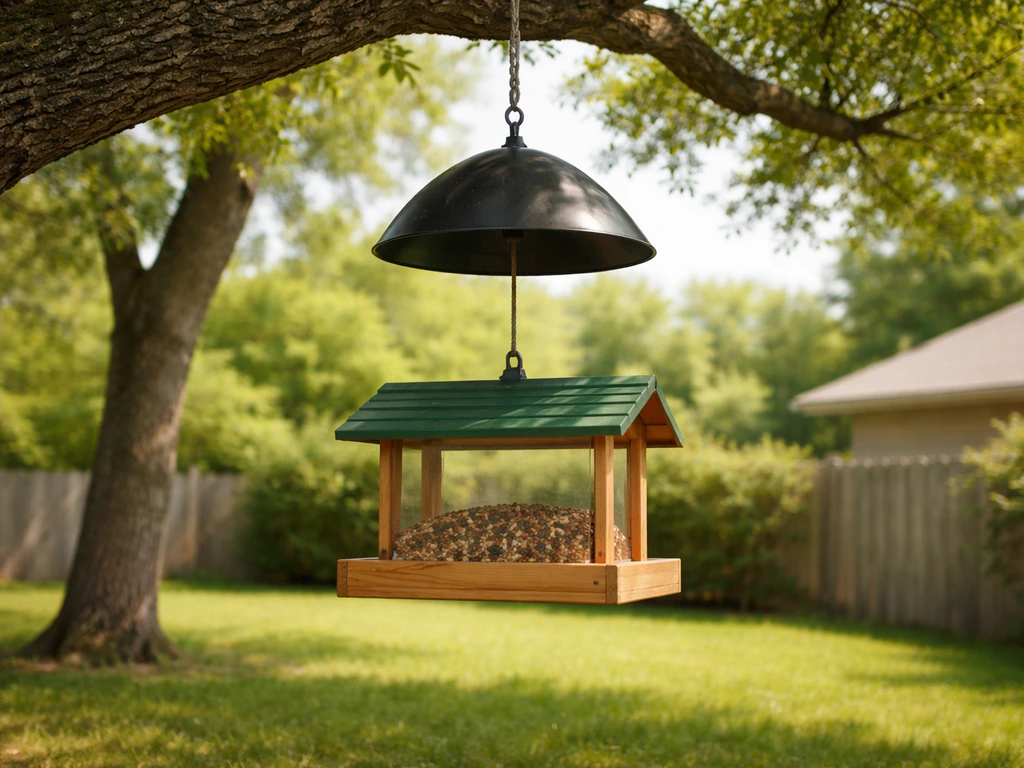
Placement makes or breaks how well a hopper feeder actually performs. The sweet spot is 5 to 6 feet off the ground, high enough that squirrels cannot jump directly to it from the ground (they can jump about 4 feet vertically), but low enough that you can refill and clean it without a ladder.
- Hang from a branch or pole that is at least 10 feet away from any fence, roof, or tree trunk that a squirrel could launch from horizontally. Squirrels can jump 8 to 10 feet horizontally from a standing position.
- Aim for a spot with morning sun and afternoon shade. Direct afternoon sun in summer heats seed quickly and accelerates spoilage and mold.
- Keep the feeder within 3 feet of a shrub or small tree for bird cover, or more than 30 feet away. The 3-foot rule means a cat or hawk cannot build up enough speed to catch a bird leaving the feeder. The 30-foot rule means birds have time to spot a predator and escape.
- Place it at least 10 feet from any window to reduce fatal bird-window strikes, or within 3 feet so birds cannot build up enough speed to hurt themselves.
- Use a thin metal wire or cable for hanging rather than rope. Squirrels chew through rope quickly.
- A baffled shepherd's hook pole is the most reliable setup if you do not have a good hanging branch. A metal baffle clamped to the pole below the feeder blocks squirrels from climbing up.
Keeping it clean and full: your maintenance routine
A hopper feeder is only as good as the seed inside it. If you want to skip the wood entirely, you can still make a ceramic bird feeder by forming a hopper and tray, then glazing and sealing it for outdoor use. Wet or moldy seed can make birds sick, and a clogged seed slot is the most common reason birds stop visiting a feeder that used to be popular.
Refilling schedule
Check the tray every two days in warm weather and every three to four days in winter. Refill when the tray is about one-third full rather than waiting until it is empty. Before adding new seed, run your hand across the tray to check for clumped or wet seed and remove any before it contaminates the fresh batch. Only fill the hopper chamber about three-quarters full so seed can move freely and does not pack and jam the slots.
Cleaning schedule
Do a full clean every two weeks in warm weather and once a month in cold, dry weather. Empty all remaining seed, then scrub the tray and interior walls with a stiff brush and a solution of one part white vinegar to nine parts water (or a 10 percent bleach solution if you see any mold). Rinse thoroughly and let every surface dry completely before refilling. This is the single most important maintenance step. Putting fresh seed into a damp feeder will cause mold within 24 to 48 hours in summer.
Troubleshooting problems and keeping pests out
Seed is clumping or not flowing through the slots
This almost always means moisture got into the hopper. Check that your roof overhangs are wide enough (at least 1 inch) and that the roof joints are sealed. In high-humidity climates, add a small piece of window screen stapled inside the hopper across the seed slots. Adding a small window screen helps keep moisture from turning seed clumpy, which is especially useful for a window bird feeder. The screen slows the seed flow slightly but breaks up clumps. You can also mix a small amount of dry sand into your seed to absorb moisture and keep it loose.
Squirrels are raiding the feeder
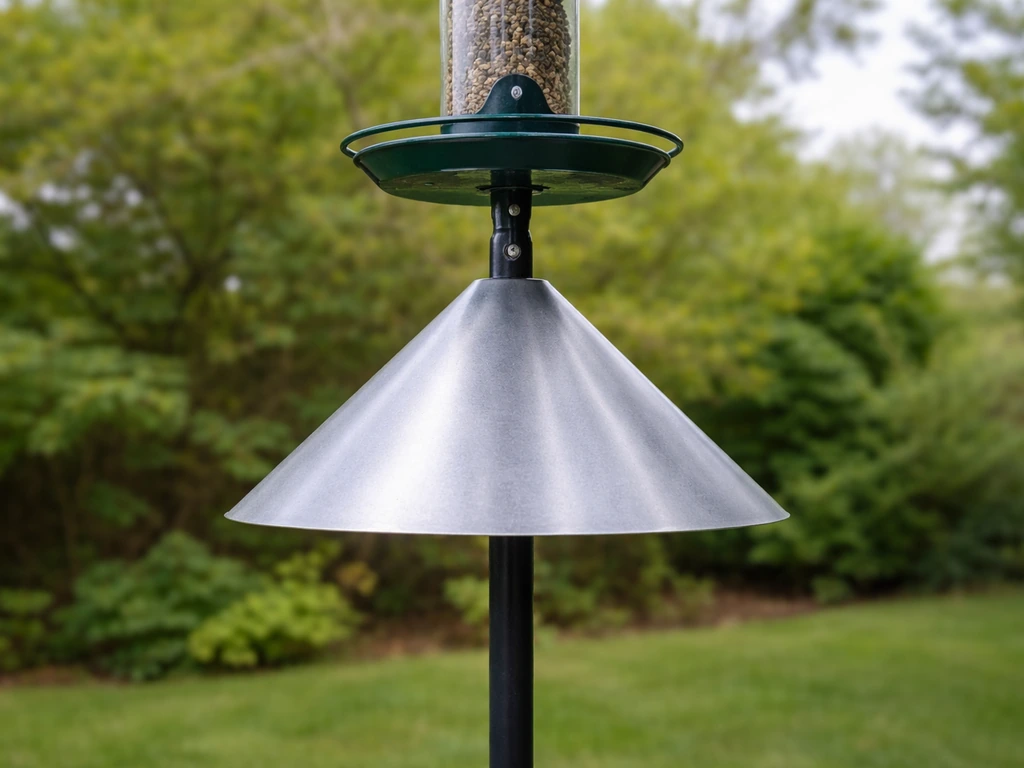
If your feeder is on a pole, a squirrel baffle is the most reliable solution. A conical metal baffle clamped to the pole about 4. 5 feet off the ground stops almost every squirrel. If you are hanging from a wire, add a length of PVC pipe threaded onto the wire on each side of the feeder.
The pipe spins when a squirrel tries to walk the wire and they fall off. You can also try safflower seed inside the hopper. Squirrels dislike its bitter taste and will usually leave it alone, but most songbirds eat it happily. Sprinkling cayenne pepper on seed is a popular tip, but it washes off in rain and has to be reapplied constantly, so I find the physical barriers more reliable long-term.
Ants are getting into the tray
Ants are usually after spilled seed and hulls that accumulate in and under the tray. Keep the area below the feeder raked clean. If ants are climbing the hanging wire, wrap a section of the wire in sticky tape (Tanglefoot or similar) about 12 inches above the feeder, or slip a small cup filled with water onto the wire as a moat barrier. Never put petroleum jelly or motor oil on the wire, both harm birds that contact them.
Mold is appearing in the tray
Mold is almost always a drainage or ventilation problem. Make sure the drainage holes in your base tray are clear and have not been plugged by seed hulls. In wet climates, cut the drainage holes bigger (up to 3/8 inch) and add a few more. You can also sand the tray to a slight crown shape (higher in the center) so water runs toward the edges and drains faster. If you see black mold, do a full clean with a bleach solution immediately and discard all seed inside the feeder.
Birds stopped visiting
The two most common reasons are stale or low-quality seed and a nearby predator. Check the seed first. Old or cheap seed mixes are often filled with filler grains like milo and red millet that most backyard birds reject. Switch to straight black oil sunflower seed or a high-quality no-waste mix and you will usually see birds return within a few days. If the seed is fresh, check for signs of a hawk or outdoor cat using the surrounding area. Bird activity drops sharply around any feeder when a predator has been hunting nearby. Give it a week and activity usually resumes on its own.
FAQ
What size hopper and tray openings should I use so seed doesn’t clog?
Use gaps that are wide enough for your chosen seed to slide freely, but not so wide that large birds can kick seed out of the tray. After you build, test flow with dry seed at room temperature, then tap the hopper lightly. If seed piles up instead of moving within a few seconds, your slots are too small or the hopper bottom is too flat. Slightly slanting the hopper bottom edges toward the slots usually improves consistency.
Can I use mixed seed instead of sunflower, and will it still flow well?
You can, but some mixes include small fillers that bridge and some include husky components that create clumps. If you want variety, start with a “no-waste” mix designed for feeders, then monitor for clogging at the slot line. If you see seed backing up in the hopper chamber, switch to straight black oil sunflower or a simpler mix with more uniform pieces.
How full should the hopper be to prevent packing and jamming?
Keep the hopper chamber around three-quarters full. Overfilling increases pressure on the slots, which can compact seed and stop gravity flow. If you notice uneven flow, empty the feeder, refill to the three-quarter level, and check that the feeder is level side-to-side.
Do I need drainage holes in the base tray, or is the roof enough?
You need drainage in the tray area. The roof helps keep rain out, but dew, splashback, and condensation can still get into the tray zone. If water pools, seed will clump and mold faster. If your tray doesn’t already have clear drainage paths, add small drain holes and periodically remove hull buildup with a stiff brush.
What’s the best way to clean without damaging the wood sealant?
Let the feeder dry completely after cleaning, then wipe down with a damp cloth before the final dry if you used vinegar or bleach. Avoid soaking the entire interior repeatedly, especially if your sealant is thin, and don’t use harsh abrasives on sealed surfaces. If the wood feels sticky or tacky after cleaning, that’s a sign residue is trapped, scrub gently and rinse until it no longer feels tacky.
How do I stop ants if they are not just after spilled seed?
Treat the whole “ant route,” not only the tray area. In addition to raking hulls below the feeder, check whether ants are traveling up the support, such as a wire, rope, or pole seam. Use a physical barrier method on the support (sticky barrier on the pole/wire or a moat cup), and keep vegetation trimmed within about a foot of the support so ants have fewer hidden paths.
Will screen material reduce seed flow too much?
A small window screen inside the hopper can slow flow slightly, but it should still refill the tray smoothly. If birds are waiting longer than a minute for the tray to top up, you may have too fine a screen or too tight a placement across the slot line. Try using a coarser mesh or securing the screen so it breaks up clumps without blocking the total slot area.
How can I tell whether the feeder’s problem is moisture versus seed quality?
Moisture usually shows as clumps forming after rainy humid periods, wet spots at the slot line, and a musty smell. Seed-quality issues often appear even in dry weather and tend to be uneven freshness, with lots of filler grains left behind by birds. If seed clumps only after humidity spikes, focus on roof overhang, sealing joints, and drainage. If it happens immediately every day, switch to straight black oil sunflower or a higher-quality mix.
What’s the simplest way to protect birds if I’m using bleach for mold?
After a bleach or vinegar clean, rinse thoroughly and let every surface dry completely before refilling. If you smell strong chemical odor, continue rinsing and drying rather than adding seed early. Also do the clean on a dry day with good airflow, because trapped moisture can trigger mold again within 1 to 2 days.
How do I choose placement if I have cats or a limited backyard space?
Keep the feeder at least out of direct “pounce distance” from likely cat hiding spots, such as bushes under windows, fences, or patio corners. If you can, place the feeder slightly farther from dense cover so cats must travel more. Many people also prefer a consistent height and location because birds return quickly when the route to the feeder stays predictable.
Next Articles
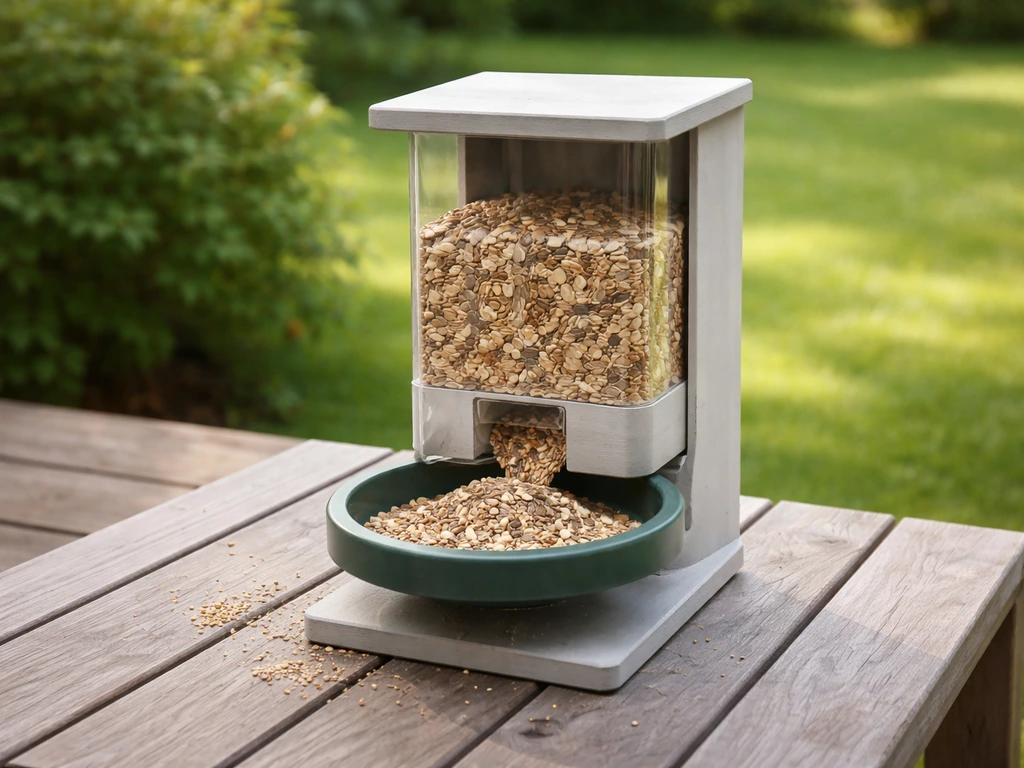
How to Make an Automatic Bird Feeder: Step by Step
Step-by-step DIY guide to build an automatic bird feeder with materials, setup, cleaning, pest proofing, and troubleshoo
How to Make a Willow Bird Feeder Step by Step
Step-by-step willow bird feeder build: materials, branch prep, secure construction, safe hanging, cleaning, and pest-pro
How to Make a Jelly Bird Feeder: Step-by-Step Guide
Step-by-step jelly bird feeder DIY: materials, secure hanging, stop leaks and mold, prevent pests, and keep birds coming