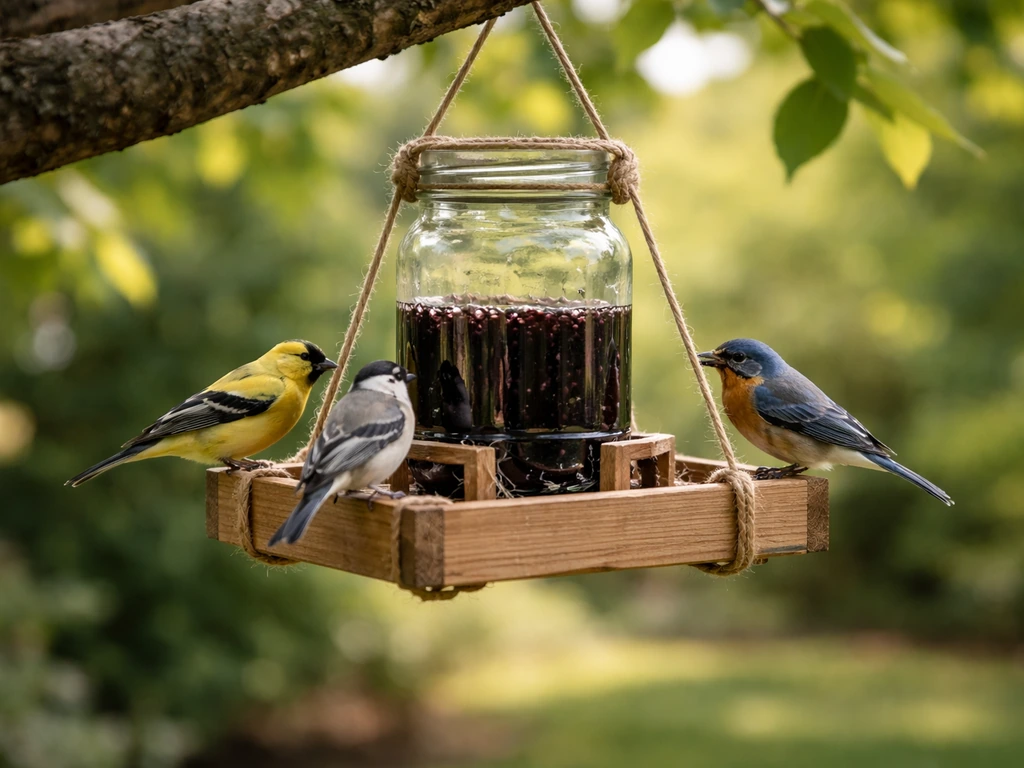
You can build a willow bird feeder in a few hours using flexible willow branches woven into a basket or wreath shape that holds seed securely enough for backyard birds to feed from. If you want something sturdier and reusable, learn how to make a hopper bird feeder instead of a woven willow design.
How to Make a Willow Bird Feeder Step by Step
Marcus Brennan
1 Jun 2026
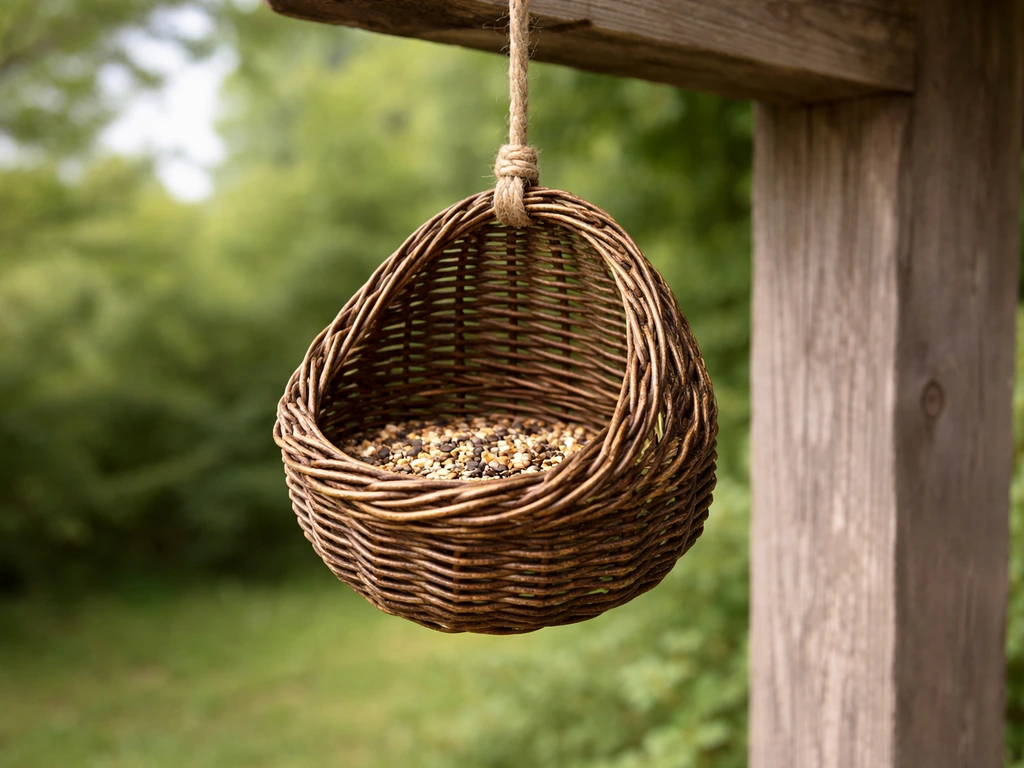
If you want a different style that uses a jelly binder, look up how to make a jelly bird feeder and adapt the same feeder placement tips for best results. The basic idea is simple: willow rods are soaked until pliable, woven around a sturdy frame, and hung where birds feel safe landing. Fresh-cut willow from your yard, store-bought basketry willow, or even dried grapevine all work.
You don't need previous weaving experience, just patience, some twine, and a pair of good snips.
What a willow bird feeder is (and what to decide before you start)
A willow bird feeder is a natural, handcrafted feeder made from willow branches, typically woven into either a basket form or a circular wreath form. Both styles hold seed inside or around the woven structure, letting birds cling to the exterior and pick seed through the gaps. Fine Gardening describes how a bird-feeder wreath is constructed as a circular form, meant for feeding birds by placing seed in or around the woven structure a circular wreath form that holds seed inside or around the woven structure. They're beautiful, biodegradable, and genuinely functional. They look more like something from a cottage garden than the plastic tube feeders you'd buy at a hardware store, which is part of their appeal.
Before you start, you need to make two decisions. First, basket or wreath? A basket feeder sits upright or hangs like a cup, holding loose seed inside the woven walls. A wreath feeder is a flat ring you can hang on a fence or door hook, and birds perch on the outside edge. Both work well, the wreath is faster to make, while the basket holds more seed and looks great hanging from a branch. Second, do you have fresh willow, dried willow rods, or something else entirely? Your answer changes the prep time significantly, as dried willow needs soaking before it'll bend without snapping.
Materials and tools (plus easy substitutes)
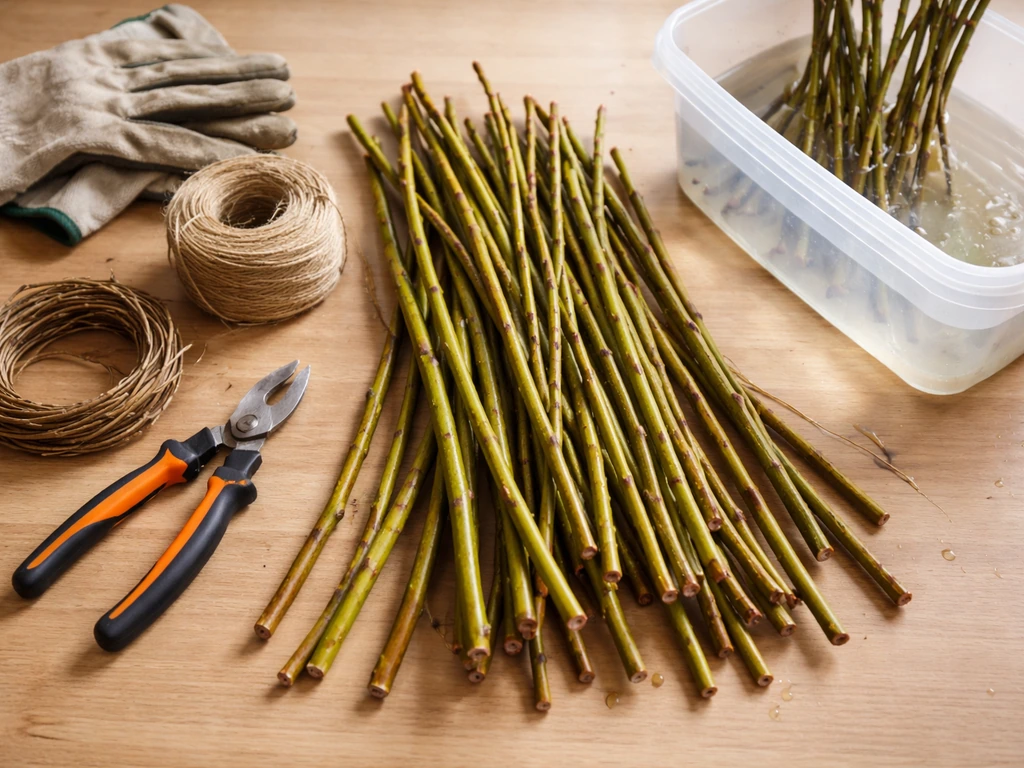
Here's what you'll want to gather before you sit down to build. Most of this costs nothing if you have a willow tree nearby or can get clippings from a neighbor.
- Willow rods: aim for one-year-old growth, roughly pencil-thickness for weaving rods and slightly thicker for your structural frame pieces. Substitute: dried grapevine, wisteria, or dogwood branches all weave similarly.
- A bucket or bathtub for soaking dried rods (fresh-cut rods won't need this)
- Pruning shears or secateurs for clean cuts
- Heavy-gauge wire or a pre-formed wire wreath ring as your base frame (a coat hanger bent into a circle works for a small wreath)
- Jute twine or natural raffia for tying off ends and hanging
- A small piece of fine mesh or hardware cloth (optional) to line the inside of a basket feeder and prevent fine seeds from falling through
- Waterproof wood glue or zip ties for securing stubborn joints (optional but helpful for beginners)
On tools: you really only need the shears and something to soak the rods in. A bodkin (a pointed weaving tool) helps tuck ends under existing weaves, but a blunt knitting needle or even a thick chopstick does the same job. Don't let a missing specialist tool stop you from starting.
Step-by-step: building the willow structure
Step 1: Harvest or prepare your willow
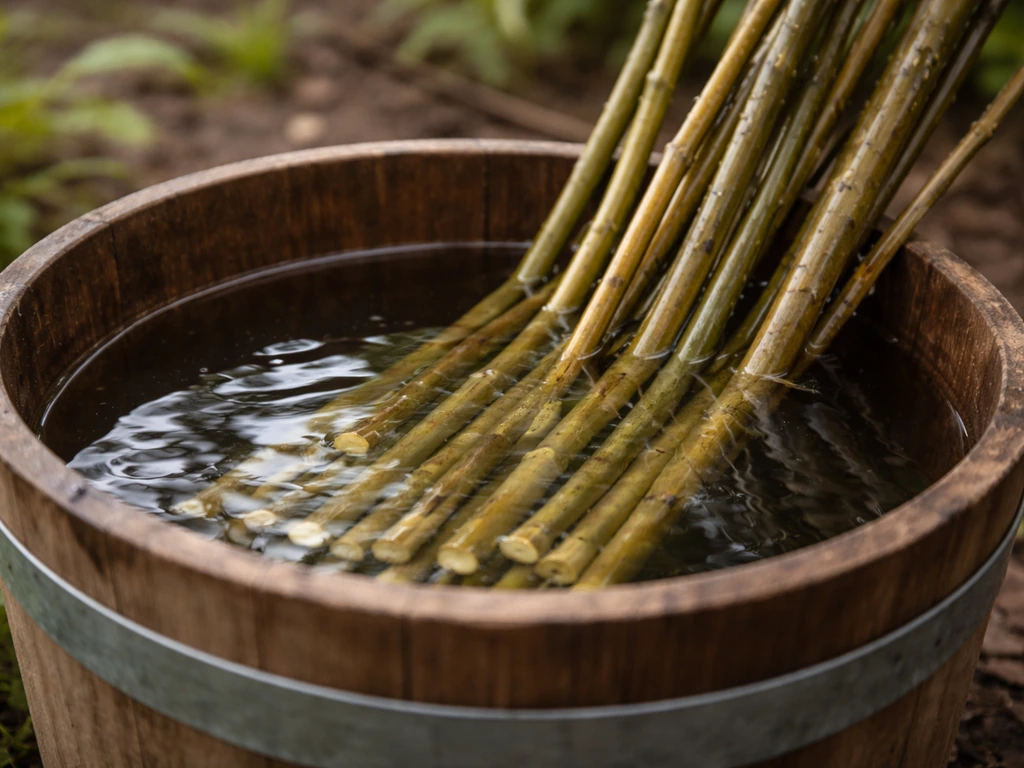
If you're cutting fresh willow from your garden, the ideal window is mid-November through February, after the first frosts and before spring growth resumes. During dormancy the rods are fully matured, flexible, and won't lose leaves all over your work. That said, if it's spring or summer and you need to build now, cut younger green shoots (this year's growth) and work with them immediately while they're still supple. Just know they'll shrink slightly as they dry.
If you're using dried willow rods bought from a craft supplier, soak them in cold water before you start. A good rule: soak thin weaving rods for about 30 minutes, thicker structural rods for up to a few hours. The test for 'soaked enough' is simple, try bending the butt end of a rod into a 90-degree kink. If it bends without cracking and the bark stays intact, it's ready. Don't over-soak; soggy rods become mushy and lose their spring. Once you've soaked what you need, wrap unused rods in a damp towel and use them within a couple of days, then let them dry fully if you're storing the rest.
Step 2: Make your base frame
For a wreath feeder, bend a length of thick wire (or use a pre-made wire wreath ring, typically 10–12 inches in diameter) into a circle and twist the ends together securely. For a basket feeder, cut 6–8 thicker willow rods (your 'stakes') to about 14 inches long and arrange them in an asterisk pattern, tying them together at the center with twine. These stakes become the vertical ribs of your basket walls. Push the bottom ends into a lump of floral foam or clay temporarily to hold the shape while you weave, or just hold them in one hand and weave with the other.
Step 3: Weave the sides
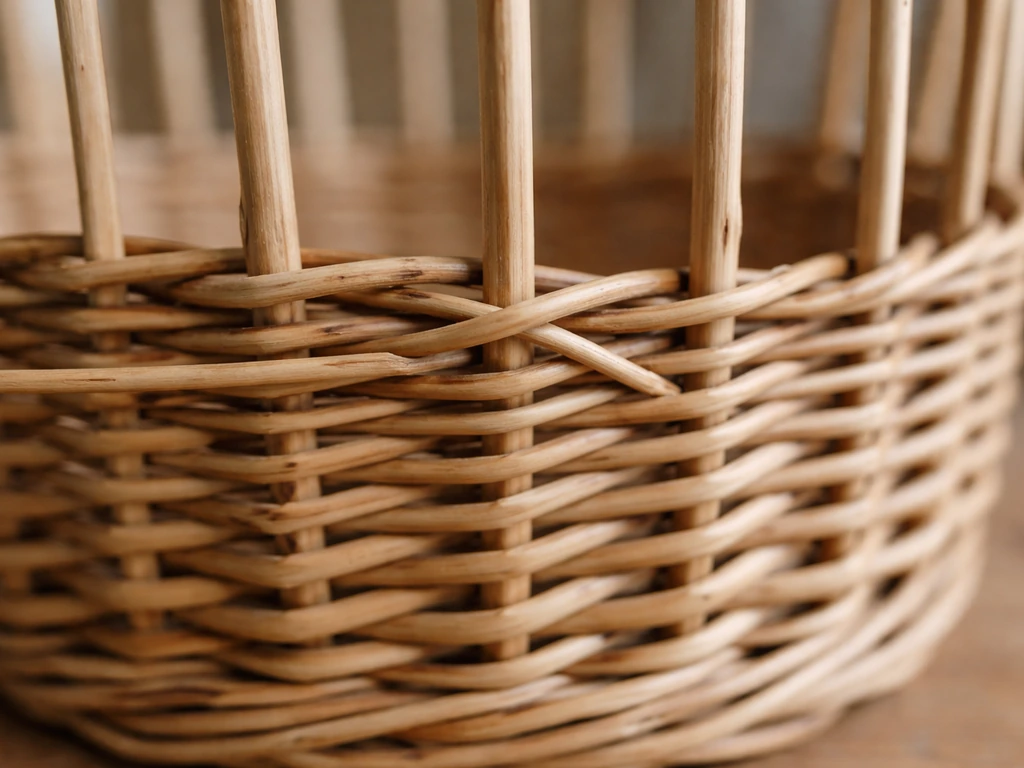
Take a thinner weaving rod and tuck one end behind a stake. Then weave it over the next stake, under the next, over, under, working your way around the circumference. When you reach the end of one rod, overlap a new rod by at least two stakes before continuing. Keep the weave tight by pushing each row down firmly with your fingers. For a wreath feeder, wrap the willow rods around the wire ring repeatedly, layering them until the ring is covered and substantial, aim for at least an inch of thickness so seed stays in place.
Step 4: Finish and secure the edges
For a basket, once your walls are about 3–4 inches tall, fold the tops of the stake rods back down and tuck them into the weave to create a finished rim. This locks everything in place. Trim any stray ends with your shears. For a wreath, tuck all loose ends under the woven layers and bind them with a short piece of twine. Let the finished feeder dry in a warm spot for at least 24 hours before filling it, wet willow sags under the weight of seed. If you want a fully automated setup, use a motorized feeder with timed release and a weatherproof housing automatic bird feeder.
Step 5: Add a liner for finer seeds (optional but recommended)
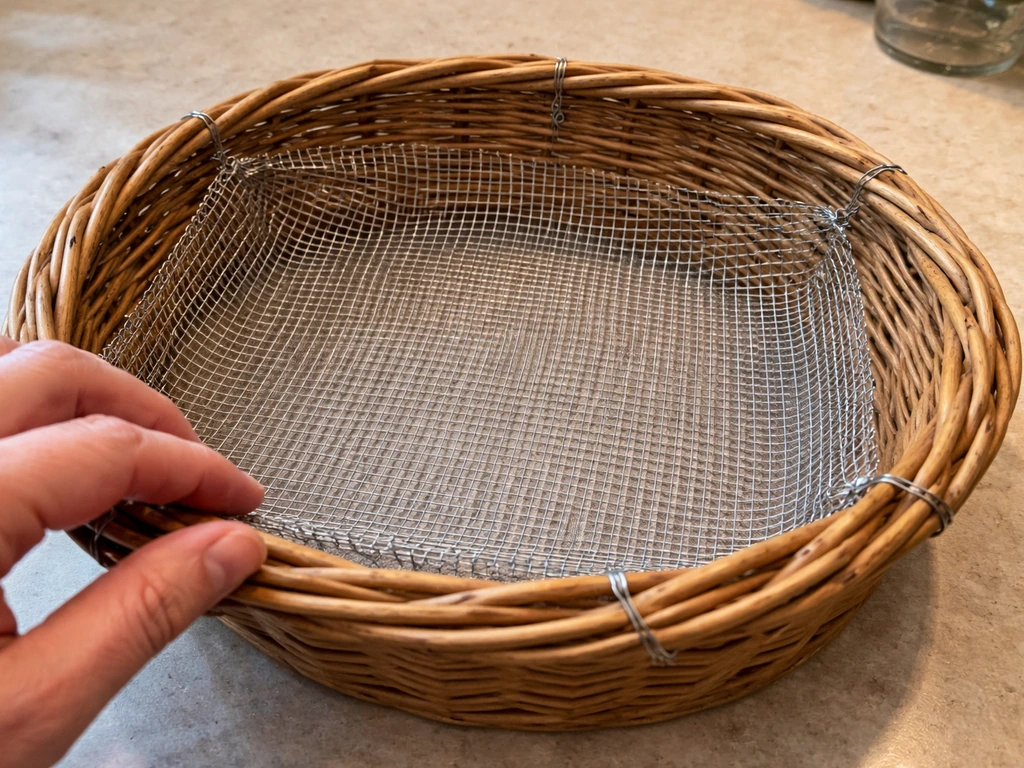
If you're planning to use small seeds like millet or mixed finch seed, cut a piece of fine mesh or hardware cloth to fit the inside of the basket and secure it with a few twists of wire. This stops seeds from pouring through the gaps. For large seeds like black-oil sunflower or shelled peanuts, the woven gaps are usually small enough to hold them without a liner.
Filling options: what foods work best for this feeder
Black-oil sunflower seed is the single best choice for a willow feeder. It attracts the widest range of backyard birds, chickadees, nuthatches, cardinals, finches, and more, and the seeds are large enough that they won't pour straight through most weaves. Safflower seed and shelled peanuts are close seconds and work by the same logic: they're chunky enough to stay put.
Suet is another excellent option, especially in colder months. Press a suet cake or suet pellets into the gaps of the woven structure and birds will cling to the outside to peck at it directly, this is actually one of the most natural ways to use a willow weave feeder, and woodpeckers in particular love it. If you want to try a seed-wreath style feeder (a variation where seeds are embedded directly into the form itself using gelatin or peanut butter as a binder), millet and mixed small seeds work well since they stick in place rather than tumbling out. If you want a different DIY direction, you can also follow a straight-up guide for how to make a glass bird feeder.
| Food Type | Works Best For | Notes |
|---|---|---|
| Black-oil sunflower | Chickadees, cardinals, finches, nuthatches | Best all-around choice; won't fall through weaves |
| Safflower seed | Cardinals, doves | Squirrels tend to dislike it — a bonus |
| Shelled peanuts | Woodpeckers, jays, nuthatches | Use halves, not whole, to reduce waste |
| Suet cake/pellets | Woodpeckers, starlings, wrens | Press into the weave; great for cold weather |
| Mixed millet seed | Sparrows, juncos, doves | Use a liner mesh to prevent fall-through |
Hanging and placement: get this right and birds will come
Attach a length of jute twine or braided natural rope to the top of your basket or wreath, two attachment points spread across opposite sides of a basket give better balance than a single point. For a wreath feeder, loop twine through the top of the woven ring. Aim for about 18–24 inches of hanging cord so the feeder sways gently rather than spinning in the wind, which can scatter seed and spook birds.
Hang the feeder at least 5 feet off the ground, this keeps it out of easy reach of cats and ground-based pests. The ideal spot has a mix of open visibility (so birds can watch for predators) and nearby shelter like a shrub or small tree within 10 feet that birds can dart to if startled. Avoid placing it directly against your house wall where squirrels can leap from gutters or window ledges.
If you want a window bird feeder instead, use a similar seed mix and hang it securely so birds have stable footing near the glass how to make window bird feeder. A tree branch or a dedicated feeder pole at least 8 feet from any structure squirrels can use as a launch pad is the better option.
Direct sun versus shade is worth thinking about too. A spot with morning sun and afternoon shade keeps seed from heating up and spoiling quickly, which is especially relevant in summer. If your climate is windy, position the feeder on the sheltered side of a fence or hedge, a natural windbreak helps birds land comfortably and stops seed from blowing out.
Maintenance and cleaning schedule
The honest truth about willow feeders is that they need a bit more attention than a plastic or metal feeder. If you'd rather try a different material, you can also learn how to make a ceramic bird feeder for a durable, decorative option. Willow is organic and will degrade faster if it stays wet. Plan to bring the feeder in during extended rain if you can, and always let it dry out between fillings. A waterproof sealant spray (something safe and non-toxic like linseed oil) applied to the outside before first use can extend its life significantly.
For cleaning, aim for a monthly schedule. Mix a 10 percent bleach solution, 1 part household bleach to 9 parts water, and use it to scrub out the inside of the basket, removing old seed, droppings, and mold. Let the feeder soak in the solution for about 10 minutes, then rinse thoroughly and let it air-dry completely before refilling. This routine prevents disease spread between visiting birds. If you notice mold or a sour smell after a wet week, clean it sooner rather than waiting for the monthly cycle.
Between full cleanings, knock out old seed hulls and debris every time you refill. Old wet seed sitting at the bottom of the basket is the main culprit for mold and also puts birds off feeding. If you're heading away for a week, empty the feeder rather than leaving soggy seed to fester.
Troubleshooting and pest-proofing fixes
Birds aren't visiting
Give it at least a week, birds in a new area often take time to discover a feeder. If nothing's happened after 10–14 days, try moving the feeder closer to a tree or shrub (within 6 feet), adding a small water source nearby, or switching to black-oil sunflower seed if you started with something else. If you're trying to attract more birds fast, you can also add a small water source nearby, or pair this with a simple project like how to make a bird water feeder for even better results. Sprinkling a small amount of seed on the ground directly below the feeder sometimes helps ground feeders like sparrows alert other birds to the spot.
Squirrels and raccoons
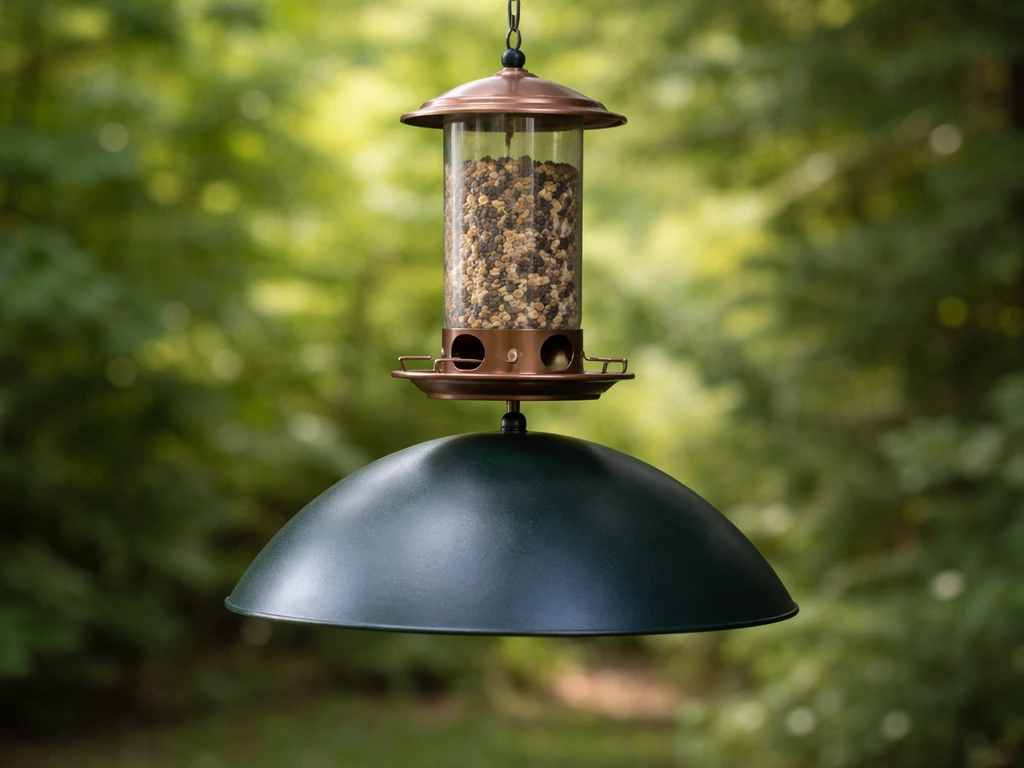
No feeder is completely squirrel-proof, but you can make this one genuinely difficult to raid. If you're hanging from a pole, add a squirrel baffle below the feeder with its bottom at least 4–5 feet off the ground. Keep the pole at least 8 feet from any fence, roof edge, or structure a squirrel could leap from. If squirrels are still reaching it, increase that distance and consider a secondary baffle above the hanging cord. Switching some seed to safflower is also worth trying, squirrels tend to avoid it while most songbirds don't mind it at all.
Insects in the seed
Ants and wasps are attracted to seed and especially to anything sweet or wet. Don't use honey or syrup in or around a willow feeder (save those for a nectar feeder setup). Use a proper nectar feeder setup when you want hummingbirds to sip sugar water instead of pecking at seeds. Keep seed fresh by not overfilling, only put out what birds will eat in two or three days. If ants are climbing the hanging cord, rub a little petroleum jelly on the cord above the feeder. It won't harm the birds and ants won't cross it.
Weather damage and structural wear
Willow feeders will eventually loosen and sag, especially if they stay wet repeatedly. When you notice the weave opening up or stakes shifting, re-tie the joints with fresh twine and press the weave back together while it's damp. Most willow feeders last one to two seasons outdoors with basic care, think of them as a seasonal project rather than a permanent fixture, which is actually part of what makes them satisfying to build. When one wears out, you can compost it and weave a new one.
FAQ
Can I make a willow bird feeder if I only have dried willow or fully dried grapevine?
Yes, but dried material usually needs longer soaking and works best when you limit what you expect it to do. Use dried rods for the basket or wreath shape, but plan on more careful weaving tension and trim more often, because brittle ends snap if you force them. If the rods do not bend after a soak test, switch to fresh-cut material or use a thicker structural rod set and a looser woven outer layer.
How do I choose between a basket and a wreath for the birds in my yard?
Choose a basket if you want more seed capacity and you are targeting birds that feed steadily, like finches, chickadees, and nuthatches. Choose a wreath if you want quicker construction and easier access for perching birds that like to land on the edge. If you live in a windy area, the wreath often sways less because it is a flatter shape, which can reduce seed scattering.
What seed works best if my feeder keeps losing seed through gaps?
Start by switching to black-oil sunflower seed, since it is less likely to fall through most weaves. If you still see loss, add a liner only for the seed size that is leaking, fine mesh or hardware cloth fits inside the basket and for the wreath you can use a separate insert pouch secured to the ring. Avoid overstuffing the liner, keep it taut so it does not sag and create bigger openings.
How long should I wait after soaking and weaving before I fill the feeder?
Let the feeder dry at least a full day in a warm spot, and longer if you notice any springback is missing. If you fill while the willow is still damp, the weave can compact and sag under seed weight, and you will increase the chance of mold. A quick check is to feel the rods near the center, if they feel cool or damp, wait longer.
What if my willow feeder turns mushy or smells sour after the first week?
That usually means water has stayed trapped, seed has become wet, or mold started early. Empty it immediately, discard any heavily moldy seed, scrub with a stronger clean-out than your routine (still rinse thoroughly), then let it dry completely before refilling. Also reduce how much seed you put out, so the bottom does not sit with moisture for days.
Is bleach safe to use for cleaning, and how should I rinse?
Bleach solution can be effective, but it must be fully rinsed and completely air-dried before birds return. After soaking, rinse until there is no bleach smell, then dry outdoors or with good airflow. If your feeder smells strongly even after air-drying, repeat the rinse and dry cycle rather than refilling.
Do I need to use a waterproof sealant on willow, and what is the safest option?
Sealant is optional, but it helps slow breakdown if your climate is rainy or you forget to bring the feeder in during wet spells. Use non-toxic, food-safe options like linseed oil applied to the outside only, let it cure fully, and do not seal the parts where birds will constantly peck if the oil is still tacky. Test a small area first and reapply only when the surface looks worn.
How can I keep squirrels from reaching my willow feeder?
Squirrels are hardest to deter when the feeder is far from launch points, keep it at least 8 feet from fences and roof edges. If hanging from a pole, add a baffle below the feeder with the bottom at least 4 to 5 feet off the ground, and keep the pole away from anything they can climb. If you still see attempts, consider a second baffle higher up on the cord or switch part of the diet to safflower.
Why are ants showing up on my feeder?
Ants are drawn to accessible seed and any sticky residues, especially during warm weather. Keep the seed fresh by setting out only what birds will eat in two or three days, and avoid sweet additives like honey or syrup. If ants climb the hanging cord, a thin barrier on the cord above the feeder, such as petroleum jelly, can block them without contacting the birds’ feeding area.
What is the best way to hang a willow feeder to reduce spinning and seed loss?
Use two attachment points on a basket, spaced apart across opposite sides, so the feeder stays level. Aim for about 18 to 24 inches of hanging cord so it sways gently rather than whipping in wind. If you have a wreath, loop twine through the top of the ring and avoid overly long cords that cause twisting, which can dump seed into the first wind gust.
How do I handle cleaning between monthly deep cleans?
Between full cleanings, do a quick seed reset each refill. Knock out hulls and wet debris at the same time you refill, because old seed at the bottom is where mold starts. If you are away for a week, empty the feeder so seed is not left to dampen overnight.
Can I use suet in a willow feeder year-round?
Yes, especially in colder months, birds tend to use it more when temperatures drop. In warmer weather, suet can get soft or messy, so monitor more frequently and remove it if it melts or turns greasy. For best results, press suet into the woven gaps so birds peck directly rather than picking it out from loose piles.
How long will a willow bird feeder last outdoors, and when should I replace it?
Most willow feeders last about one to two seasons with normal care. Replace when you see repeated loosening, persistent sagging, or extensive sections that are losing structural integrity after drying. When it is at the end of its life, compost it if local composting accepts natural plant materials, then make a new one using fresher willow.
Next Article
How to Make a Jelly Bird Feeder: Step-by-Step Guide
Step-by-step jelly bird feeder DIY: materials, secure hanging, stop leaks and mold, prevent pests, and keep birds coming